Public Figures & Cultural Luminaries
Filterable archive covering centuries of intellectual, artistic, and moral contributions to the human story.
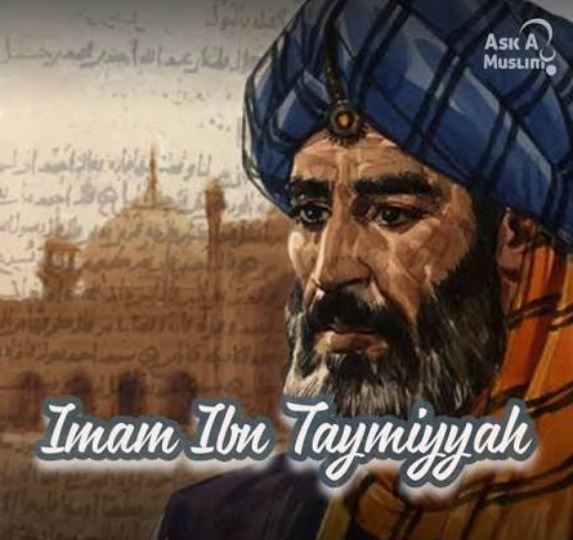
Taqi al-Din Ahmad ibn Taymiyyah (Shaykh al-Islam)
 (تقي الدين أحمد بن عبد الحليم بن تيمية)
Formidable Hanbali jurist and theologian who led intellectual resistance against Mongol hegemony and theological syncretism. Authored Majmu al-Fatawa, advocating a return to the direct methodology of early Islam (Salaf).
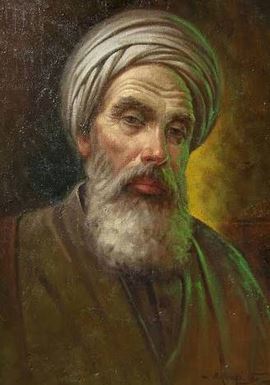
Al-Hasan ibn Yusuf al-Hilli
 (العلامة الحلي)
Legendary Iraqi philosopher, mathematician, and jurist who was the first to receive the honorific title 'Allamah' (Most Erudite) and converted Ilkhanid Mongol ruler Oljeitu to Islam.
Sri Madhvacharya (Acharya of Dvaita / Ananda Tirtha)
 (मध्वाचार्य (Madhvācārya))
Thirteenth-century philosopher-reformer who founded the Dvaita (Dualism) school of Vedanta. Formulated the five eternal distinctions (Pancha Bheda), asserting the absolute independent reality of God and the eternal distinction of souls.
Ahmad ibn Muhammad Ibn Ata Allah (ابن عطاء الله السكندري)
Third master of the Shadhiliyya and Maliki jurist at al-Azhar whose profound aphorisms 'Al-Hikam al-Ata'iyya' are revered as the supreme crown of Islamic wisdom literature.
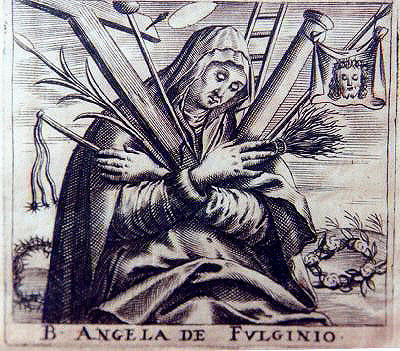
Angela of Foligno
 (Angela da Foligno)
Franciscan tertiary and mystical teacher whose 'Book of Visions and Instructions' (Memorial) mapped thirty steps of spiritual transformation into the suffering Christ.
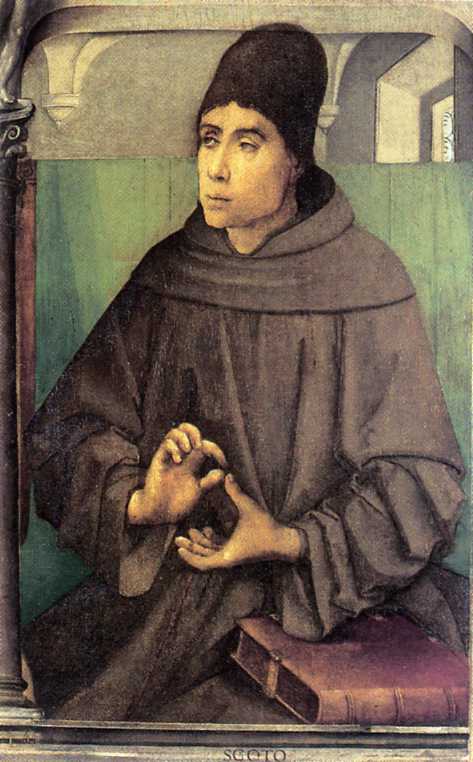
John Duns Scotus
 (Ioannes Duns Scotus)
Scottish Franciscan master philosopher whose brilliant concepts of haecceity ('thisness') and the univocity of being, along with his defense of the Immaculate Conception, shaped Catholic dogma.
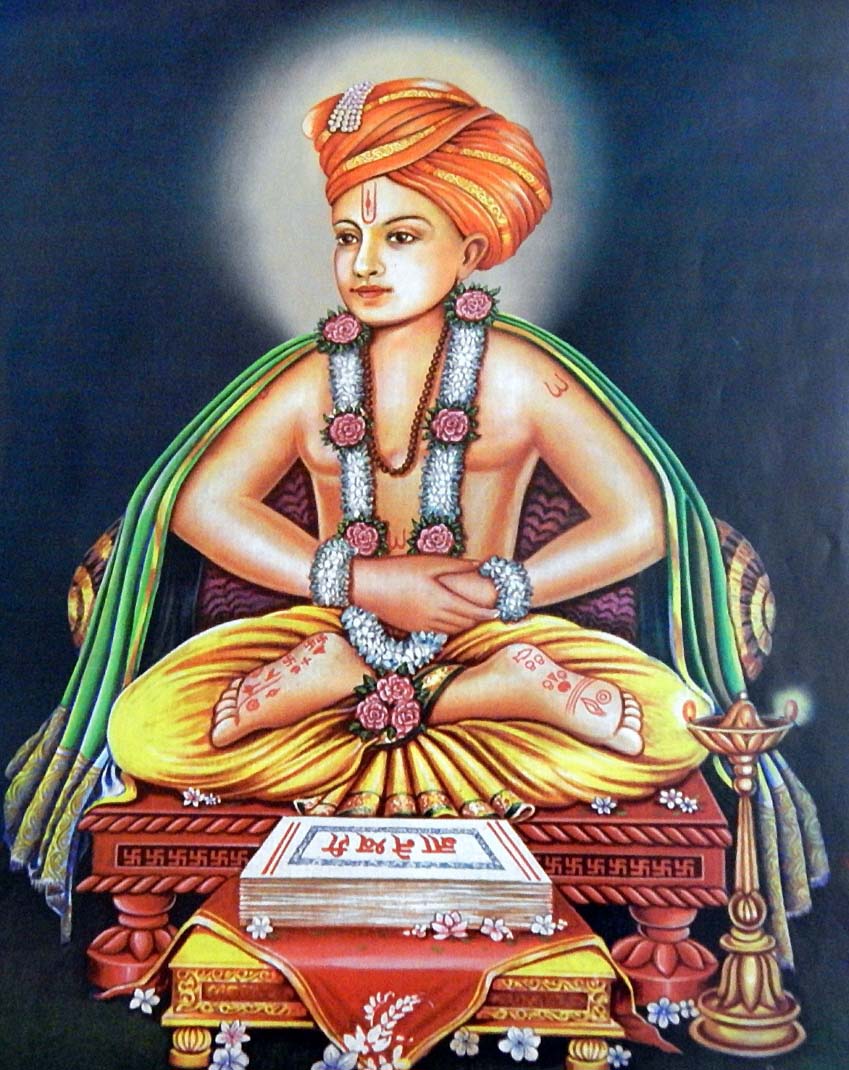
Dnyaneshwar
(ज्ञानेश्वर)
Maharashtrian Bhakti saint, poet, and Nath yogi who translated the Bhagavad Gita into vernacular Marathi in 'Dnyaneshwari' at age fifteen, founding the Varkari tradition.
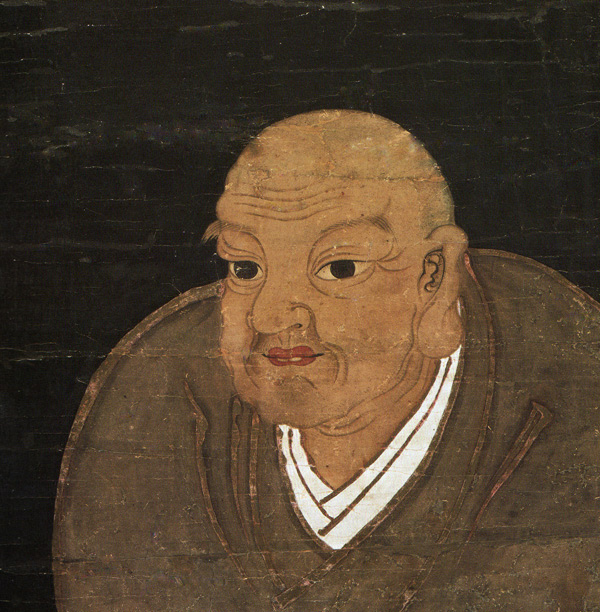
Nichiren
 (日蓮)
(日蓮)
Fiery Kamakura reformer and founder of Nichiren Buddhism who declared the Lotus Sutra the supreme teaching and established the chanting of 'Namu Myoho Renge Kyo' for personal and national peace.
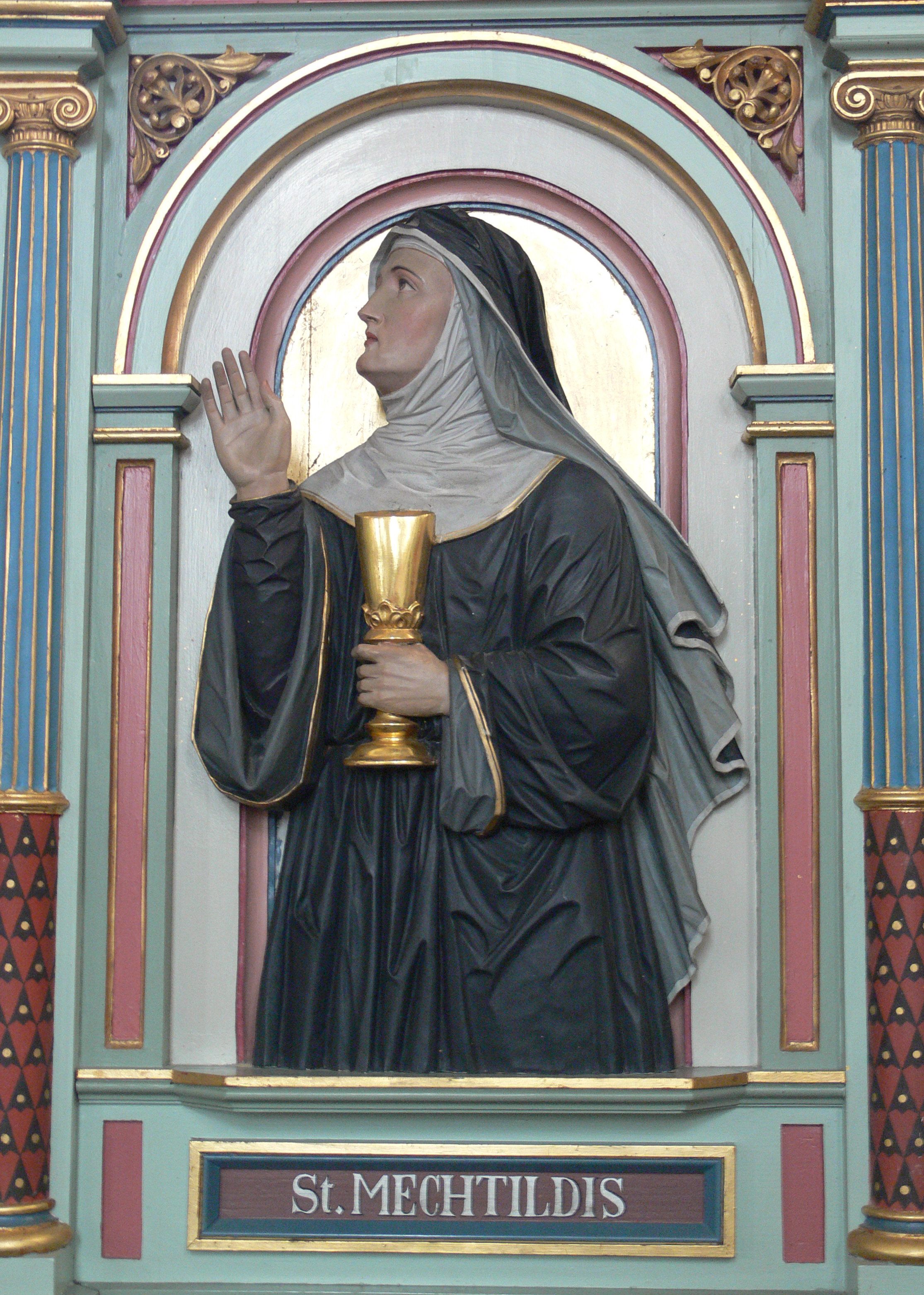
Mechthild of Magdeburg
 (Mechthild von Magdeburg)
Beguine mystic and visionary poet whose 'The Flowing Light of the Godhead' pioneered vernacular German mystical literature, expressing ecstatic Bridal Mysticism.
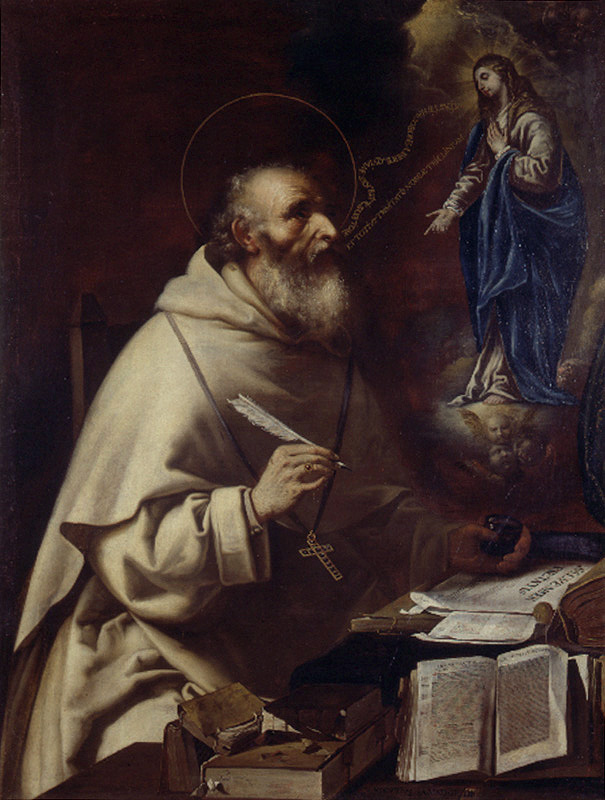
Albertus Magnus
(Albertus Magnus)
Dominican polymath, Bishop of Regensburg, and Doctor of the Church who introduced Aristotelian science to medieval Europe and mentored Thomas Aquinas.
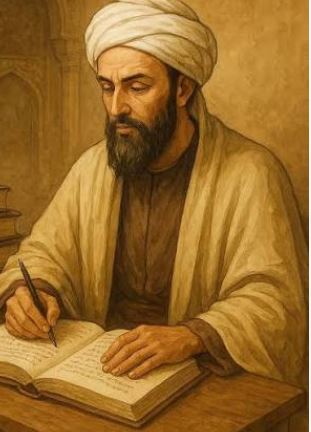
Yahya ibn Sharaf al-Nawawi
 (يحيى بن شرف النووي)
Renowned Shafi'i jurist, traditionist, and ascetic author of 'The Forty Hadith', 'Riyad al-Salihin', and 'Al-Majmu', who fearlessly challenged Sultan Baibars for the rights of the poor.
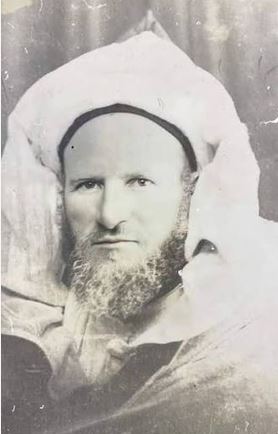
Ahmad ibn Ali al-Badawi (أحمد البدوي)
Most venerated Sufi saint of Egypt and founder of the Ahmadiyya/Badawiyya order, celebrated for his rooftop vigils in Tanta, warrior courage against Crusaders, and immense charity.
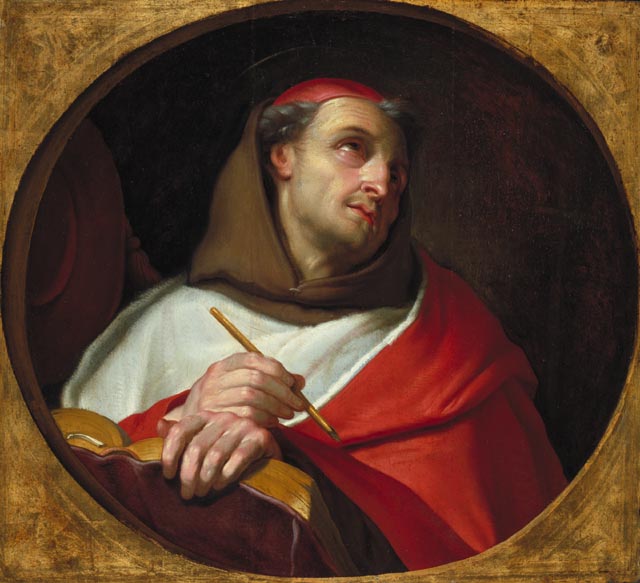
Saint Bonaventure
(Bonaventura da Bagnoregio)
Revered as the 'Seraphic Doctor', Franciscan Minister General and scholastic philosopher who synthesized Augustinian mysticism with Christian philosophy in 'The Mind's Journey into God'.
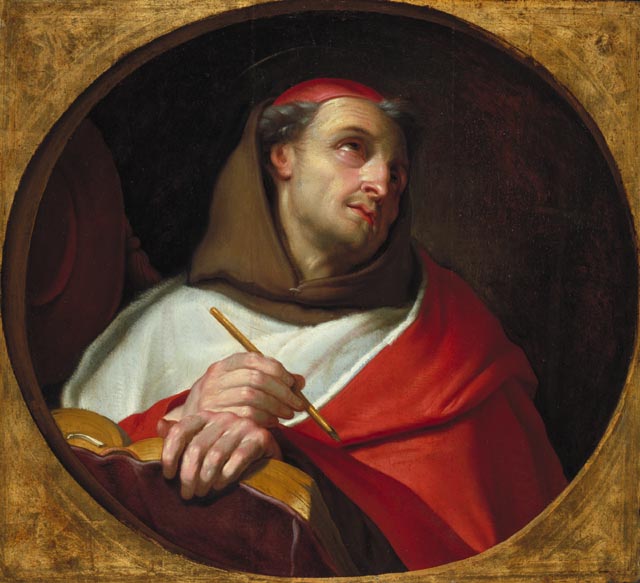
Bonaventure of Bagnoregio
(Bonaventura)
Franciscan Minister General, Cardinal Bishop, and Doctor of the Church whose 'The Mind's Journey to God' (Itinerarium) synthesized Augustinian theology with mystical Francisan love.
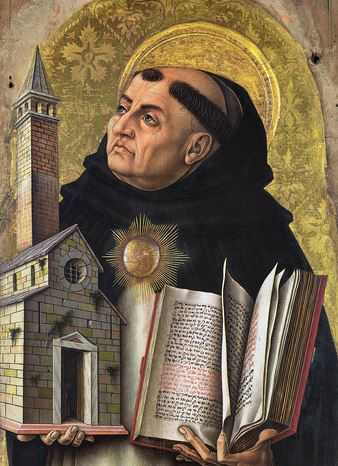
Thomas Aquinas (Doctor Angelicus)
(Thomas de Aquino)
Foremost philosopher-theologian of scholasticism who brilliantly synthesized Aristotelian philosophy with Christian revelation. Author of the monumental Summa Theologiae and formulated the Five Ways of proving God's existence.
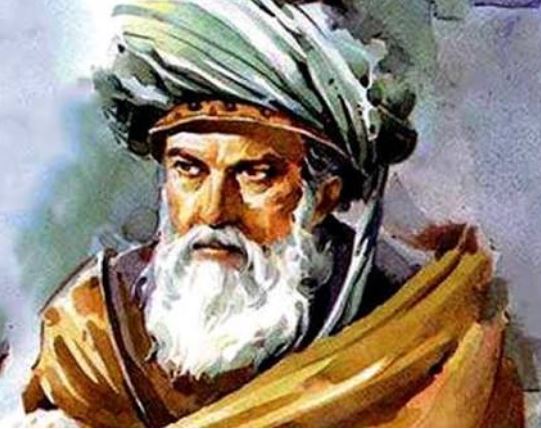
Jalal al-Din Muhammad Rumi (Mawlana)
 (مولانا جلالالدین محمد رومی)
Thirteenth-century spiritual giant whose 26,000-verse Masnavi is revered as "the Quran in the Persian tongue." Transformed through mystical communion with Shams of Tabriz into humanity's most universal poet of divine ecstasy and reconciliation.
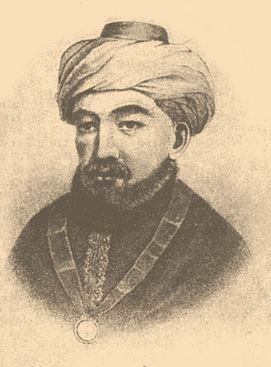
Abu Abd Allah al-Qurtubi
 (القرطبي)
Andalusian Maliki jurist and scholar whose 20-volume 'Al-Jami li-Ahkam al-Quran' is the premier legal commentary on the Quran, renowned for objectivity and ethical guidance.
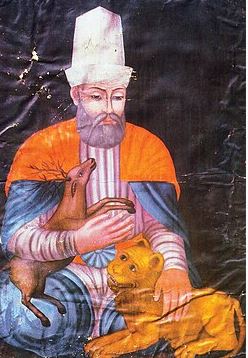
Sayyid Muhammad ibn Ibrahim Ata (Hacı Bektaş-ı Veli)
Beloved Khorasani mystic, humanist, and philosopher who settled in Anatolia, founding the Bektashi order that heavily influenced the Janissaries and Ottoman culture.