Public Figures & Cultural Luminaries
Filterable archive covering centuries of intellectual, artistic, and moral contributions to the human story.
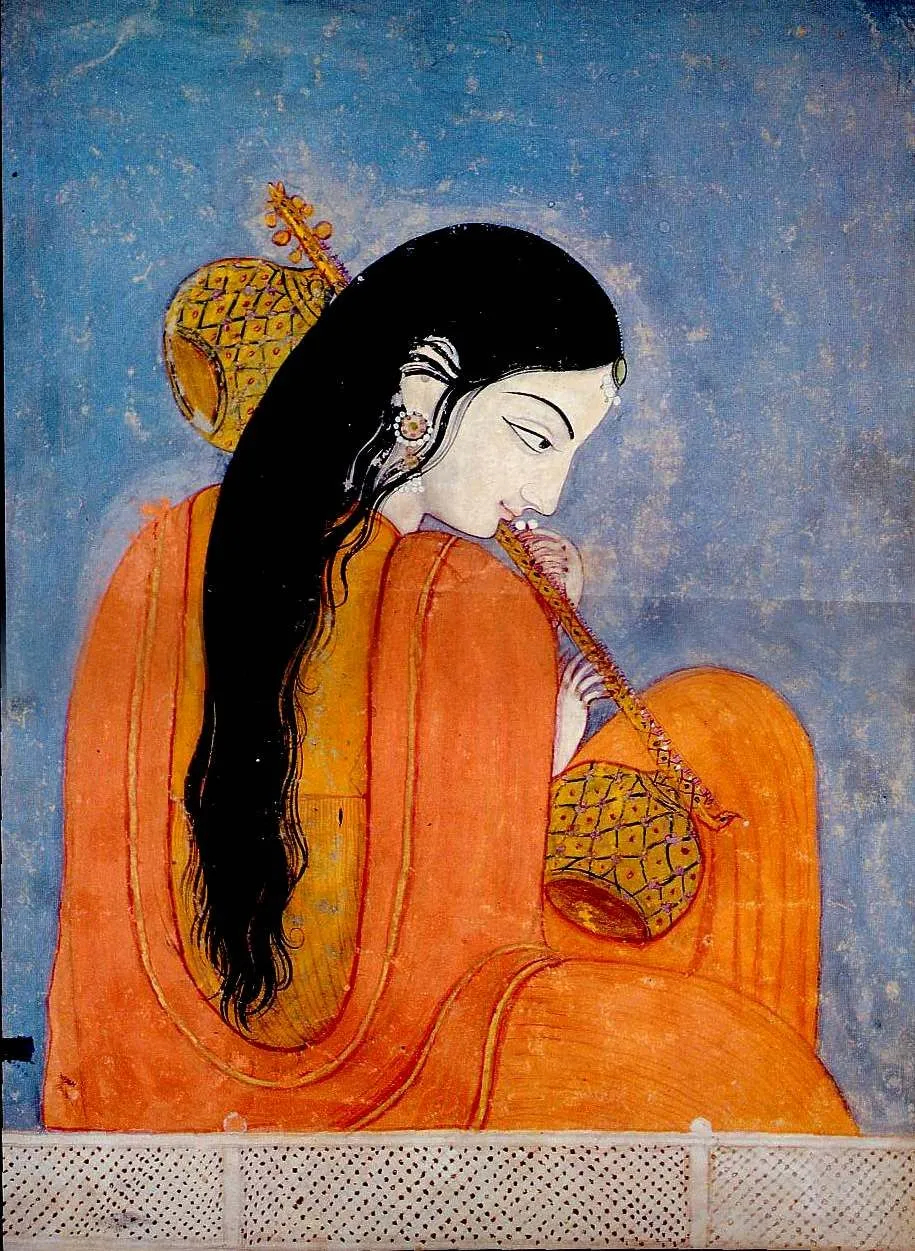
Mirabai
 (मीराबाई)
Legendary Rajput princess and supreme Bhakti poet-saint whose ecstatic bhajans to Lord Krishna defied royal patriarchy and caste taboos, inspiring millions across India.
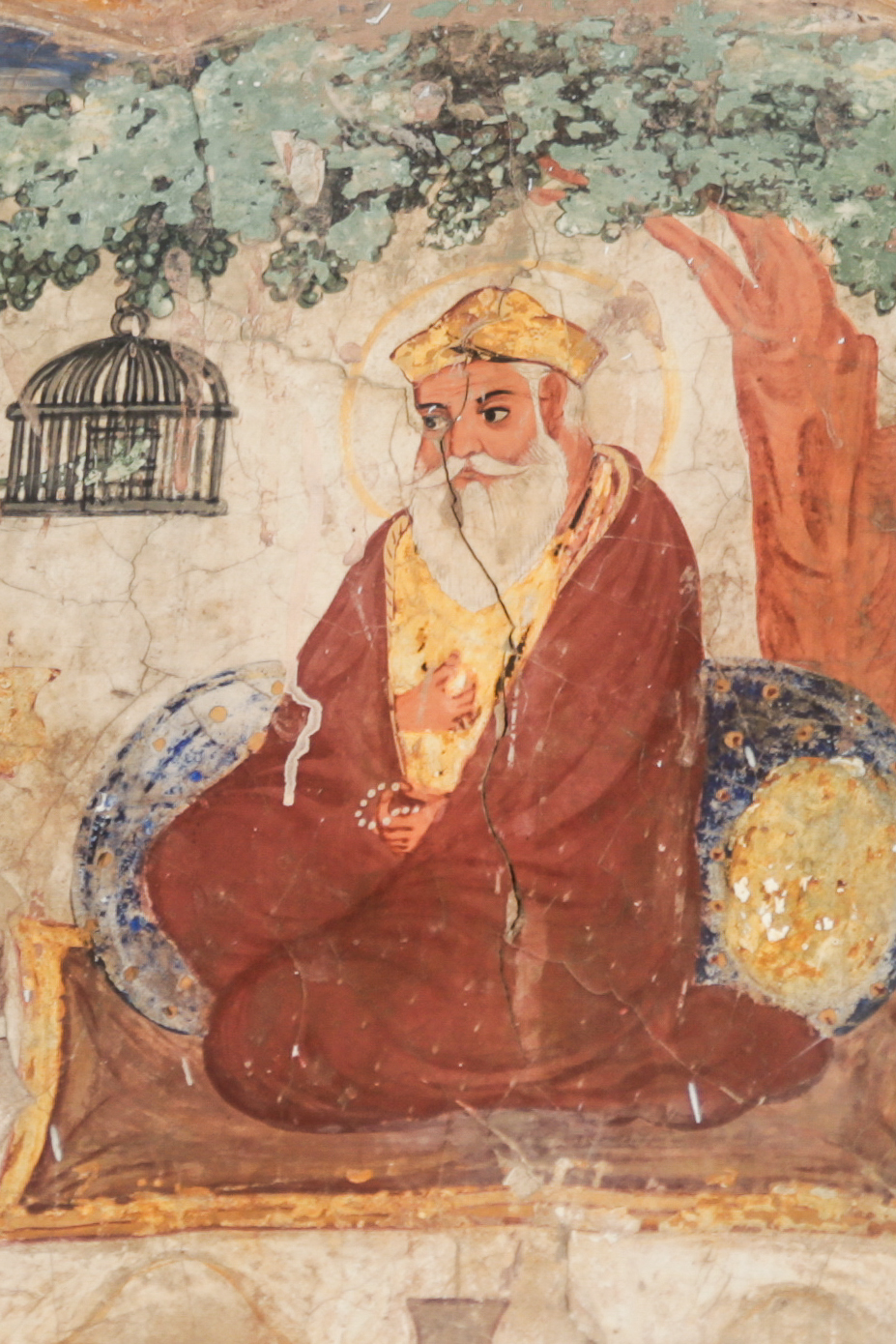
Guru Nanak
 (ਗੁਰੂ ਨਾਨਕ)
Founder of Sikhism and the first of the ten Sikh Gurus, who taught the oneness of God (Ik Onkar), equality of all human beings, and the institution of langar.
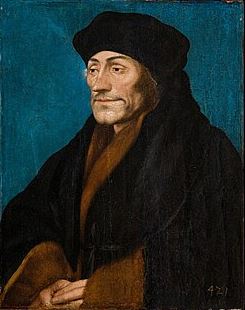
Desiderius Erasmus of Rotterdam
 (Desiderius Erasmus Roterodamus)
Leader of northern Christian humanism celebrated as the "Prince of the Humanists." Published the first printed Greek New Testament (Novum Instrumentum) and penned biting satires against clerical hypocrisy like Praise of Folly.
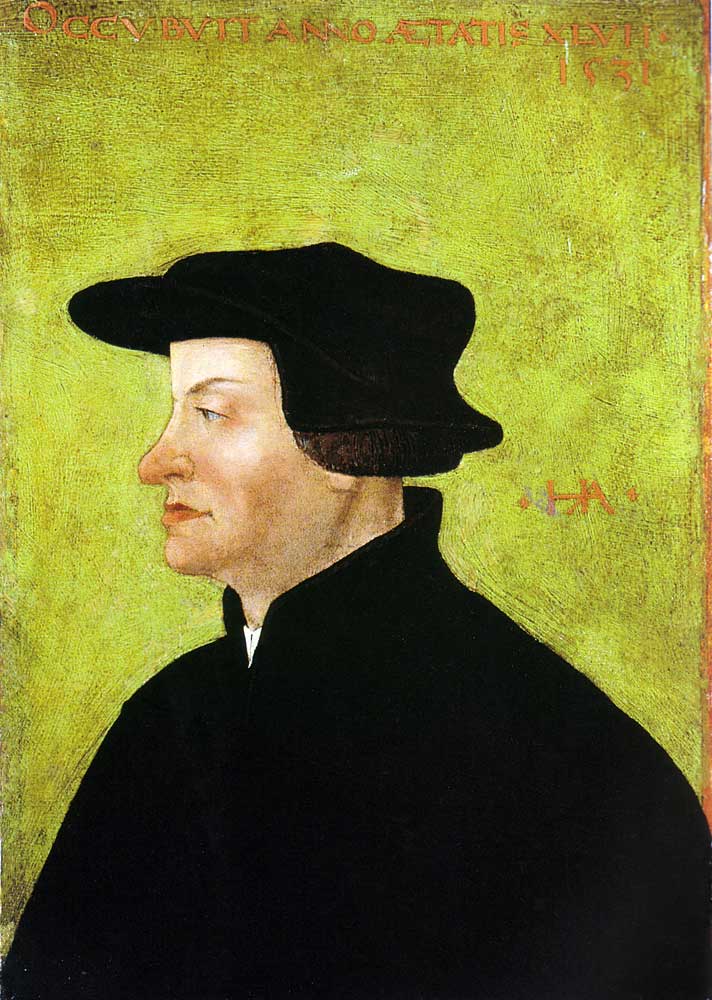
Huldrych Zwingli
 (Huldrych Zwingli)
Leader of the Reformation in Switzerland and pastor of the Grossmünster in Zurich who championed scripture as sole authority and viewed the Lord's Supper as a memorial.
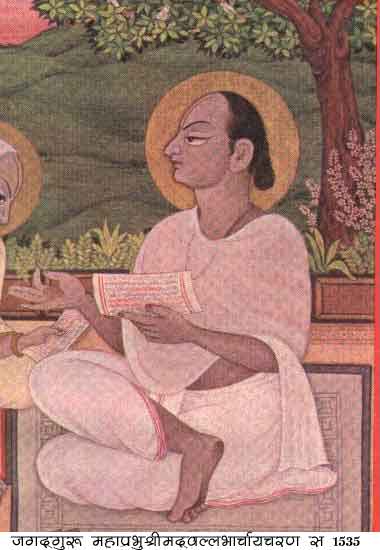
Vallabhacharya
(वल्लभाचार्य)
Indian devotional philosopher who founded the Shuddhadvaita (Pure Non-dualism) school of Vedanta and the Pushtimarg path of unconditional divine grace (Pushti).
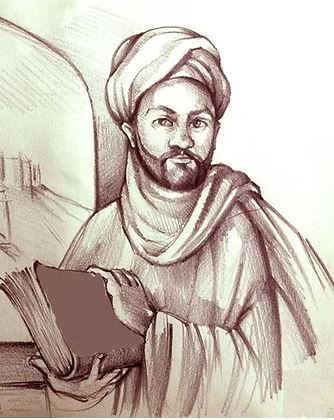
Sidi Abdallah al-Ghazwani
 (عبد الله الغزواني (مول القصور))
One of the Seven Saints of Marrakech, known as 'Moul El Ksour' (Master of the Palaces), who succeeded Sidi Abd al-Aziz al-Tebba' as leader of the Jazuliyya order and predicted the rise of the Saadian dynasty.
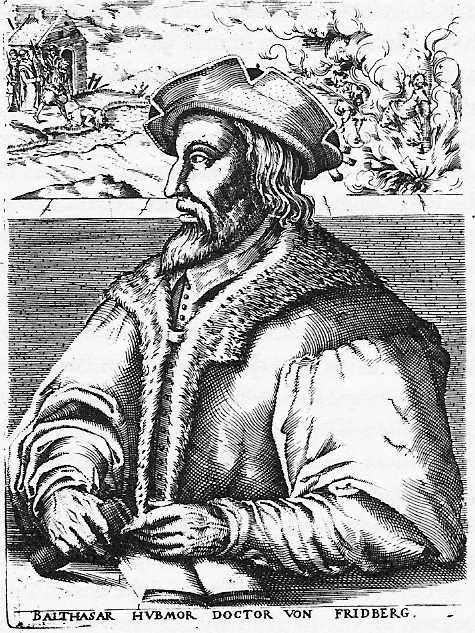
Balthasar Hubmaier
 (Balthasar Hubmaier)
Pivotal Anabaptist theologian and former Catholic university rector who established believer's baptism in Waldshut and Nikolsburg and defended religious freedom in 'Heretics and Those Who Burn Them'.
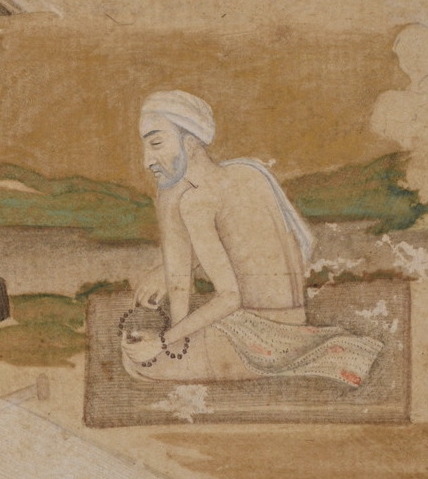
Ravidas
(रविदास)
Eminent Bhakti saint, leather-worker (Chamar), and social emancipator who envisioned 'Begumpura' (a sorrowless utopian city of equality) and contributed 41 hymns to the Guru Granth Sahib.
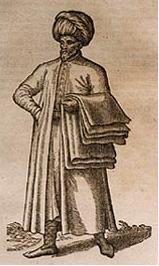
Isaac ben Judah Abravanel
 (יצחק אברבנאל)
Statesman, royal treasurer to Ferdinand and Isabella, and prolific biblical commentator who led Spanish Jews in the Expulsion of 1492 and authored messianic treatises.
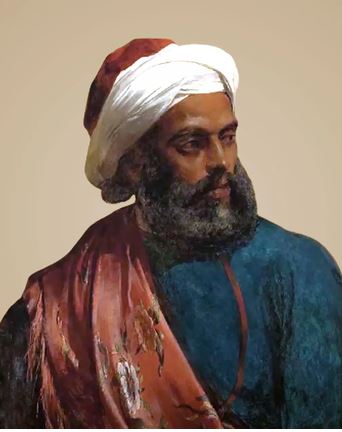
Jalal al-Din al-Suyuti (جلال الدين السيوطي)
Extraordinary Egyptian polymath and mujaddid who authored over 500 treatises spanning Quranic sciences, Hadith, grammar, and law, including 'Tafsir al-Jalalayn' and 'Al-Itqan'.
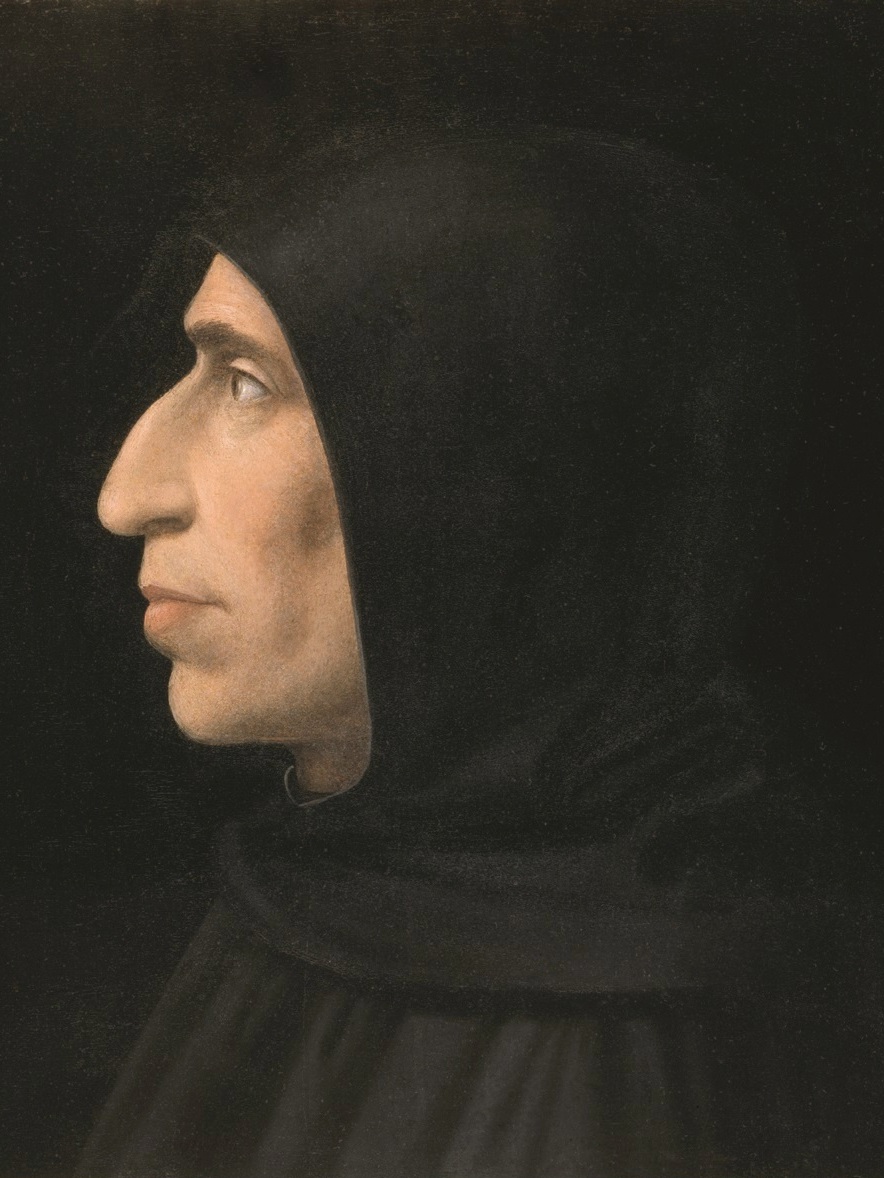
Girolamo Savonarola
 (Girolamo Savonarola)
Dominican friar and fiery reformer who led the Florentine Republic, organized the 'Bonfire of the Vanities', and fearlessly denounced the corruption of Borgia Pope Alexander VI.
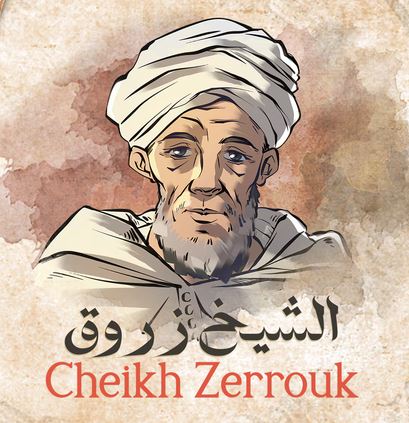
Ahmad al-Zarruq
(أحمد زروق الفاسي)
Moroccan-born Islamic scholar and Shadhili Sufi reformer who reconciled exoteric jurisprudence with esoteric mysticism in his classic 'Qawa'id al-Tasawwuf', buried in Misrata, Libya.
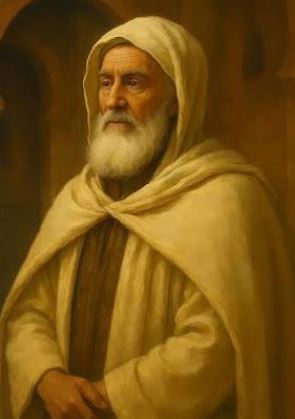
Sidi Abderrahmane et-Thaâlibi
 (عبد الرحمن الثعالبي)
Eminent Algerian Quranic commentator, Maliki jurist, and Sufi saint who authored the celebrated exegesis 'Al-Jawahir al-Hisan' and is venerated as the patron saint and spiritual protector of Algiers.
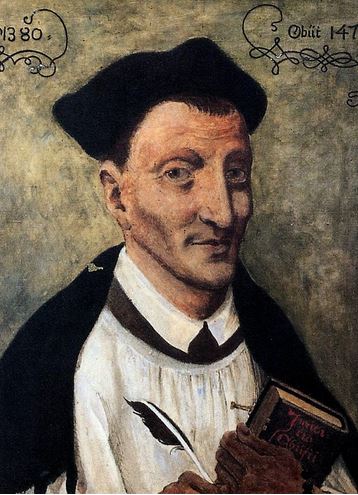
Thomas Hemerken (Thomas a Kempis)
Dutch-German monk of the Devotio Moderna movement and author of 'The Imitation of Christ', the most widely translated Christian devotional book in history after the Bible.
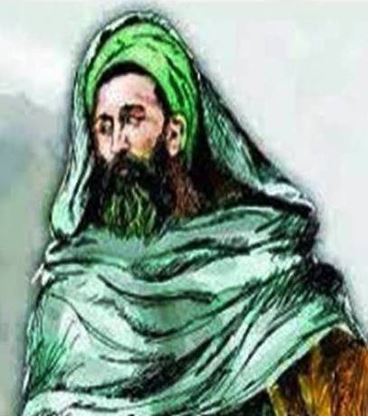
Imam al-Jazuli
(محمد بن سليمان الجزولي)
Sanhaja Berber Sufi master who authored 'Dala'il al-Khayrat', the most celebrated prayer book in Islamic history, and mobilized national resistance against Portuguese coastal incursions in Morocco.
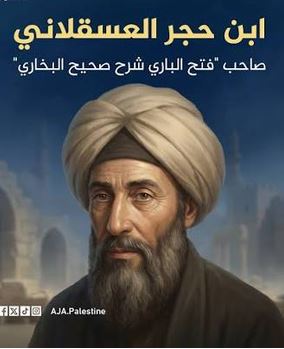
Ahmad ibn Ali Ibn Hajar (ابن حجر العسقلاني)
Supreme Hadith scholar of late medieval Islam, Chief Shafi'i Judge of Egypt, and author of 'Fath al-Bari', the peerless commentary on Sahih al-Bukhari.
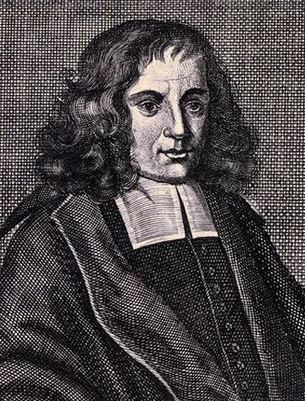
Joseph Albo (יוסף אלבו)
Aragonese Jewish philosopher and apologist whose 'Book of Principles' (Sefer Ha-Ikkarim) distilled Jewish dogmatic theology into three essential fundamentals.
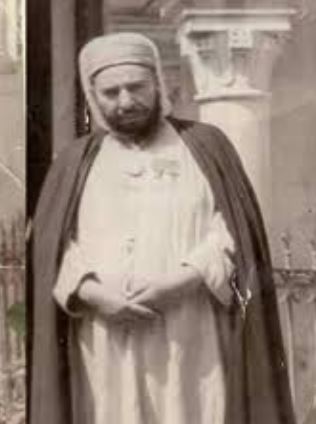
Mohamed ibn Omar al-Houari
(محمد بن عمر الهواري)
Venerated Algerian Islamic scholar, ascetic, and saint from the Houara Berber tribe who taught in Tlemcen and Fez before settling in Oran, becoming the eternal patron saint of the city.