Public Figures & Cultural Luminaries
Filterable archive covering centuries of intellectual, artistic, and moral contributions to the human story.
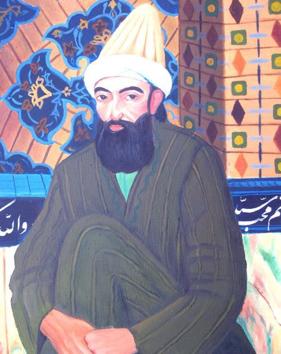
Sayyid Nur al-Din Nematollah Vali
 (شاه نعمتالله ولی)
Revered Persian Sufi master, poet, and founder of the Nimatullahi order who spent decades traveling through Mecca, Samarkand, and Herat before creating a vibrant center in Mahan.
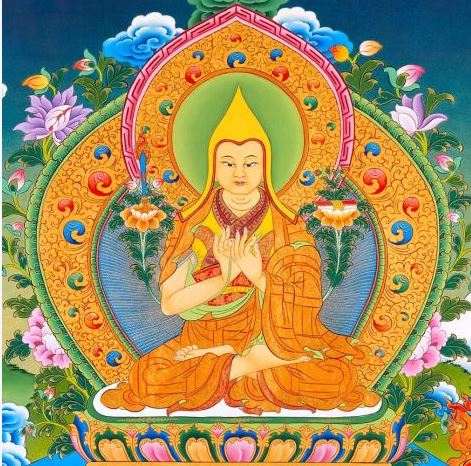
Je Tsongkhapa Lobsang Drakpa
 (རྗེ་ཙོང་ཁ་པ། (Rje Tsong-kha-pa))
Tibetan religious reformer, philosopher, and founder of the Gelug school—the tradition of the Dalai Lamas. Authored the Lamrim Chenmo (The Great Treatise on the Stages of the Path to Enlightenment), unifying monastic discipline and Madhyamaka logic.
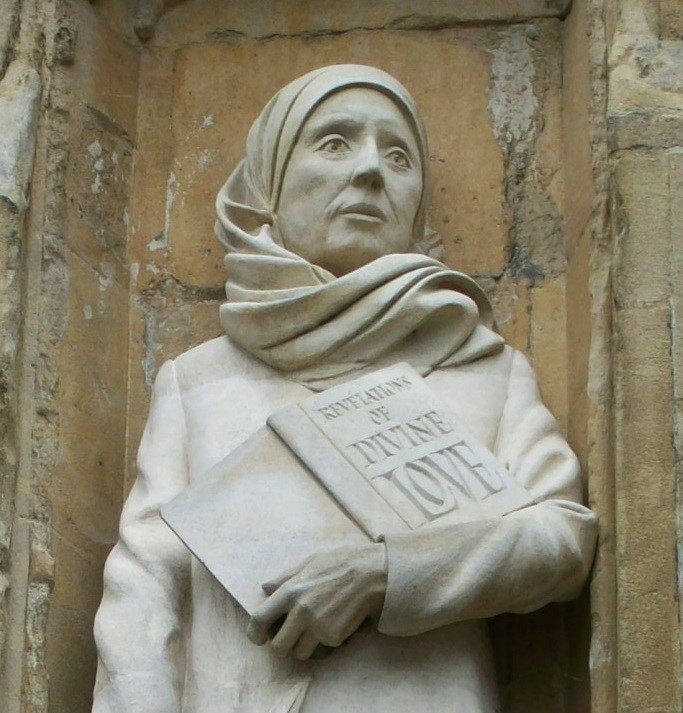
Julian of Norwich
 (Julian of Norwich)
English anchoress and mystic whose 'Revelations of Divine Love' is the earliest surviving English book authored by a woman, immortal for her vision that 'all shall be well'.
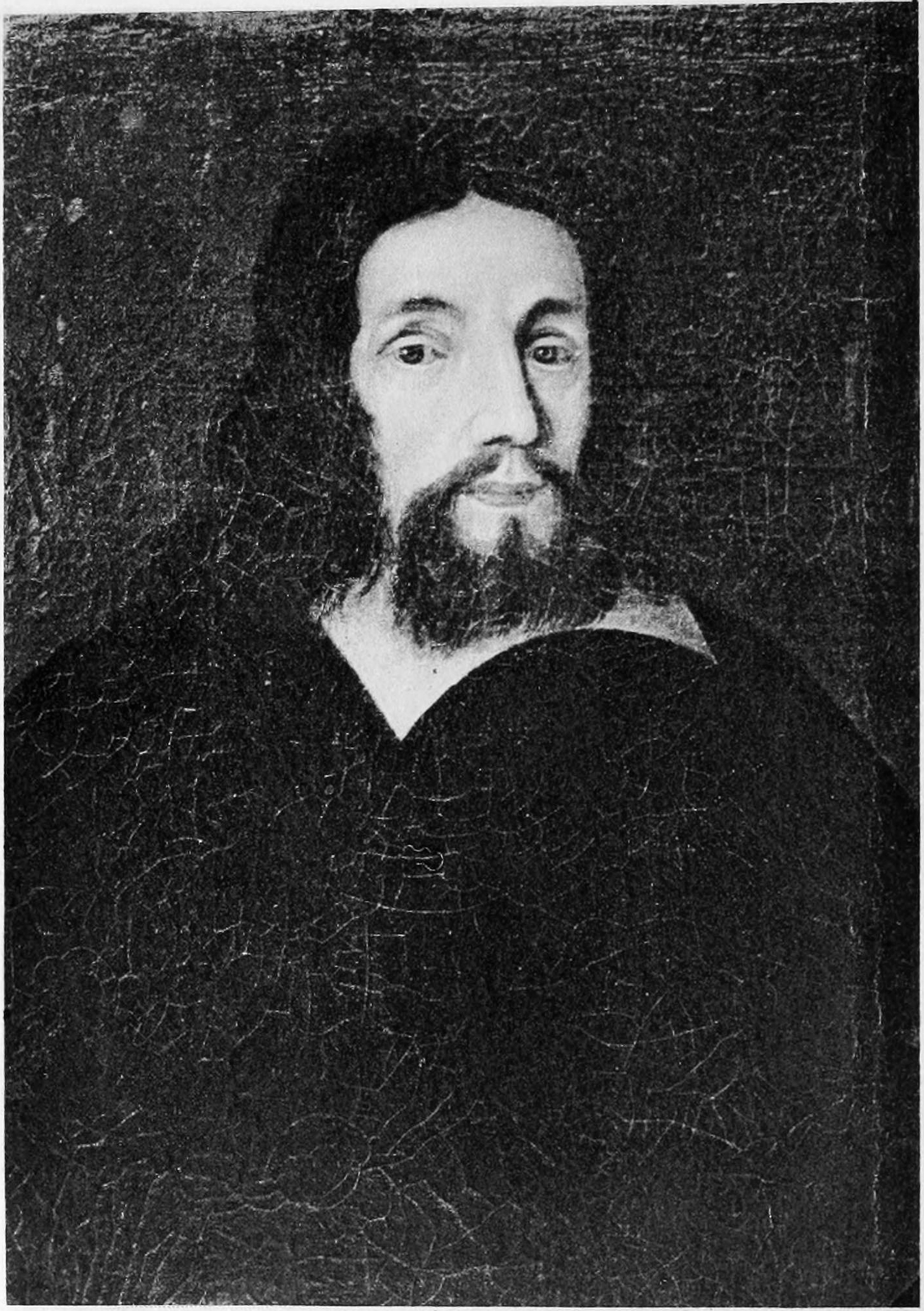
Jan Hus
 (Jan Hus)
Bohemian religious reformer, rector of Prague University, and martyr whose vernacular Czech preaching against indulgences ignited the Hussite movement and inspired Martin Luther.
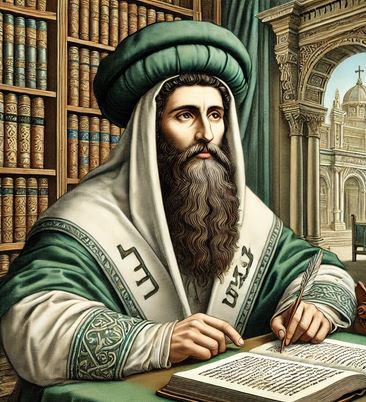
Hasdai ben Abraham Crescas (חסדאי קרשקש)
Catalan philosopher and leader of Spanish Jewry whose treatise 'Light of the Lord' (Or Adonai) critiqued Aristotelian physics and championed divine love and free will.
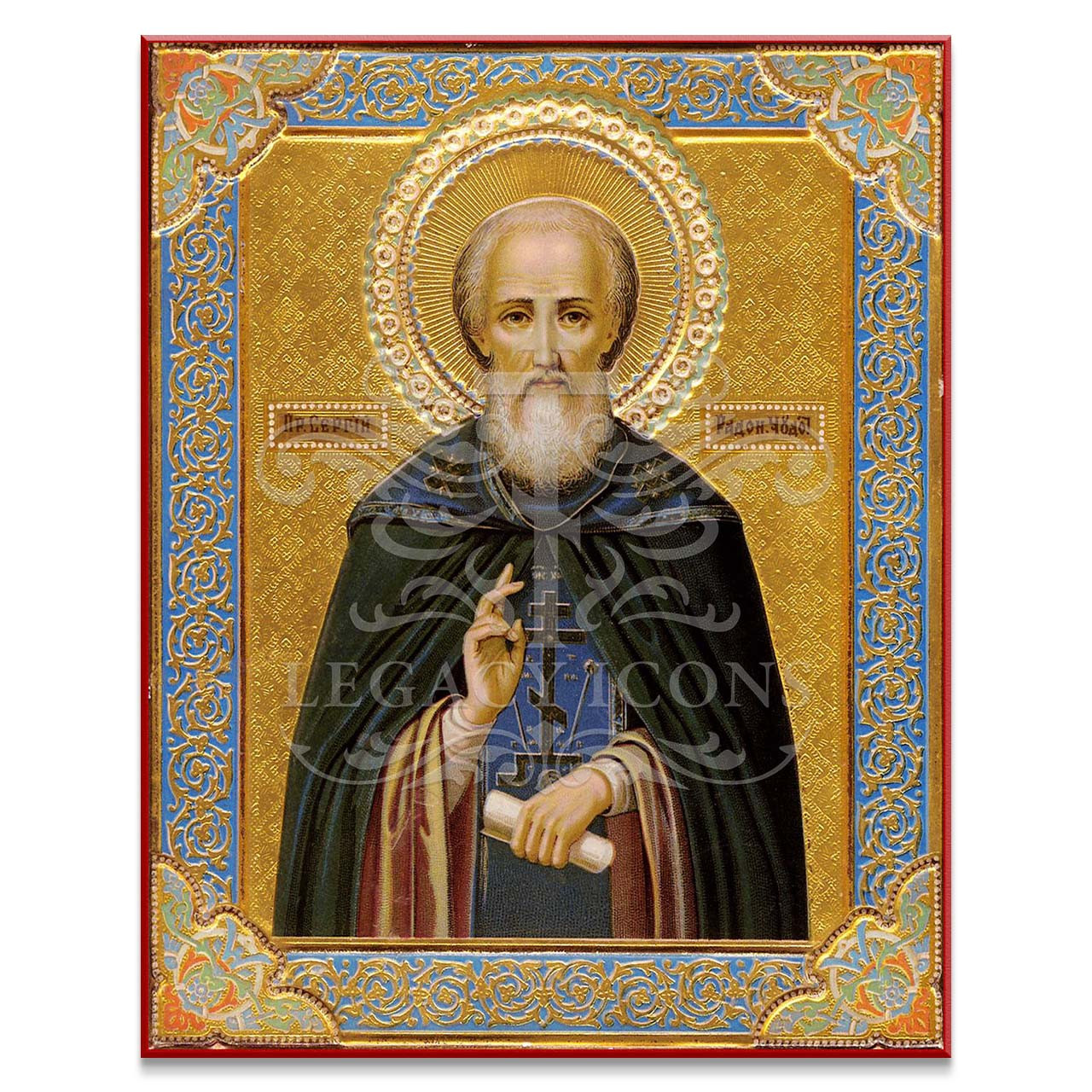
Sergius of Radonezh
 (Сергий Радонежский)
Spiritual father of medieval Russia who founded the Trinity Lavra of Saint Sergius and blessed Prince Dmitry Donskoy before the historic Battle of Kulikovo.
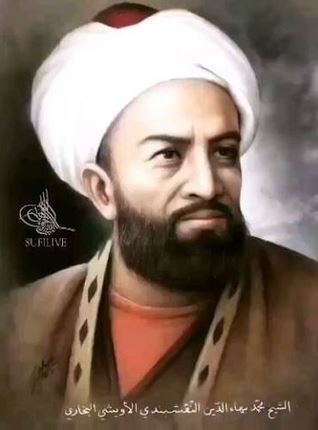
Muhammad Bahauddin Shah Naqshband (بهاء الدين نقشبند)
Founder of the Naqshbandi Sufi order whose golden principle 'Dil ba yar, dast ba kar' (Heart with God, hand in labor) established silent dhikr and active societal engagement across Eurasia.
Abu Ishaq Ibrahim al-Shatibi (إبراهيم بن موسى الشاطبي)
Andalusian legal philosopher whose groundbreaking work 'Al-Muwafaqat' founded the science of Maqasid al-Shariah (higher objectives of Islamic law), emphasizing universal human welfare.
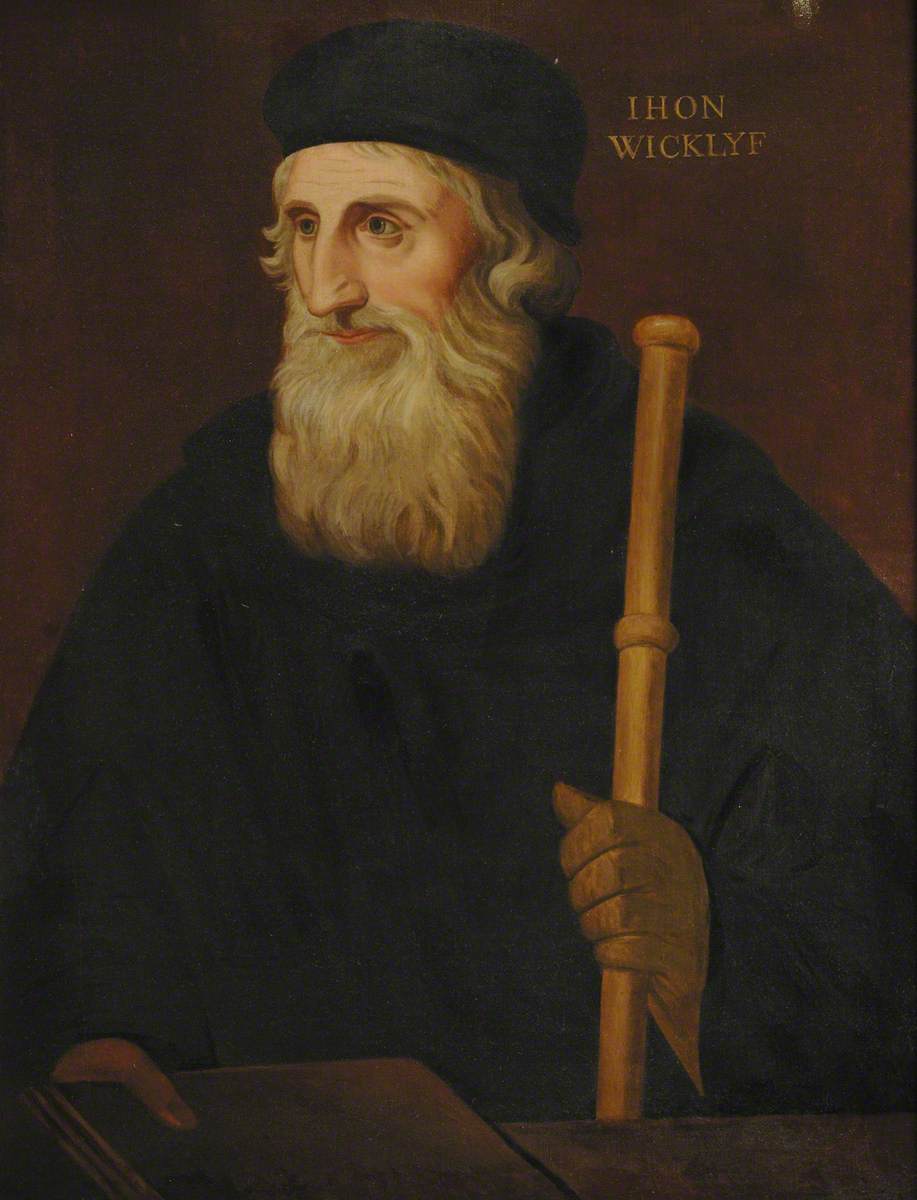
John Wycliffe
(John Wycliffe)
Oxford scholastic philosopher, theologian, and biblical translator hailed as the 'Morning Star of the Reformation' who produced the first complete English translation of the Bible.
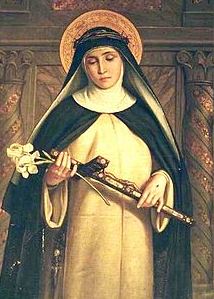
Caterina Benincasa (Caterina da Siena)
Dominican tertiary, mystic, and Doctor of the Church who boldly persuaded Pope Gregory XI to return to Rome from Avignon and authored 'The Dialogue of Divine Providence'.
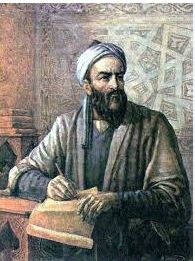
Ismail ibn Umar Ibn Kathir (ابن كثير)
Illustrious Syrian scholar, historian, and student of Ibn Taymiyyah whose 'Tafsir Ibn Kathir' and historical chronicle 'Al-Bidayah wa al-Nihayah' are among the most studied in Islam.
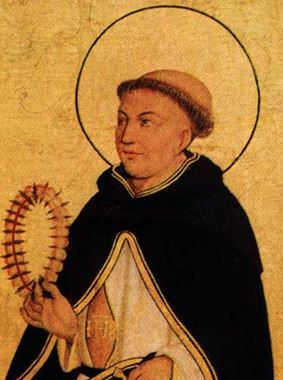
Heinrich Seuse (Heinrich Seuse)
Rhineland Dominican mystic and poet of Eternal Wisdom whose 'Little Book of Eternal Wisdom' was the most widely read devotional manual in Europe before the Imitation of Christ.
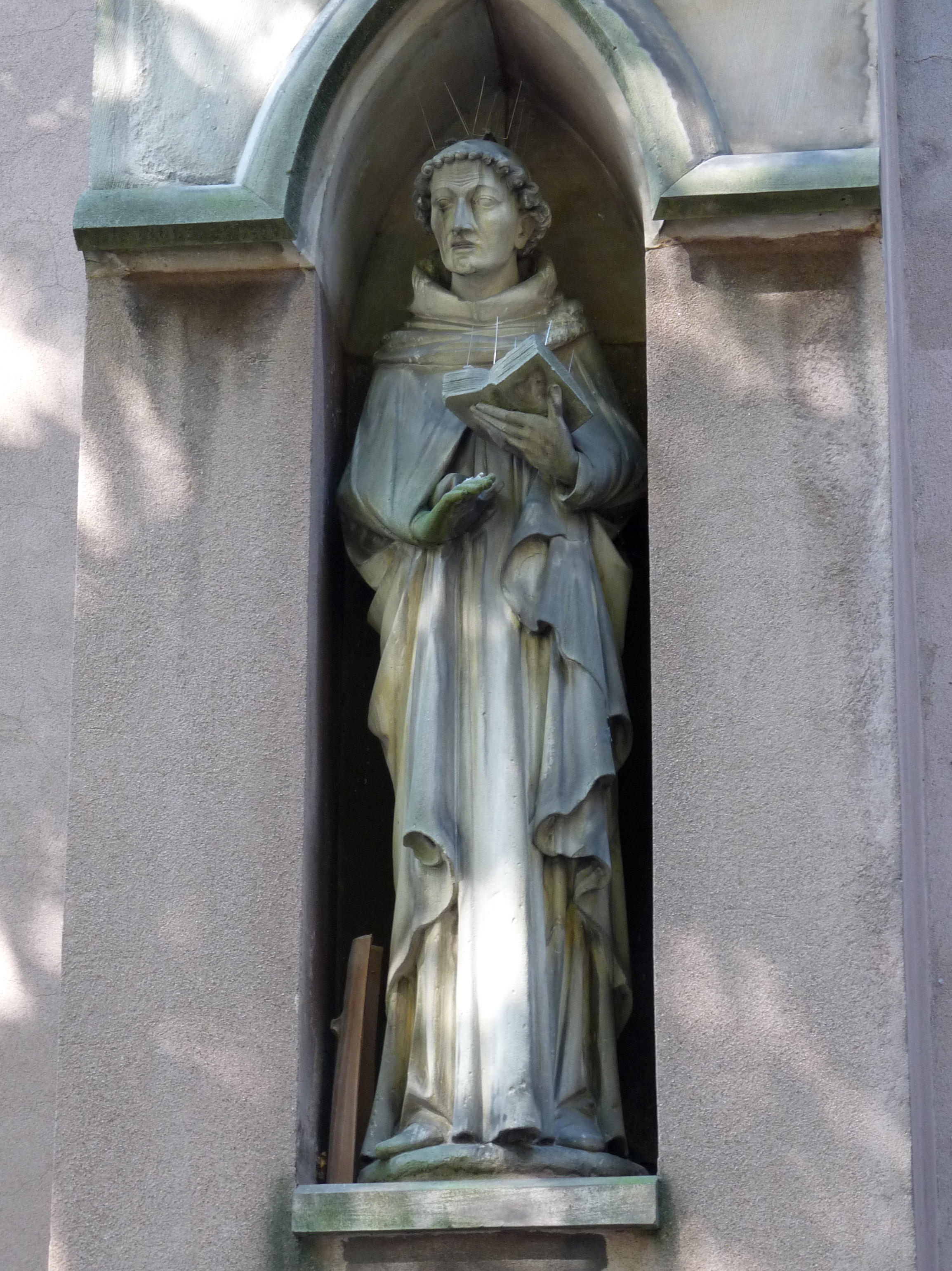
Johannes Tauler
 (Johannes Tauler)
Rhineland mystic, Dominican friar, and supreme preacher of the 'Friends of God' whose vernacular sermons inspired Martin Luther and guided souls during the Black Death.
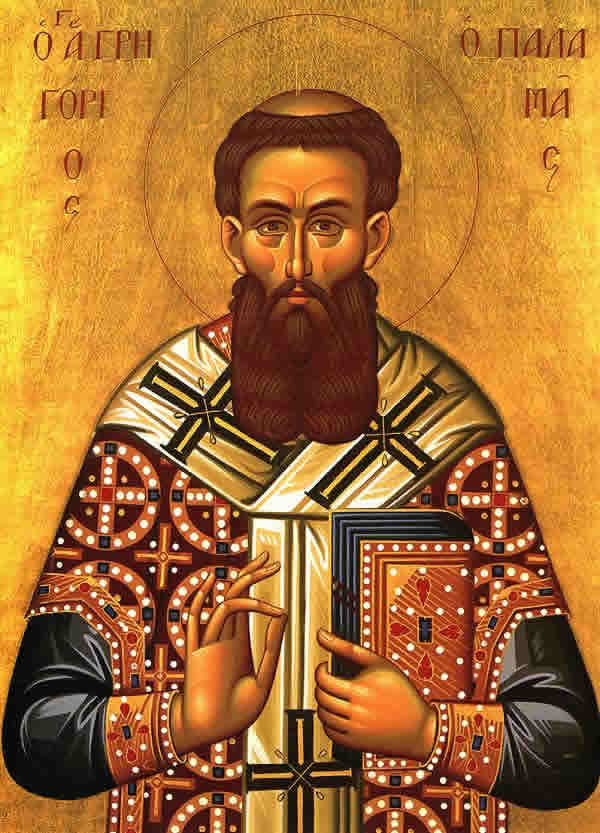
Gregory Palamas
 (Γρηγόριος Παλαμᾶς)
Archbishop of Thessaloniki and foremost theologian of Hesychasm who articulated the distinction between God's unknowable divine essence and uncreated divine energies.
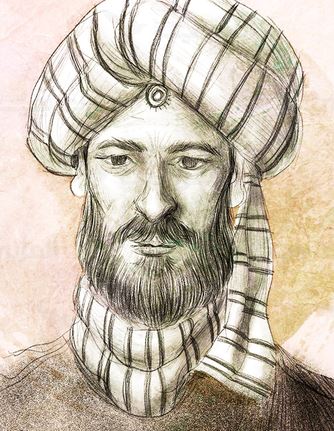
Muhammad ibn Abi Bakr Ibn Qayyim al-Jawziyya (ابن قيم الجوزية)
Prominent Hanbali theologian, jurist, and spiritual psychologist whose masterworks 'Madarij al-Salikin' and 'Zad al-Ma'ad' beautifully united legal rigor with profound heart-centered devotion.
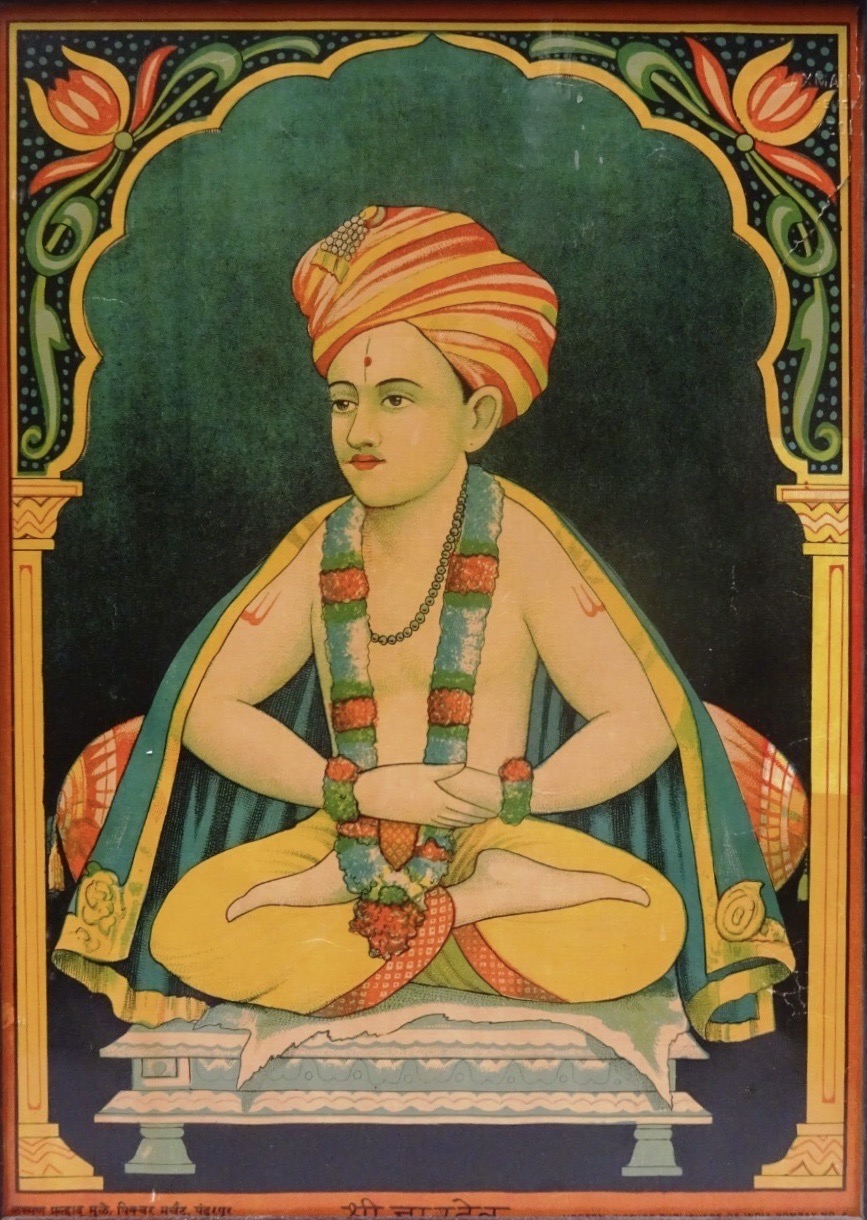
Namdev
 (नामदेव)
Pioneering Varkari Bhakti poet who journeyed across India with Dnyaneshwar, composed verses included in the Sikh Guru Granth Sahib, and preached universal brotherhood.
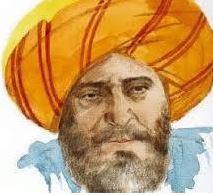
Muhammad ibn Ahmad al-Dhahabi (شمس الدين الذهبي)
Syrian master Hadith critic and supreme biographer whose 25-volume 'Siyar A'lam al-Nubala' and 'Tarikh al-Islam' comprise the most comprehensive biographical archive of Islamic civilization.
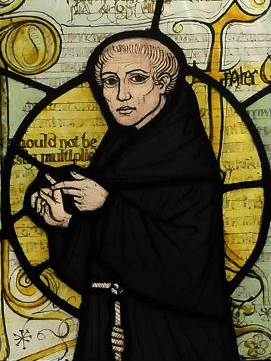
William of Ockham
(Guillelmus de Ockham)
English Franciscan philosopher and pioneer of nominalism whose methodological principle ('Ockham's Razor') and political treatises on the separation of church and state founded modern thought.