Public Figures & Cultural Luminaries
Filterable archive covering centuries of intellectual, artistic, and moral contributions to the human story.
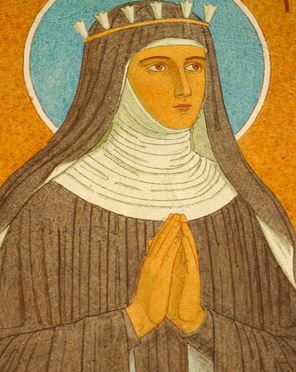
Hildegard of Bingen (Sibyl of the Rhine)
 (Hildegard von Bingen)
Twelfth-century visionary abbess, composer, naturalist, and Doctor of the Church. Authored Scivias detailing luminous cosmic revelations, composed transcendent liturgical music, and articulated the theology of Viriditas (divine greening power).
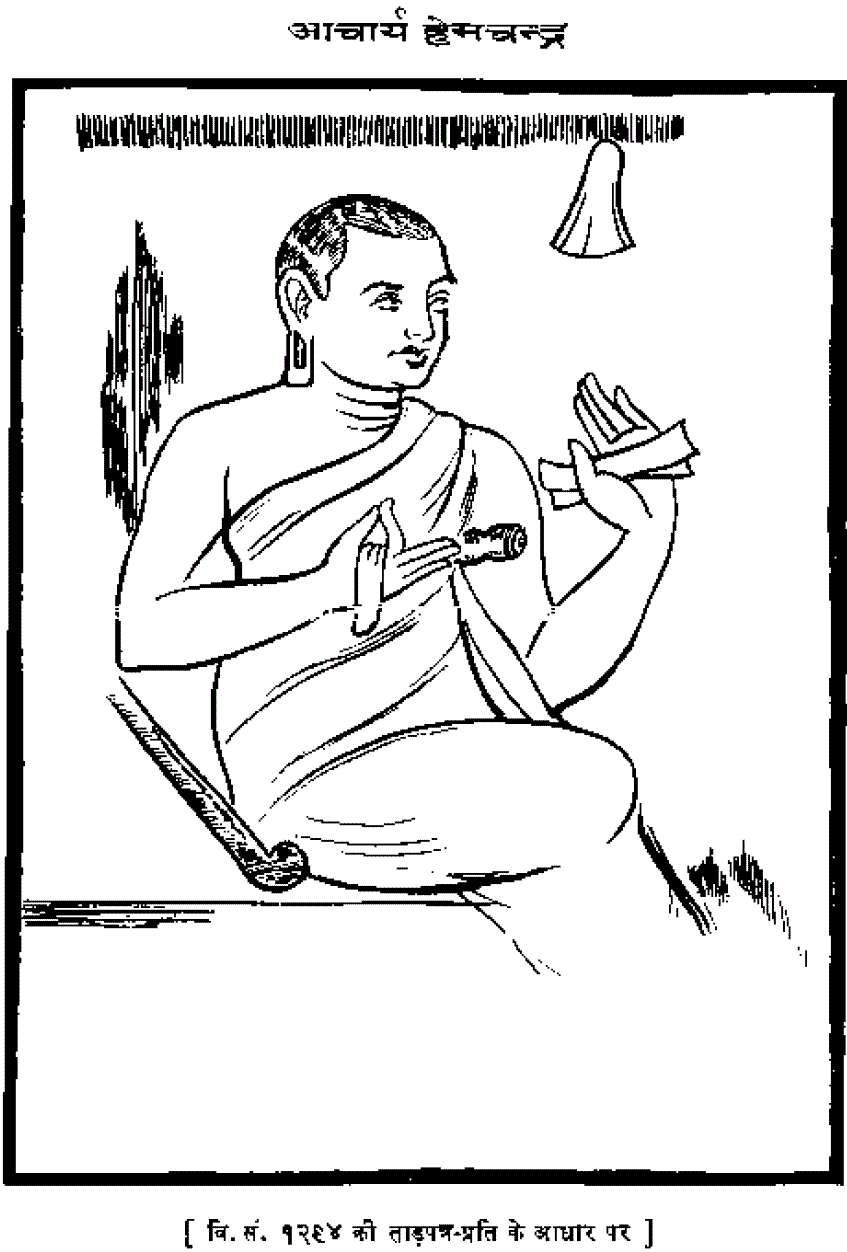
Acharya Hemachandra
 (हेमचन्द्र)
Jain polymath, grammarian, and royal counselor who converted King Kumarapala of Gujarat, establishing animal protection laws and authoring encyclopedic works on grammar and philosophy.
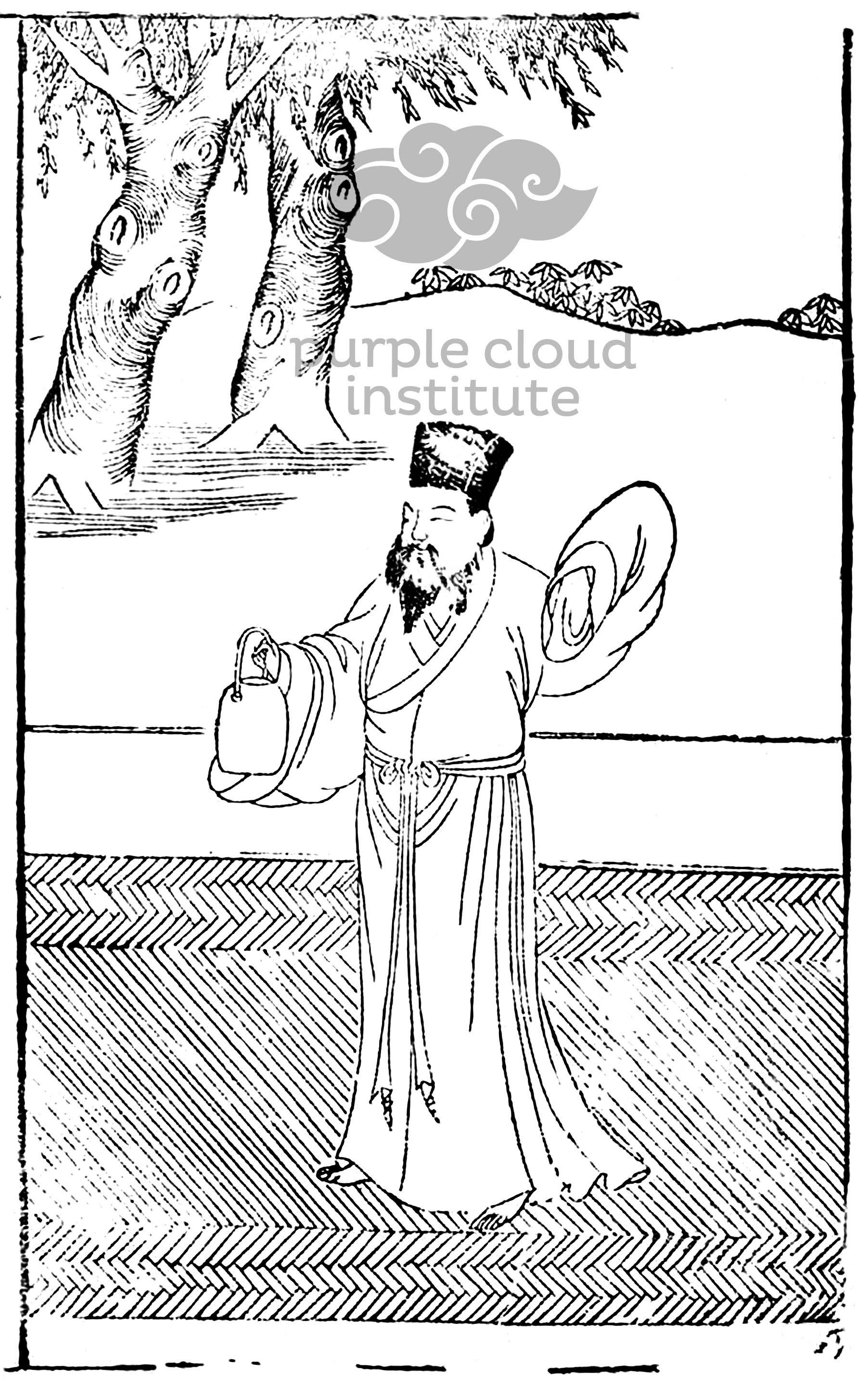
Wang Chongyang
 (王重陽)
(王重陽)
Founder of Quanzhen (Complete Perfection) Daoism who synthesized Buddhism, Daoism, and Confucianism and trained the legendary 'Seven Immortals of the North'.
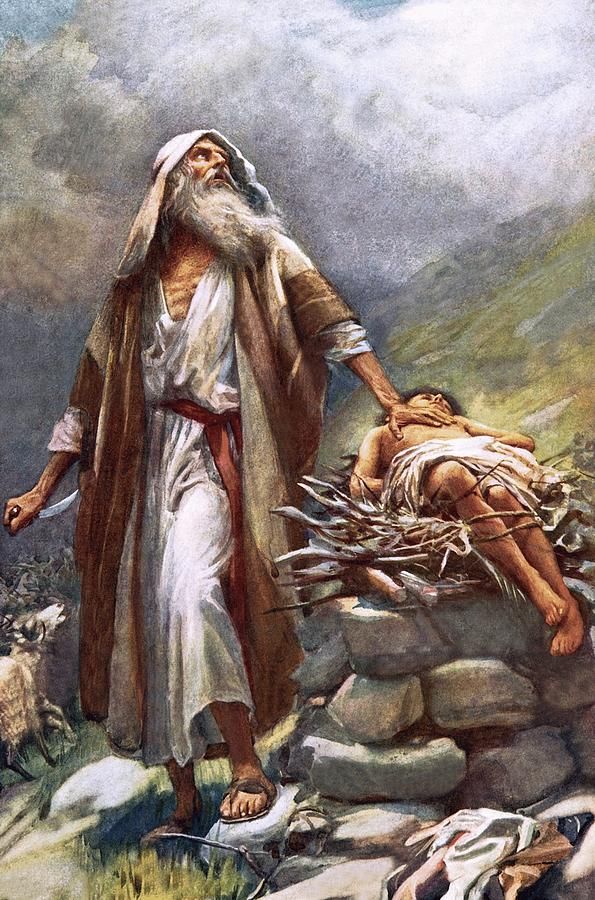
Abraham ben Meir ibn Ezra
 (אברהם אבן עזרא)
Brilliant Andalusian polymath, poet, astronomer, and biblical commentator whose critical grammatical methodology shaped medieval Torah interpretation.
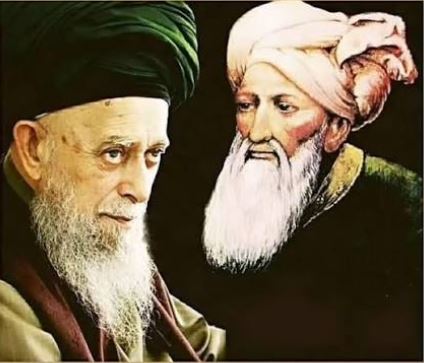
Abdul Qadir Gilani (Ghawth al-Azam)
 (عبد القادر الجيلاني)
Celebrated across the Islamic world as "Ghawth al-Azam" (The Greatest Succor). Hanbali jurist and master preacher whose spiritual assembly in Baghdad founded the Qadiriyya—the earliest worldwide Sufi fraternal order.
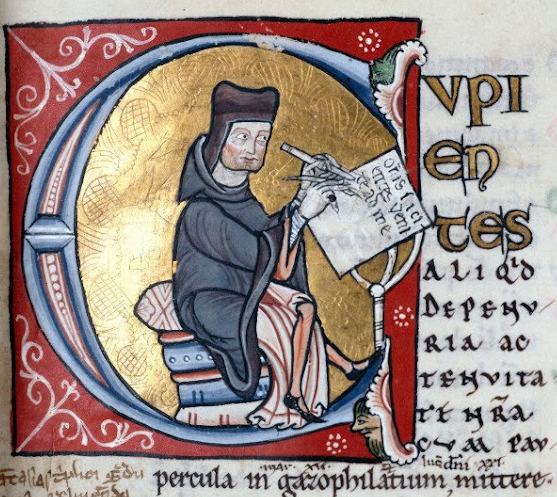
Peter Lombard
 (Petrus Lombardus)
Bishop of Paris whose 'Four Books of Sentences' served as the universal university textbook of theology for four hundred years, commented upon by Aquinas, Bonaventure, and Luther.
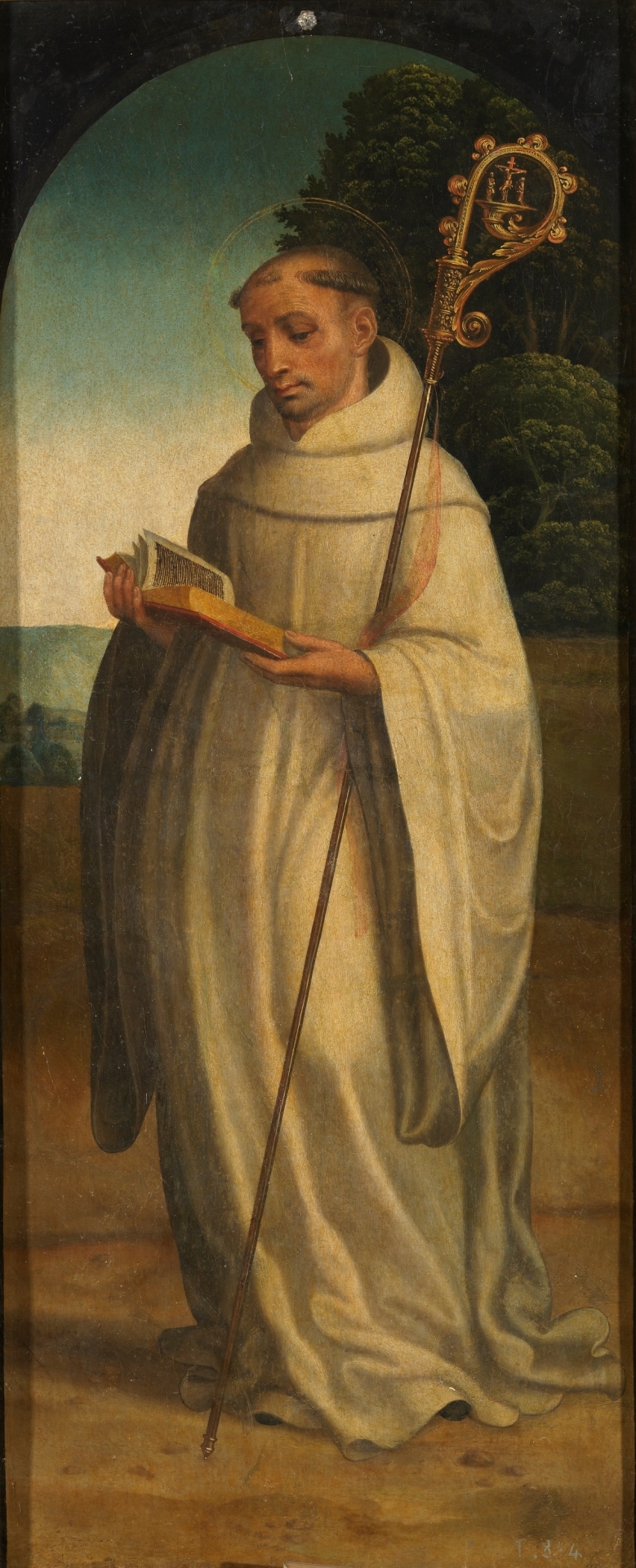
Bernard of Clairvaux
 (Bernardus Claraevallensis)
Cistercian abbot, mystic, and Doctor of the Church who sparked the massive expansion of the Cistercian Order, preached the Second Crusade, and wrote sublimely on the love of God.
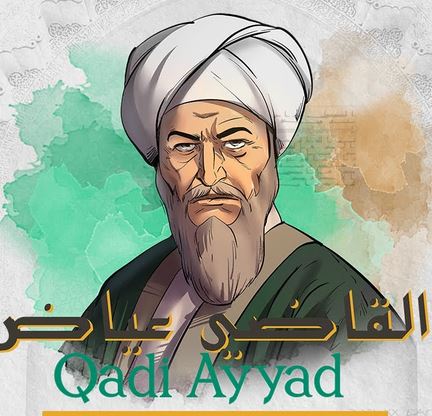
Al-Qadi Ayyad
(القاضي عياض بن موسى اليحصبي)
Preeminent Maliki jurist, traditionist, and historian who served as Grand Qadi of Ceuta and Granada, authored the world-famous devotion 'Ash-Shifa', and is venerated among the Seven Saints of Marrakech.
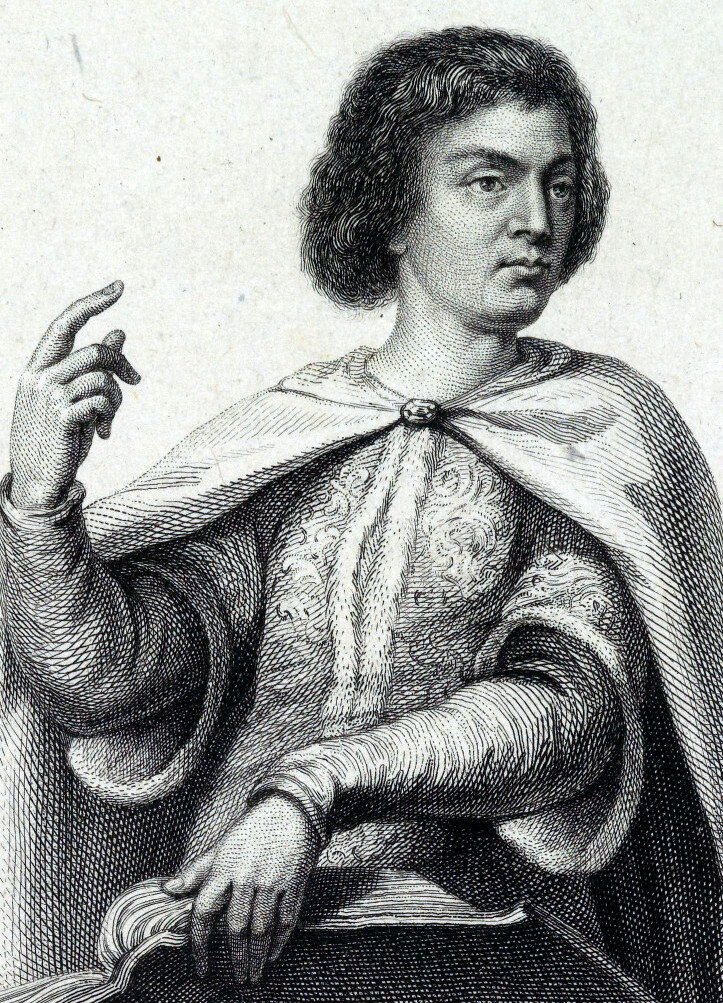
Peter Abelard
(Petrus Abaelardus)
Brilliant French scholastic philosopher and dialectician whose 'Sic et Non' pioneered scholastic methodology and who formulated the moral influence theory of the atonement.
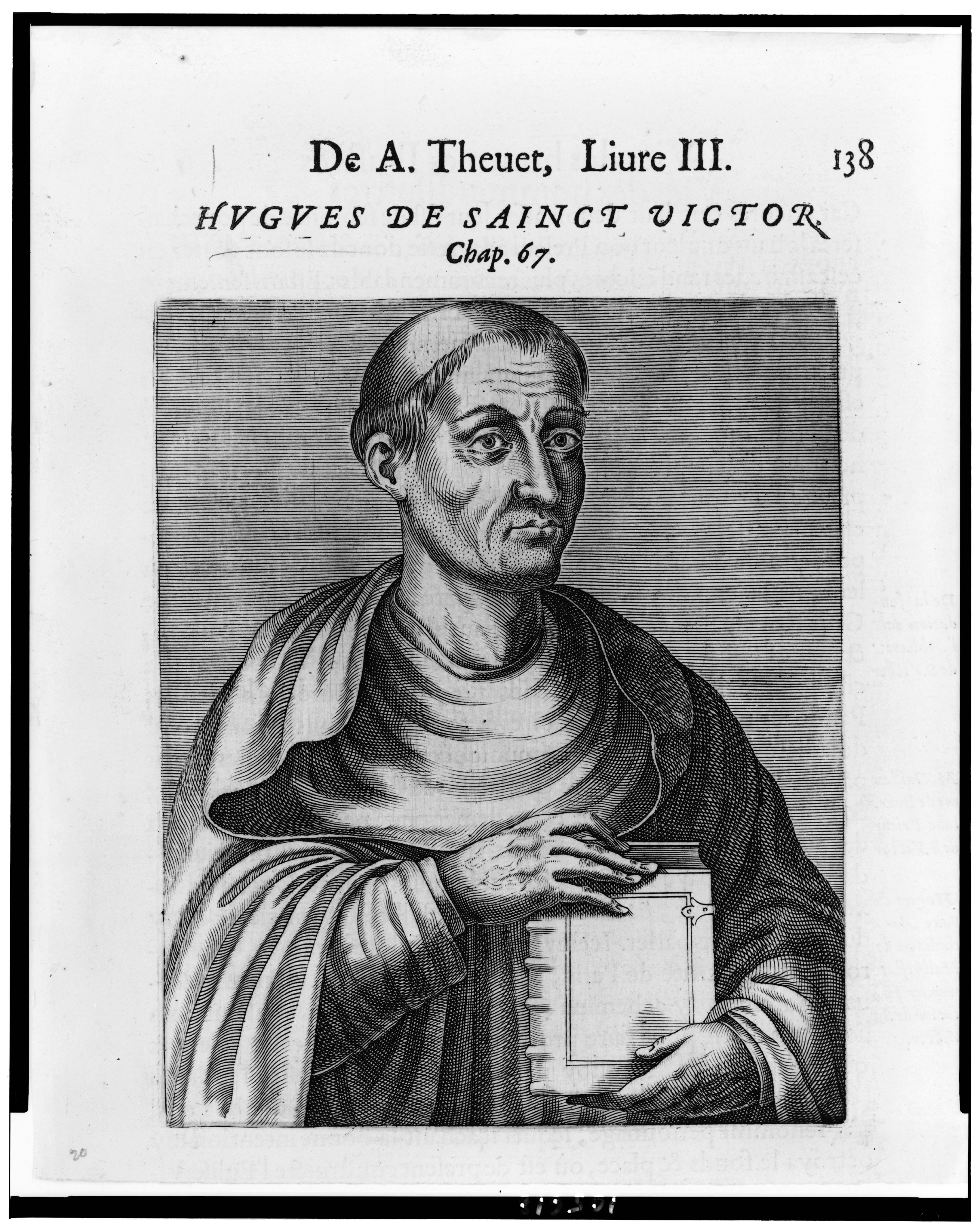
Hugh of Saint Victor
(Hugo de Sancto Victore)
Master of the Abbey of Saint Victor in Paris whose 'Didascalicon' integrated all secular arts with theology and who formulated the first medieval summa of sacramental theology.
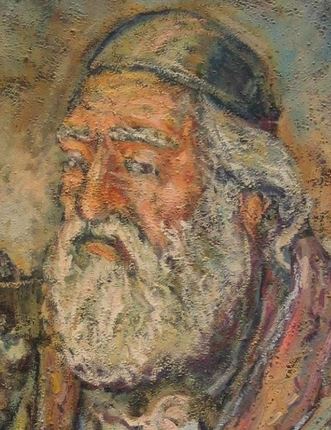
Judah Halevi (Author of the Kuzari)
(יהודה הלוי / يهوذا اللاوي)
Premier Hebrew poet of Muslim Spain and author of The Kuzari. His passionate poetic verses ("My heart is in the East, and I am at the ends of the West") expressed the deepest spiritual yearning of the Jewish diaspora for Jerusalem.
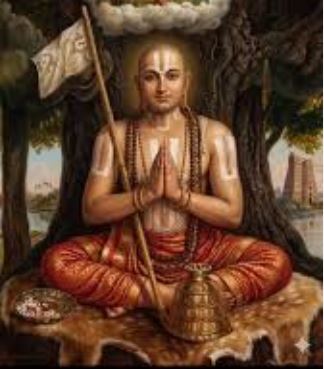
Sri Ramanujacharya (Acharya of Vishishtadvaita)
(रामानुजाचार्य (Rāmānujācārya))
Eleventh-century philosopher-theologian who formulated Vishishtadvaita (Qualified Non-Dualism). Challenged pure illusionism by proving that the universe and individual souls (Jivas) are the real body of the Supreme Lord (Narayana).
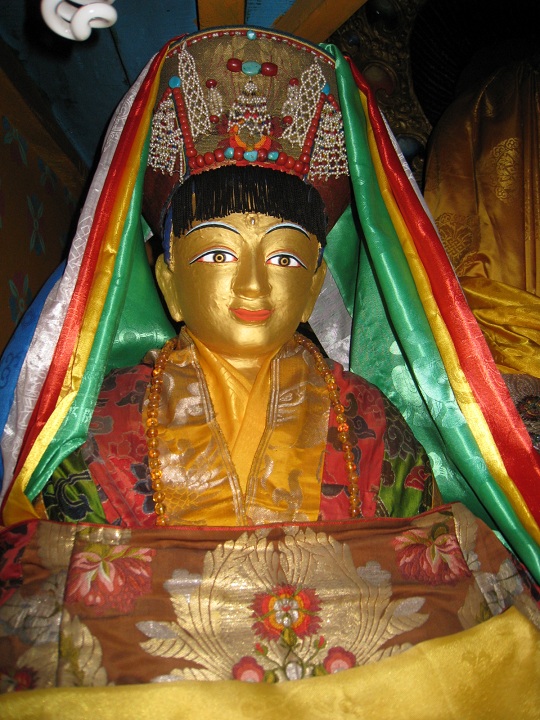
Jetsun Milarepa
(རྗེ་བཙུན་མི་ལ་རས་པ)
Tibet's supreme poet-saint and yogi who transformed from a remorseful practitioner of black magic into an enlightened master, singing 'The Hundred Thousand Songs of Milarepa'.
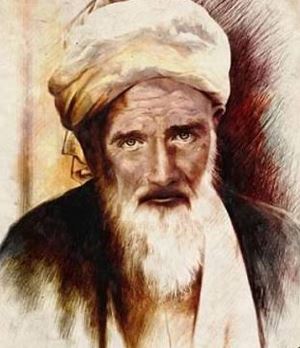
Abu al-Majd Majdud ibn Adam Sanai (سنایی غزنوی)
Pioneering Persian poet and mystic whose 'Hadiqat al-Haqiqa' (The Walled Garden of Truth) was the first major mystical masnavi, directly inspiring Attar and Rumi.
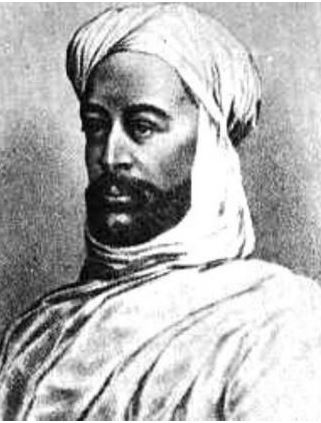
Al-Mahdi ibn Tumart
 (محمد بن تومرت (المهدي))
Masmuda Berber religious reformer who studied in Baghdad under Al-Ghazali, proclaimed himself the Mahdi, authored the theology of Tawhid (Divine Unity), and founded the Almohad revolution in Tinmel.
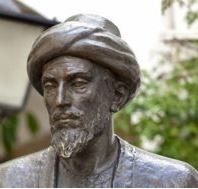
Bahya ben Joseph ibn Paquda
(בחיי אבן פקודה)
Andalusian Jewish philosopher and dayyan (rabbinic judge) who authored 'Duties of the Heart' (Al-Hidayah ila Fara'id al-Qulub), the foundational classic of Jewish ethics.
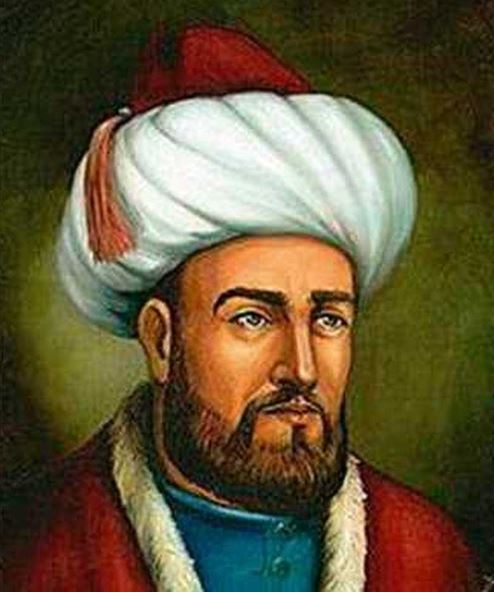
Abu Hamid Muhammad al-Ghazali (Hujjat al-Islam)
(أبو حامد محمد بن محمد الغزالي)
Pivotal Islamic thinker celebrated as "Proof of Islam" (Hujjat al-Islam). Revitalized religious sciences by synthesizing orthodox jurisprudence, theology, and Sufi mysticism in his masterpiece Ihya Ulum al-Din.
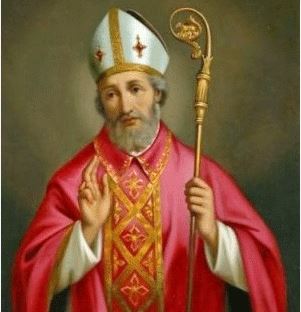
Anselm of Canterbury (Doctor Magnificus)
(Anselmus Cantuariensis)
Archbishop of Canterbury and founder of scholasticism famous for formulating the Ontological Argument for God's existence and the motto "Faith seeking understanding" (Fides quaerens intellectum).