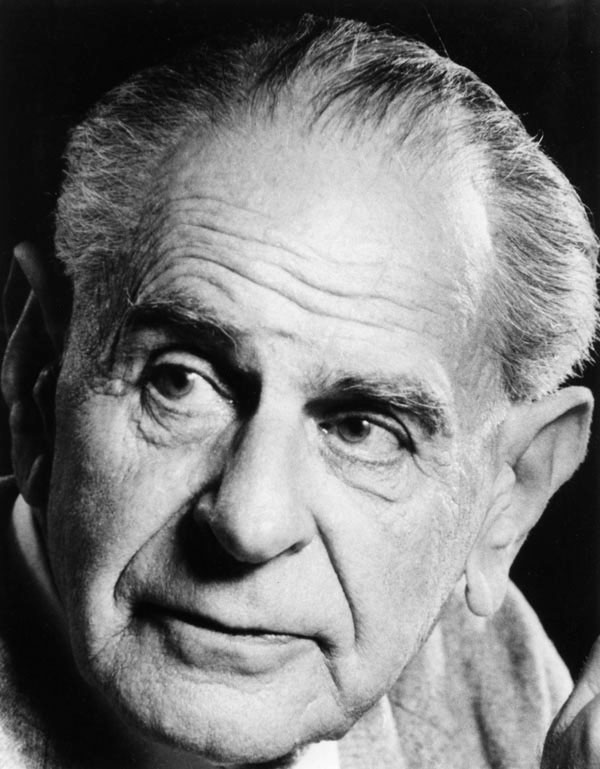
Karl Popper
Austrian-British philosopher who revolutionized the philosophy of science with the criterion of falsifiability in The Logic of Scientific Discovery and defended democracy in The Open Society and Its Enemies.
Start typing to search worldwide archives and community tributes
Honoring the luminaries whose passing on this day marked a transition into collective human remembrance.
Austrian-British philosopher who revolutionized the philosophy of science with the criterion of falsifiability in The Logic of Scientific Discovery and defended democracy in The Open Society and Its Enemies.
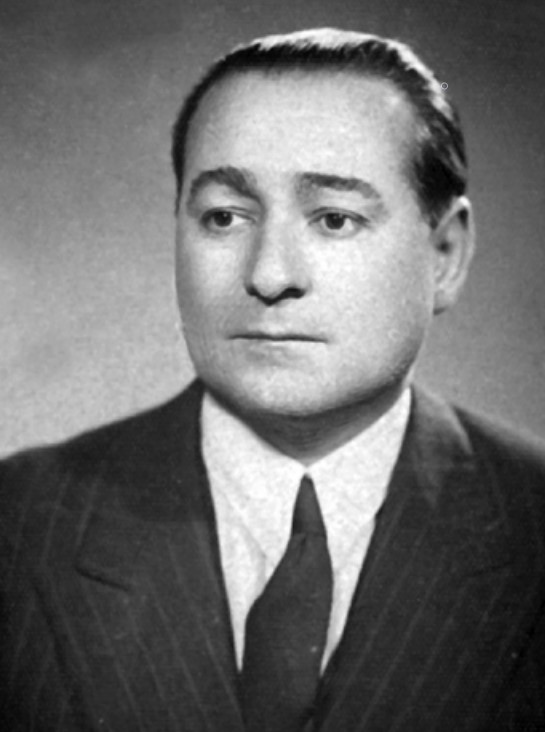
Ninth Prime Minister of Turkey (1950–1960) who ended twenty-seven years of one-party rule by founding the Democrat Party, mechanized Turkish agriculture with Marshall Plan tractors, built thousands of mosques, and brought Turkey into NATO.
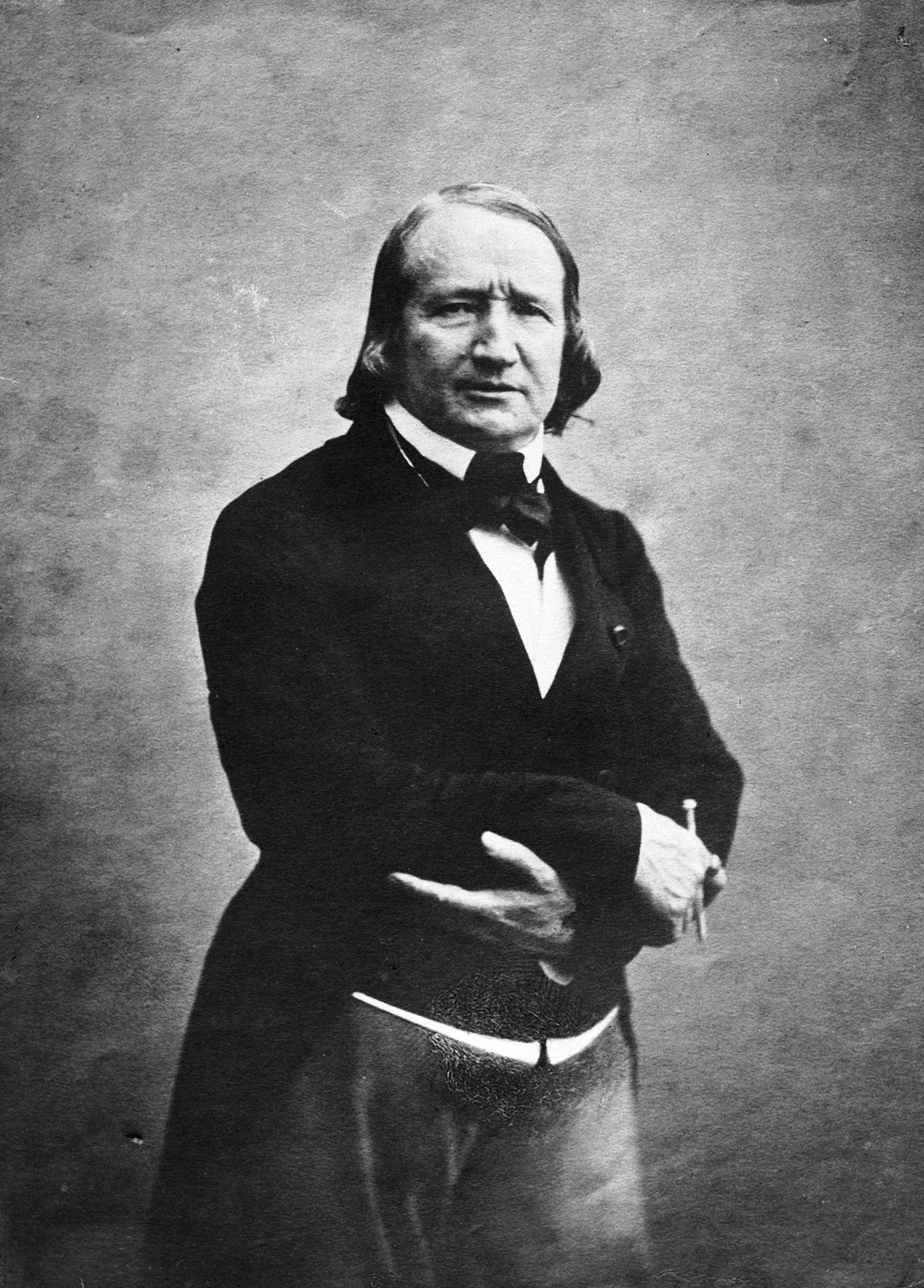
Stoic French Romantic poet, novelist, and playwright whose drama Chatterton, novel Servitude et grandeur militaires, and philosophical poem La Mort du loup exalted stoic solitude.
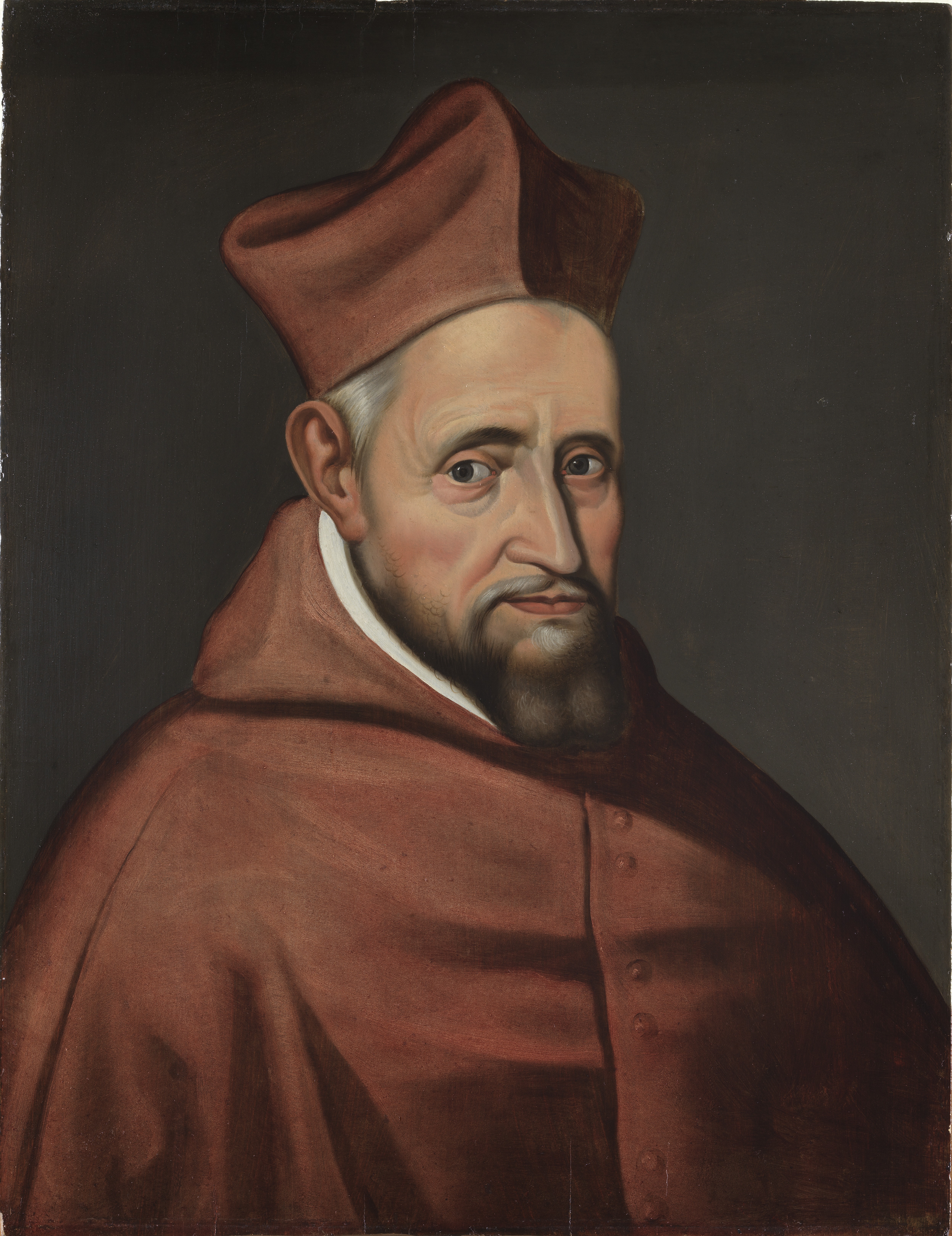
Italian Jesuit cardinal, Doctor of the Church, and master apologist whose 'Disputationes' systematic defense of the Catholic faith against Protestant theology defined Counter-Reformation dogma.
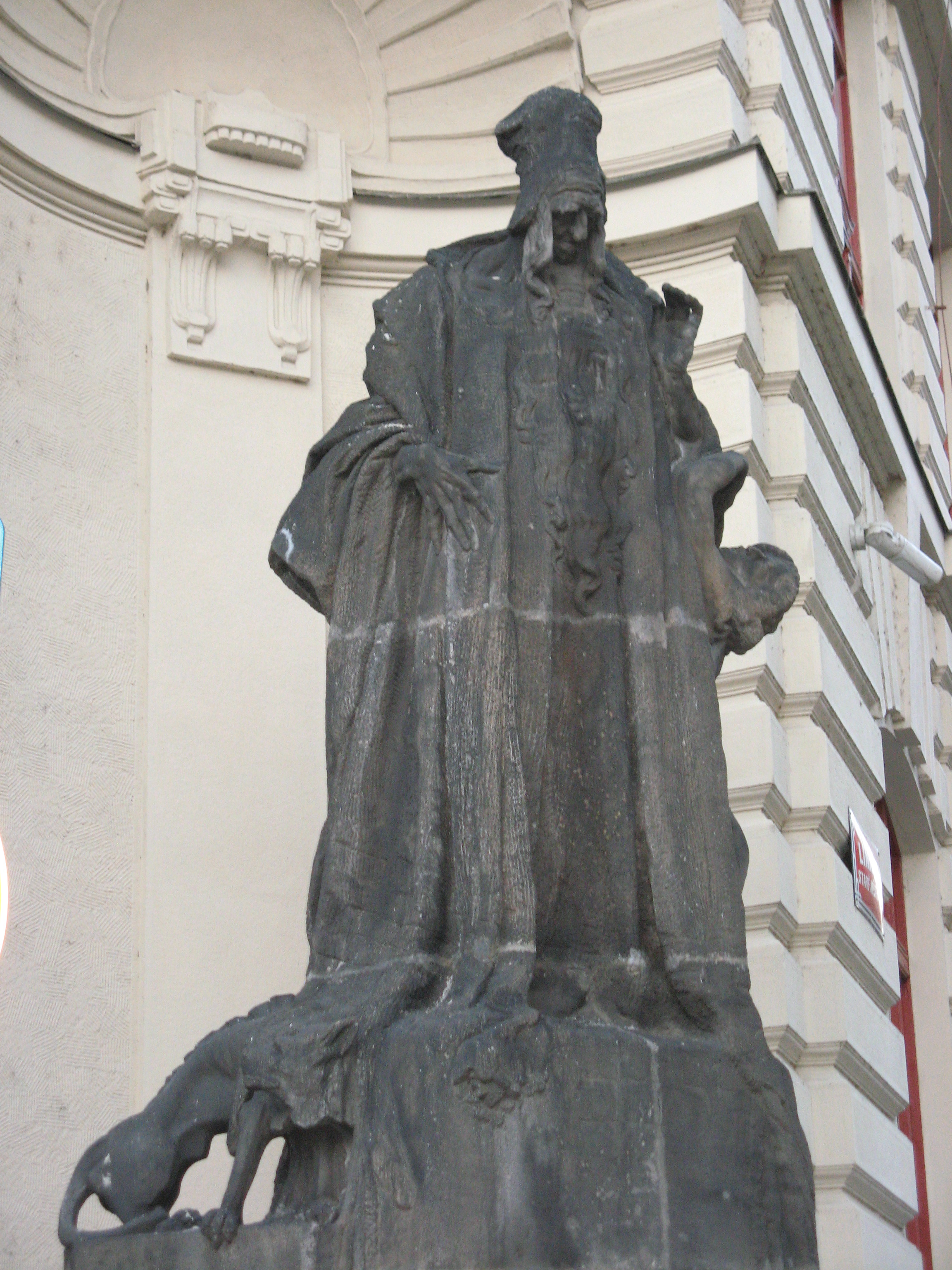
Towering Central European talmudist, philosopher, and mystic legendary for the creation of the Golem and celebrated for his profound dialectical philosophy of Torah and nature.
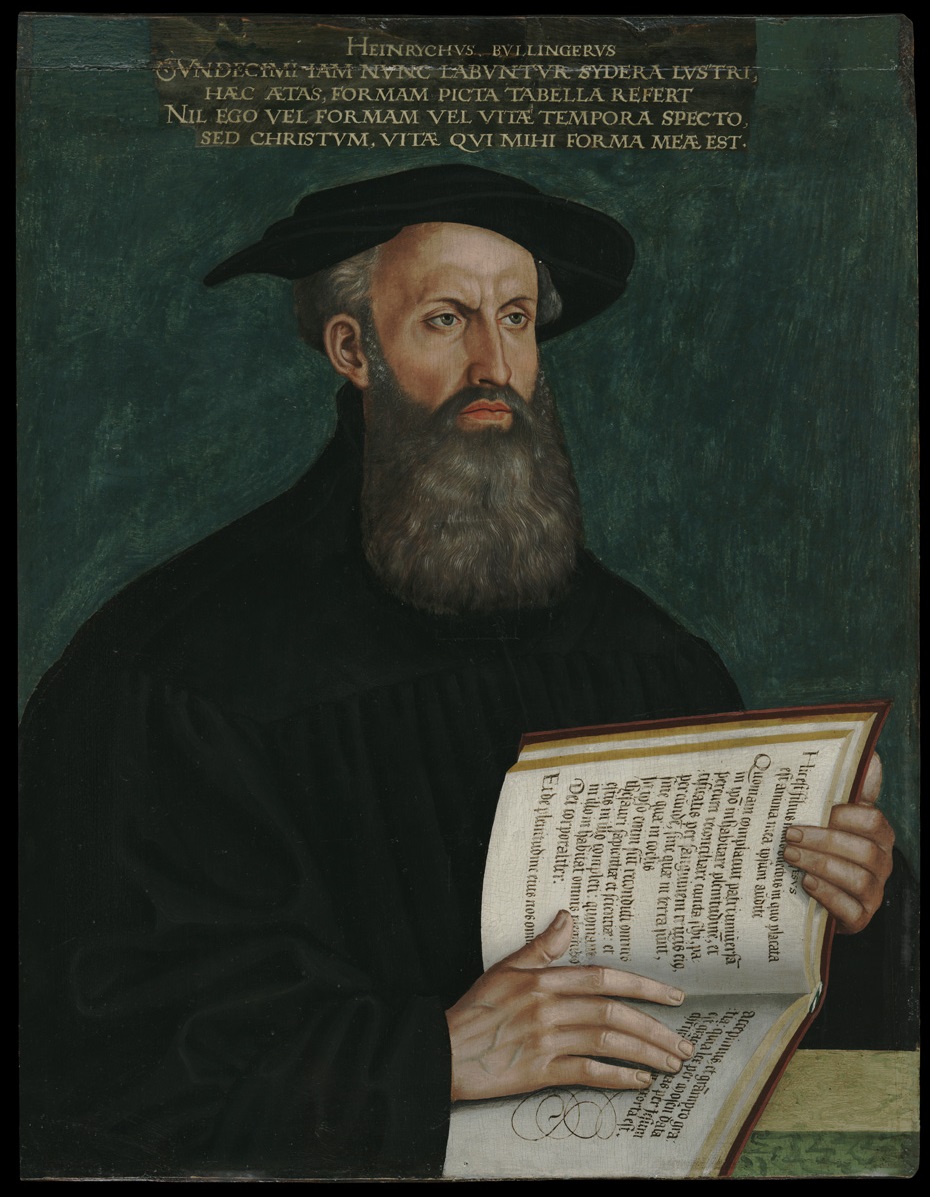
Successor to Zwingli as Antistes of Zurich for forty-four years whose 'Second Helvetic Confession' unified the Reformed churches across Europe and whose 12,000 letters guided kings.
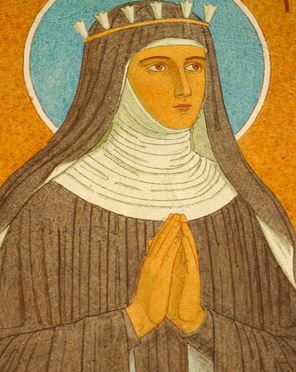
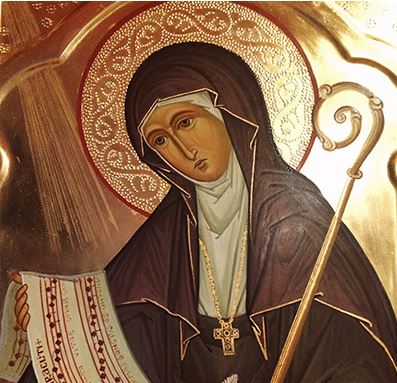
Twelfth-century visionary abbess, composer, naturalist, and Doctor of the Church. Authored Scivias detailing luminous cosmic revelations, composed transcendent liturgical music, and articulated the theology of Viriditas (divine greening power).
Benedictine abbess, mystic, polymath, and composer whose luminous liturgical chants in Symphonia armoniae celestium revelationum and allegorical morality play Ordo Virtutum mark the summit of medieval sacred music.