Public Figures & Cultural Luminaries
Filterable archive covering centuries of intellectual, artistic, and moral contributions to the human story.
Badr al-Din Lu'lu'
 (بدر الدين لؤلؤ)
Visionary 13th-century ruler of Mosul who transformed his capital into a global center of inlaid metalwork, manuscript painting, and architecture.
Baha al-Din Zuhayr
 (بهاء الدين زهير)
Celebrated 13th-century Ayyubid court poet and chancellor known for his effortless, delicate lyricism and witty epigrams.
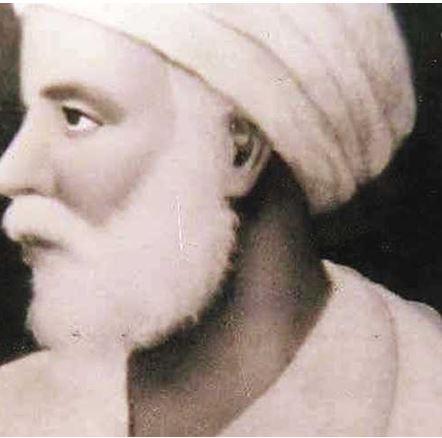
Ali ibn Abd Allah al-Shadhili
 (أبو الحسن الشاذلي)
Moroccan-born Sufi master and founder of the Shadhiliyya order, whose practical path of gratitude, inward detachment without outward poverty, and 'Hizb al-Bahr' shaped North Africa.
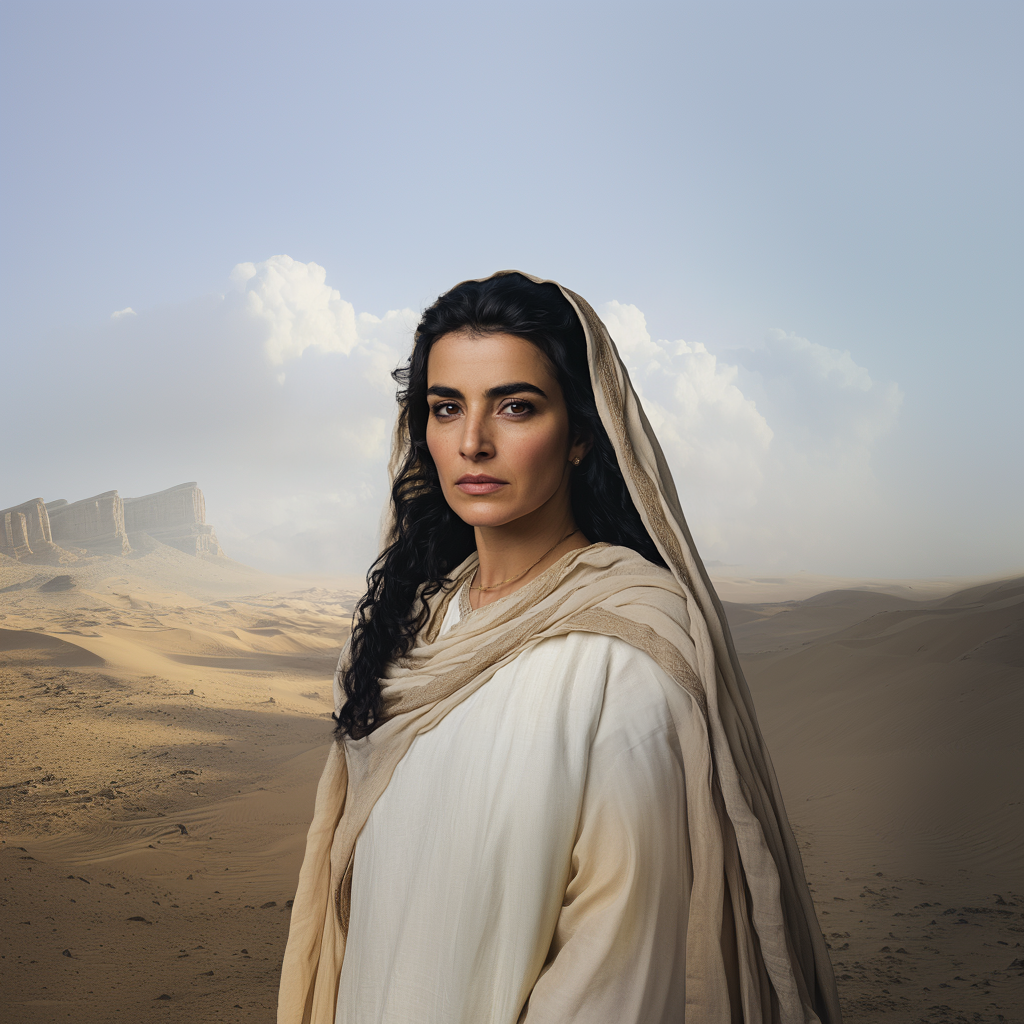
Shajar al-Durr
 (شجر الدر)
Formidable Sultana of Egypt who held the realm together following the death of Sultan As-Salih Ayyub, orchestrating the crushing defeat of King Louis IX's Seventh Crusade at the Battle of Fariskur, and serving as the first monarch of the Mamluk era.
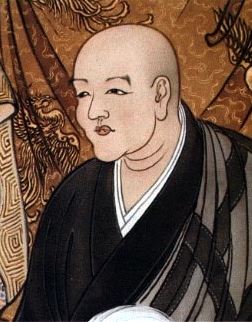
Eihei Dogen (Founder of Soto Zen in Japan)
 (道元禅師 (Dōgen Zenji))
Thirteenth-century Japanese philosopher and monk who brought Soto Zen from China, founded Eihei-ji Temple, and authored the Shobogenzo (Treasury of the True Dharma Eye). Revolutionized philosophy with his concept of Being-Time (Uji).
Ali ibn Abi Bakr al-Hattab
 (سيدي علي الحطاب)
Revered 13th-century Sufi saint and contemporary of Abu Said al-Baji and Lalla Manoubia, who earned his living as a humble woodcutter (al-Hattab) in the hills west of Tunis.
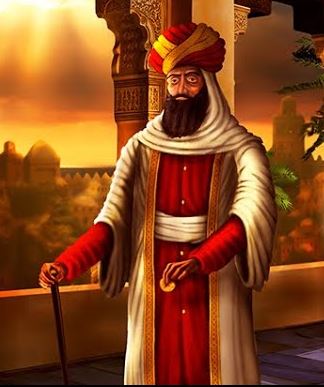
Abu Zakariya Yahya I
(أبو زكرياء يحيى الأول الحفصي)
Founder of the independent Hafsid dynasty in 1229, who declared independence from the Almohads, established Tunis as an imperial capital, and built the Kasbah Mosque.
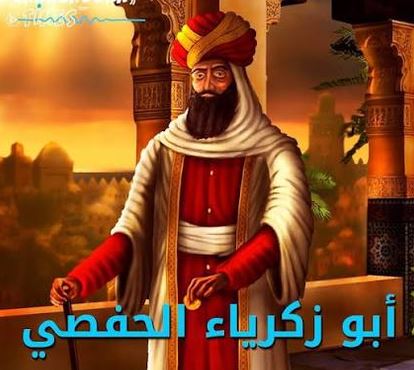
Abu Zakariya Yahya
(أبو زكرياء يحيى الحفصي)
Almohad governor who declared independence in Tunis in 1229, founding the Hafsid Dynasty that ruled Tunisia and eastern Algeria for three and a half centuries.
Abu al-Hasan al-Said al-Mutadid
(أبو الحسن السعيد المعتضد)
Vigorous Almohad Caliph (1242–1248) who launched energetic counter-offensives to reunite Morocco and western Algeria, killed in an ambush by Yaghmurasen near Oujda.
Shams Tabrizi
 (شمس تبریزی)
Legendary wandering Persian mystic whose transformative spiritual friendship with Jalal al-Din Rumi ignited the Mathnawi and modern Sufism.
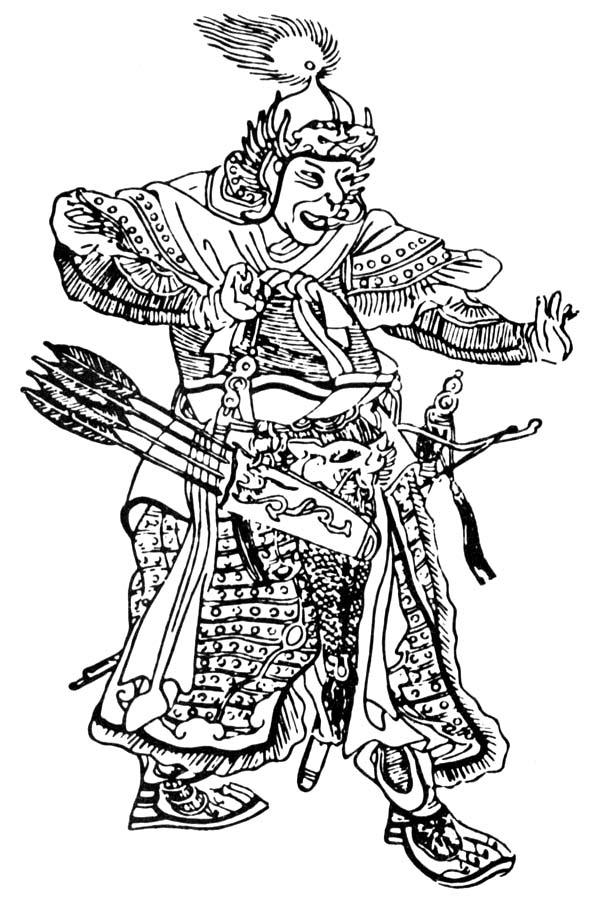
Subutai
(Сүбээдэй (Subutai Baghatur))
Primary military strategist of Genghis Khan and Ogedei Khan who conquered more territory than any general in human history, orchestrating campaigns across China, Persia, Russia, and Central Europe.
Mai Dunama Dibbalemi (Dunama Dibbalemi)
Thirteenth-century Mai of the Kanem Empire who expanded Kanem to its greatest extent from Fezzan in Libya to the Niger River, fielding an army of 40,000 armored horsemen.
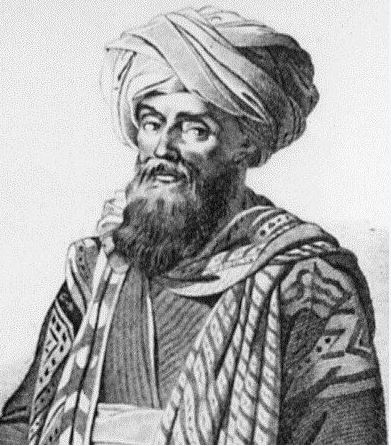
Ibn al-Baytar (Diya al-Din al-Malaqi)
 (ضياء الدين عبد الله بن أحمد المالقي (ابن البيطار))
Greatest botanist and pharmacologist of the Middle Ages who cataloged 1,400 medicinal plants, foods, and drugs in his encyclopedic Compendium on Simple Medicaments and Foods.
Muhammad I ibn Abd al-Haqq
(محمد بن عبد الحق المريني)
Third leader of the Marinids who pushed his armies to the gates of Fez and Meknes, falling in a major clash against Almohad forces.
Abu Muhammad Abd al-Wahid II al-Rashid
(أبو محمد عبد الواحد الرشيد)
Almohad Caliph (1232–1242) who strove to restore imperial discipline in Morocco amidst the rise of the Hafsids in Tunis and the Marinid nomads in northern Morocco.
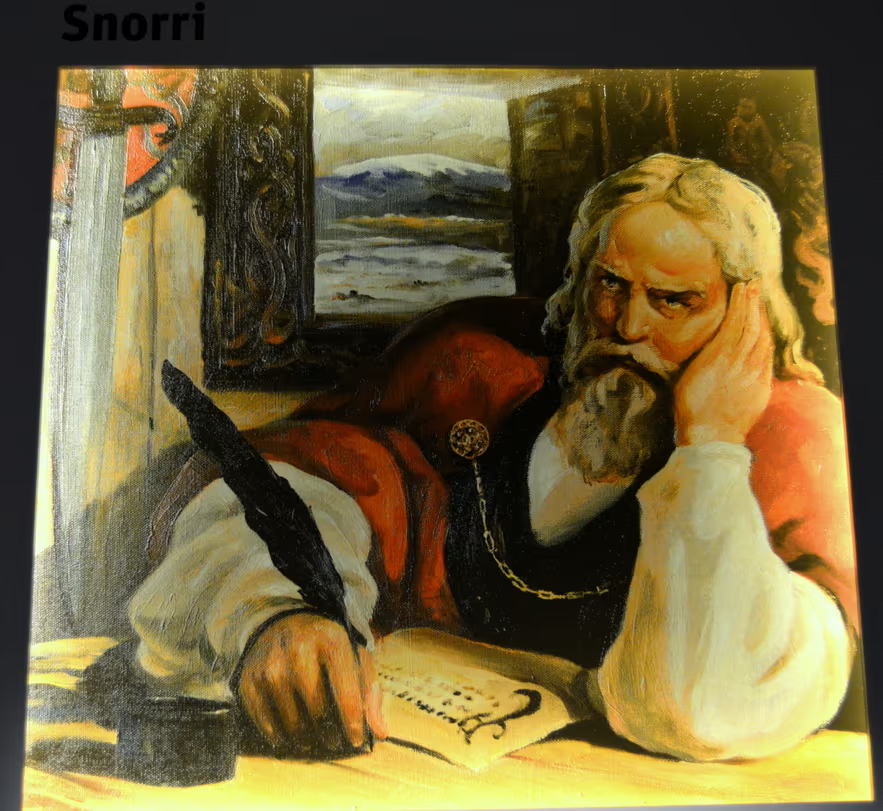
Snorri Sturluson
 (Snorri Sturluson)
Colossal medieval Icelandic historian, lawspeaker, and skald whose Prose Edda preserved Norse mythology and Heimskringla chronicled the epic history of Norwegian kings.
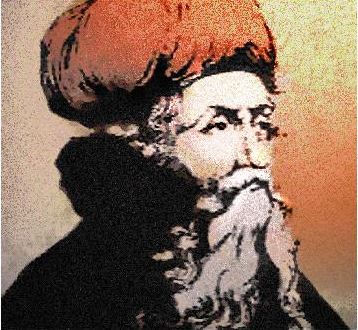
Muhyiddin Ibn Arabi (Al-Shaykh al-Akbar)
(محيي الدين بن عربي)
Visionary Andalusian philosopher and mystic revered as "Al-Shaykh al-Akbar" (The Greatest Master). Formulated the profound metaphysics of Wahdat al-Wujud (The Unity of Being) in Fusus al-Hikam and Al-Futuhat al-Makkiyya.
Uthman I ibn Abd al-Haqq
(عثمان بن عبد الحق المريني)
Second Marinid ruler who consolidated the Zenata tribal confederation, established dominance over the Rif and northern valleys, and resisted Almohad counter-offensives.