Public Figures & Cultural Luminaries
Filterable archive covering centuries of intellectual, artistic, and moral contributions to the human story.
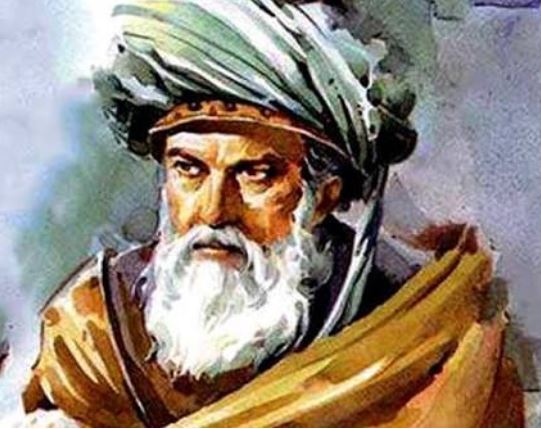
Jalal al-Din Muhammad Rumi (Mawlana)
 (مولانا جلالالدین محمد رومی)
Thirteenth-century spiritual giant whose 26,000-verse Masnavi is revered as "the Quran in the Persian tongue." Transformed through mystical communion with Shams of Tabriz into humanity's most universal poet of divine ecstasy and reconciliation.
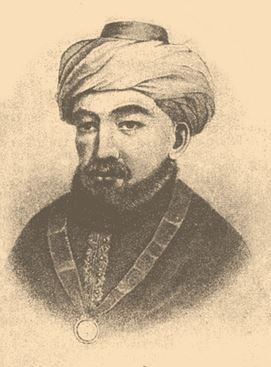
Abu Abd Allah al-Qurtubi
 (القرطبي)
Andalusian Maliki jurist and scholar whose 20-volume 'Al-Jami li-Ahkam al-Quran' is the premier legal commentary on the Quran, renowned for objectivity and ethical guidance.
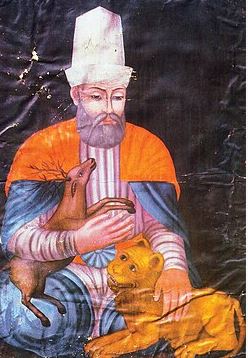
Sayyid Muhammad ibn Ibrahim Ata
 (Hacı Bektaş-ı Veli)
Beloved Khorasani mystic, humanist, and philosopher who settled in Anatolia, founding the Bektashi order that heavily influenced the Janissaries and Ottoman culture.
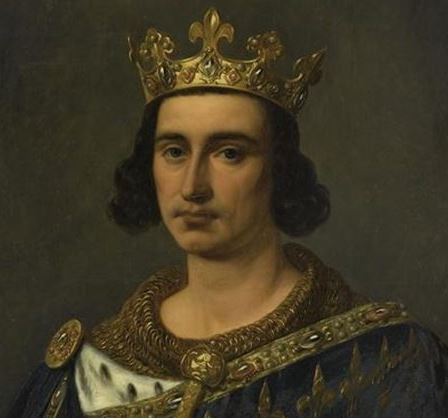
Louis IX of France (Saint Louis / King of Peace)
 (Louis IX (Saint Louis))
Capetian King of France and the only French monarch canonized as a saint. Celebrated throughout Europe as an incorruptible arbiter of international peace, builder of the luminous Sainte-Chapelle in Paris, and reformer of royal justice.
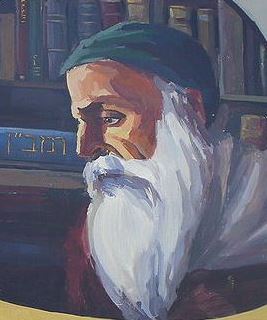
Moshe ben Nahman (Nachmanides / Ramban)
(רמב״ן (משה בן נחמן))
Thirteenth-century Catalan rabbi, physician, and kabbalist. Defended Judaism with extraordinary courage in the Disputation of Barcelona before King James I of Aragon, authored a mystical commentary on the Torah, and revitalized Jewish life in Jerusalem.
Ibn Abi Usaybi'a
 (ابن أبي أصيبعة)
Prominent 13th-century Syrian physician whose masterpiece 'Uyun al-Anba fi Tabaqat al-Atibba' is the first universal biographical history of world medicine.
Abu Dabbus Idris al-Wathiq
 (أبو دبوس إدريس الواثق)
The final Almohad Caliph (1266–1269), whose defeat and death during the siege of Marrakech by Marinid Sultan Abu Yaqub Yusuf marked the definitive end of the Almohad Caliphate.
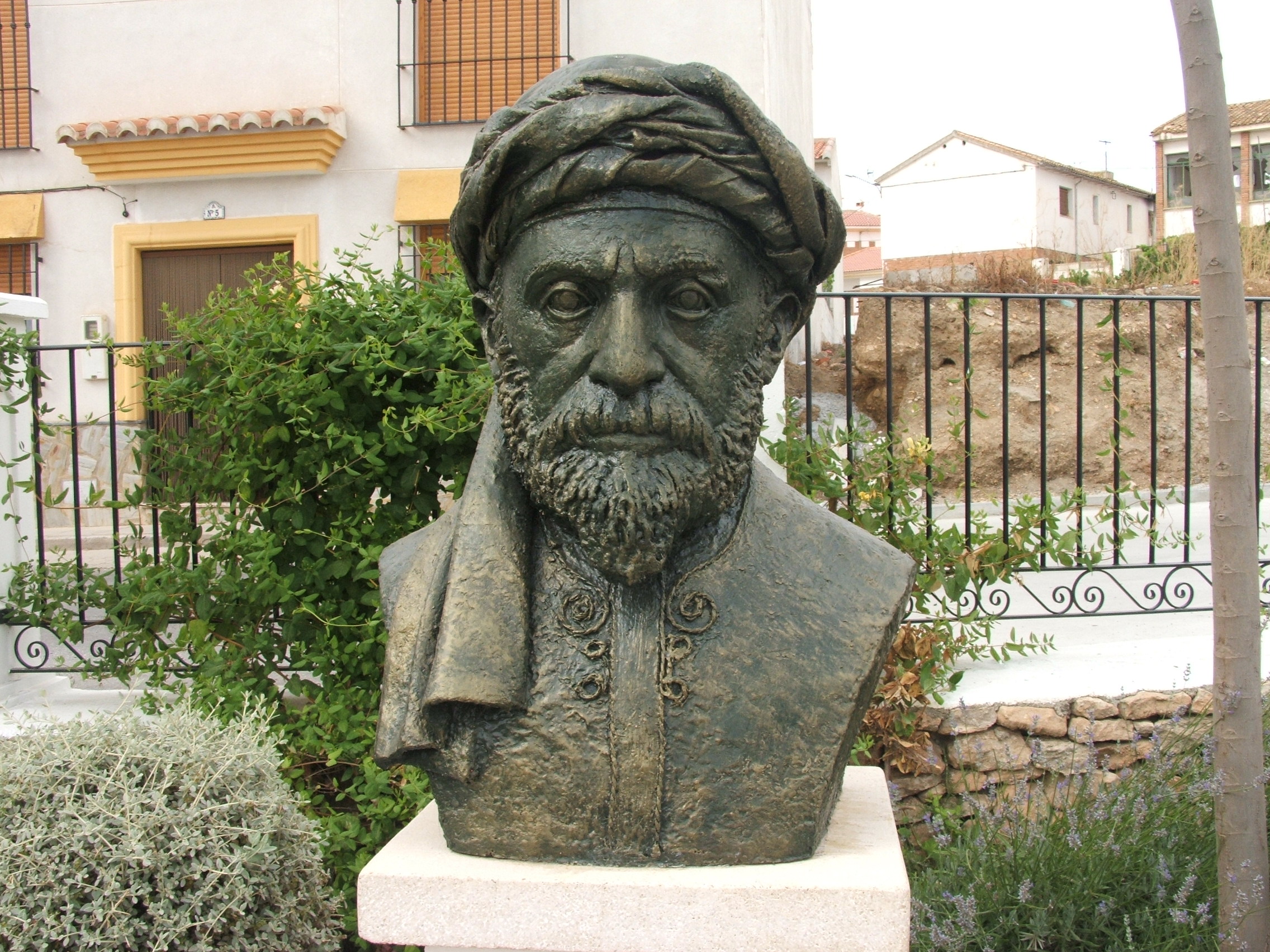
Abu al-Hasan al-Shushtari
(أبو الحسن الششتري)
Celebrated Sufi mystical poet whose vernacular zajal and muwashshah songs bridged classical Andalusian mysticism with North African and Middle Eastern spiritual song.
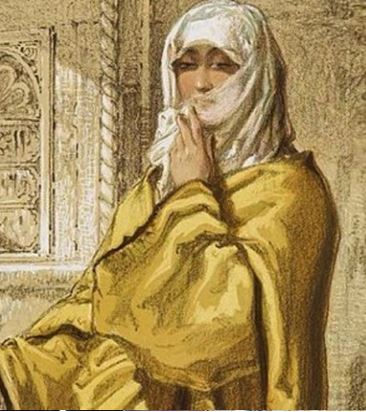
Sayyida Manoubia
 (عائشة المنوبية (السيدة المنوبية))
Revered 13th-century Sufi mystic and humanitarian saint of Tunis, disciple of Abu Said al-Baji and Shadhili master, celebrated for her radical asceticism, public preaching, and defense of the impoverished.
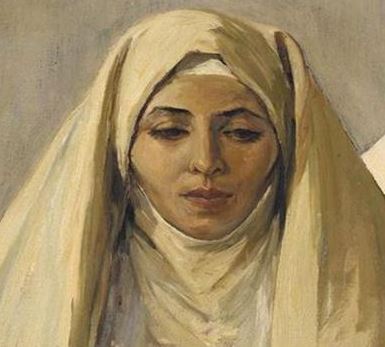
Lalla Manoubia
(لالة المنوبية (عائشة المنوبية))
Extraordinary 13th-century Tunisian female Sufi mystic and disciple of Abu al-Hasan al-Shadhili who defied patriarchal norms to become a revered public spiritual authority and patron of women.
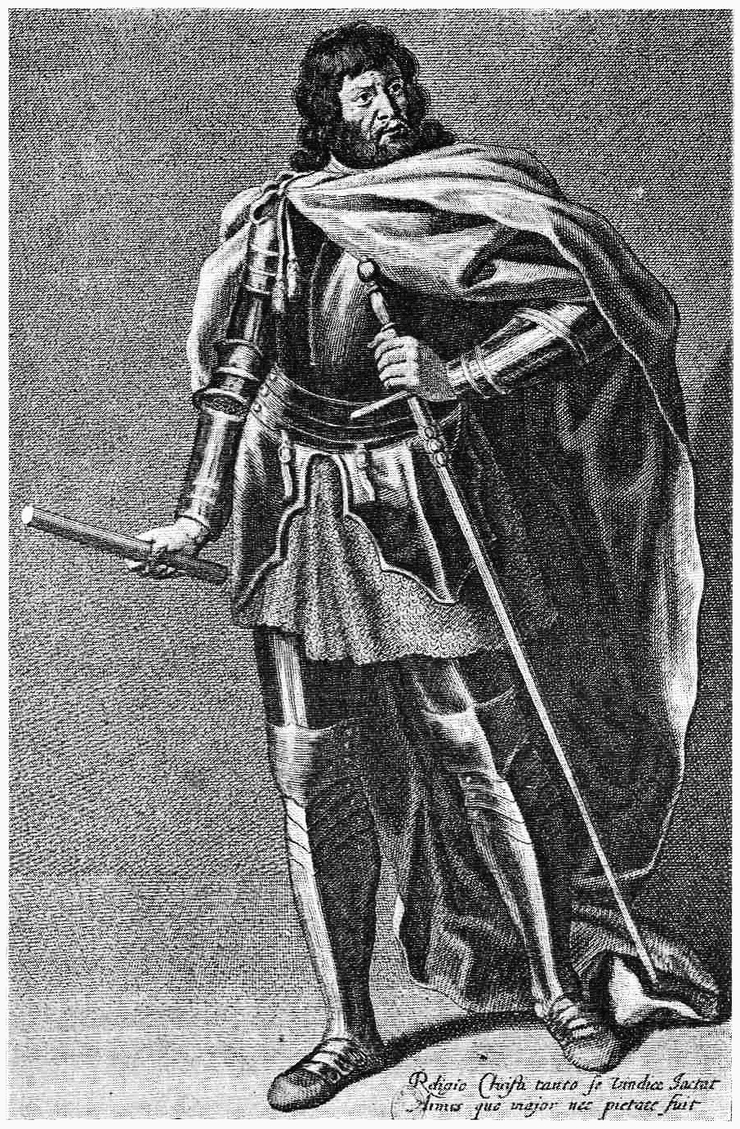
Simon de Montfort (6th Earl of Leicester)
(Simon de Montfort)
French-English nobleman and military leader who defeated King Henry III at the Battle of Lewes and convened England's first representative Parliament.
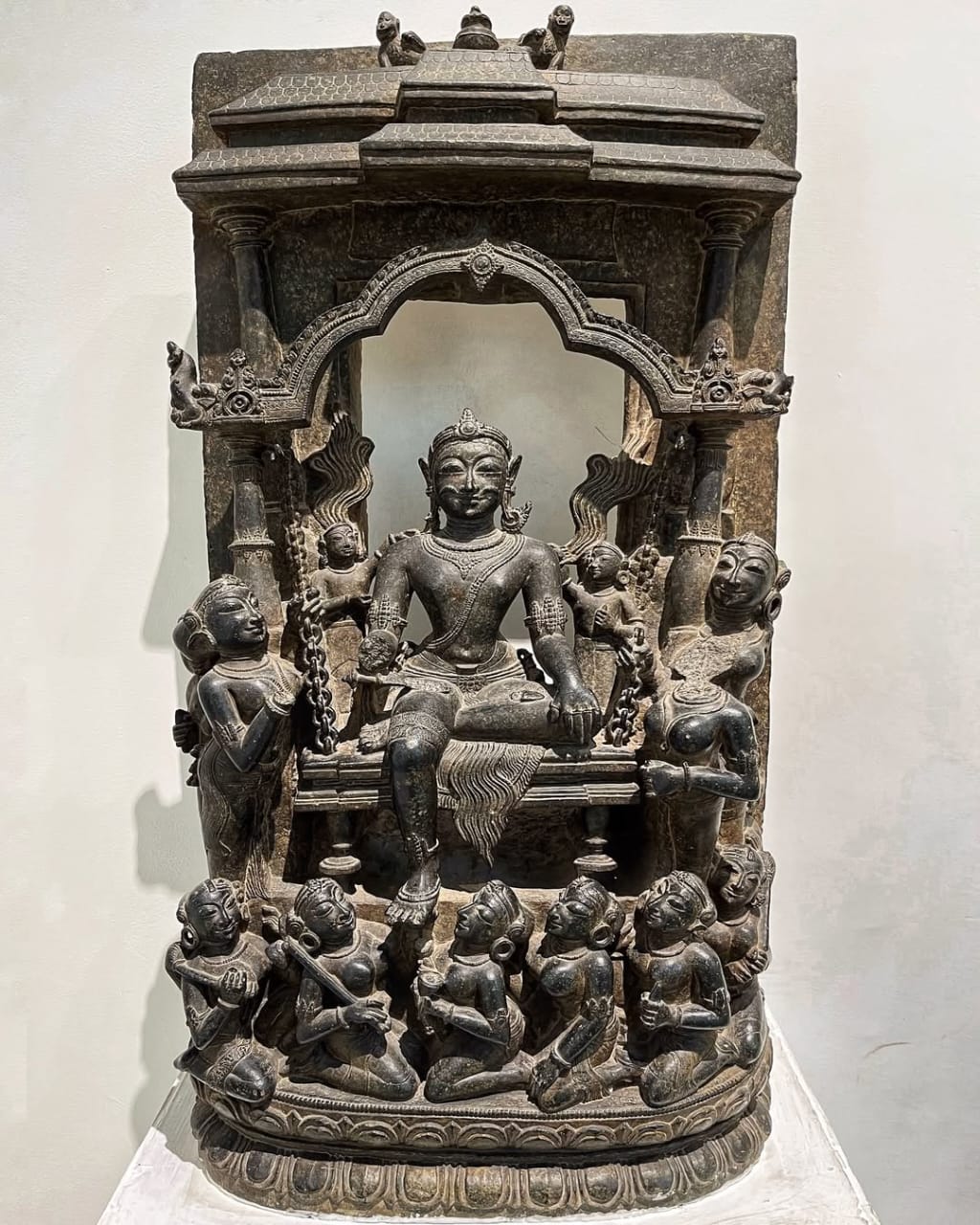
Narasimhadeva I
 (ନରସିଂହ ଦେବ ପ୍ରଥମ (Langula Narasimha))
Powerful monarch of the Eastern Ganga dynasty of Kalinga (1238–1264) who soundly defeated the Bengal Sultanate forces and commissioned the world-renowned Konark Sun Temple, a UNESCO World Heritage architectural marvel.
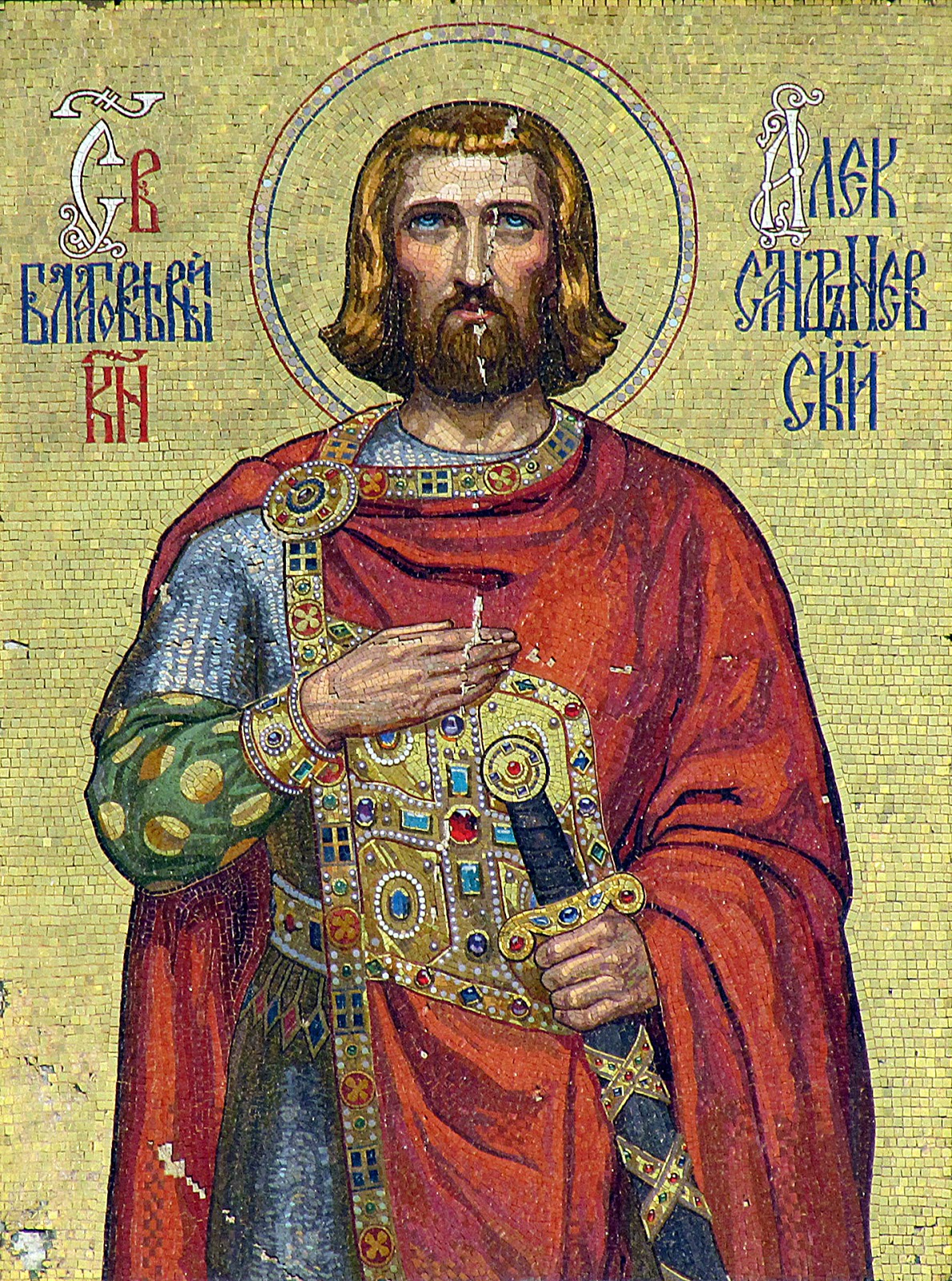
Saint Alexander Nevsky
 (Александр Ярославич Невский)
Prince of Novgorod and Grand Prince of Vladimir who crushed the Swedish invasion at the Neva and defeated the Teutonic Knights in the Battle on the Ice.
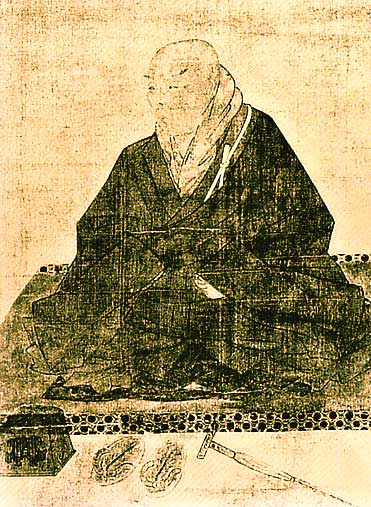
Shinran
 (親鸞)
Disciple of Honen and founder of Jodo Shinshu (True Pure Land) who rejected monasticism, married, and proclaimed radical salvation through the absolute 'Other-Power' (Tariki) of Amida Buddha.
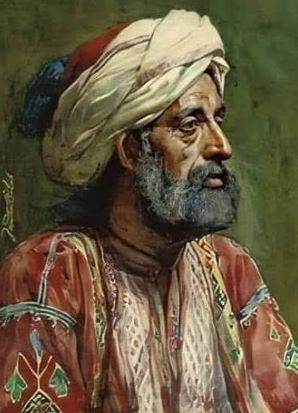
Abd al-Aziz ibn Abd al-Salam
(العز بن عبد السلام)
Revered Syrian-Egyptian jurist known as 'Sultan of the Scholars' who confronted Crusader alliances, forced Mamluk princes to auction themselves for public welfare, and inspired victory at Ain Jalut.
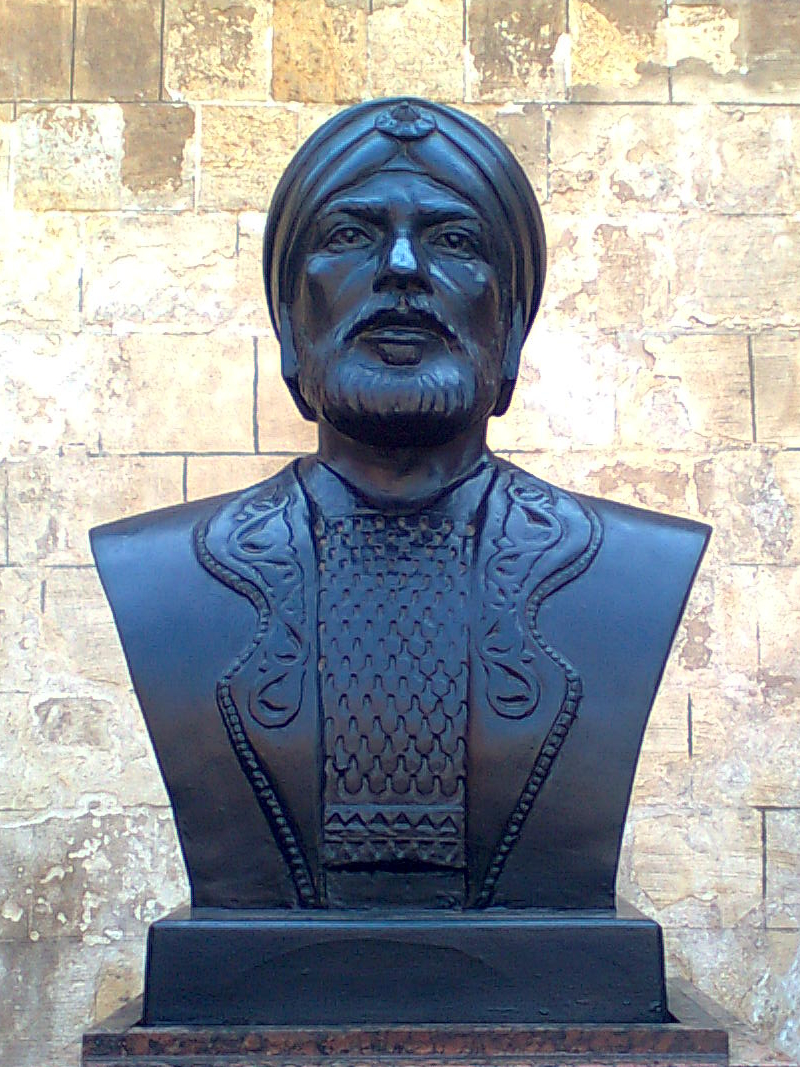
Qutuz
 (سيف الدين قطز)
Mamluk Sultan of Egypt who rallied the Islamic world following the Mongol sack of Baghdad, executed Hulagu Khan's envoys, and personally led the Muslim army to victory at Ain Jalut.
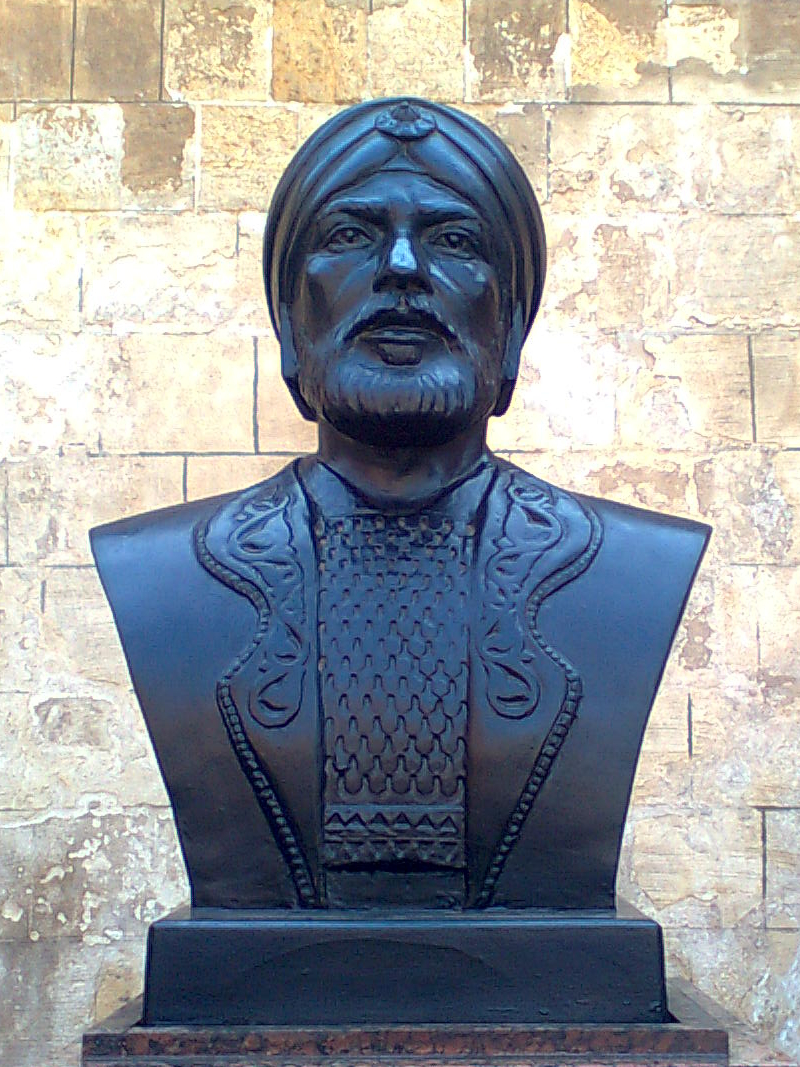
Saif ad-Din Qutuz
(سيف الدين قطز (محمود بن ممدود))
Mamluk Sultan of Egypt who united the Muslim world to inflict the first major battlefield defeat upon the Mongol Empire at the Battle of Ain Jalut.
Abu Abdallah Muhammad ibn Abdallah Ibn al-Abbar
(ابن الأبّار البلنسي)
Master Andalusian-Tunisian historian, diplomat, and poet who served as Grand Secretary of the Hafsid Chancery in Tunis, author of Al-Hulla al-Siyara and Al-Takmila.