Public Figures & Cultural Luminaries
Filterable archive covering centuries of intellectual, artistic, and moral contributions to the human story.
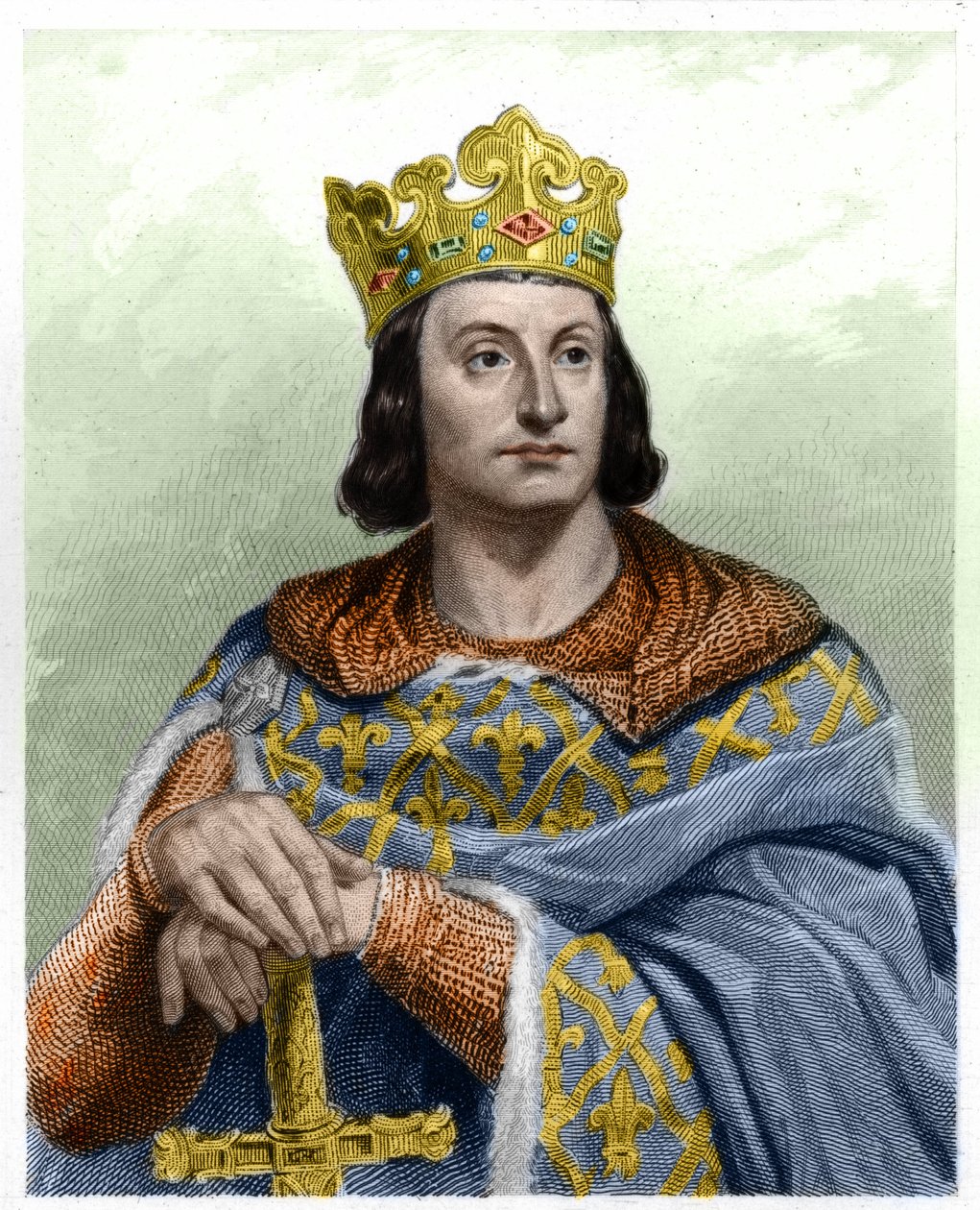
Philip II of France (Philippe Auguste)
 (Philippe II Auguste)
First monarch to officially use the title 'King of France', who defeated the Anglo-German coalition at Bouvines and built the medieval Louvre.
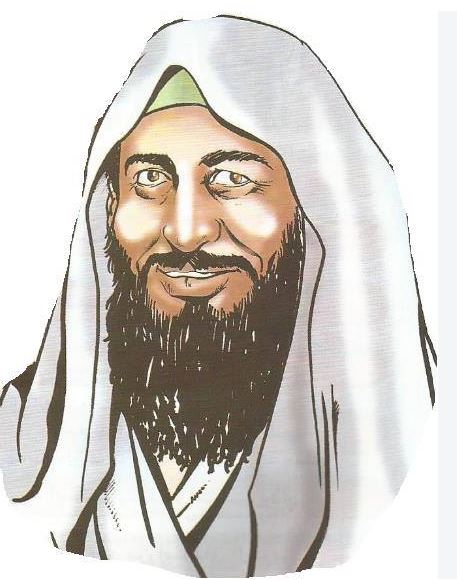
Muwaffaq al-Din Ibn Qudamah
 (ابن قدامة المقدسي)
Supreme Hanbali jurist, ascetic, and theologian whose ten-volume 'Al-Mughni' is the definitive masterpiece of comparative Islamic jurisprudence, highly praised by Saladin.
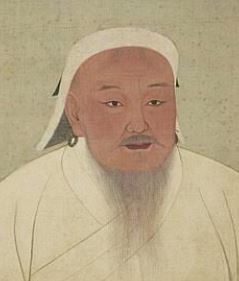
Jebe
 (Зэв (Jebe Noyan))
Legendary Mongol general and one of Genghis Khan's 'Four Dogs of War', who earned his name 'The Arrow' by shooting Genghis Khan's horse in battle and went on to conquer the Qara Khitai.
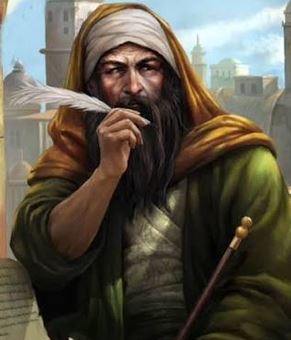
Abu Hamid bin Abu Bakr Ibrahim (فريد الدين عطار)
Persian mystical poet, apothecary, and hagiographer whose allegorical masterpiece 'The Conference of the Birds' and 'Memorial of the Saints' deeply inspired Rumi.

Abu Muhammad Abd al-Wahid ibn Abi Hafs
 (أبو محمد عبد الواحد بن أبي حفص)
Grandson of Umar al-Hantati appointed governor of Ifriqiya in 1207 by Caliph Muhammad al-Nasir, who pacified Tunisia, suppressed the Banu Ghaniya, and established the governing foundation of the Hafsid Dynasty.
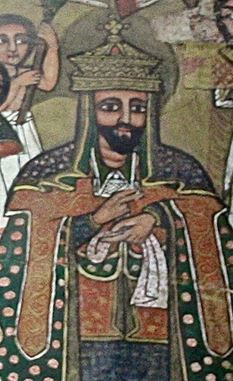
King Lalibela
 (ላሊበላ (ገብረ መስቀል))
King of Ethiopia of the Zagwe Dynasty who carved the eleven monolithic rock-hewn churches of Lalibela out of volcanic basalt, creating a 'New Jerusalem' in the Ethiopian highlands.
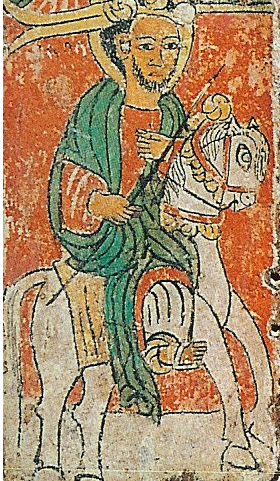
Emperor Gebre Mesqel Lalibela
(ላሊበላ)
Zagwe Emperor of Ethiopia venerated as an Ethiopian Orthodox saint, who carved the world-famous rock-hewn monolithic churches of Lalibela as a 'New Jerusalem'.
Abu Muhammad Abdallah ibn Humayd
(عبد الله بن حميد الكاتب)
Head of the Almohad imperial chancery (Diwan al-Insha) under Caliph Yaqub al-Mansur and Muhammad al-Nasir, master of Maghrebi epistolary prose and diplomatic protocol.
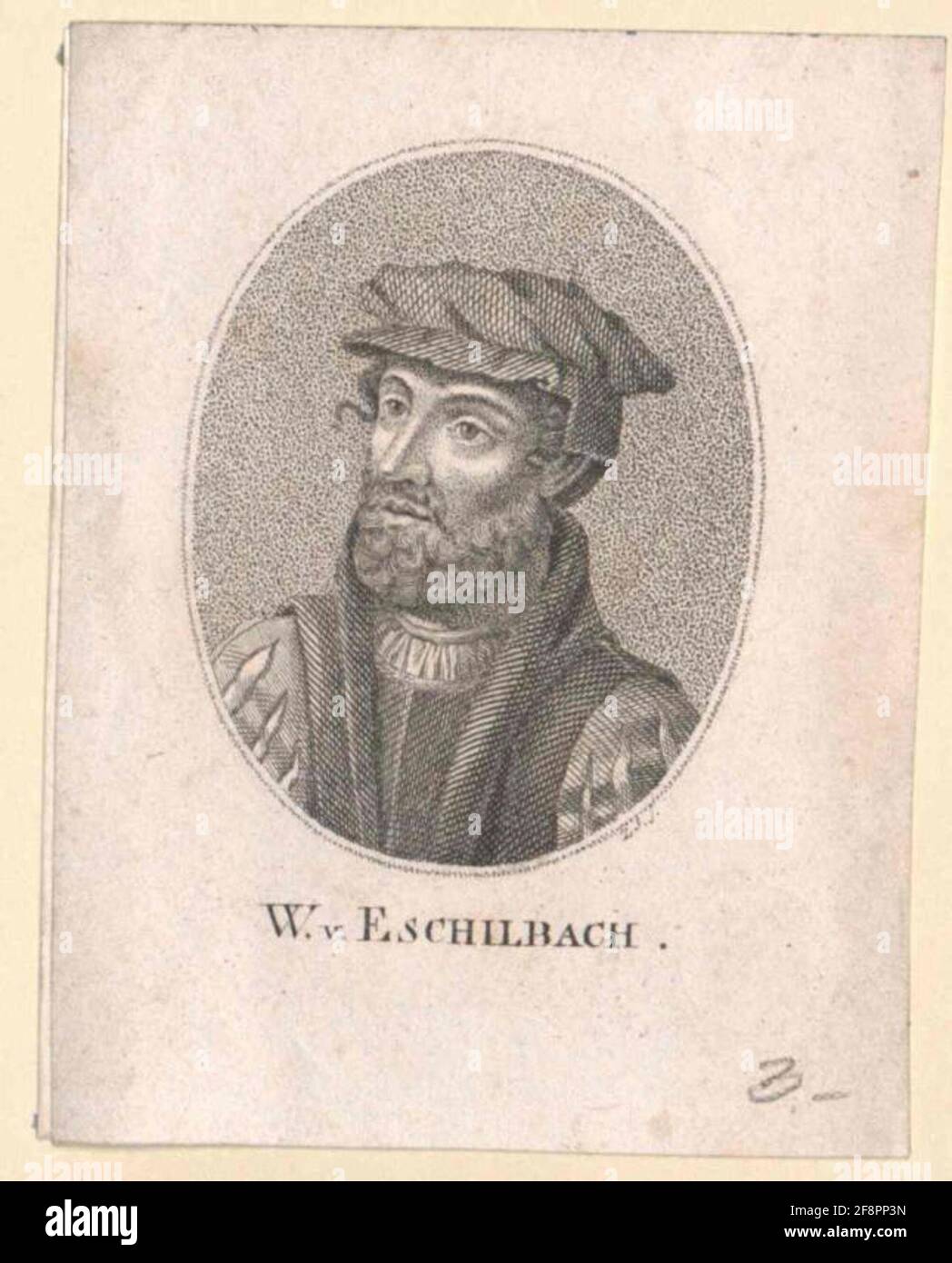
Wolfram von Eschenbach
 (Wolfram von Eschenbach)
Greatest Middle High German epic poet and knight whose masterpiece Parzival redefined the Arthurian Grail quest as a spiritual journey of empathy and faith.
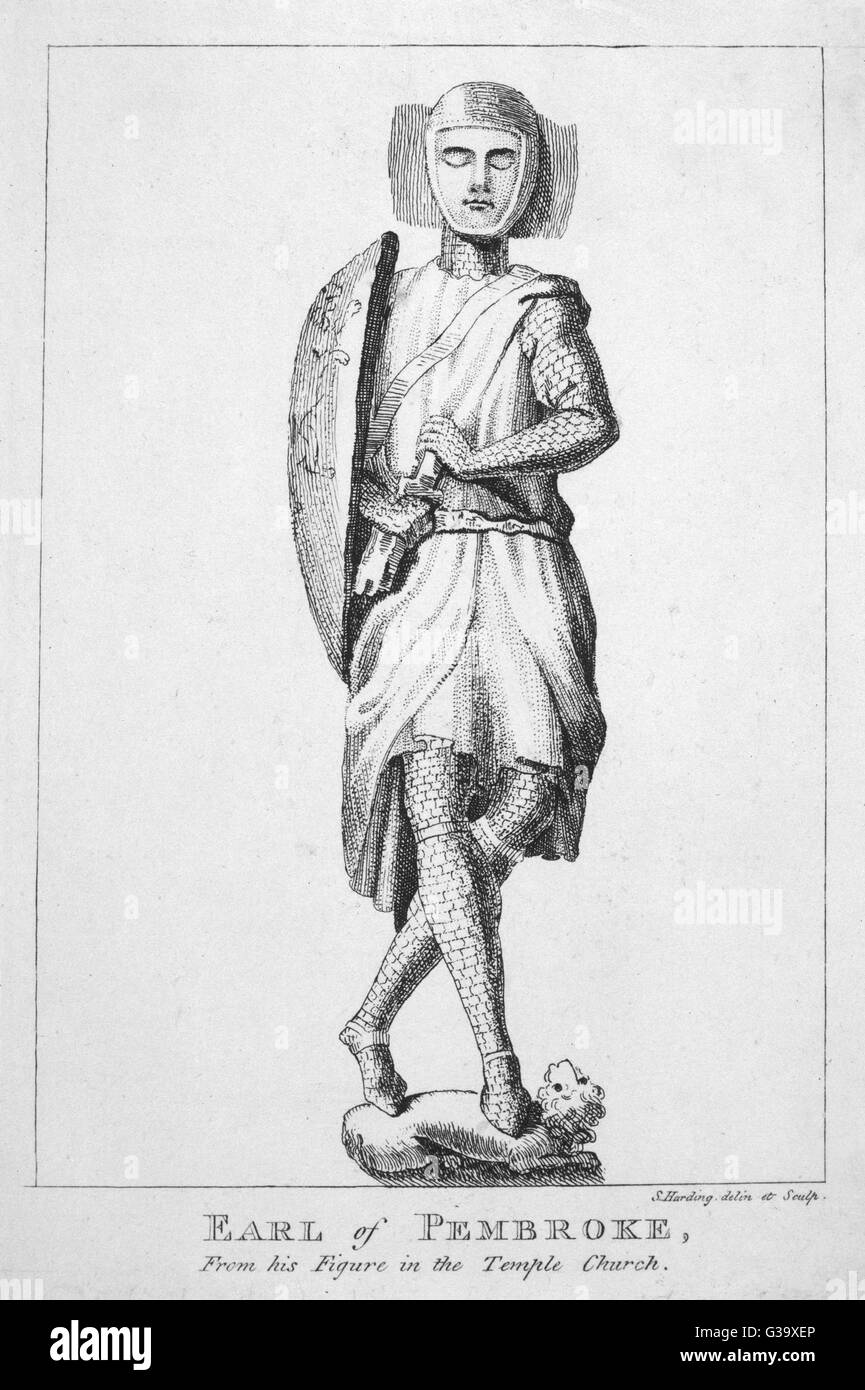
William Marshal (1st Earl of Pembroke)
 (William Marshal / Guillaume le Maréchal)
1st Earl of Pembroke celebrated as 'The Greatest Knight That Ever Lived', who served five English kings, negotiated the Magna Carta, and won the Battle of Lincoln at age 70.
Abu al-Husayn Muhammad ibn Ahmad Ibn Jubayr
(ابن جبير الكناني)
Pioneering travel writer and Almohad civil servant whose Rihla established the classical Arabic travelogue genre, chronicling the Mediterranean world, Mecca, and North Africa.
Abd al-Haqq I ibn Mihyu
(عبد الحق بن محيو المريني)
Founding chieftain of the Zenata Berber Marinid Dynasty who led his nomadic confederacy from eastern pasturelands into northern Morocco, initiating the overthrow of Almohad power.
Abu Abdallah Muhammad al-Miknasi
(أبو عبد الله محمد المكناسي)
Pious 12th-century judge and ascetic scholar of Meknes who mediated between imperial Almohad governors and municipal guilds with strict legal impartiality.
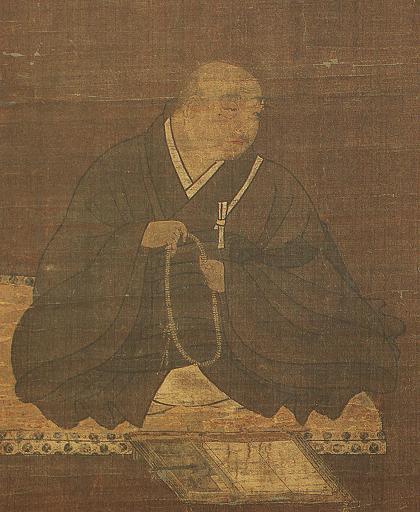
Honen
 (法然)
Founder of Jodo-shu (Pure Land Buddhism) in Japan who democratized spirituality during the Kamakura era by teaching that exclusive recitation of the Nembutsu guarantees salvation for all.
Abu al-Rabi Sulayman ibn Abd al-Mu'min
(أبو الربيع سليمان بن عبد المؤمن)
Son of Caliph Abd al-Mu'min who served as governor of Ceuta and northern Morocco, overseeing maritime defenses and trade across the Strait of Gibraltar.
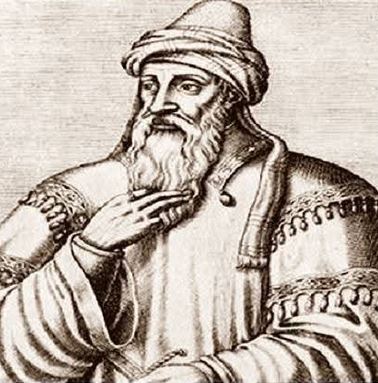
Al-As'ad ibn Mammati
 (الأسعد بن مماتي)
Pioneering 12th-century Egyptian administrative reformer, poet, and financial supervisor under Saladin whose masterwork Qawanin al-Dawawin provides the definitive fiscal and agricultural atlas of Ayyubid Egypt.
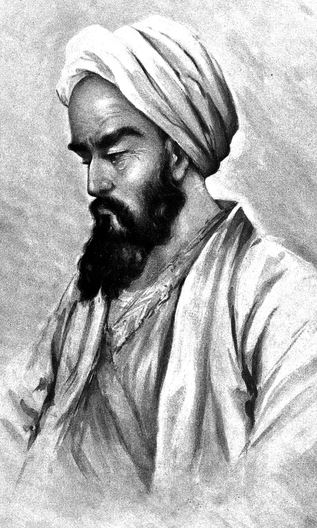
Muhammad ibn Umar al-Razi (فخر الدين الرازي)
Towering Persian Islamic philosopher, theologian, and polymath whose 32-volume exegesis 'Mafatih al-Ghayb' (The Great Commentary) synthesized rationalism and orthodox theology.
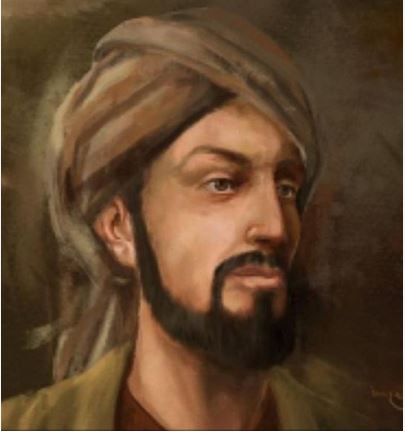
Ismail al-Jazari
 (بديع الزمان أبو العز بن إسماعيل الرزاز الجزري)
Chief engineer of the Artuqid palace who invented the crankshaft, camshaft, suction pumps, programmable musical automata, and the monumental Elephant Water Clock.