Public Figures & Cultural Luminaries
Filterable archive covering centuries of intellectual, artistic, and moral contributions to the human story.
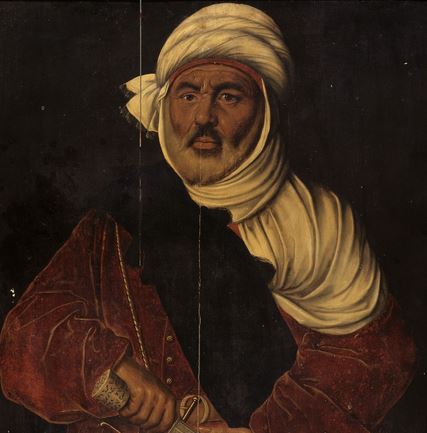
Abu al-Hasan al-Harrali
 (أبو الحسن الحرالي)
Brilliant 13th-century mathematician, logician, and mystic of Marrakesh whose innovative exegesis applied algebraic and geometrical structures to linguistic and philosophical hermeneutics.
Al-Kamil
 (الكامل محمد بن العادل)
Astute Ayyubid Sultan of Egypt and nephew of Saladin who successfully defeated the Fifth Crusade at Damietta, negotiated the historic 1229 Treaty of Jaffa with Holy Roman Emperor Frederick II, and hosted Saint Francis of Assisi in dialogue.
Baha al-Din ibn Shaddad
 (بهاء الدين بن شداد)
Distinguished jurist and close confidant of Saladin who authored the authoritative contemporary biography Al-Nawadir al-Sultaniyya.
Abu al-Ula Idris al-Ma'mun
(أبو العلاء إدريس المأمون)
Almohad Caliph (1227–1232) who famously renounced Ibn Tumart's dogma of infallibility, restored traditional Sunni Maliki orthodox doctrine in Marrakech, and commissioned the first Christian church in the capital.
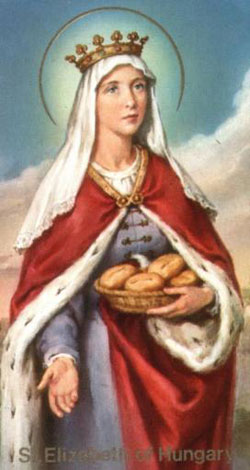
Saint Elizabeth of Hungary
 (Árpád-házi Szent Erzsébet)
Princesse royale de Hongrie et sainte médiévale, qui renonça à toute gloire princière pour construire un hôpital à Marbourg et soigner personnellement les plus misérables.
Abu al-Hasan Ali ibn al-Qattan
(أبو الحسن علي بن محمد بن القطان الفاسي)
Towering hadith critic and jurist of Fez and Sijilmasa, author of 'Bayan al-Wahm wa-l-Iham', acclaimed across the Islamic world as one of the greatest critical minds in hadith sciences.
Abu Said al-Baji
 (أبو سعيد الباجي)
Venerated 13th-century Sufi master and scholar after whom the famous blue-and-white clifftop village of Sidi Bou Said is named, who served as ribat watchman guarding the Gulf of Tunis.

Sidi Bou Said
(سيدي بو سعيد (أبو سعيد الباجي))
Revered 13th-century Sufi master and spiritual lookout who established his hermitage atop the cliffs of Djebel Menara, giving his name to the world-famous blue-and-white clifftop village.
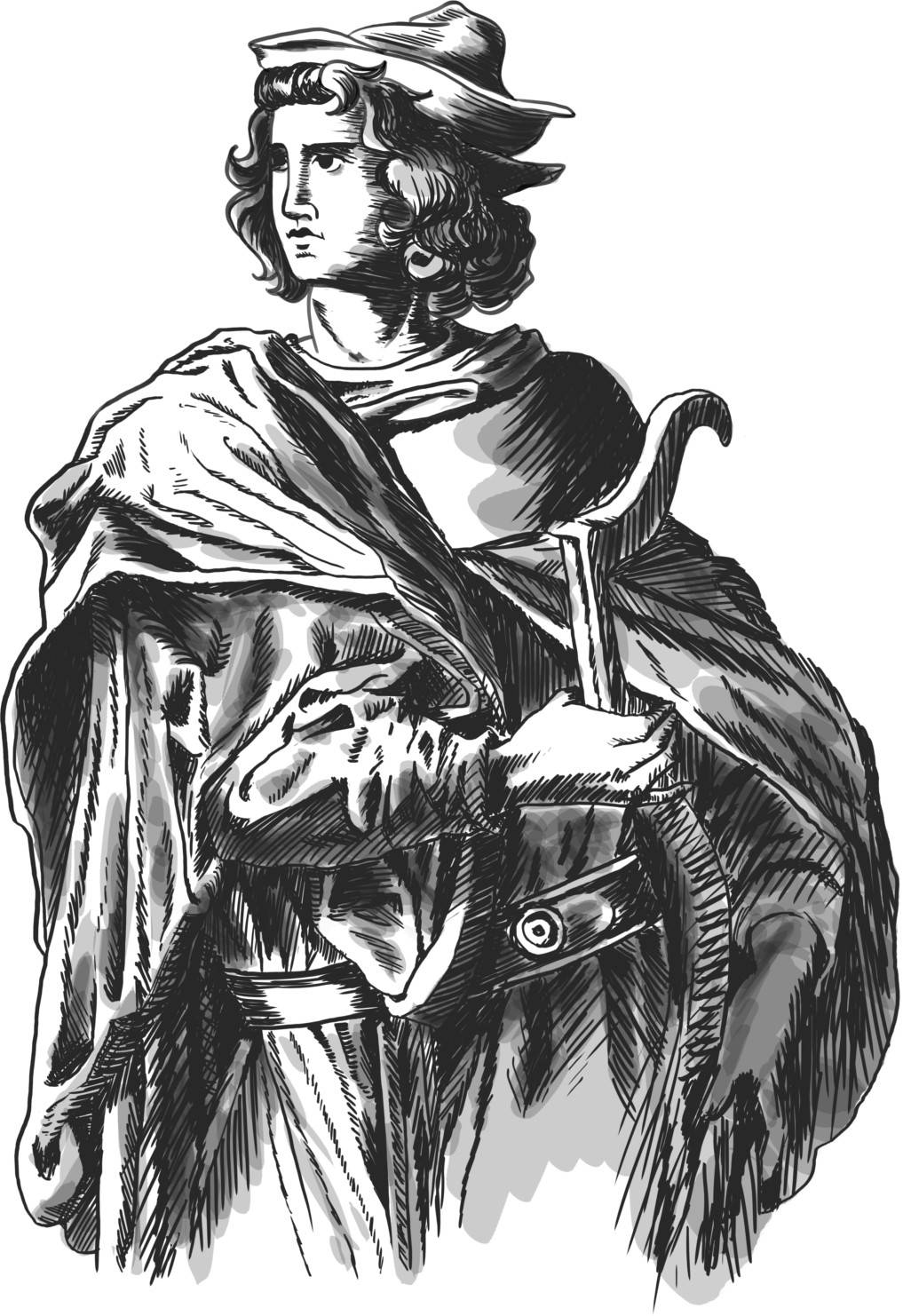
Walther von der Vogelweide
 (Walther von der Vogelweide)
Supreme Middle High German lyric poet and Minnesänger who elevated courtly love songs (Under der linden) and political Spruchdichtung across the courts of Europe.
Yaqut al-Hamawi
 (ياقوت الحموي)
Byzantine-born Muslim scholar and traveler who compiled the monumental geographical encyclopedia Mu'jam al-Buldan in Aleppo.
Abu Imran Musa ibn Hammad al-Sanhaji
(موسى بن حماد الصنهاجي الطبيب)
Esteemed Moroccan physician and pharmacologist who managed the imperial hospital (Bimaristan) of Marrakech founded by Caliph Yaqub al-Mansur.
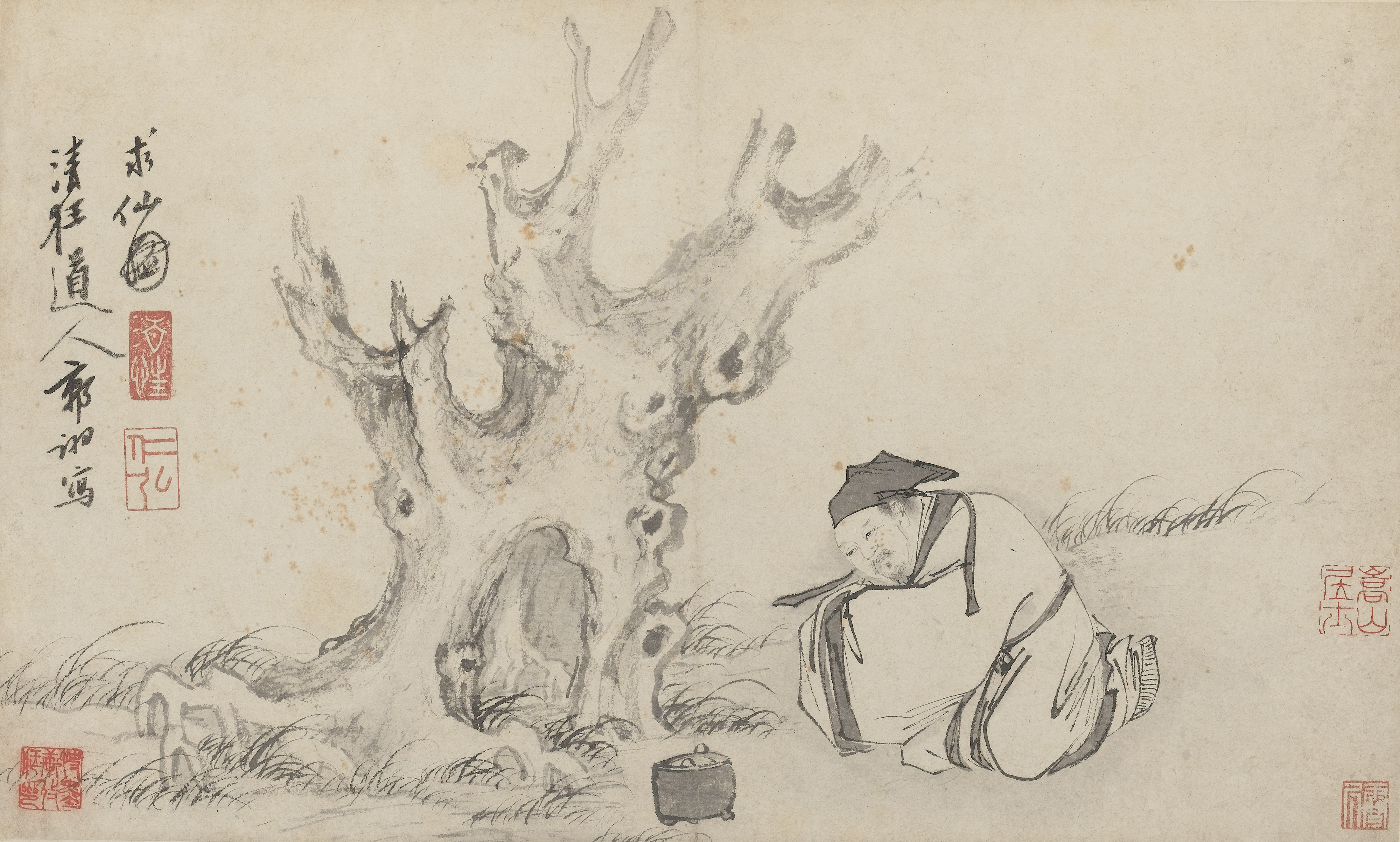
Qiu Chuji
 (丘處機)
Leader of Quanzhen Daoism who undertook an epic journey across Central Asia to the Hindu Kush in 1222 to counsel Genghis Khan against mass slaughters, saving millions.
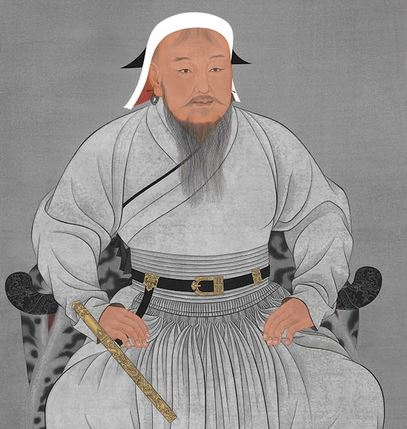
Genghis Khan (Temüjin Borjigin)
 (Чингис хаан (Universal Ruler))
Visionary military strategist and founder of the Mongol Empire—the largest contiguous land empire in world history. United the nomadic steppe tribes, instituted absolute religious freedom, created the postal relay network (Yam), and codified the Yassa law.
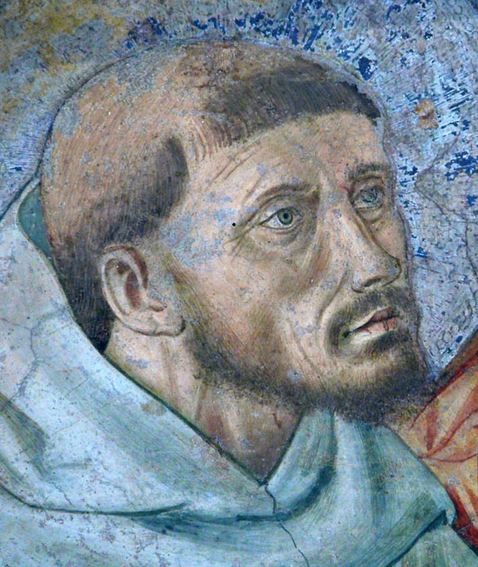
Giovanni di Pietro di Bernardone (Saint Francis of Assisi)
 (San Francesco d'Assisi)
Beloved friar and mystic who renounced aristocratic wealth to embrace absolute poverty, brotherly love for all creatures, and peaceful interfaith dialogue, composing the Canticle of the Sun and founding the Franciscan Order.
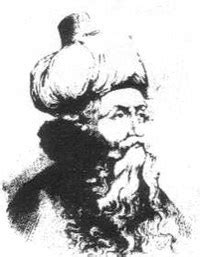
Ahmad al-Buni
 (أحمد بن علي البوني)
Renowned 13th-century North African mathematician and esoteric philosopher whose treatises on magic squares, numerical combinatorics, and celestial talismans achieved legendary fame.
Abu Muhammad Abd al-Wahid I al-Makhlu
(عبد الواحد بن يوسف المخلوّع)
Almohad caliph who ruled briefly in 1224 following the death of Yusuf II al-Mustansir, overthrown by rival dynastic factions in Marrakech.
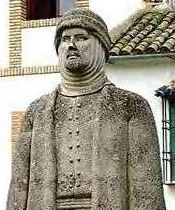
Abu Yaqub Yusuf II
(أبو يعقوب يوسف المستنصر)
Fifth Almohad Caliph (1213–1224) whose eleven-year reign preserved peace, civic tranquility, and scholarly patronage across Morocco and southern Spain.
Philip II Augustus
 (Philippe II Auguste)
Transformative King of France who broke the Angevin Empire, won the epochal Battle of Bouvines (1214), transformed Paris with paved streets, the Louvre fortress, and city walls, and first took the title 'King of France'.