Public Figures & Cultural Luminaries
Filterable archive covering centuries of intellectual, artistic, and moral contributions to the human story.
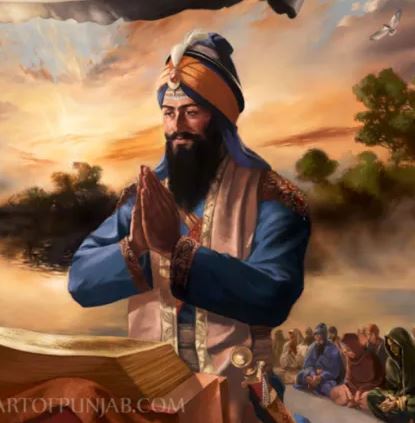
Guru Gobind Singh Ji (Tenth Sikh Guru)
 (ਗੁਰੂ ਗੋਬਿੰਦ ਸਿੰਘ)
Tenth and final human Sikh Guru, warrior-philosopher, and master poet. Founded the Khalsa brotherhood of saint-soldiers at Anandpur Sahib in 1699 and conferred eternal Guruship upon the Guru Granth Sahib.
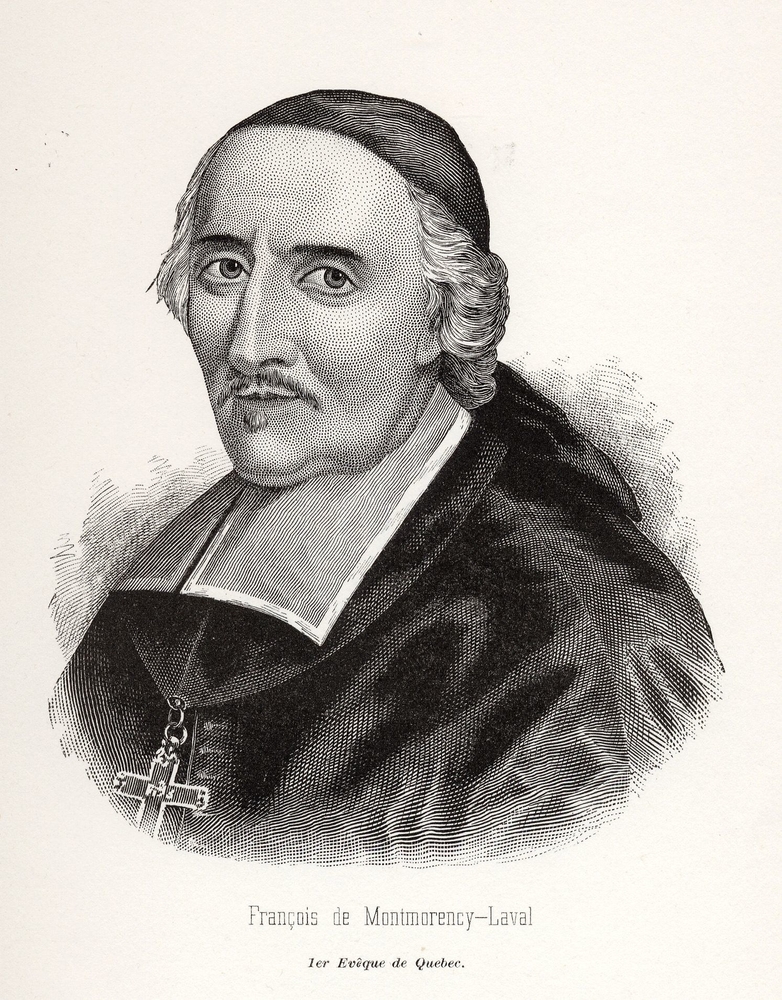
François de Laval
 (François de Montmorency-Laval)
First Bishop of New France who organized the Catholic Church across North America, founded the Grand Séminaire (forerunner of Université Laval), and fiercely opposed the fur trade liquor traffic.
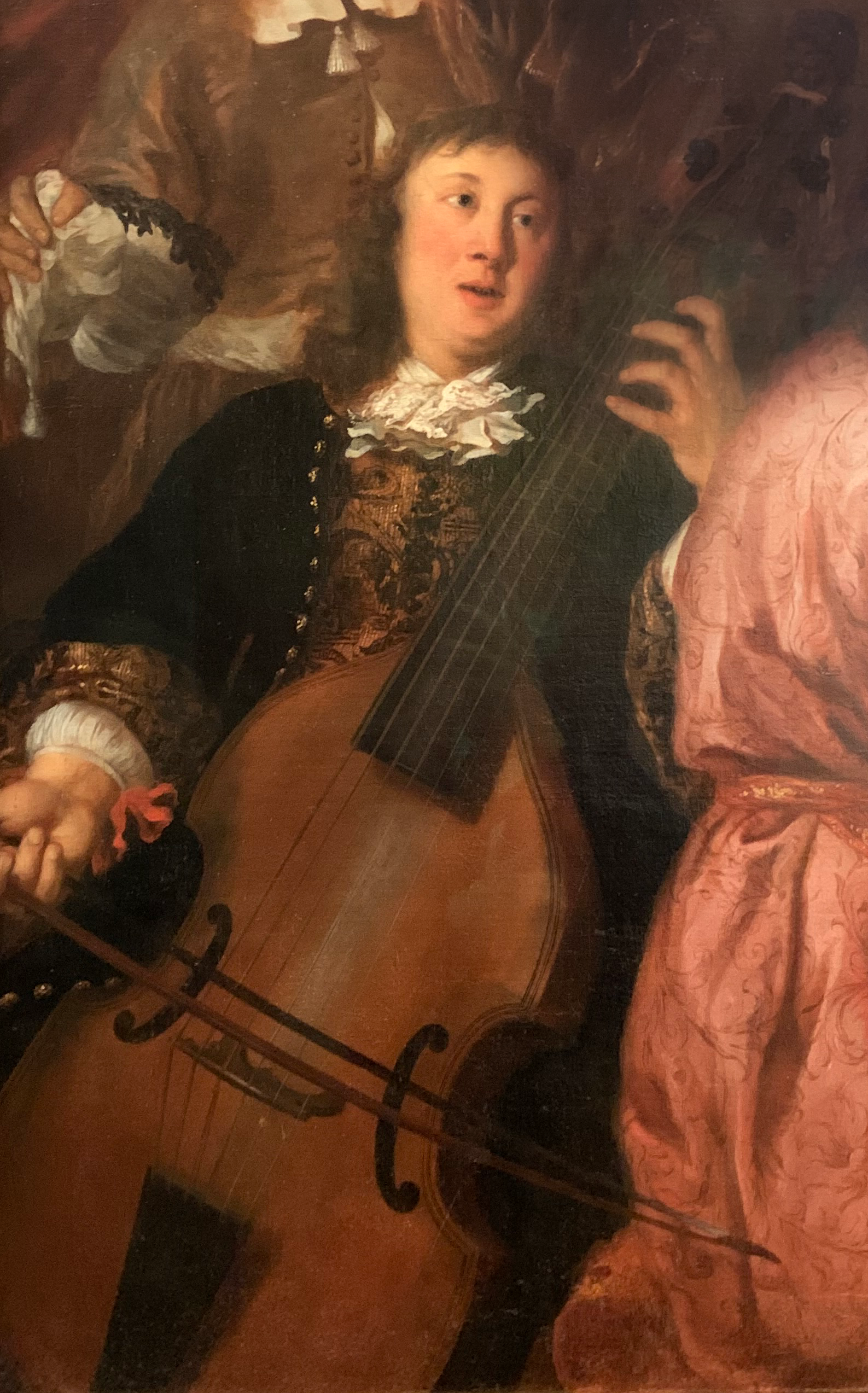
Dietrich Buxtehude
 (Dieterich Buxtehude)
Foremost organist and composer of the North German High Baroque school whose virtuosic organ toccatas, cantatas, and Abendmusiken inspired the young J.S. Bach to walk 400 kilometers to hear him.
Jean Delcour
 (Jean Delcour)
The undisputed master of Walloon Baroque sculpture, celebrated as 'the Bernini of Liège' for his dynamic religious marbles, ornate fountains, and the iconic Three Graces atop the Liège Perron.
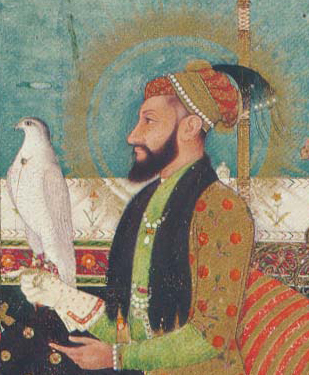
Aurangzeb
(محی الدین محمد اورنگزیب عالمگیر)
Sixth Mughal Emperor known as Alamgir, whose forty-nine-year reign brought the Mughal Empire to its greatest territorial extent, ruling over 150 million subjects from Kabul to southern India.
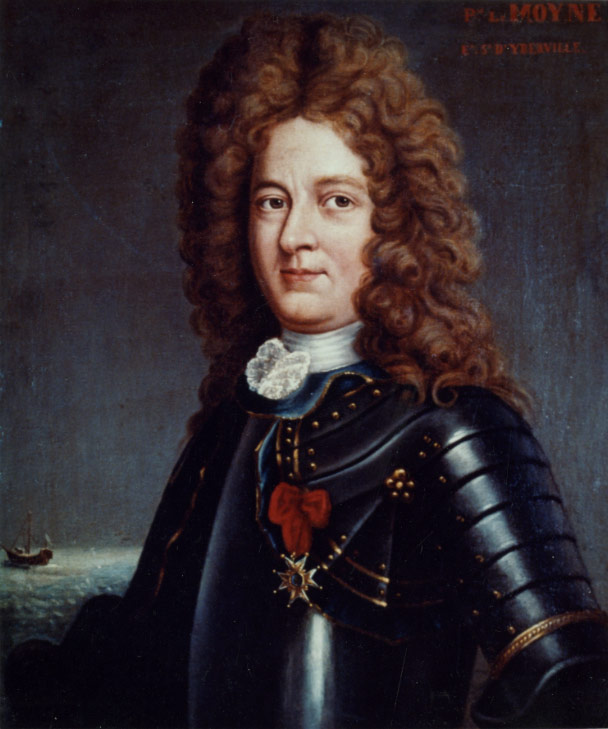
Pierre Le Moyne d'Iberville
 (Pierre Le Moyne d'Iberville et d'Ardillières)
New France's greatest military hero and naval tactician, who captured English forts on Hudson Bay and Newfoundland, defeated Royal Navy squadrons, and founded the French colony of Louisiana.
Dona Beatriz Kimpa Vita
 (Kimpa Vita (Nganga Marinda))
Young Congolese noblewoman and spiritual prophetess who founded the Antonian movement. Preached that Christ and the Apostles were born in Kongo, advocated for national reunification against civil war, and was burned at the stake.
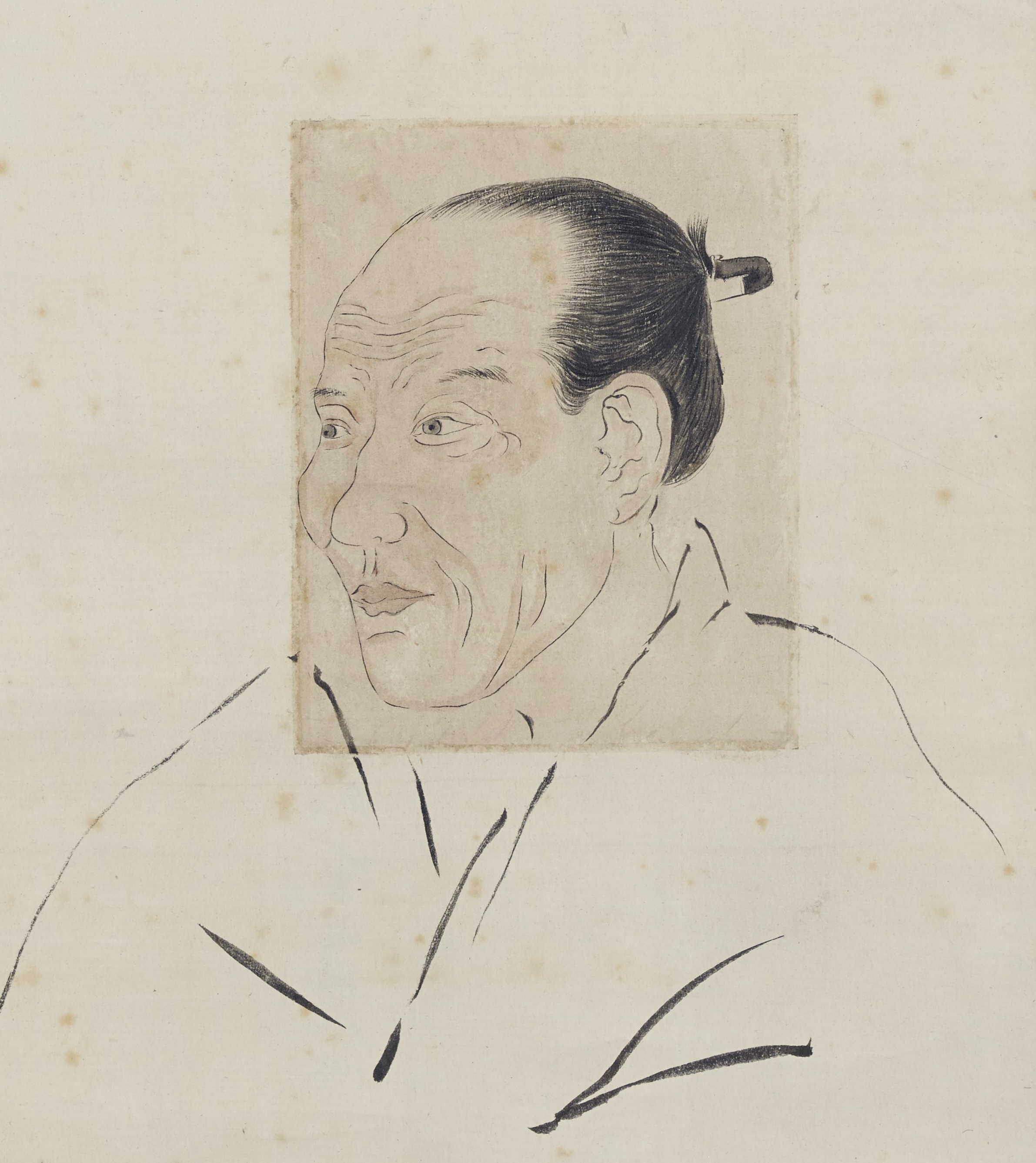
Ito Jinsai
 (伊藤 仁斎)
Pioneering Japanese Confucian philosopher and humanist who founded the renowned Kogido Academy in Kyoto, teaching that moral benevolence (Ren) is an active emotional affection rather than cold metaphysical dogma.
Ibrahim Sharif al-Tunisi
 (إبراهيم الشريف)
Agha of the Spahis who assassinated Murad III in 1702, briefly uniting the titles of Dey, Bey, and Pasha, captured in 1705 by the Dey of Algiers, precipitating the accession of Husayn I ibn Ali.
Muhammad ibn Haddu al-Attar
 (محمد بن حدو العطار)
Celebrated Moroccan ambassador sent by Sultan Moulay Ismail to King Charles II of England in 1682, elected Fellow of the Royal Society for his scholarly erudition and horsemanship.
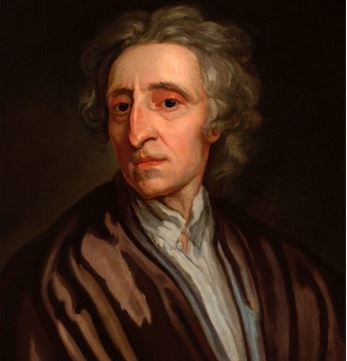
John Locke
 (John Locke)
'Father of Classical Liberalism' who argued that the human mind is a tabula rasa shaped by experience and defended inalienable natural rights to life, liberty, and property.
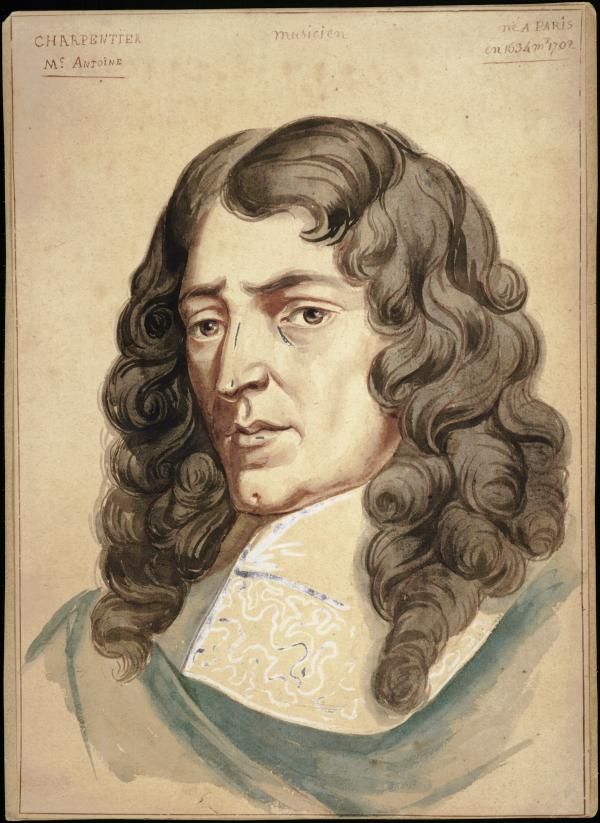
Marc-Antoine Charpentier
(Marc-Antoine Charpentier)
French Baroque master celebrated for his profound sacred choral polyphony, his collaboration with Molière on 'The Imaginary Invalid', and the iconic Eurovision anthem 'Te Deum'.
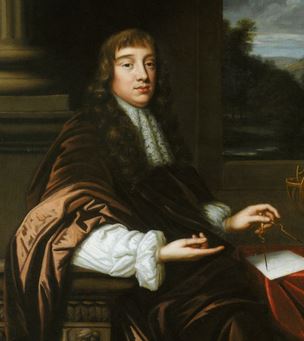
Robert Hooke
(Robert Hooke)
Curator of Experiments to the Royal Society who coined the biological term 'cell' in Micrographia (1665), discovered Hooke's Law of elasticity, and rebuilt London after the Great Fire.
Murad III Bey al-Muradi
(مراد الثالث باي (بو بالة))
The last Muradid Bey of Tunis, whose violent three-year reign culminated in his assassination in 1702 by Ibrahim Sharif, ending the Muradid dynasty and leading to the rise of the Husainids.
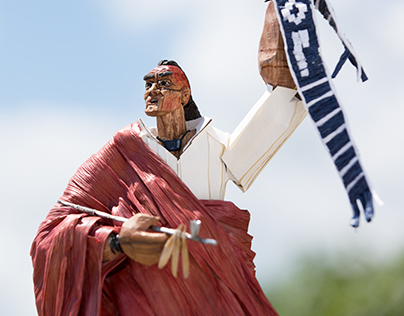
Kondiaronk
(Kondiaronk)
Brilliant Wyandot chief and philosopher whose masterful diplomacy united thirty-nine Indigenous nations and New France in the historic Great Peace of Montreal in 1701.
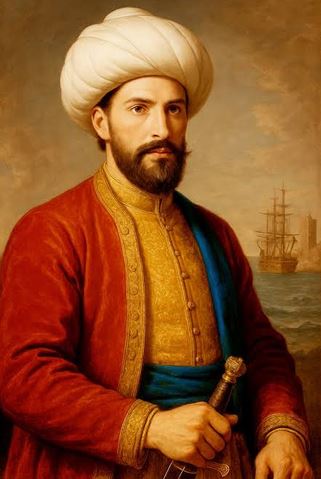
Dey Mezzomorto Hüseyin Pasha
 (حسين ميزو مورتو)
Heroic naval commander and Dey of Algiers (1683–1688) who repulsed French naval bombardments and was later appointed Grand Admiral of the entire Ottoman Imperial Navy.
André Le Nôtre
(André Le Nôtre)
Supreme master landscape architect whose formal gardens at Vaux-le-Vicomte, Versailles, Chantilly, and the Tuileries perfected the 'jardin à la française', subjecting nature to mathematical perspective and human reason.
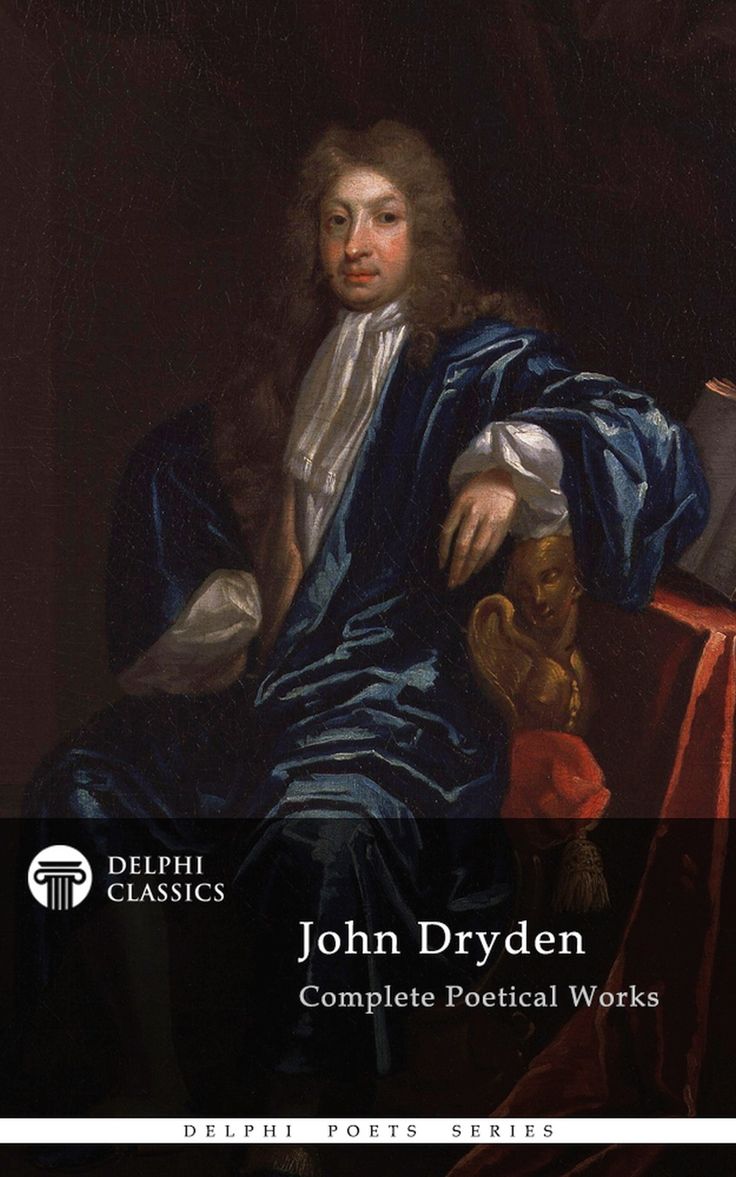
John Dryden
(John Dryden)
Foremost English poet, dramatist, and literary critic of the Restoration, appointed England's first official Poet Laureate in 1668.