Public Figures & Cultural Luminaries
Filterable archive covering centuries of intellectual, artistic, and moral contributions to the human story.
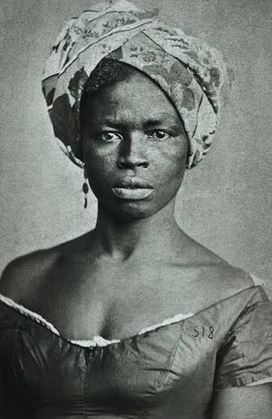
Dandara dos Palmares
 (Dandara dos Palmares)
Afro-Brazilian warrior queen, capoeira master, and military commander of Quilombo dos Palmares alongside her partner Zumbi, who chose death by leaping from a mountain precipice rather than submit to colonial re-enslavement.
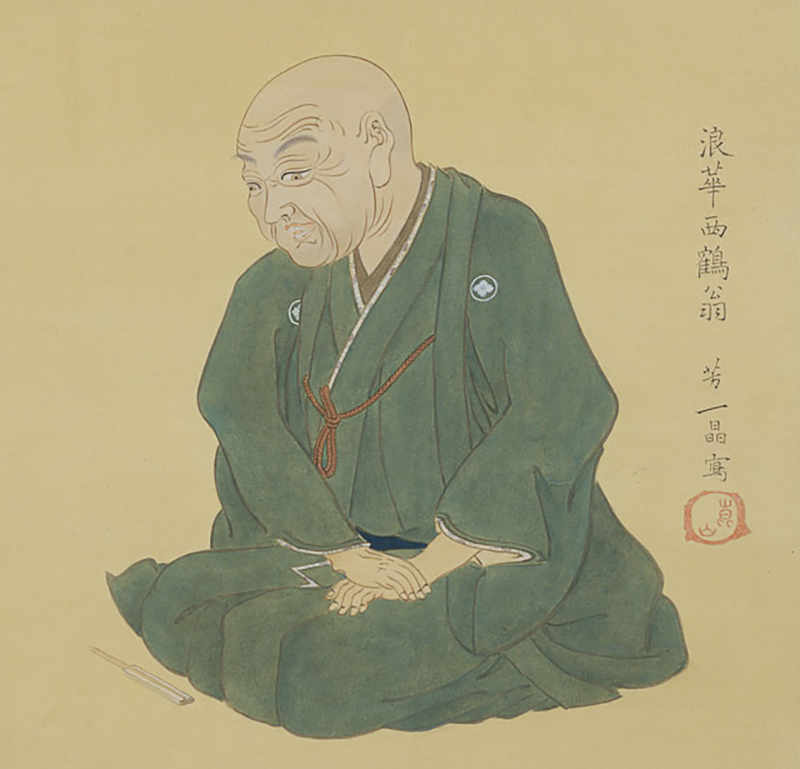
Ihara Saikaku
 (井原西鶴 (Hirayama Togo))
Seventeenth-century Japanese poet and novelist (1642–1693) who created the 'ukiyo-zoshi' (books of the floating world) genre, revolutionizing Japanese popular prose fiction with realistic depictions of urban merchant life and courtesan culture.
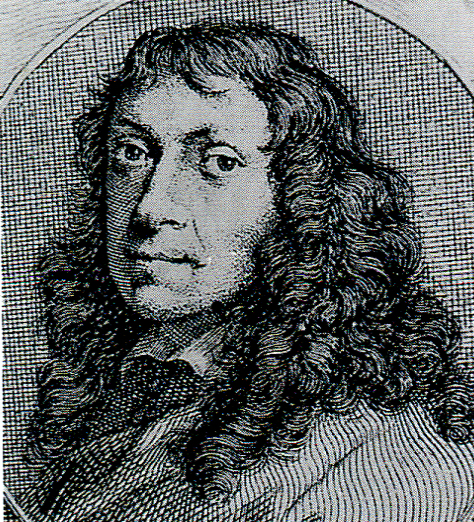
Willem Kalf
 (Willem Kalf)
Foremost Dutch painter of pronkstilleven (sumptuous still lifes) whose dramatic chiaroscuro rendered peeled lemons, Ming porcelain, and Venetian glass with astonishing optical brilliance.
Madame de La Fayette
 (Marie-Madeleine Pioche de La Vergne, comtesse de La Fayette)
French author whose 1678 masterpiece La Princesse de Clèves is universally recognized as the foundation of the modern psychological novel, famed for its spare, elegant prose and profound moral dilemma.
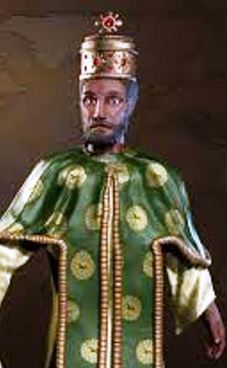
Zar Yaqob
 (ዘርዐ ያዕቆብ)
Seventeenth-century Ethiopian philosopher whose 1667 treatise Hatata pioneered rationalist deconstructive philosophy and individual conscience years before John Locke and Spinoza.
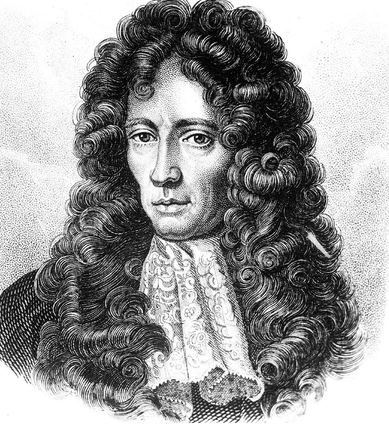
Robert Boyle
 (Robert Boyle)
Founding Fellow of the Royal Society who formulated Boyle's Law of gas pressure and volume, and authored The Sceptical Chymist (1661), defining chemical elements as unmingled bodies.
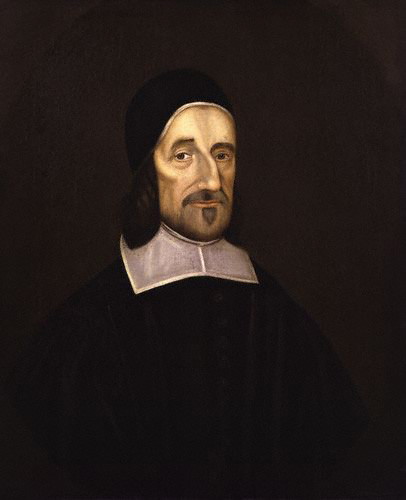
Richard Baxter
 (Richard Baxter)
English Puritan churchman, poet, and pastoral pioneer whose 'The Reformed Pastor' and 'The Saints' Everlasting Rest' set the gold standard for pastoral counseling and nonconformity.
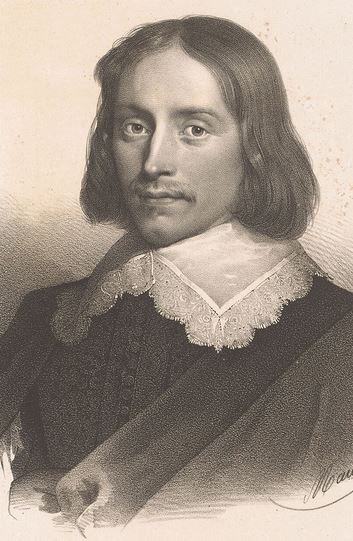
Aelbert Jacobszoon Cuyp
(Aelbert Cuyp)
Dutch Golden Age landscape master renowned for his golden Mediterranean evening light bathing pastoral scenes of cattle, horsemen, and rivers around Dordrecht.
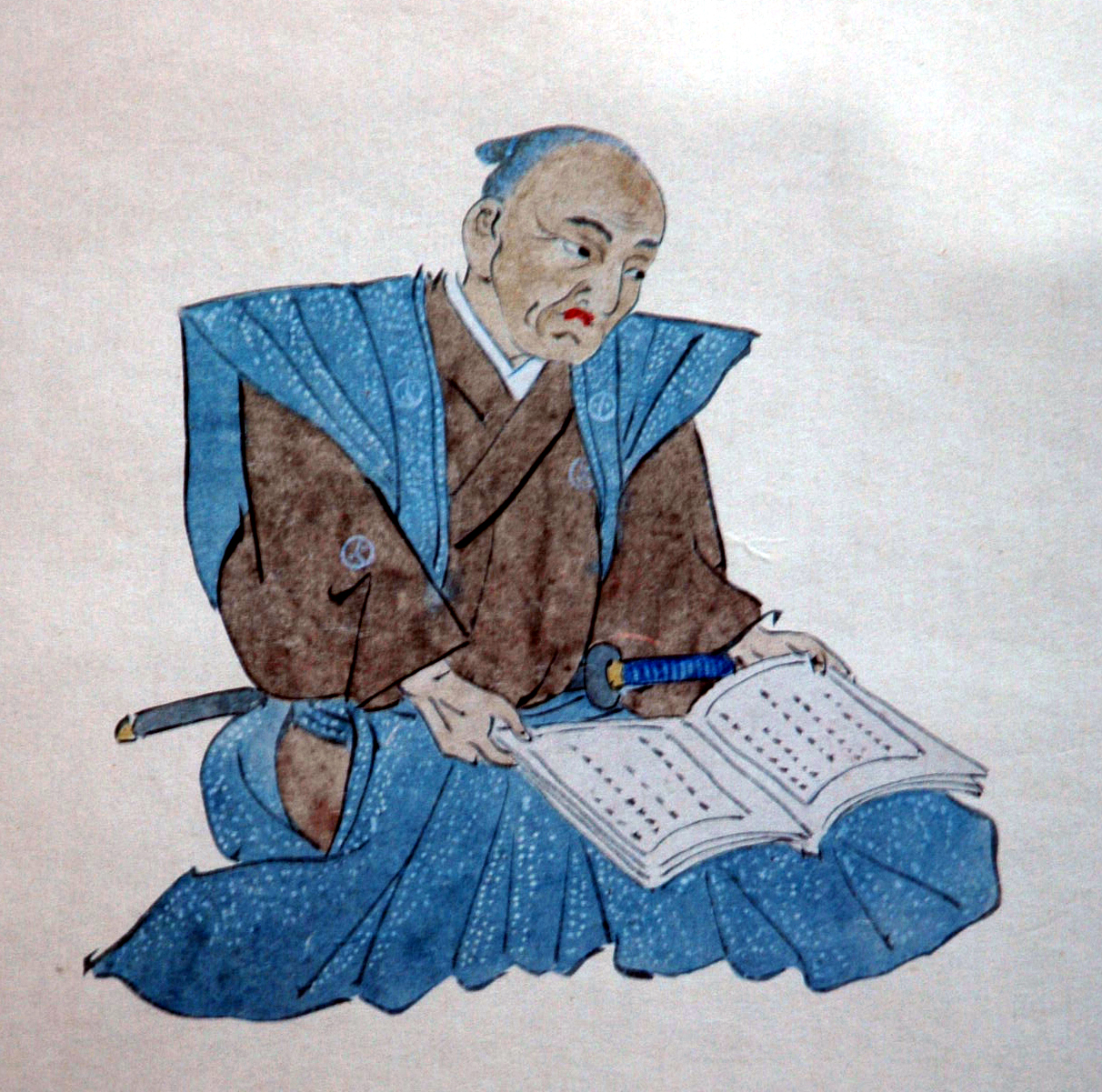
Kumazawa Banzan
(熊沢 蕃山)
Visionary Edo-period Japanese philosopher of the Wang Yangming school (Oyomeigaku) who served as chief advisor in Okayama Domain and formulated the world's earliest comprehensive philosophy of ecological conservation and watershed management.
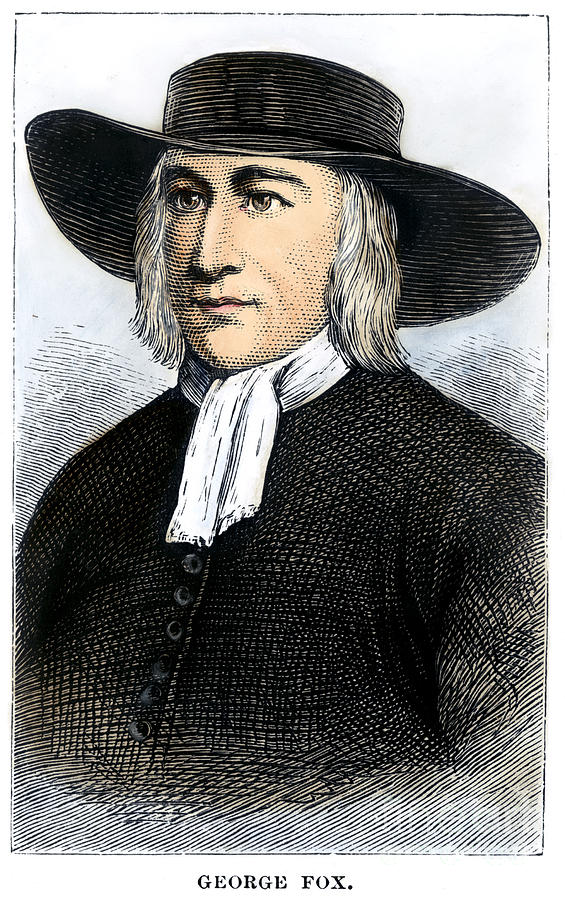
George Fox
(George Fox)
Fondateur de la Société religieuse des Amis (Quakers), précurseur de l'égalité spirituelle absolue et du témoignage pacifiste de non-violence.
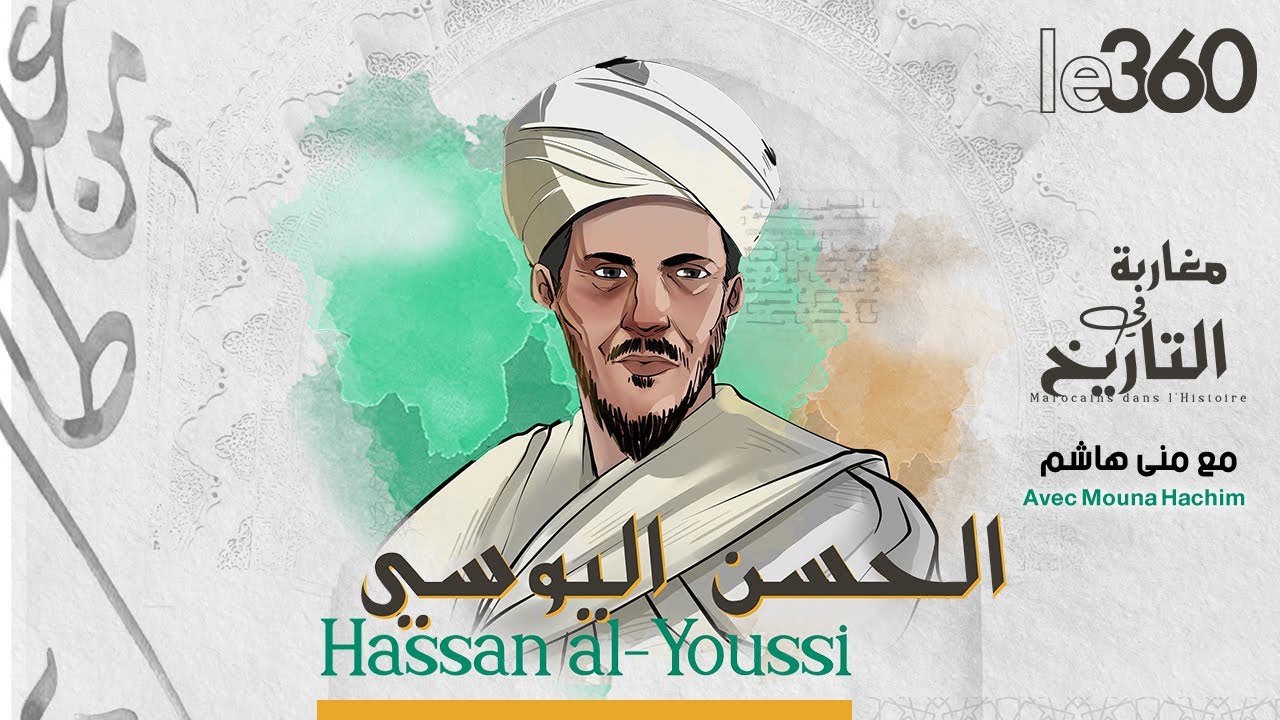
Al-Hasan al-Yusi
 (الحسن بن مسعود اليوسي)
Towering 17th-century Moroccan intellectual, Sufi philosopher, and grammarian from the Middle Atlas who famously confronted Sultan Moulay Ismail with letters defending justice and the rights of subjects.
David Teniers the Younger
 (David Teniers de Jonge)
Eminent Flemish painter and keeper of the royal art collection in Brussels who painted lively tavern kermesses, pioneering gallery interior paintings, and founded the Royal Academy of Fine Arts Antwerp.
Charles Le Brun
(Charles Le Brun)
Dominant artistic dictator of the Grand Siècle who directed the Royal Academy of Painting and Sculpture, headed the Gobelins Manufactory, and painted the ceiling of the Hall of Mirrors at Versailles.
Abu Abdallah Muhammad al-Boukrana
 (سيدي بوكرانة البنزرتي)
17th-century Sufi saint and patron of Bizerte, whose hermitage and zawiya overlooking the old canal and port of Bizerte provided refuge for sailors and impoverished fishermen.
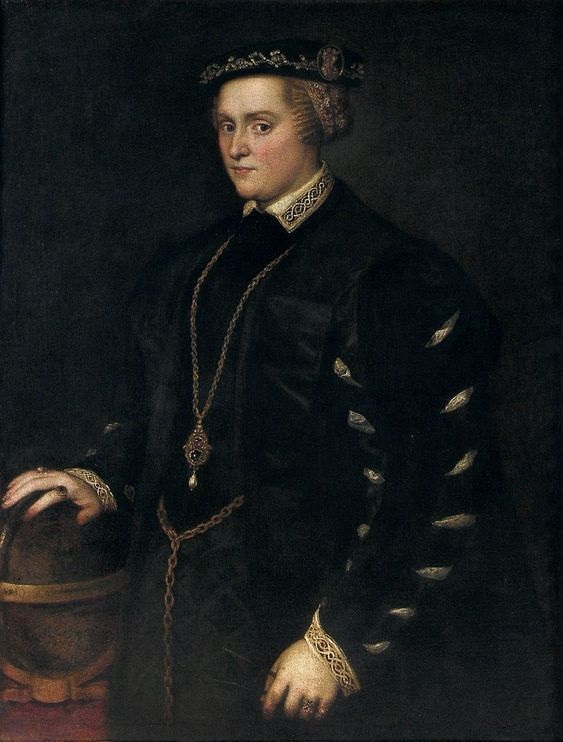
Queen Christina
 (Kristina Augusta)
Queen Regnant of Sweden (1632–1654) renowned as the 'Minerva of the North', who invited René Descartes to Stockholm, patronized European scholarship, and abdicated to live in Rome.
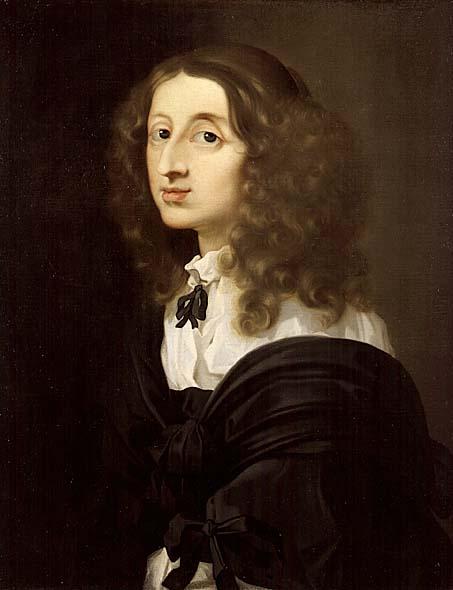
Queen Christina of Sweden
(Drottning Kristina (Kristina Augusta))
Queen of Sweden, 'Minerva of the North', who ended the Thirty Years' War, shocked Europe by abdicating to convert to Catholicism, and lived as a patron in Rome.
Michaelina Wautier
(Michaelina Wautier / Woutiers)
Extraordinary Flemish Baroque painter whose monumental masterpiece The Triumph of Bacchus demonstrated command over large-scale historical and mythological genres rarely permitted to women of her era.
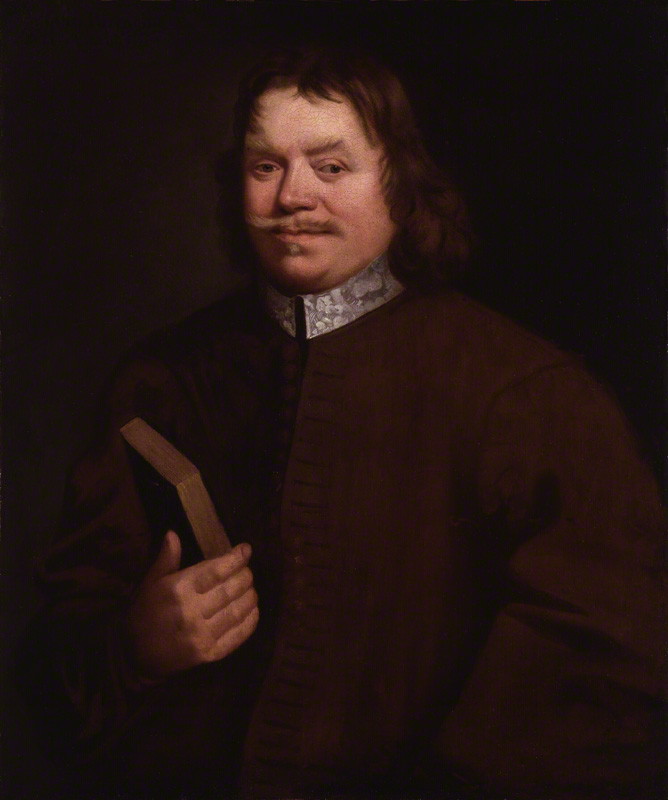
John Bunyan
(John Bunyan)
English Puritan preacher and author whose allegorical masterpiece 'The Pilgrim's Progress'—composed in Bedford Gaol—is one of the most published works in the history of world literature.