 Great Britain
•
9 views
Great Britain
•
9 views
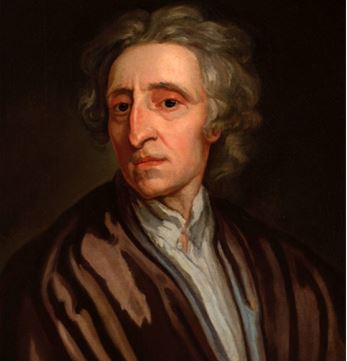
John Locke

Wrington (Somerset), Great Britain
Archival Overview
'Father of Classical Liberalism' who argued that the human mind is a tabula rasa shaped by experience and defended inalienable natural rights to life, liberty, and property.
Biographical Record
John Locke (1632–1704), educated at Christ Church, Oxford, trained as a physician and served as confidential adviser to Lord Shaftesbury. Living in Dutch exile during the volatile reign of James II, Locke developed the political and epistemological doctrines that defined the Enlightenment and the American Revolution.
In An Essay Concerning Human Understanding (1689), he refuted innate ideas, positing that the mind begins as a blank slate (*tabula rasa*). In his Two Treatises of Government, Locke asserted that governments derive legitimate power solely from the consent of the governed, with a sacred duty to protect life, liberty, and property.
Key Life Milestones
Publication of 'Two Treatises of Government'
Articulated the social contract theory, property rights, and the legitimate right of revolution against tyranny.
Publication of 'An Essay Concerning Human Understanding'
Established empirical epistemology, tracing all human ideas to sensory sensation and internal reflection.
Memorial Guestbook & Tributes
0 messages recordedLeave a Respectful Tribute
Final Resting Place
Perpetual MemorialHigh Laver (Essex), Great Britain