Public Figures & Cultural Luminaries
Filterable archive covering centuries of intellectual, artistic, and moral contributions to the human story.
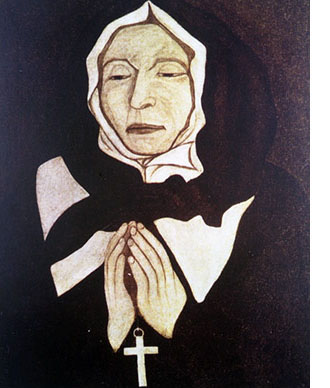
Marguerite Bourgeoys
 (Marguerite Bourgeoys)
Canada's first female educator and saint who founded the Congregation of Notre Dame in 1658, opening the colony's first uncloistered religious school for girls and Indigenous children.
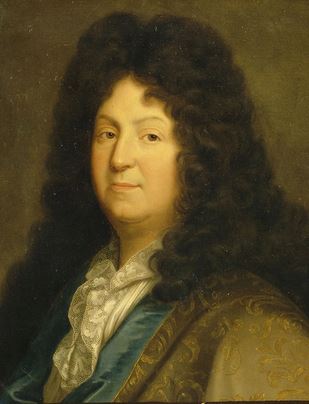
Jean-Baptiste Racine
(Jean Racine)
Supreme dramatist of French classical tragedy whose immaculate alexandrine verse and psychological intensity in Phèdre, Andromaque, and Britannicus captured the destructive, uncontrollable fury of human passion.
Ramadan Bey al-Muradi
 (رمضان باي المرادي)
Muradid Bey of Tunis (1696–1699) celebrated for his gentle, cultured disposition, love of music and Italian theater, overthrown and assassinated in 1699.
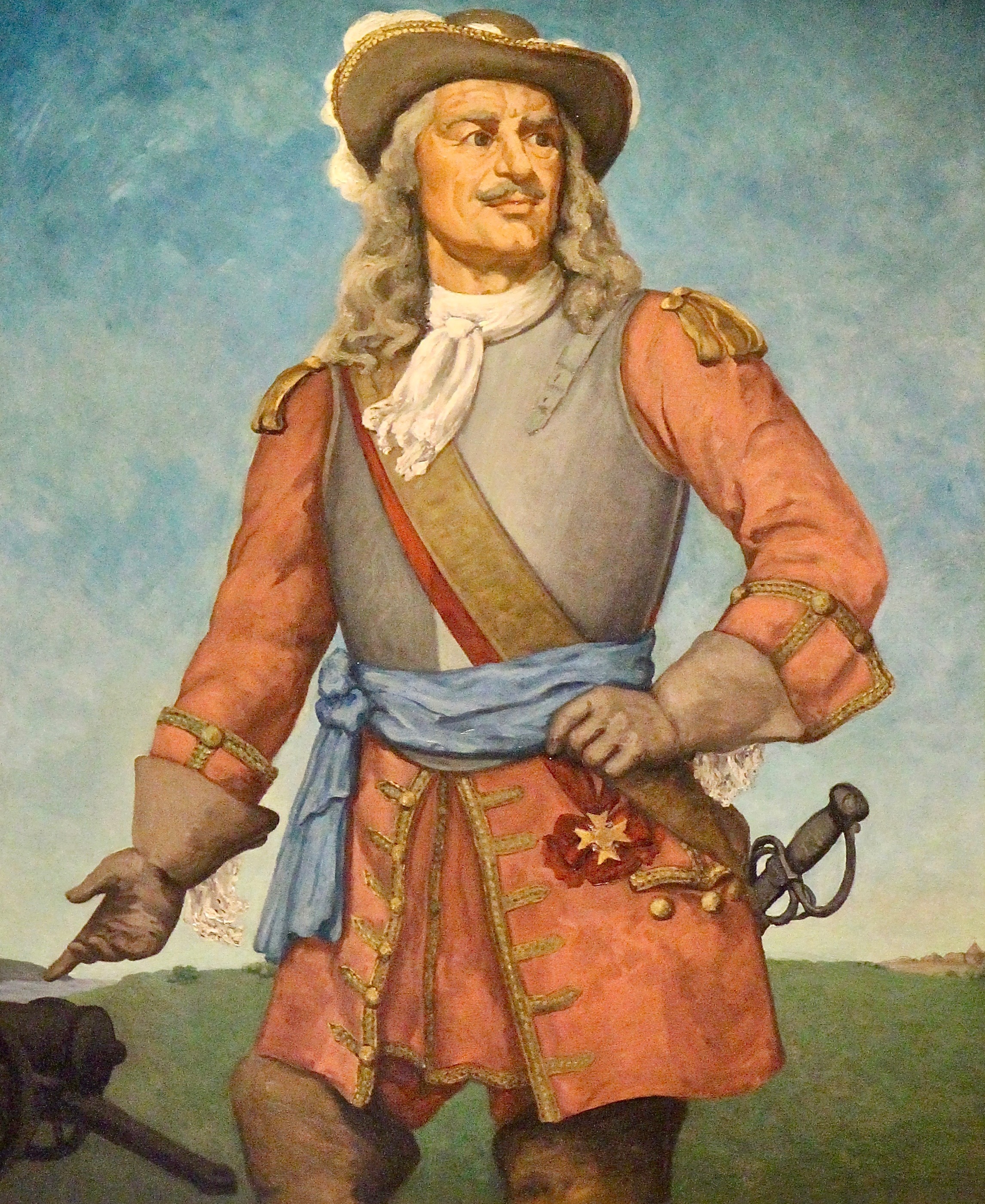
Louis de Buade de Frontenac
(Louis de Buade, comte de Frontenac et de Palluau)
Flamboyant and formidable Governor General of New France who expanded western fur trade forts and famously repelled Sir William Phips's English invasion of Quebec in 1690.
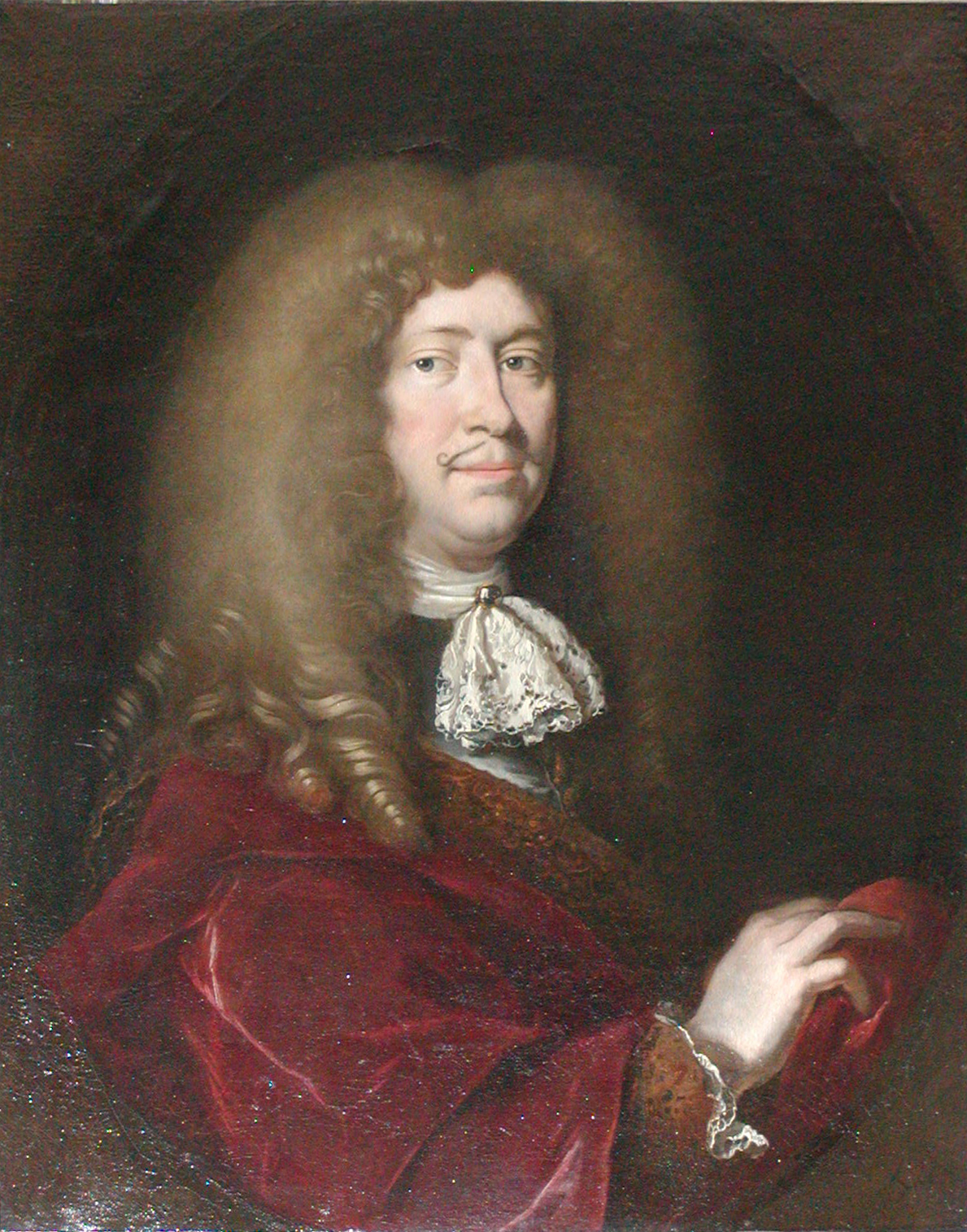
Rasmus Bartholin
 (Rasmus Bartholin)
Pioneering Danish physician and mathematician who discovered the double refraction of light in Iceland spar in 1669, laying the experimental foundation for polarization and wave optics.
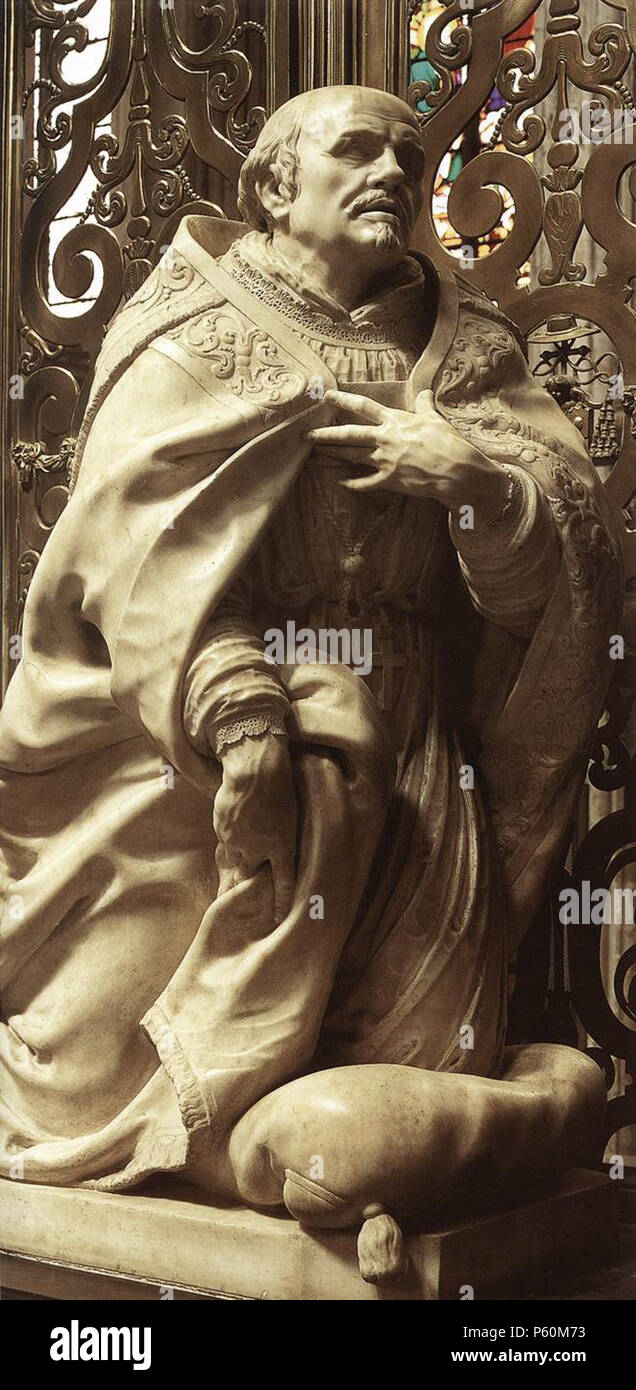
Lucas Faydherbe
 (Lucas Faydherbe)
Foremost Flemish Baroque sculptor and architect of Mechelen who trained in the workshop of Peter Paul Rubens and designed the monumental Basilica of Our Lady of Hanswijk.
Muhammad Bey al-Muradi
(محمد باي المرادي)
Muradid Bey of Tunis who built the magnificent Ottoman-style domed Mosque of Sidi Mahrez in the Bab Souika quarter of Tunis, modeled on the Sultan Ahmed Mosque in Istanbul.
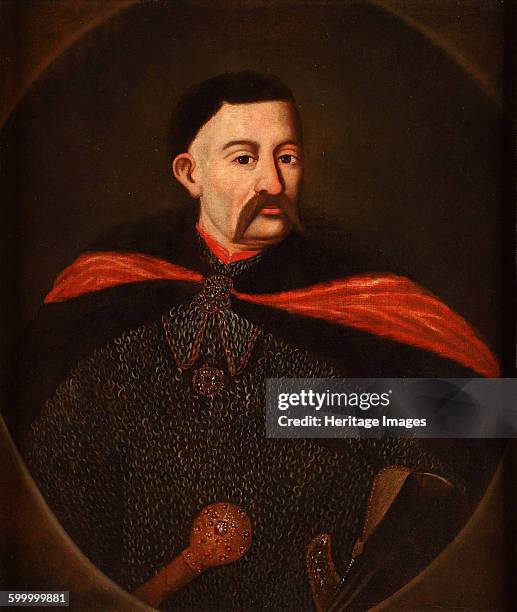
John III Sobieski
 (Jan III Sobieski)
King of Poland and Grand Duke of Lithuania whose legendary Winged Hussar charge saved Vienna from Ottoman conquest in 1683.
Jean de La Bruyère
(Jean de La Bruyère)
Brilliant French moralist and satirist whose 1688 masterpiece Les Caractères ou les Mœurs de ce siècle captured the vanities, social climbing, and hypocrisy of seventeenth-century court and bourgeois society.
Madame de Sévigné
(Marie de Rabutin-Chantal, marquise de Sévigné)
French aristocrat and preeminent epistolary writer whose celebrated collection of over 1,100 letters, primarily to her beloved daughter the Comtesse de Grignan, painted an immortal, sparkling portrait of seventeenth-century court life.
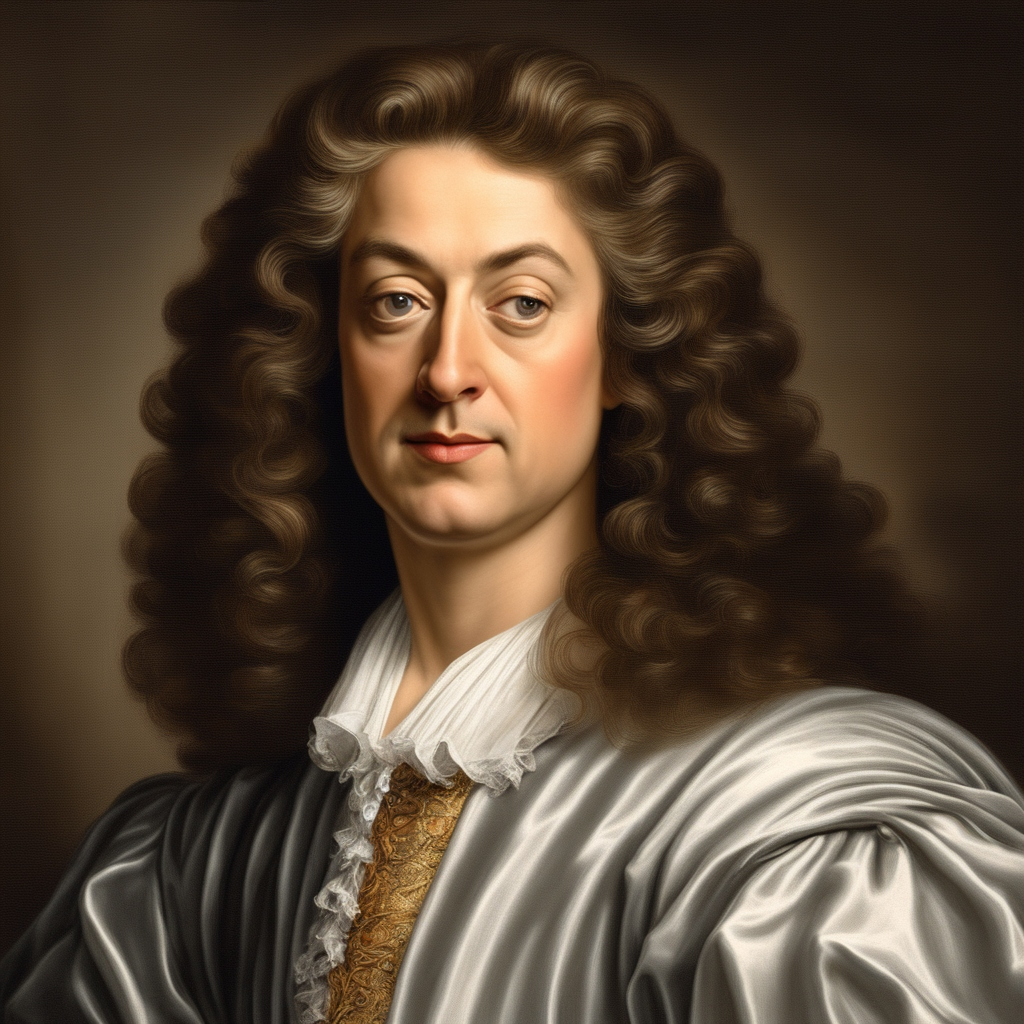
Henry Purcell
 (Henry Purcell)
Greatest English Baroque composer whose sublime theatrical music, anthems, and opera Dido and Aeneas defined British music.
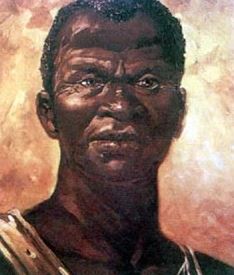
Zumbi dos Palmares
 (Zumbi dos Palmares)
Heroic military commander and last sovereign king of the Quilombo dos Palmares, the legendary free fugitive state of 30,000 Africans, indigenous peoples, and poor whites that resisted Portuguese colonial assaults for nearly a century.
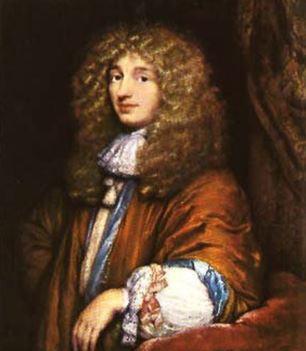
Christiaan Huygens
 (Christiaan Huygens)
Dutch polymath who formulated the wave theory of light (Huygens' principle), invented the pendulum clock, discovered Saturn's rings and moon Titan, and derived centrifugal force formulas.
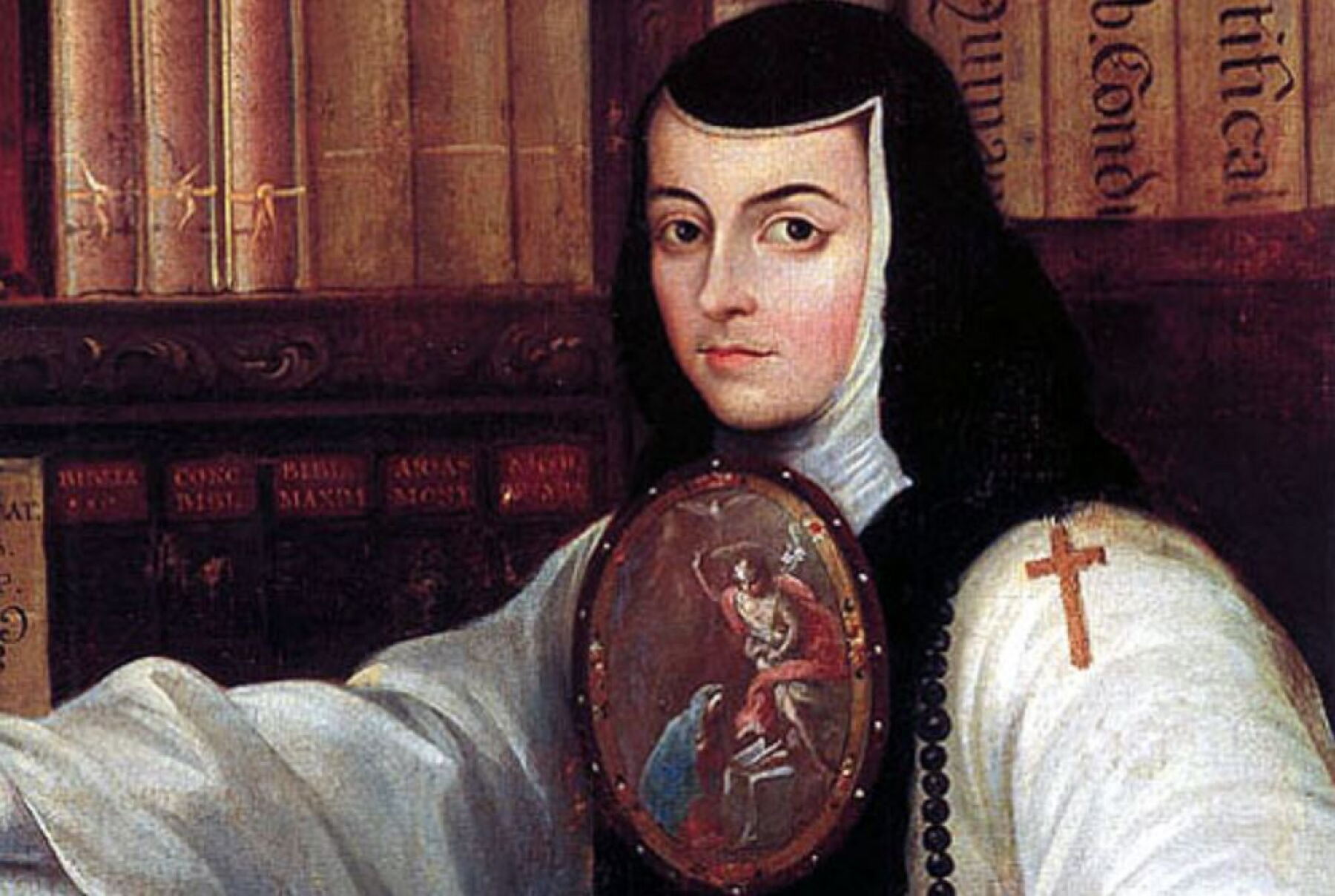
Sor Juana Inés de la Cruz
 (Juana Inés de Asbaje y Ramírez de Santillana)
Mexican Hieronymite nun, Baroque polymath, and poet known as 'The Tenth Muse' and the first published feminist of the Americas.
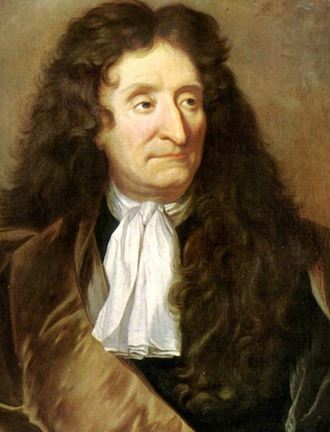
Jean de La Fontaine
(Jean de La Fontaine)
Preeminent French fabulist and poet whose 243 Fables—adapting Aesop and Indian Panchatantra tales into sparkling verse like The Crow and the Fox—provided a witty, razor-sharp critique of court politics and human nature.
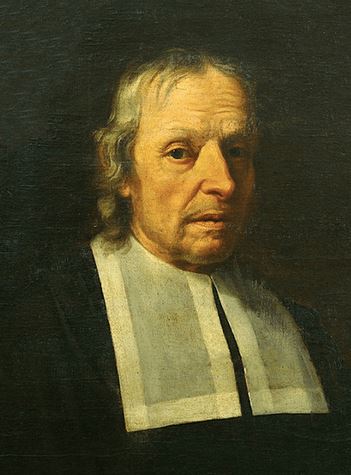
Marcello Malpighi
 (Marcello Malpighi)
Italian physician who discovered blood capillaries in frog lungs, completing Harvey's circulatory loop, and pioneered histology (Malpighian corpuscles of the kidney and spleen).
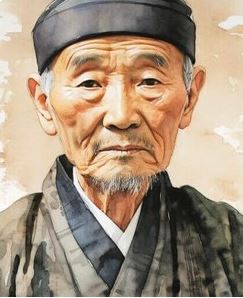
Matsuo Munefusa (Matsuo Basho)
 (松尾芭蕉)
Supreme master of Japanese haiku poetry whose Zen-infused verses and travelogue The Narrow Road to the Deep North (Oku no Hosomichi) elevated the 17-syllable poem into a timeless spiritual art form.
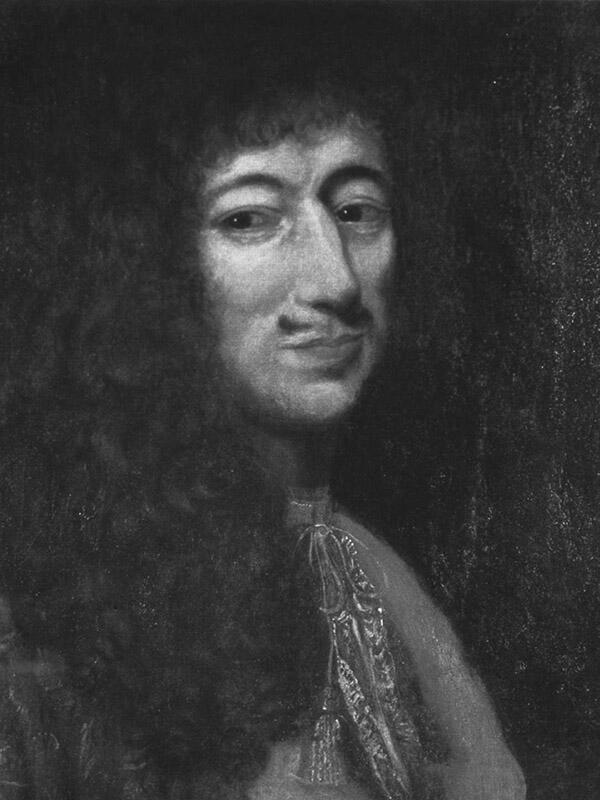
Jean Talon
(Jean Talon, comte d'Orsainville)
Visionary first Intendant of New France who conducted the first census in North America (1666), stimulated population growth through the Filles du Roy, and founded domestic industries.