 Mughal Empire
•
0 views
Mughal Empire
•
0 views
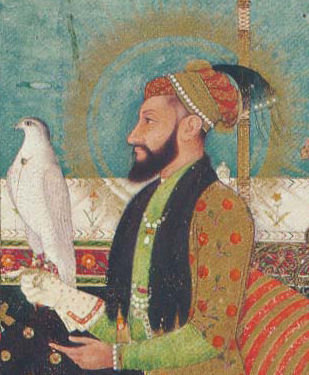
Aurangzeb

Dahod (Gujarat), Mughal Empire
Archival Overview
Sixth Mughal Emperor known as Alamgir, whose forty-nine-year reign brought the Mughal Empire to its greatest territorial extent, ruling over 150 million subjects from Kabul to southern India.
Biographical Record
Muhi al-Din Muhammad Aurangzeb (1618–1707) emerged victorious from a brutal war of succession against his brothers Dara Shikoh, Shuja, and Murad in 1658. An ascetic and tireless administrator, Aurangzeb lived modestly, memorized the Quran, and personally funded his lifestyle by sewing prayer caps and copying the Quran.
He commissioned the 'Fatawa-e-Alamgiri', a monumental 30-volume digest of Hanafi Islamic law. He spent the last twenty-five years of his life living in military tents in the Deccan, conquering the sultanates of Bijapur and Golconda before dying at eighty-eight.
Key Life Milestones
Coronation as Alamgir
Crowned sixth Mughal Emperor, embarking on five decades of administrative centralization and expansion.
Annexation of Golconda and Bijapur
Conquered the Deccan sultanates, expanding Mughal borders across virtually the entire Indian subcontinent.
Memorial Guestbook & Tributes
0 messages recordedLeave a Respectful Tribute
Final Resting Place
Perpetual MemorialKhuldabad (Maharashtra), India