Public Figures & Cultural Luminaries
Filterable archive covering centuries of intellectual, artistic, and moral contributions to the human story.
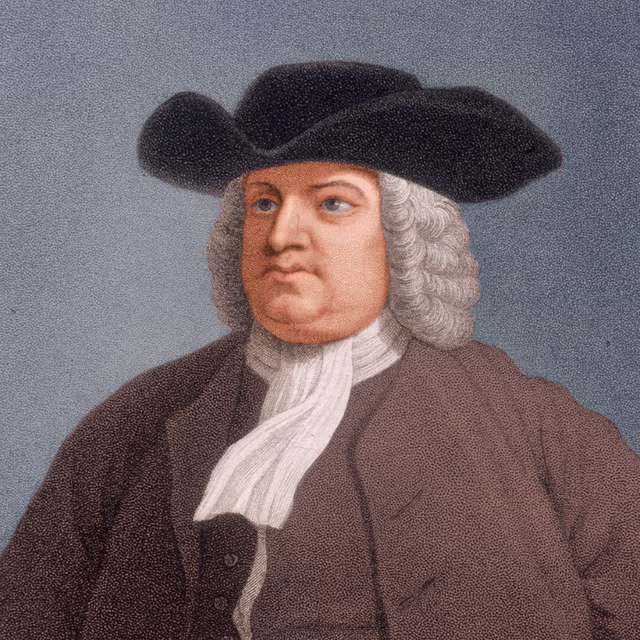
William Penn
 (William Penn)
Fondateur de la province de Pennsylvanie, pionnier de la liberté religieuse, de la démocratie participative et des traités de paix équitables avec les Amérindiens.
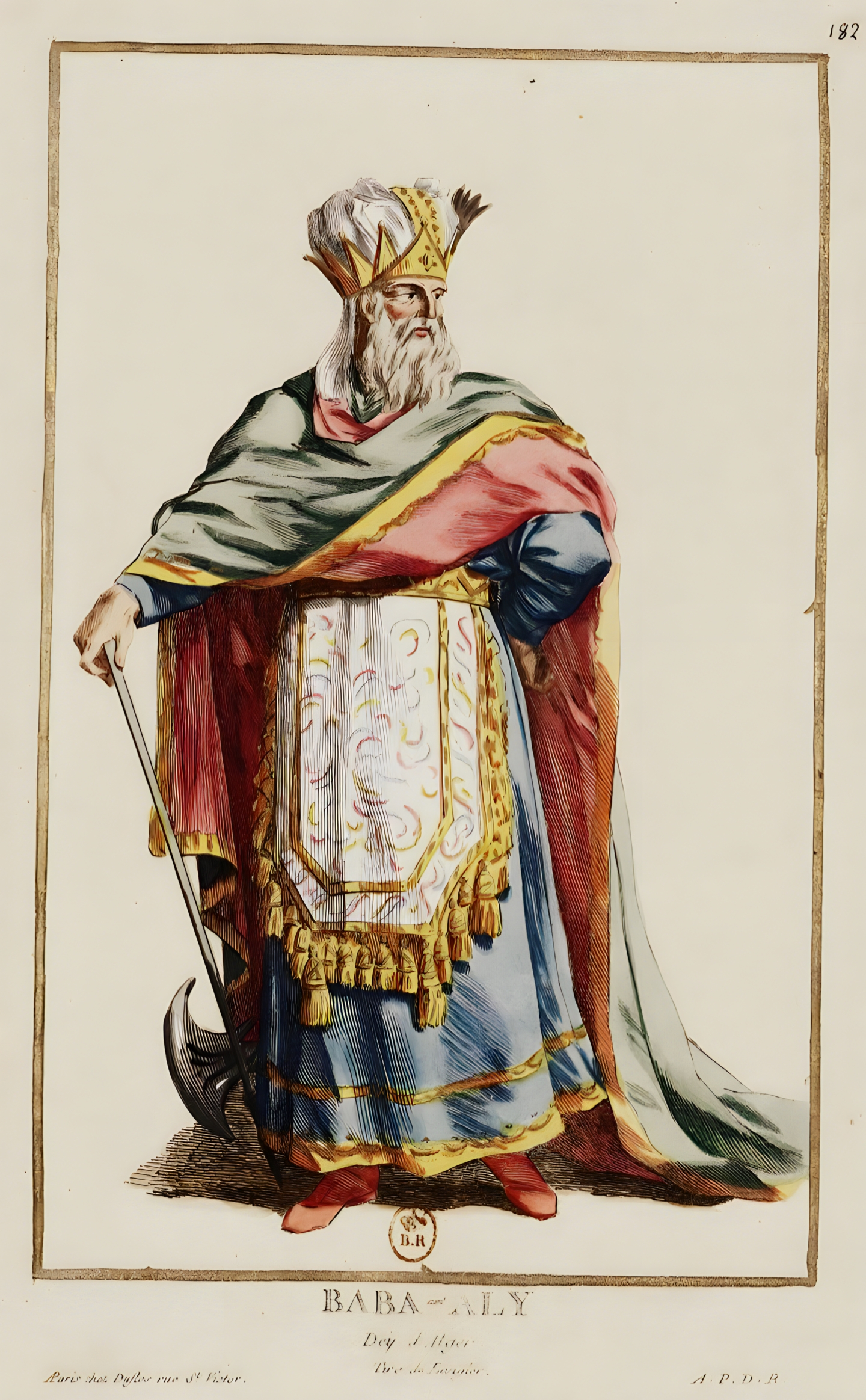
Baba Ali Chaouch
 (بابا علي شاوش)
Dey of Algiers from 1710 to 1718 who unified the offices of Dey and Pasha, expelled the Ottoman imperial envoy, and established de facto sovereign independence for the Regency of Algiers.
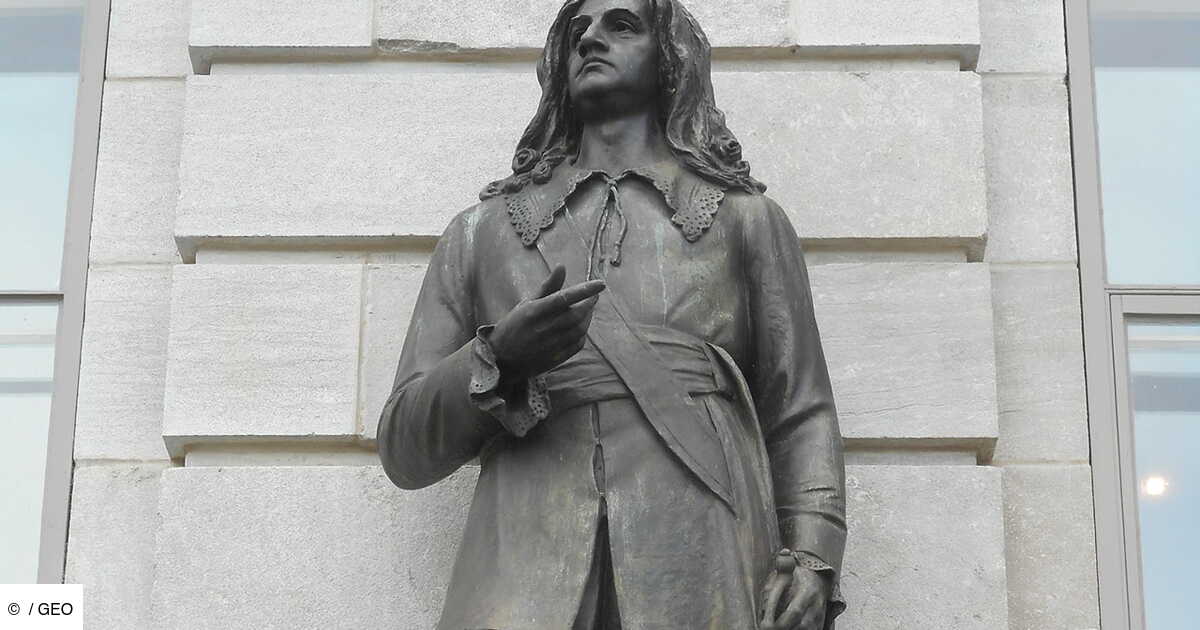
Pierre Boucher
 (Pierre Boucher)
Early Canadian colonist, interpreter, and governor of Trois-Rivières who wrote the first comprehensive natural history of New France in 1664 and founded the seigneurie of Boucherville.

Thanadelthur
 (Thanadelthur)
Young Chipewyan woman whose bravery and winter expedition forged an epochal peace between the Dene and Cree nations and enabled northern fur trade expansion.
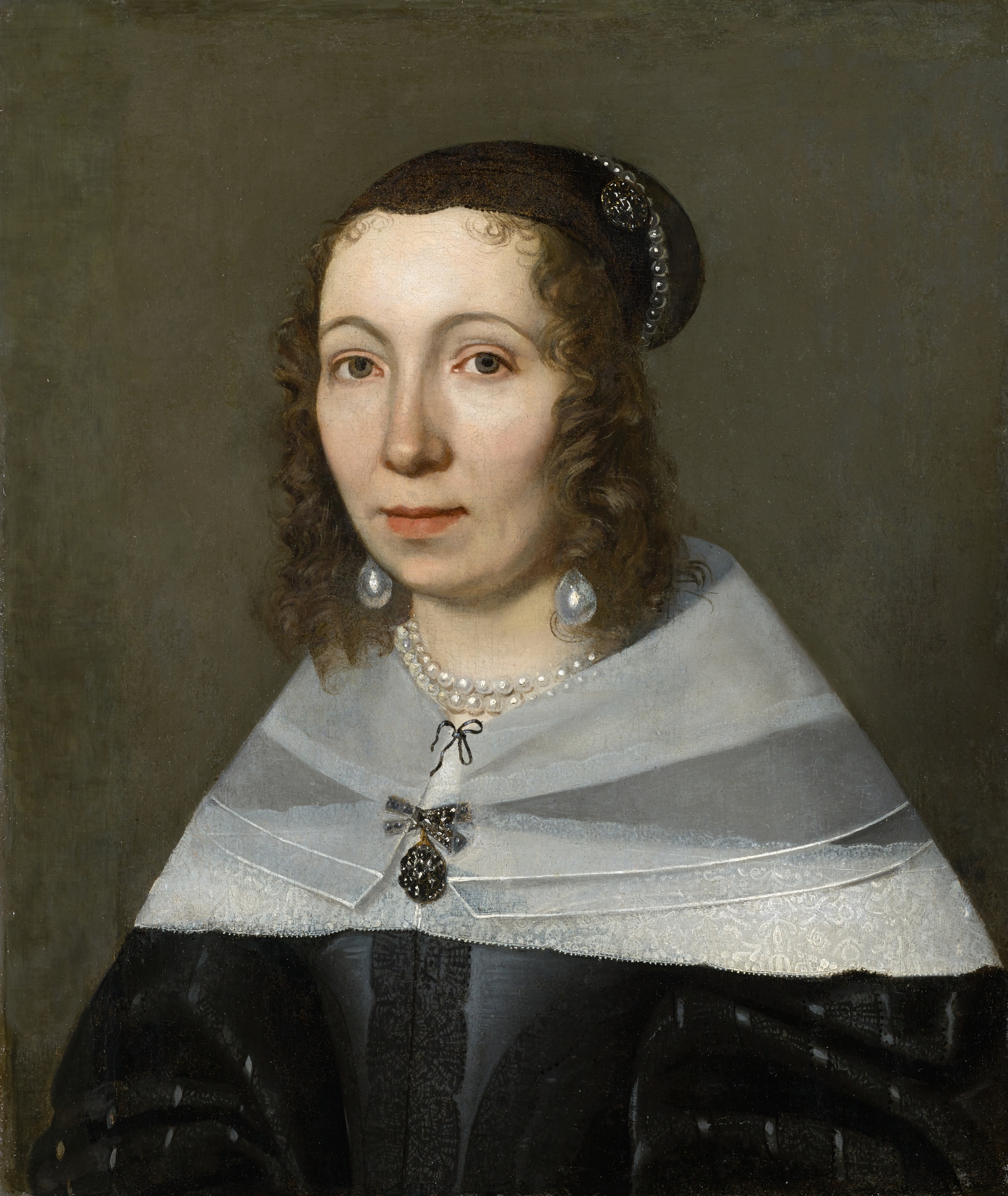
Maria Sibylla Merian
 (Maria Sibylla Merian)
German-Dutch scientific illustrator, botanist, and entomologist whose expedition to Suriname and masterpiece 'Metamorphosis Insectorum Surinamensium' revolutionized art and science.
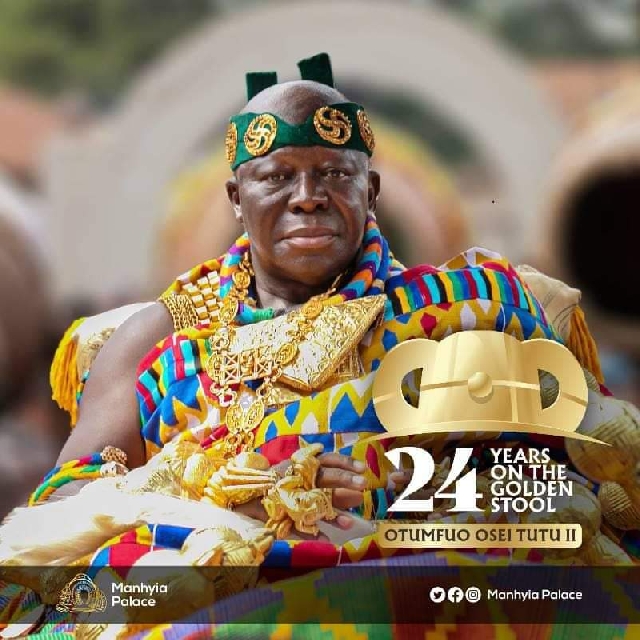
Osei Tutu I (Otumfuo Osei Tutu)
 (Osei Tutu I / Opemsuo)
Founder and first Asantehene of the Ashanti Empire who united the Akan clans and established Kumasi around the sacred Golden Stool.
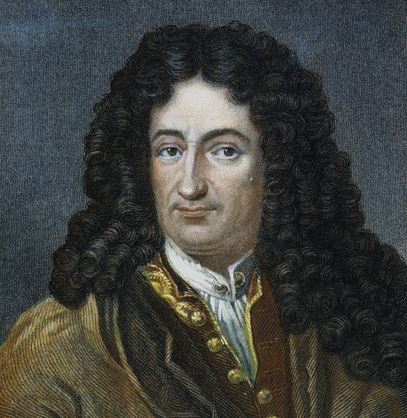
Gottfried Wilhelm Leibniz
(Gottfried Wilhelm Leibniz)
Universal genius who co-invented infinitesimal calculus, built mechanical calculators, and formulated the Monadology, the Principle of Sufficient Reason, and optimistic theodicy.
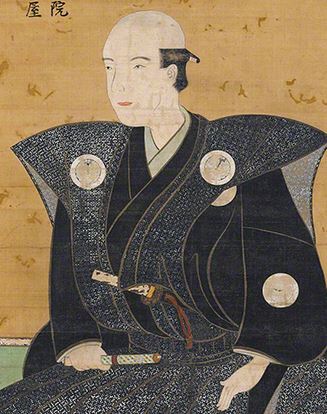
Ogata Korin
 (尾形 光琳)
Major Japanese painter and lacquer artist of the Edo period who revived and formalized the Rinpa school, world-renowned for his gold-leaf screens Irises and Red and White Plum Blossoms.
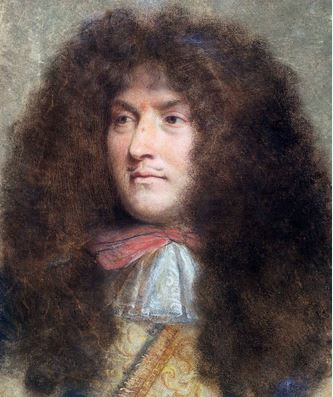
Louis XIV (The Sun King / Louis the Great)
(Louis XIV (Le Roi-Soleil))
The "Sun King" whose 72-year reign is the longest recorded in European history. Consolidated absolute royal authority, built the magnificent Palace of Versailles, and presided over the Grand Siècle of French cultural, military, and artistic preeminence.
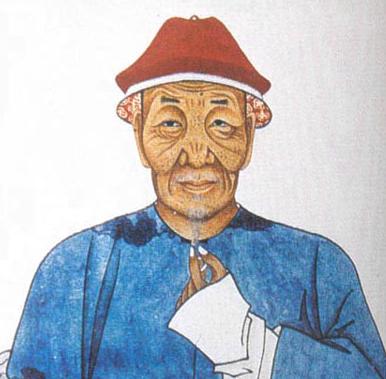
Pu Songling
 (蒲松齡 (Pu Liuxian / Liaozhai Xiansheng))
Qing dynasty author (1640–1715) renowned for 'Strange Tales from a Chinese Studio' (Liaozhai Zhiyi), a brilliant collection of nearly five hundred classical prose stories featuring ghosts, fox spirits, and sharp moral satires.
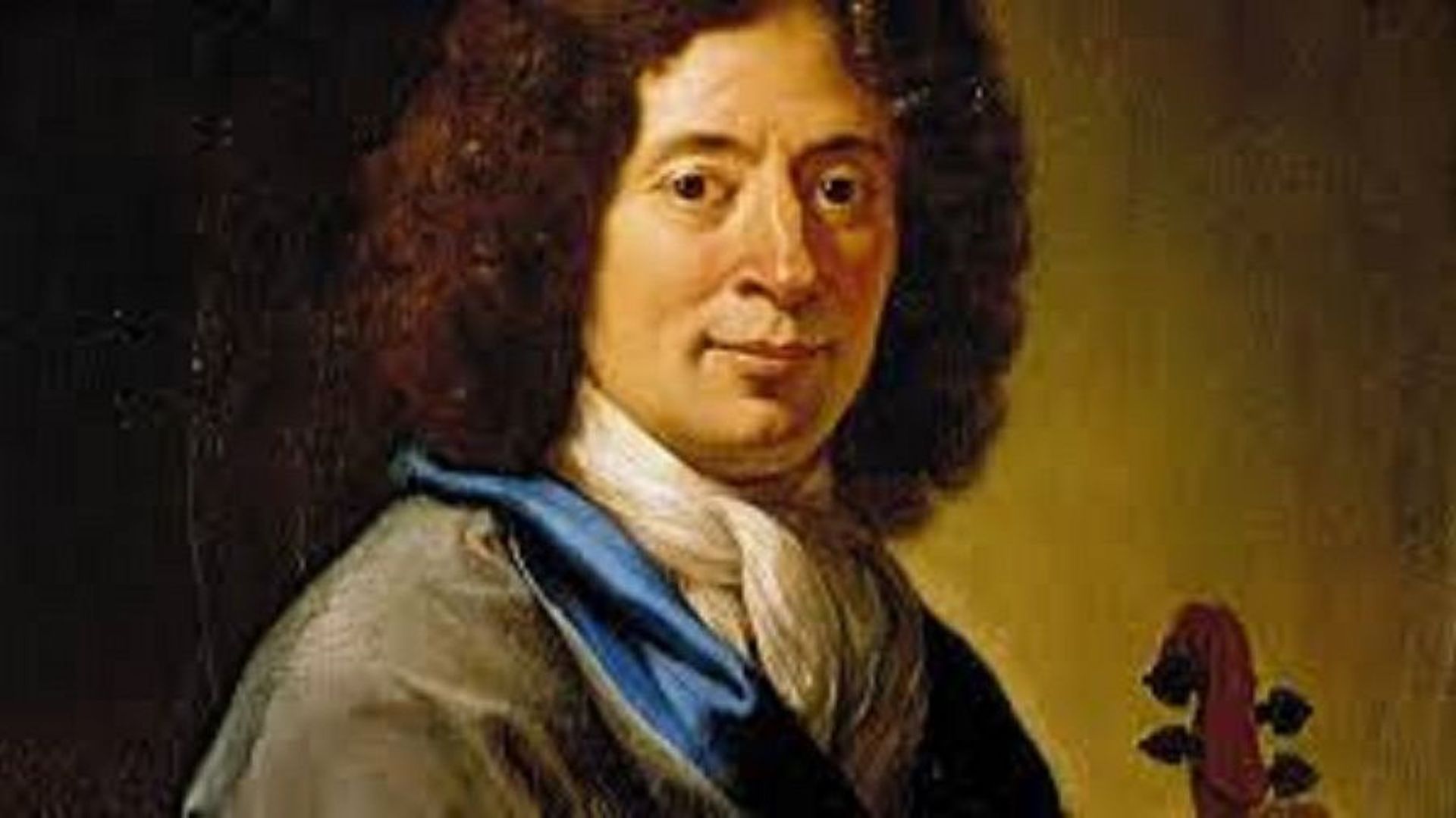
Arcangelo Corelli
 (Arcangelo Corelli)
Italian Baroque composer and violin virtuoso who developed the modern concerto grosso and classical violin technique.
Abdallah ibn Aisha
 (عبد الله بن عائشة)
Renowned Moroccan Grand Admiral from Salé who served as Sultan Moulay Ismail's ambassador to King Louis XIV of France at Versailles in 1699, famous for his cultured diplomacy and maritime prowess.
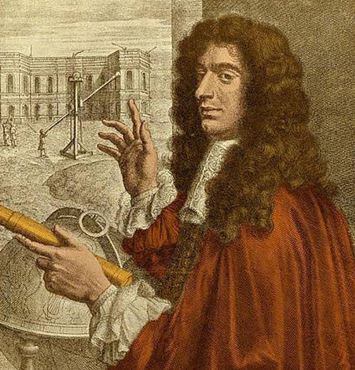
Giovanni Domenico Cassini
(Gian Domenico Cassini)
First Director of the Paris Observatory who discovered the Cassini Division in Saturn's rings, four Saturnian moons (Iapetus, Rhea, Tethys, Dione), and the rotation of Jupiter and Mars.
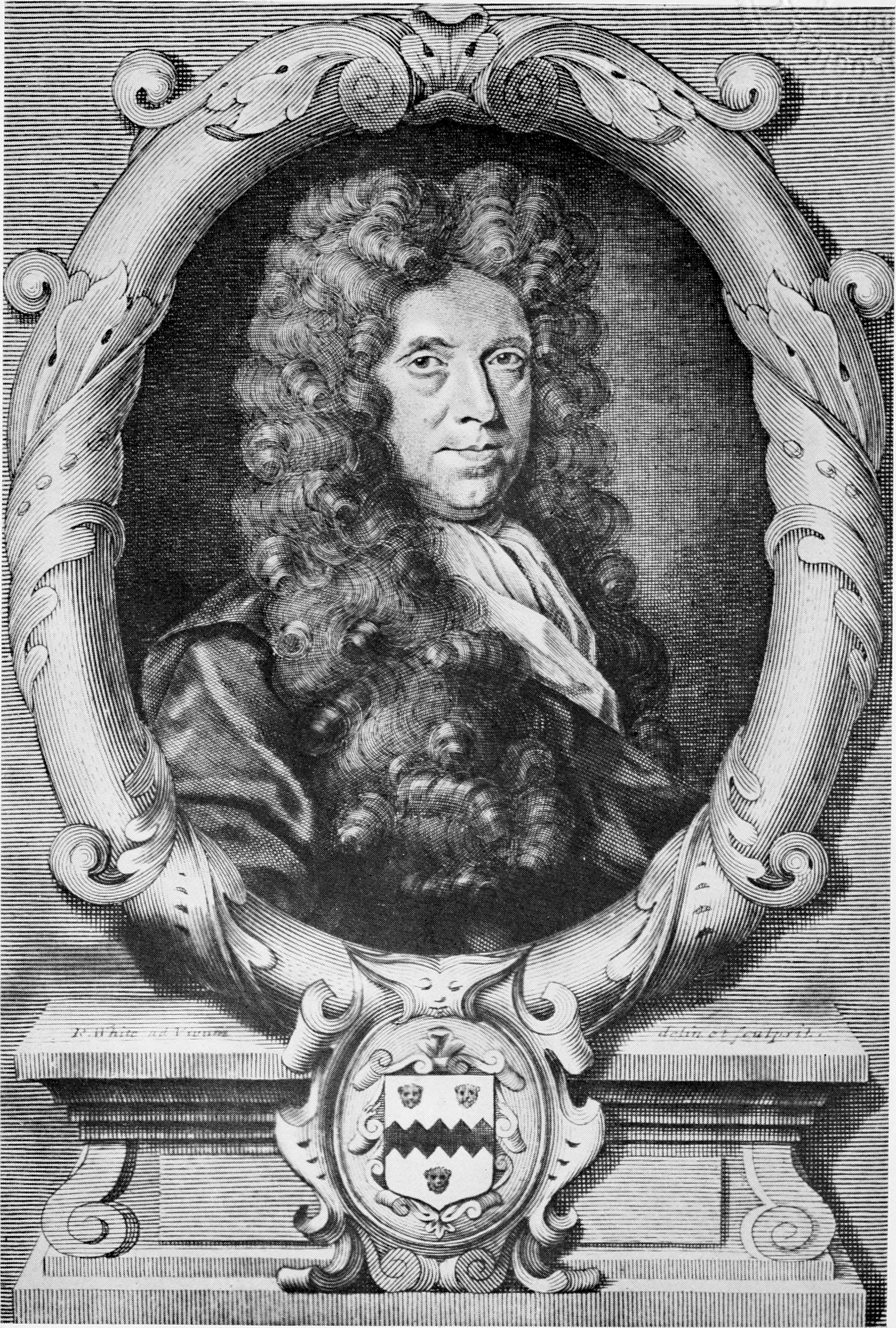
Nehemiah Grew
(Nehemiah Grew)
English physician and plant anatomist who co-founded plant anatomy alongside Malpighi, discovered that flowers are sexual reproductive organs, and published the first scientific description of human fingerprints.
Nicolas Boileau
(Nicolas Boileau-Despréaux)
Foremost poetic theorist and satirist of French Classicism known as the 'Lawgiver of Parnassus', whose L'Art poétique (1674) codified classical aesthetic principles of reason, clarity, and truth.
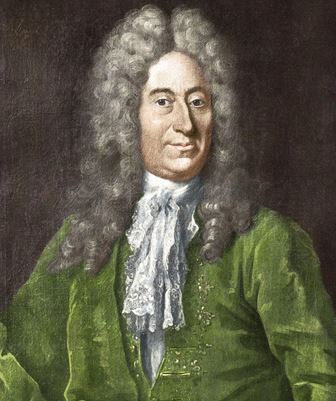
Ole Rømer
 (Ole Christensen Rømer)
Danish astronomer who made the first quantitative measurement of the speed of light in 1676 by observing the timing discrepancies of Jupiter's moon Io during Earth's orbital journey.
Sulayman al-Hanafi al-Tunisi
 (سليمان الحنفي التونسي)
Eminent 17th-century Hanafi jurist and Grand Mufti of Tunis who codified the application of Ottoman Hanafi imperial law alongside native Maliki customary law in the courts of Tunis.
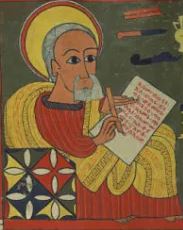
Walda Heywat
 (ወልደ ሕይወት)
Ethiopian philosopher and foremost disciple of Zar Yaqob who expanded the Hatata with profound ethical treatises on practical morality, women's rights, and social justice.