Public Figures & Cultural Luminaries
Filterable archive covering centuries of intellectual, artistic, and moral contributions to the human story.
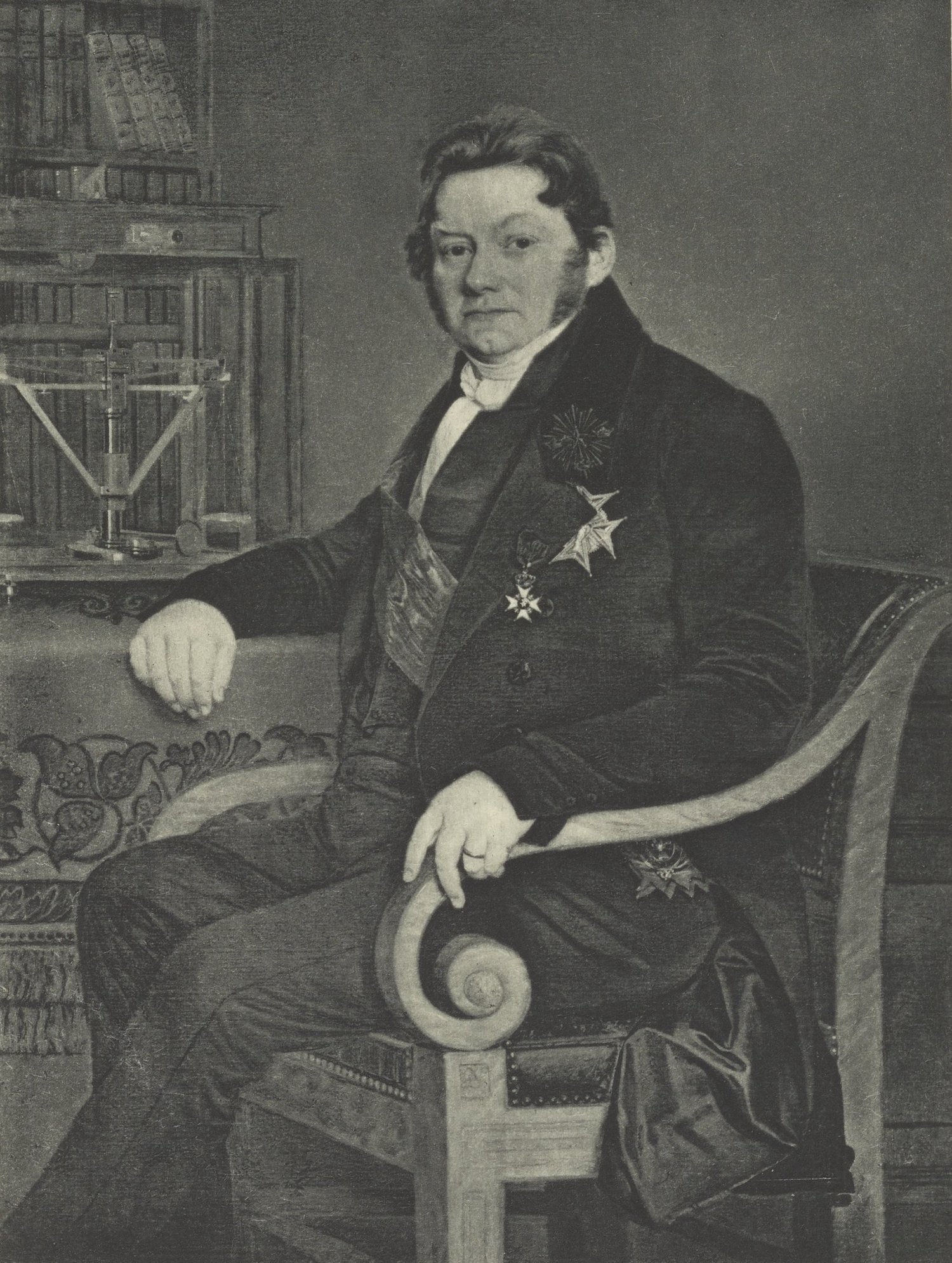
Jöns Jacob Berzelius
 (Jöns Jacob Berzelius)
Swedish chemist revered as a founder of modern chemistry who created modern chemical notation and discovered cerium, selenium, and silicon.
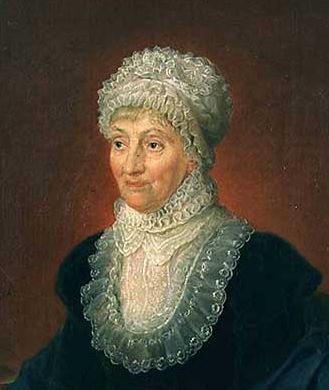
Caroline Herschel
 (Caroline Lucretia Herschel)
First woman to receive a salary as a professional scientist, who discovered eight comets (including periodic comet 35P/Herschel-Rigollet) and compiled the definitive NGC nebula catalogs.
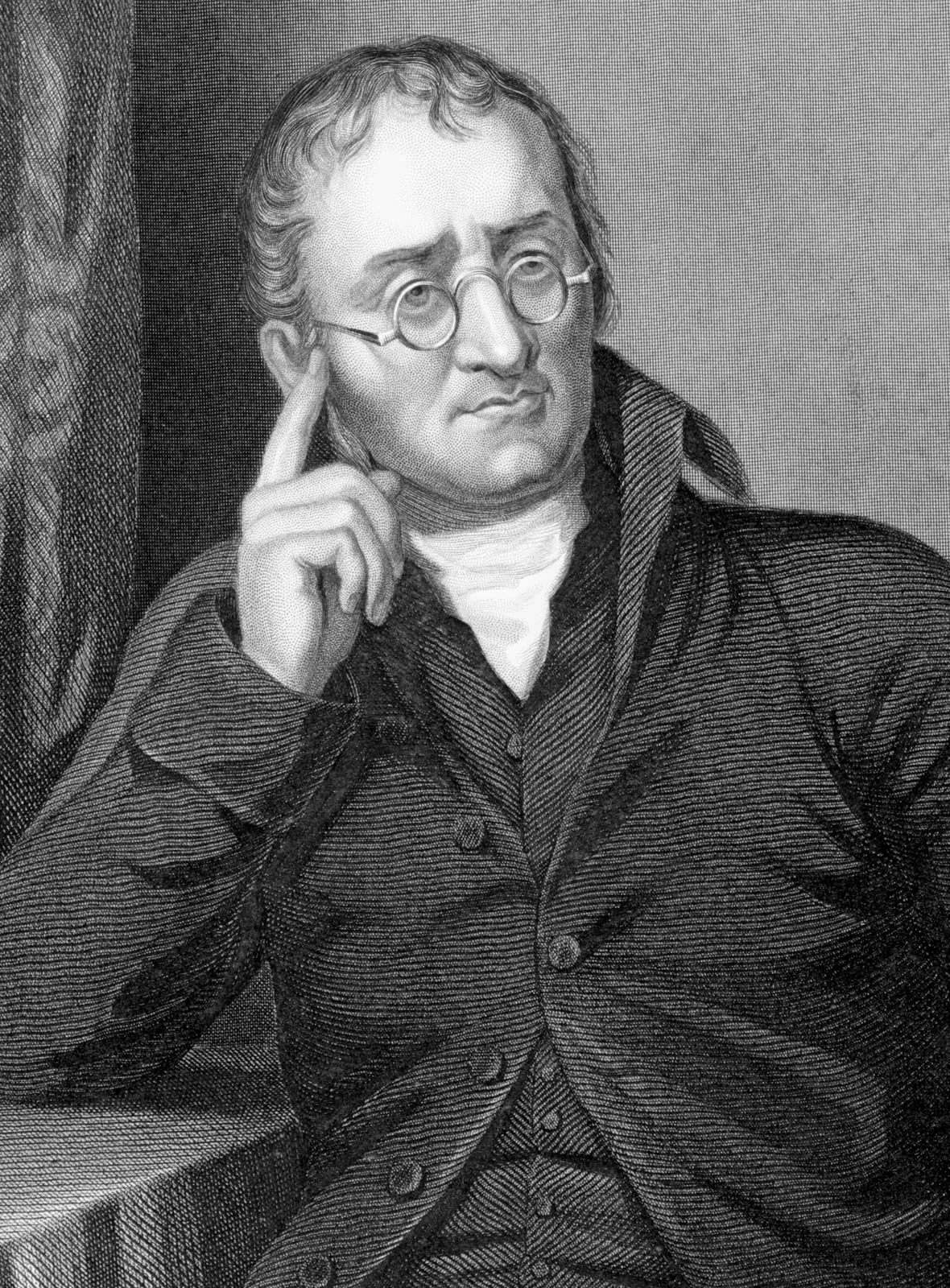
John Dalton
 (John Dalton)
English chemist and physicist who introduced the modern atomic theory into chemistry and pioneered research into color blindness.
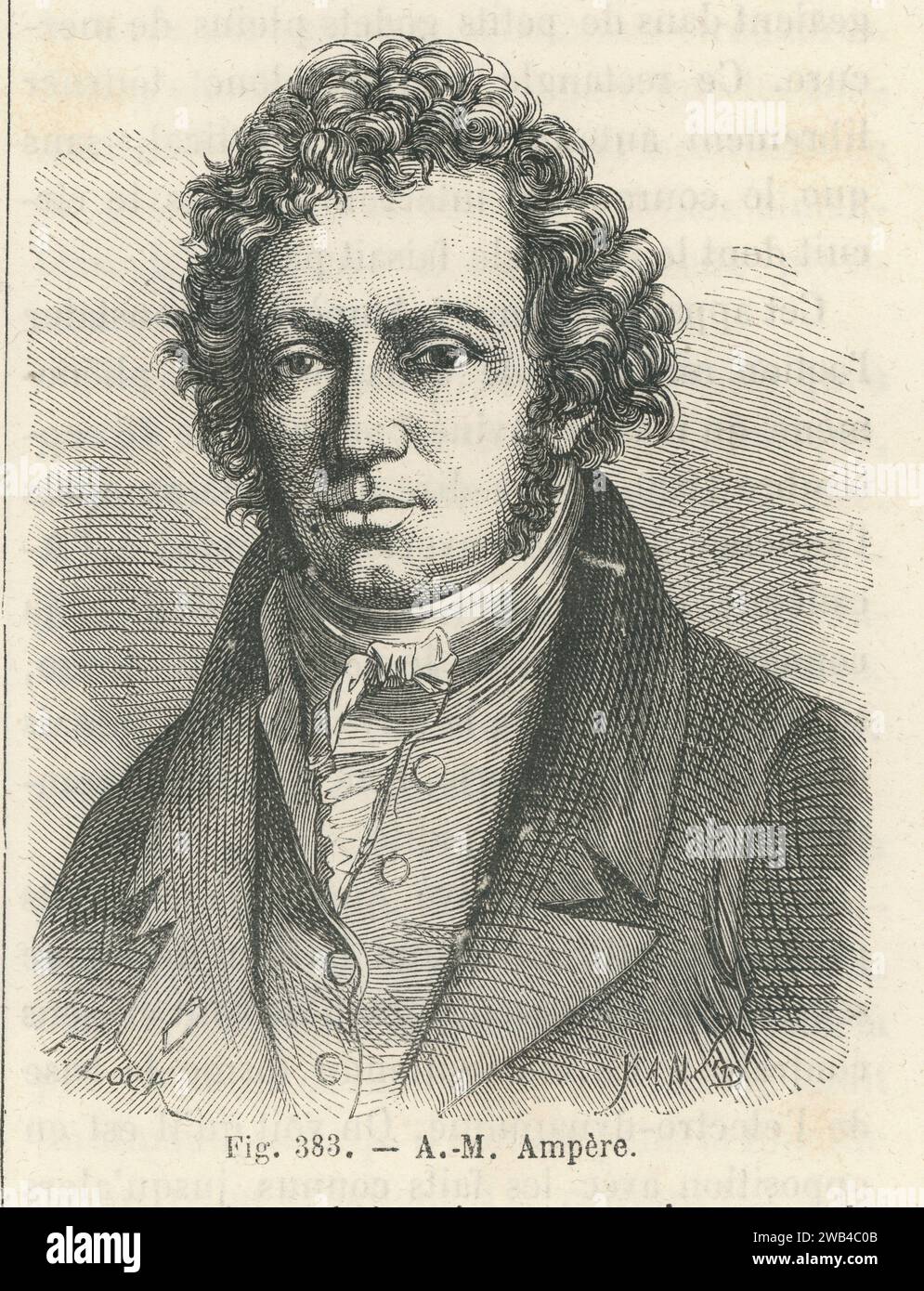
André-Marie Ampère
 (André-Marie Ampère)
French physicist and mathematician who founded electrodynamics and formulated Ampère's circuital law.
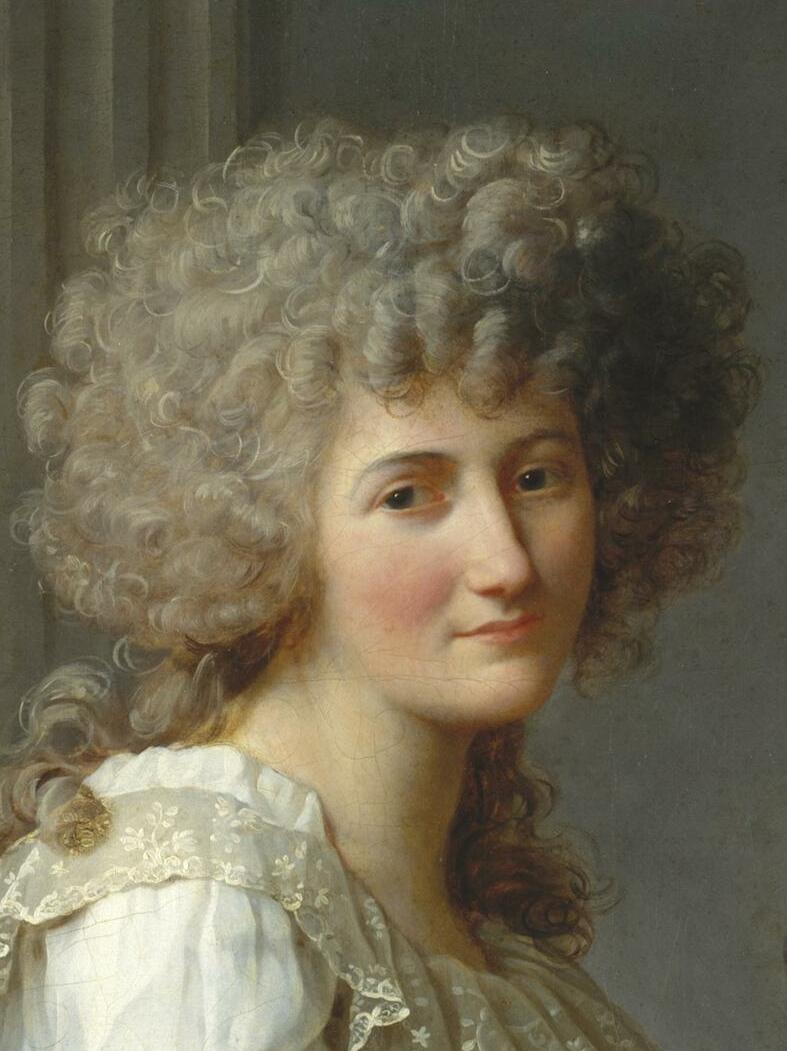
Marie-Anne Paulze Lavoisier
(Marie-Anne Pierrette Paulze)
French chemist, scientific translator, and artist revered as the 'mother of modern chemistry' alongside Antoine Lavoisier.
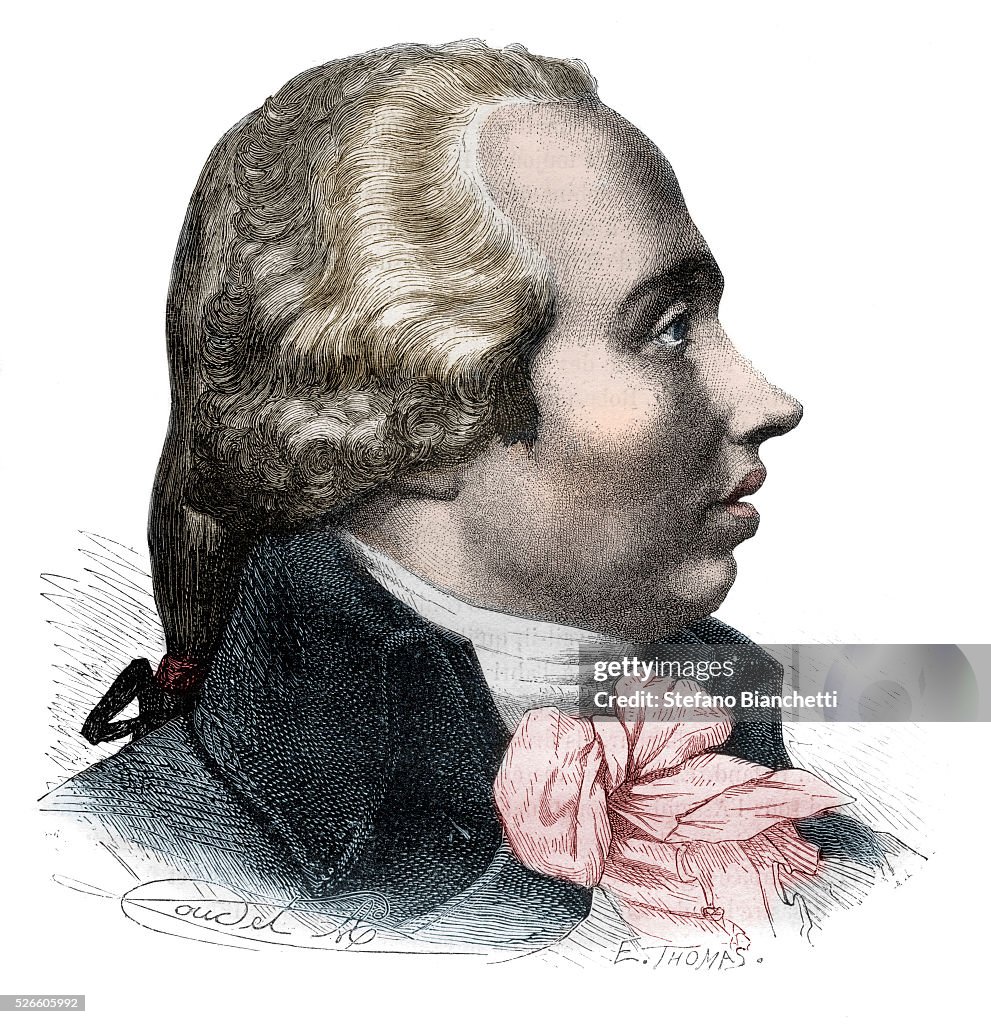
Adrien-Marie Legendre
(Adrien-Marie Legendre)
French mathematician who invented the method of least squares, formulated Legendre polynomials, and made foundational contributions to number theory and the law of quadratic reciprocity.
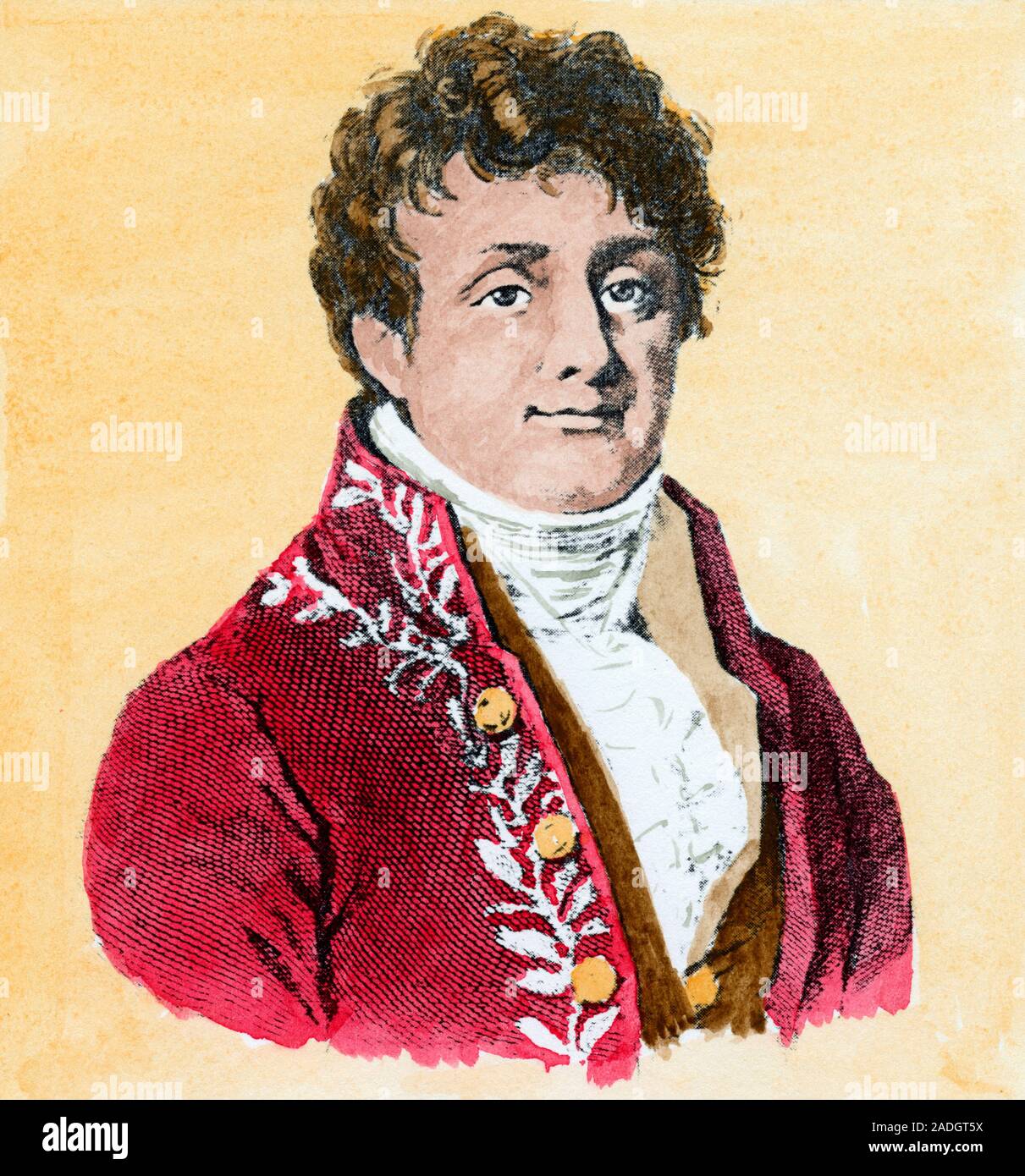
Joseph Fourier
(Jean-Baptiste Joseph Fourier)
French mathematician and physicist who created Fourier analysis for heat transfer and discovered the greenhouse effect.
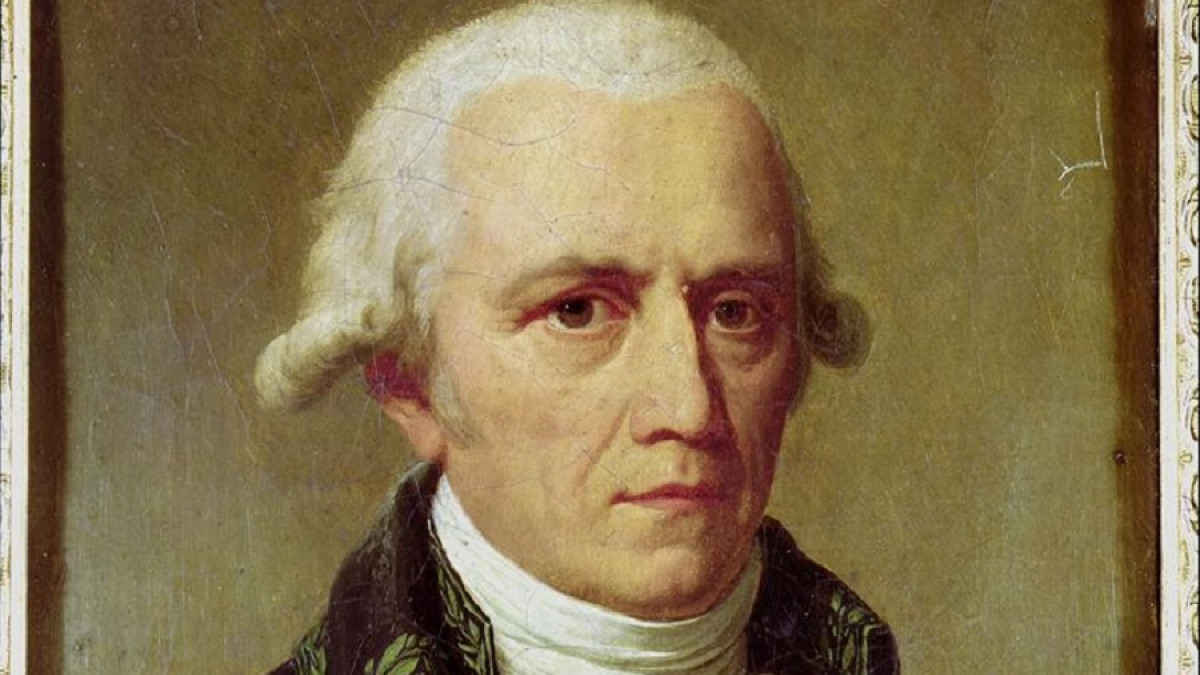
Jean-Baptiste Lamarck
(Jean-Baptiste Pierre Antoine de Monet, Chevalier de Lamarck)
Pioneering French naturalist who proposed the first coherent theory of biological evolution and coined the term 'biology'.
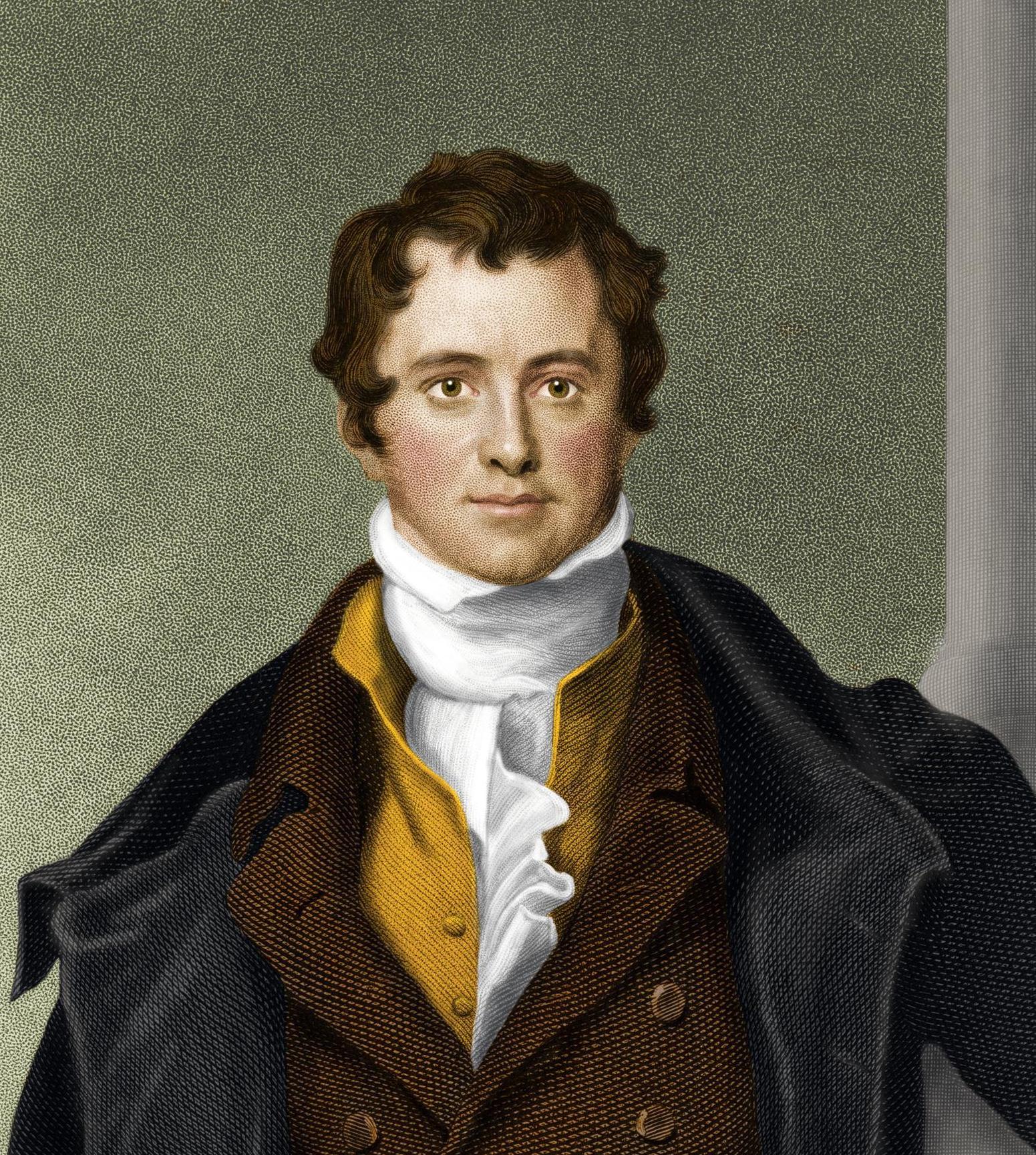
Humphry Davy
(Sir Humphry Davy, 1st Baronet)
Brilliant British chemist and inventor who isolated sodium, potassium, and calcium via electrolysis, and invented the miner's safety lamp.
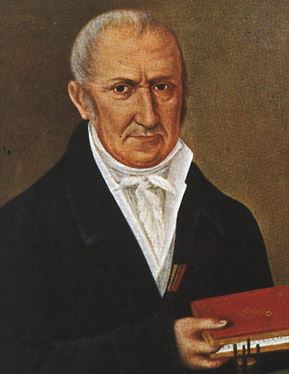
Alessandro Volta
 (Alessandro Giuseppe Antonio Anastasio Volta)
Italian physicist who invented the voltaic pile (the first continuous electrochemical battery) in 1799, discovered methane gas, and had the electrical unit of potential—the 'Volt'—named in his honor.
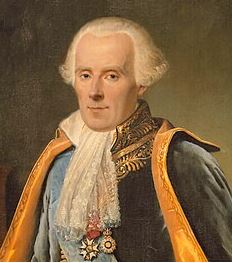
Pierre-Simon Laplace
(Pierre-Simon, marquis de Laplace)
'The French Newton' whose Traité de mécanique céleste proved the gravitational stability of the solar system, proposed the nebular hypothesis of planetary origin, and defined determinism (Laplace's Demon).
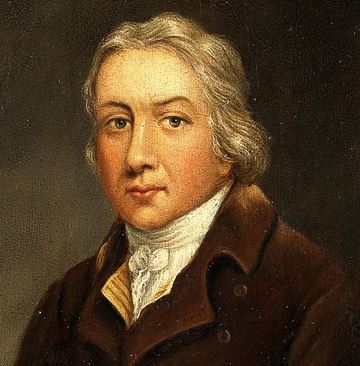
Edward Jenner
(Edward Jenner)
'Father of Immunology' who developed the world's first successful vaccine in 1796 using cowpox matter to confer immunity against lethal smallpox, saving hundreds of millions of lives.
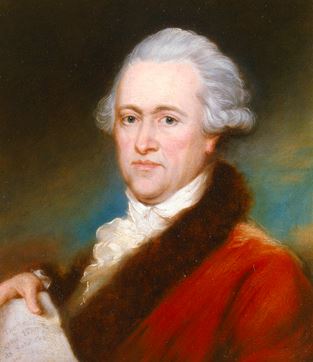
William Herschel (Sir Frederick William Herschel)
(Friedrich Wilhelm Herschel)
Astronomer and telescope builder who discovered planet Uranus in 1781 (the first planet found with a telescope), discovered infrared radiation, and mapped the Milky Way galaxy.
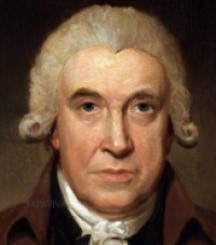
James Watt
(James Watt)
Scottish mechanical engineer whose invention of the separate condenser transformed the steam engine from an inefficient pump into the universal rotary prime mover of the Industrial Revolution.
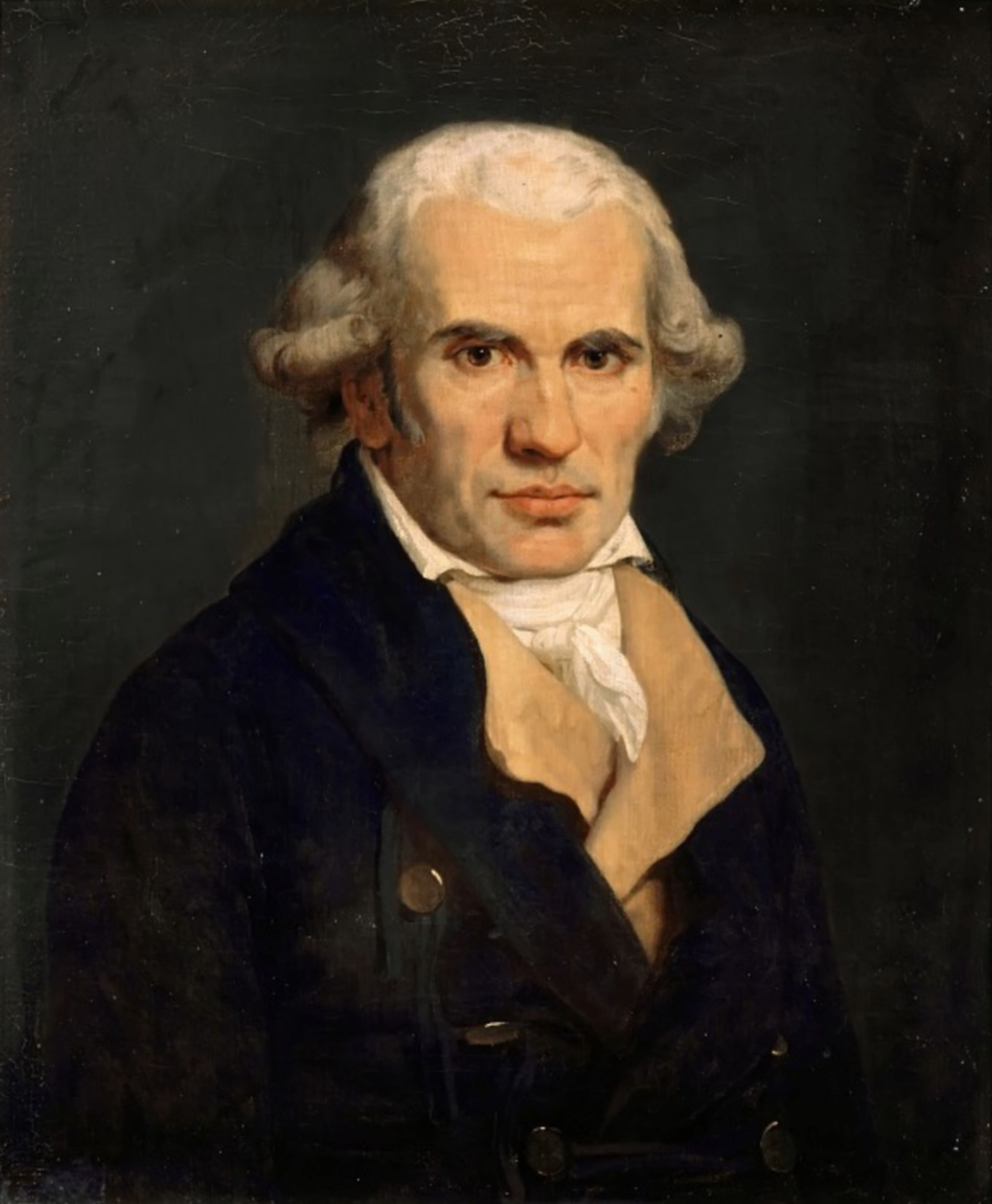
Gaspar Monge
(Gaspard Monge, Comte de Péluse)
French mathematician who invented descriptive geometry—the mathematical basis of modern technical drafting and engineering design—and co-founded the Ecole Polytechnique.
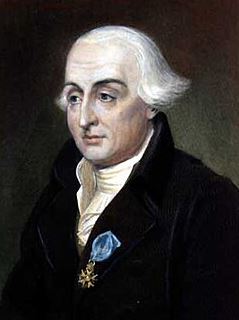
Joseph-Louis Lagrange
(Giuseppe Lodovico Lagrangia / Joseph-Louis Lagrange)
Italo-French mathematical colossus whose Mécanique analytique transformed mechanics into pure analysis without diagrams, invented the calculus of variations, and discovered Lagrange points.
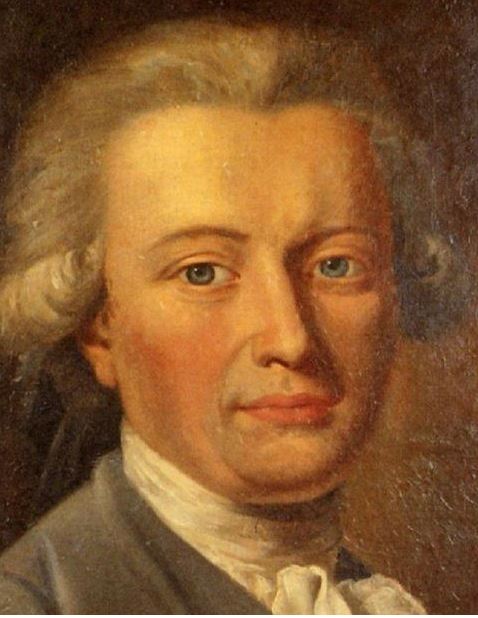
Henry Cavendish
(Henry Cavendish)
Eccentric English natural philosopher who discovered hydrogen ('inflammable air'), proved water is a compound of hydrogen and oxygen, and measured the mass and density of the Earth in 1798.
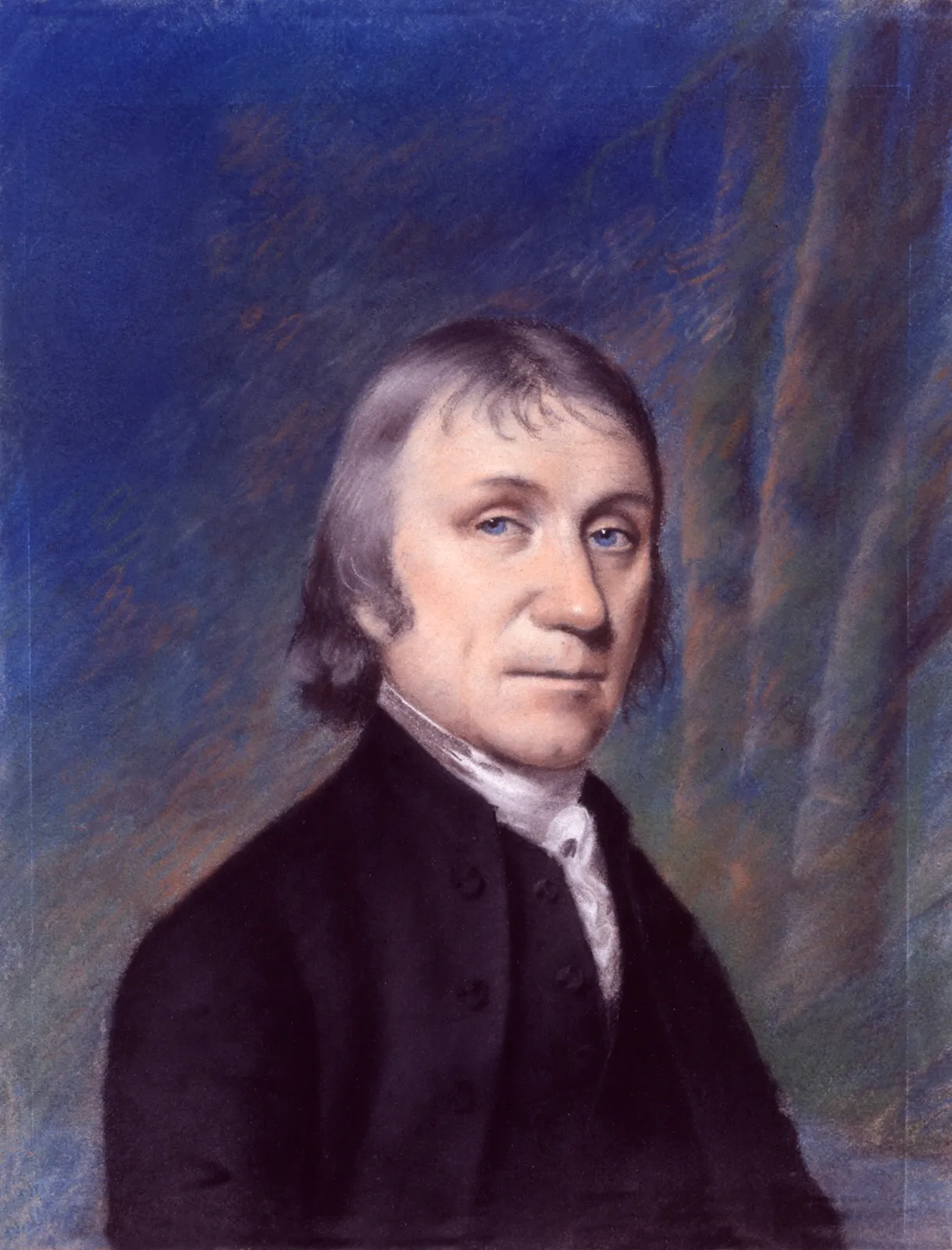
Joseph Priestley
(Joseph Priestley)
English polymath, philosopher, and chemist who discovered oxygen, carbon monoxide, and invented carbonated soda water.