 United Kingdom
•
4,661 views
United Kingdom
•
4,661 views
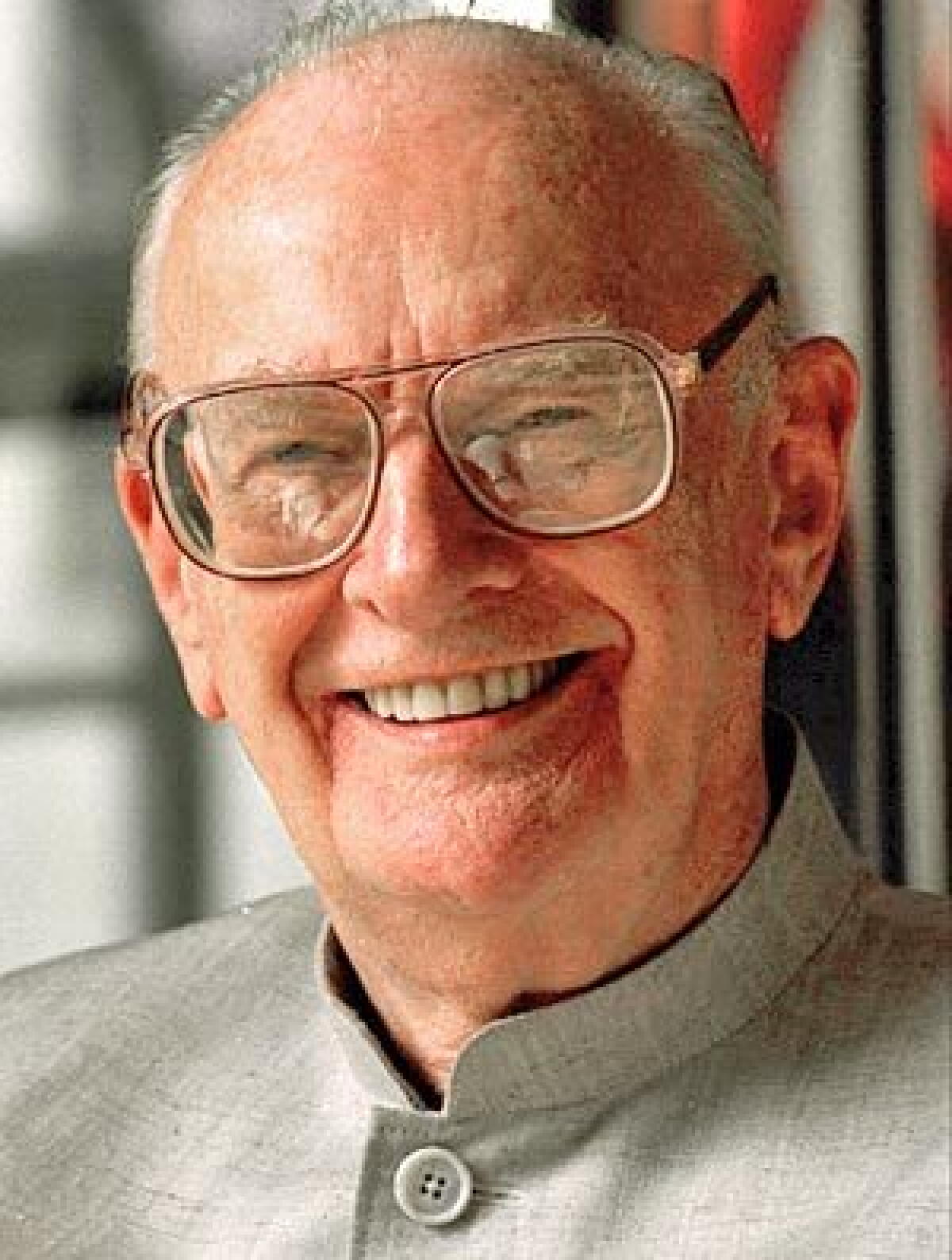
Arthur C. Clarke

Minehead, Somerset, United Kingdom
Archival Overview
British science and aerospace visionary who conceptualized geostationary satellite communications and co-created 2001: A Space Odyssey.
Biographical Record
Sir Arthur Charles Clarke was an English science fiction writer, futurist, inventor, and undersea explorer whose visionary ideas presaged the modern space age and telecommunications revolution. Serving as a radar instructor in the Royal Air Force during World War II, Clarke later chaired the British Interplanetary Society.
In an October 1945 paper published in Wireless World titled 'Extra-Terrestrial Relays', Clarke proposed placing three equidistant artificial satellites into a circular equatorial orbit at 22,236 miles altitude, where their orbital period matches Earth's rotation (24 hours). He demonstrated that this would provide uninterrupted, worldwide radio and television coverage—the theoretical blueprint for modern geostationary telecommunications satellites, leading the geostationary orbit to be officially designated the Clarke Orbit. Clarke collaborated with Stanley Kubrick to write the legendary 1968 masterpiece 2001: A Space Odyssey and formulated 'Clarke's Three Laws', including 'Any sufficiently advanced technology is indistinguishable from magic.'
Key Life Milestones
Invention of Geostationary Satellites
Published the seminal paper conceptualizing geostationary orbital communications satellites that connect modern civilization.
2001: A Space Odyssey
Co-created the monumental science fiction cinematic masterpiece and novel exploring human evolution and artificial intelligence.
Memorial Guestbook & Tributes
0 messages recordedLeave a Respectful Tribute
Final Resting Place
Perpetual MemorialBorella, Colombo, Sri Lanka