Public Figures & Cultural Luminaries
Filterable archive covering centuries of intellectual, artistic, and moral contributions to the human story.
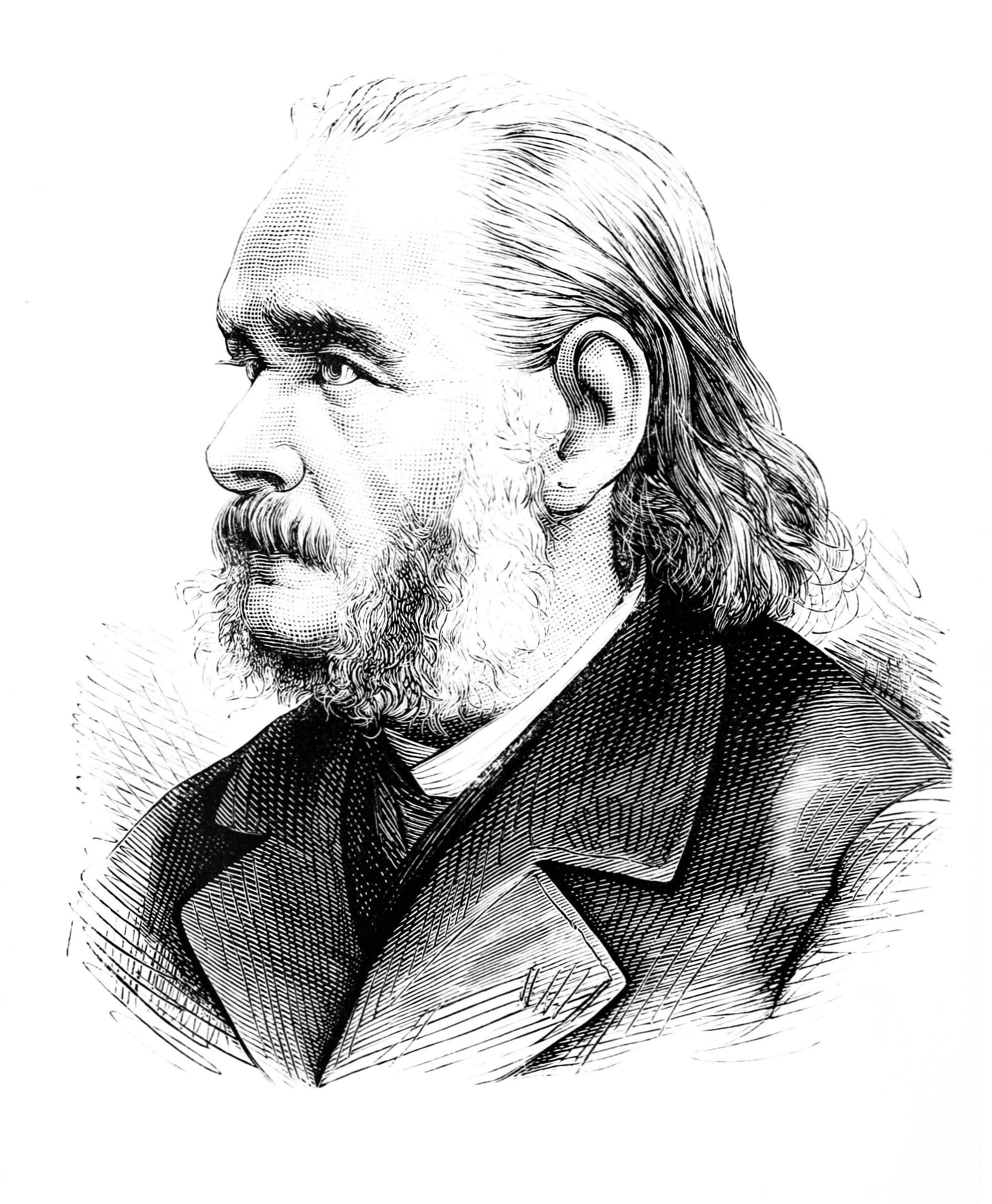
Matthias Schleiden
 (Matthias Jakob Schleiden)
German botanist who co-founded the universal Cell Theory in 1838 by proving that all plant structures are composed of cells, recognized the fundamental role of the cell nucleus, and pioneered inductive experimental botany.
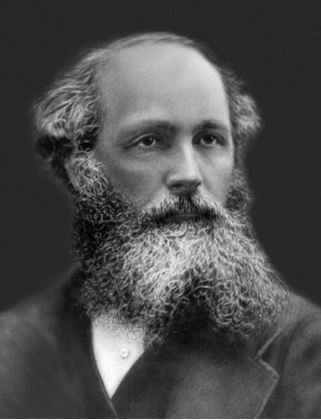
James Clerk Maxwell
 (James Clerk Maxwell)
Scottish physicist who unified electricity, magnetism, and light into Maxwell's Equations, proving that light is an electromagnetic wave, and formulated the Maxwell-Boltzmann kinetic theory of gases.
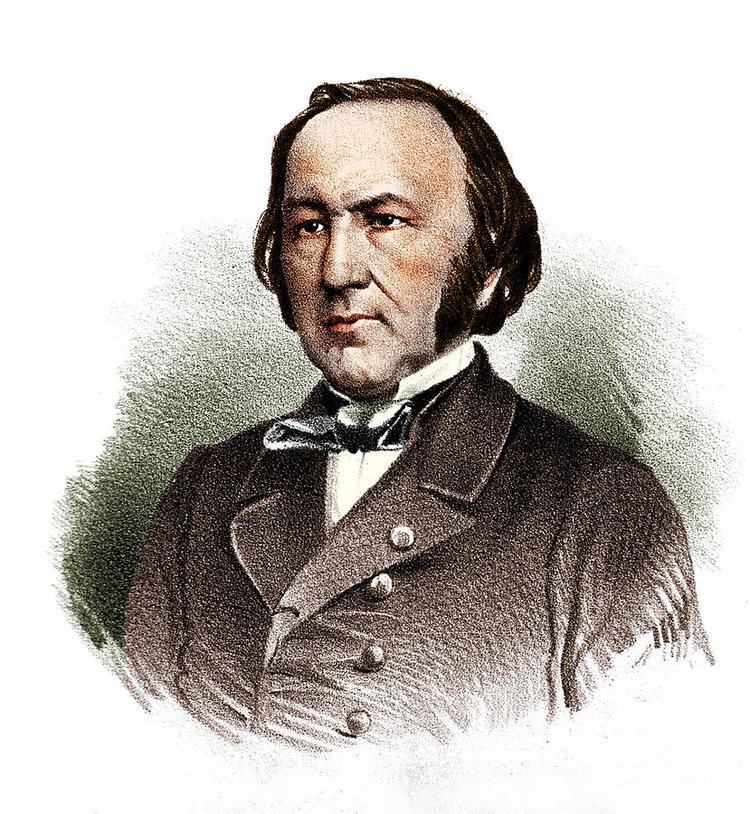
Claude Bernard
 (Claude Bernard)
French physiologist regarded as the father of modern experimental physiology who established the concept of homeostasis (milieu intérieur).
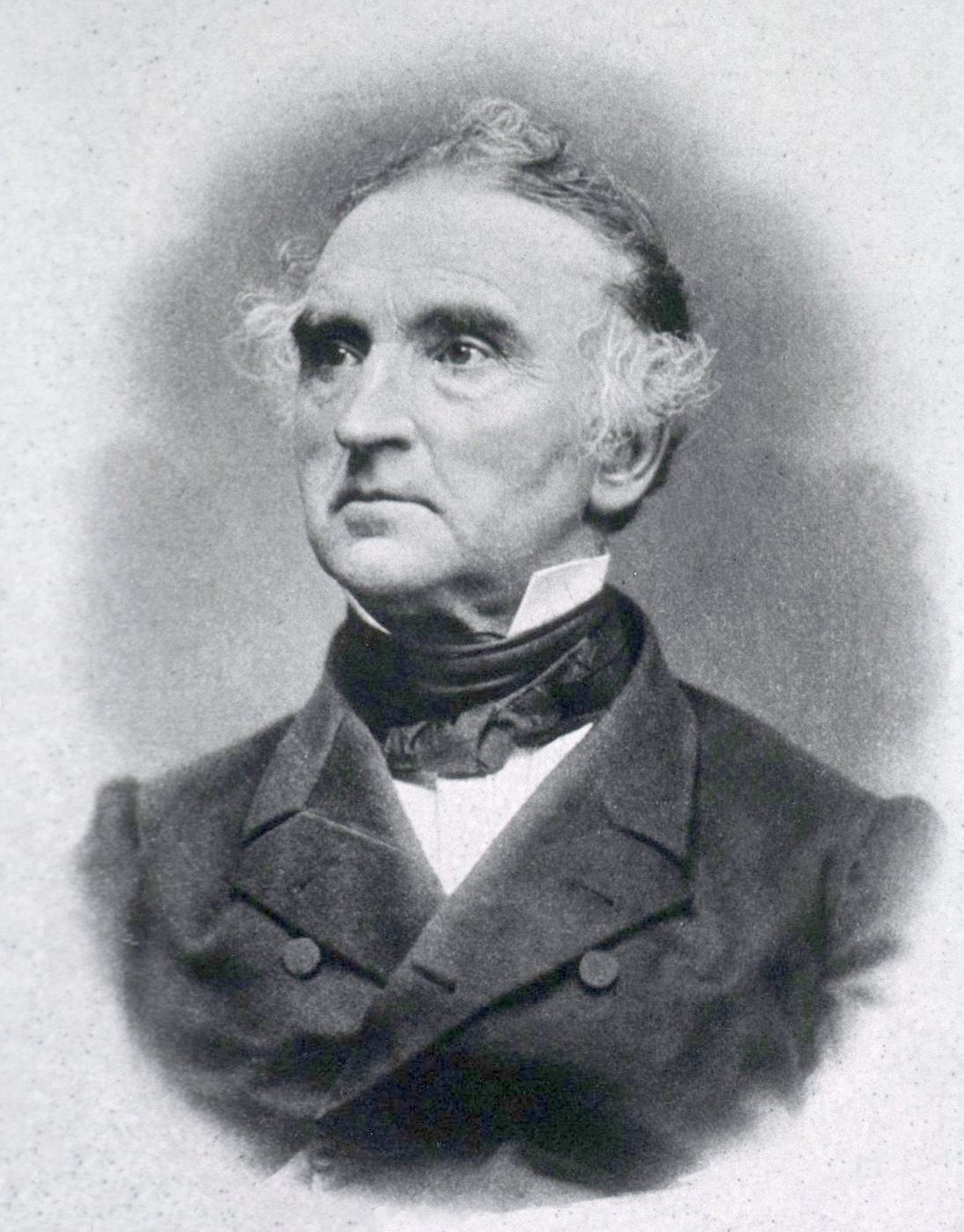
Justus von Liebig
(Justus Freiherr von Liebig)
German chemist celebrated as the 'father of the fertilizer industry' who formulated Liebig's law of the minimum and invented the Liebig condenser.
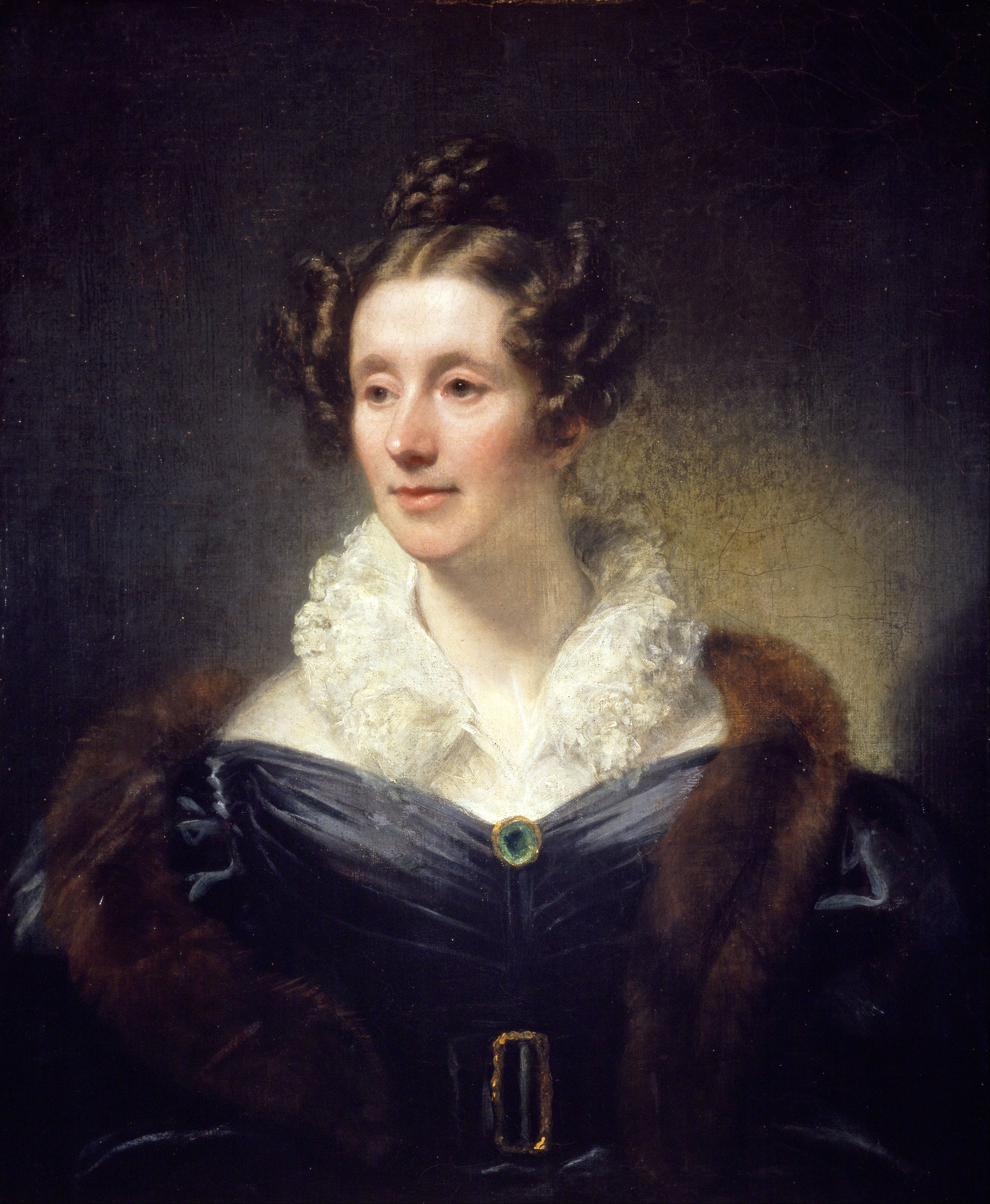
Mary Somerville
(Mary Fairfax Somerville)
Scottish polymath, astronomer, and mathematician whose 1834 masterpiece 'On the Connexion of the Physical Sciences' united astronomy, physics, and chemistry, inspiring William Whewell to coin the word 'scientist' in her review.
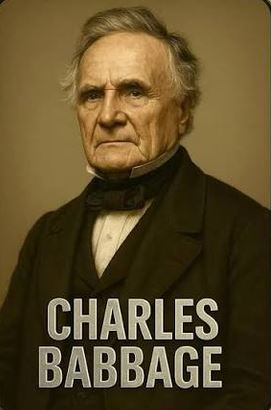
Charles Babbage
(Charles Babbage)
English mathematician and mechanical engineer who designed the Difference Engine and the Analytical Engine, originating the fundamental architecture of modern programmable digital computers.
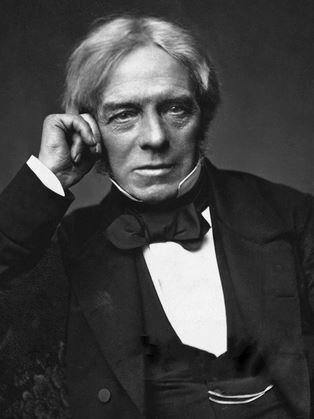
Michael Faraday
(Michael Faraday)
Self-taught laboratory titan who discovered electromagnetic induction, built the first electric motor and generator, discovered benzene, and invented the Faraday cage.
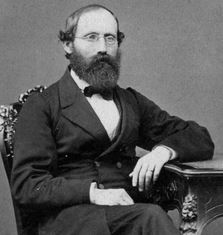
Bernhard Riemann
(Georg Friedrich Bernhard Riemann)
Visionary German mathematician whose non-Euclidean differential geometry provided the geometric language for Einstein's general relativity, and whose Riemann Hypothesis remains mathematics' greatest open problem.
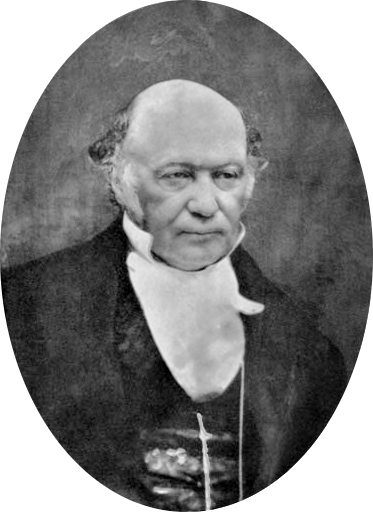
William Rowan Hamilton
 (William Rowan Hamilton)
Irish mathematician, physicist, and astronomer who invented quaternions and reformulated classical mechanics into Hamiltonian mechanics, the mathematical foundation of modern quantum theory.
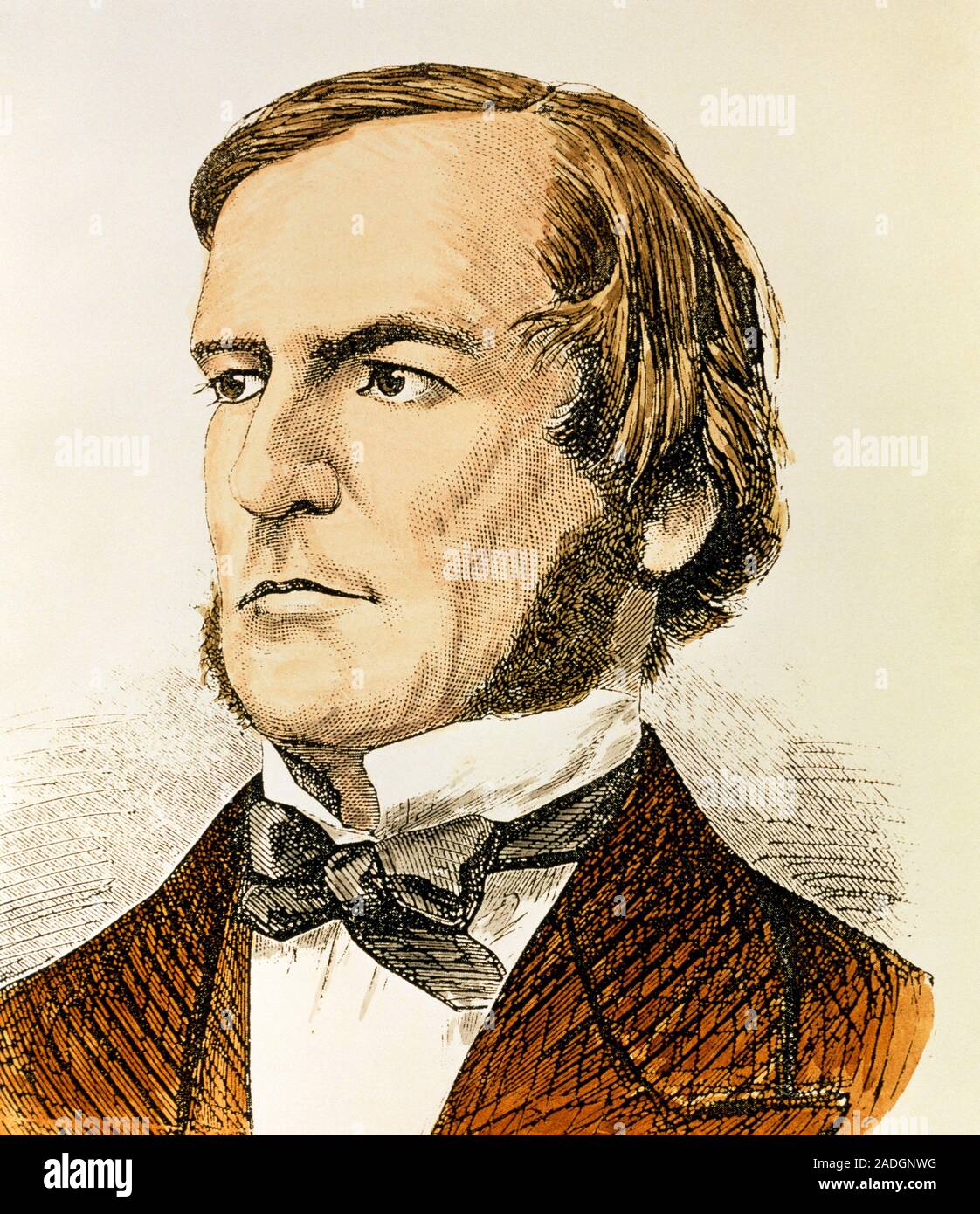
George Boole
(George Boole)
Self-taught English mathematician and philosopher who created Boolean algebra, the mathematical foundation of all digital computers.
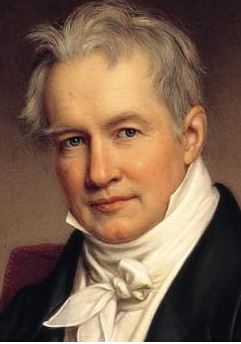
Alexander von Humboldt
(Friedrich Wilhelm Heinrich Alexander von Humboldt)
Prussian naturalist and explorer whose epic expedition to the Americas founded modern biogeography, physical geography, and ecology, pioneering the holistic view of Earth's interconnected nature.
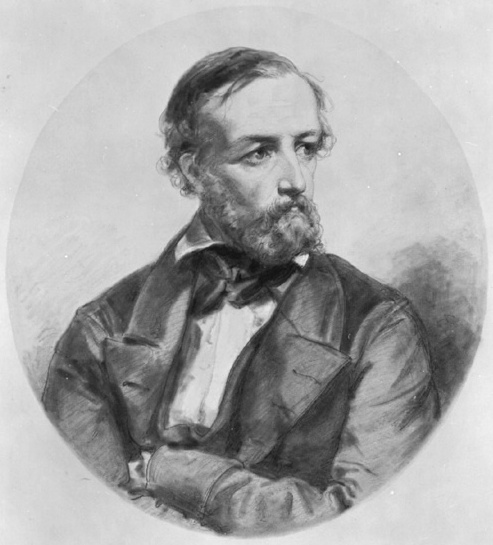
Peter Gustav Lejeune Dirichlet
(Johann Peter Gustav Lejeune Dirichlet)
German mathematician who founded analytic number theory, formulated Dirichlet's theorem on arithmetic progressions, and introduced the modern formal definition of a mathematical function.
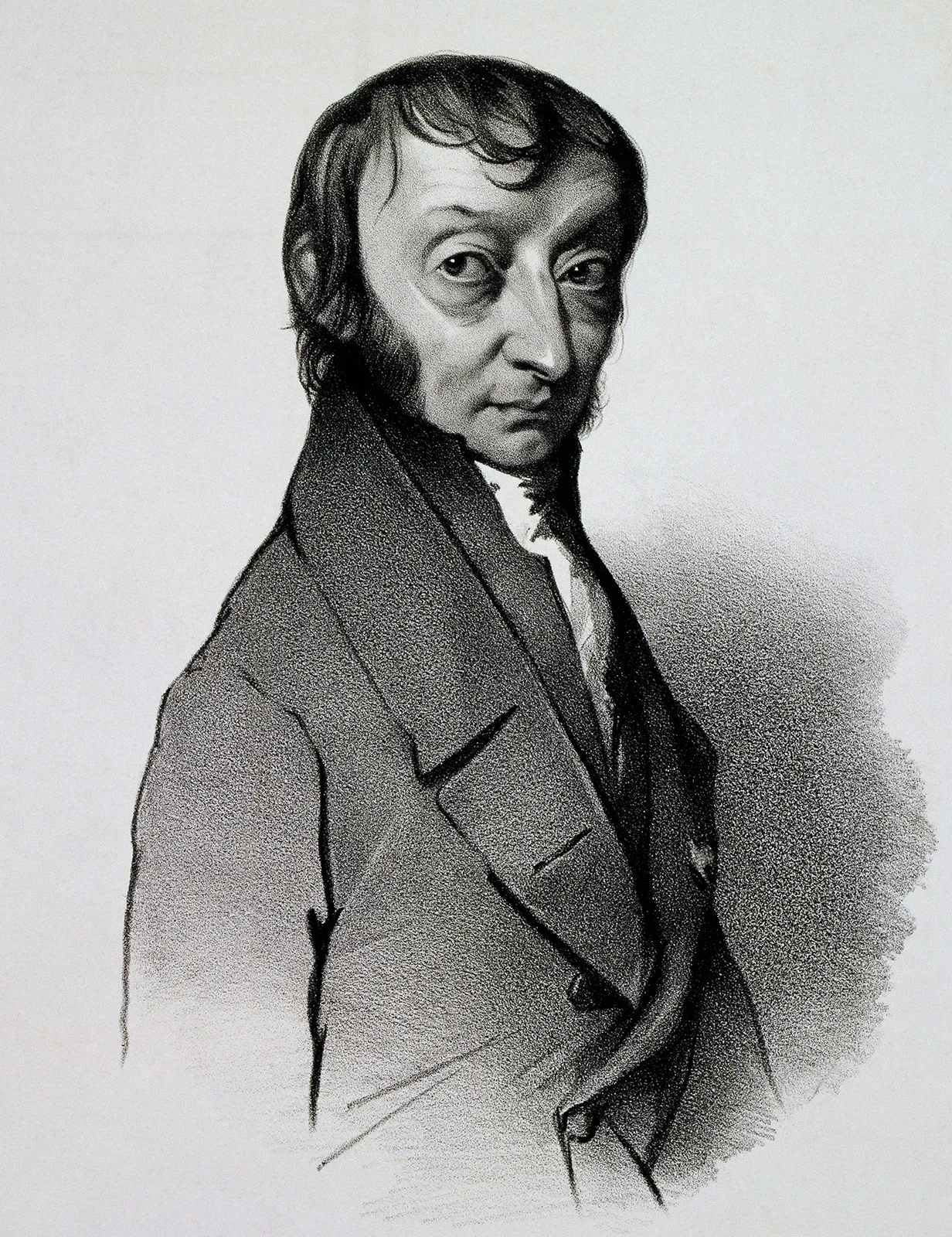
Amedeo Avogadro
 (Lorenzo Romano Amedeo Carlo Avogadro di Quaregna e Cerreto)
Italian scientist who formulated Avogadro's law, distinguishing between atoms and molecules and giving his name to Avogadro's number.
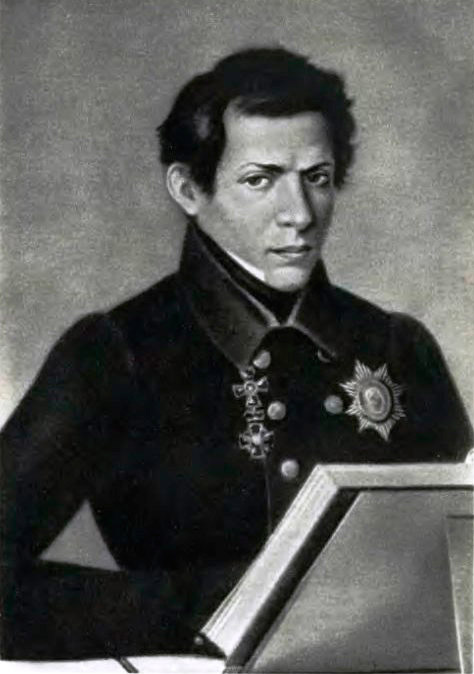
Nikolai Lobachevsky
 (Николай Иванович Лобачевский)
Russian mathematician who independently created non-Euclidean hyperbolic geometry, shattering two millennia of Euclidean geometric dogma and paving the way for Einstein's general relativity.
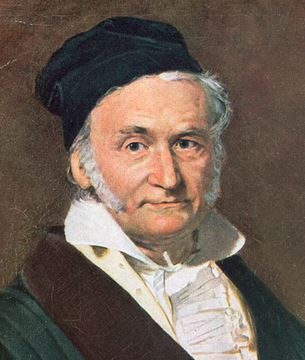
Carl Friedrich Gauss
(Johann Carl Friedrich Gauß)
German mathematical and physical colossus who founded modern number theory, proved the Fundamental Theorem of Algebra, discovered the normal distribution, and formulated Gauss's Law in electromagnetism.
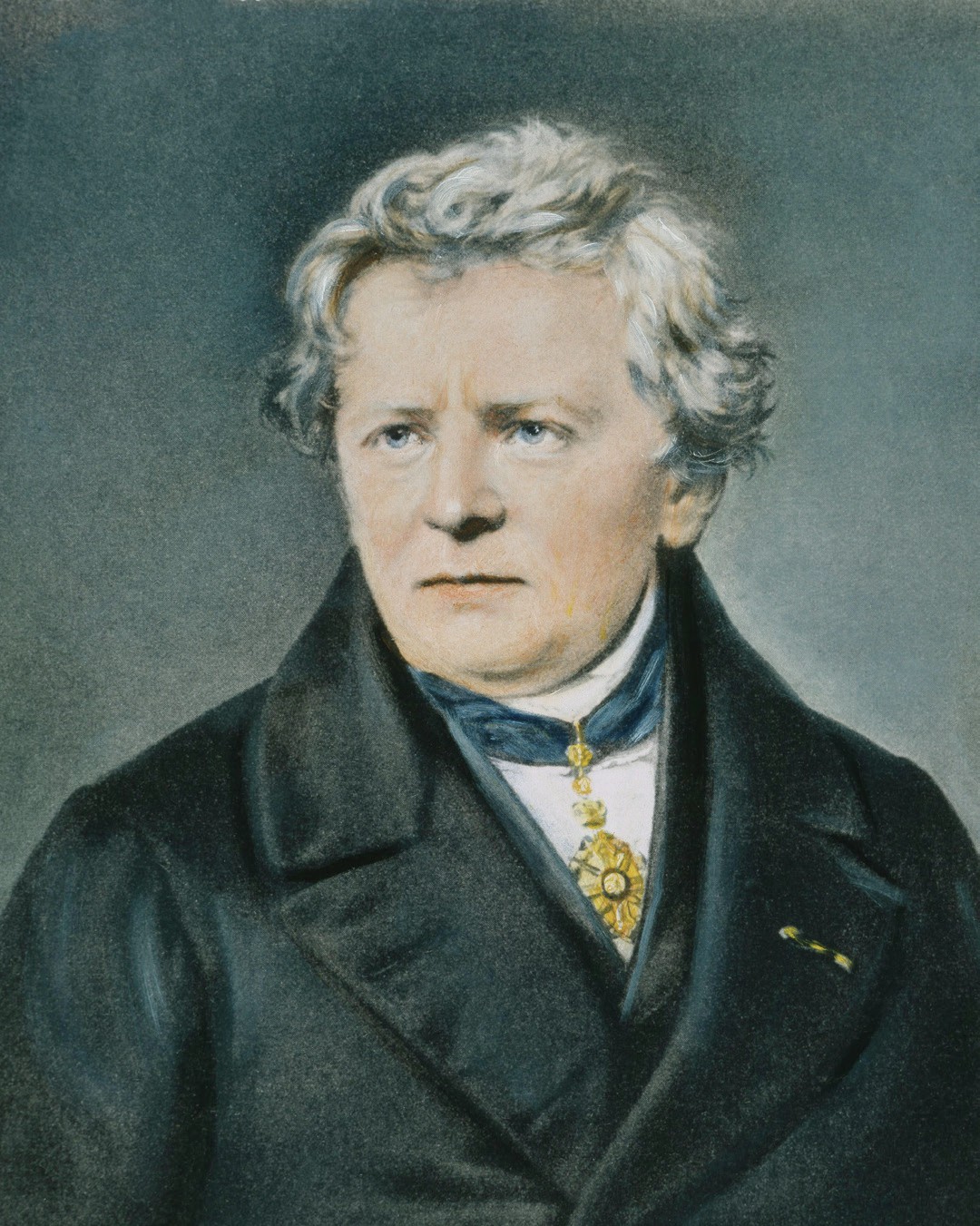
Georg Ohm
(Georg Simon Ohm)
German physicist and mathematician who formulated Ohm's law, defining the fundamental relationship between voltage, current, and resistance.
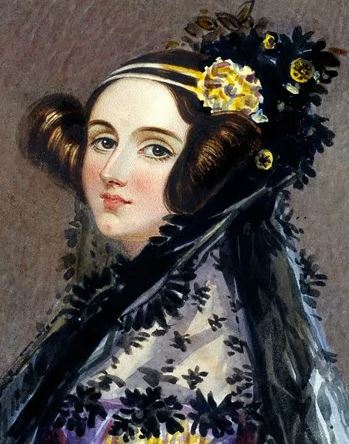
Augusta Ada King, Countess of Lovelace
(Augusta Ada Byron)
English mathematician recognized as the world's first computer programmer, whose visionary annotations on the Analytical Engine foresaw universal symbolic computing beyond numerical calculation.
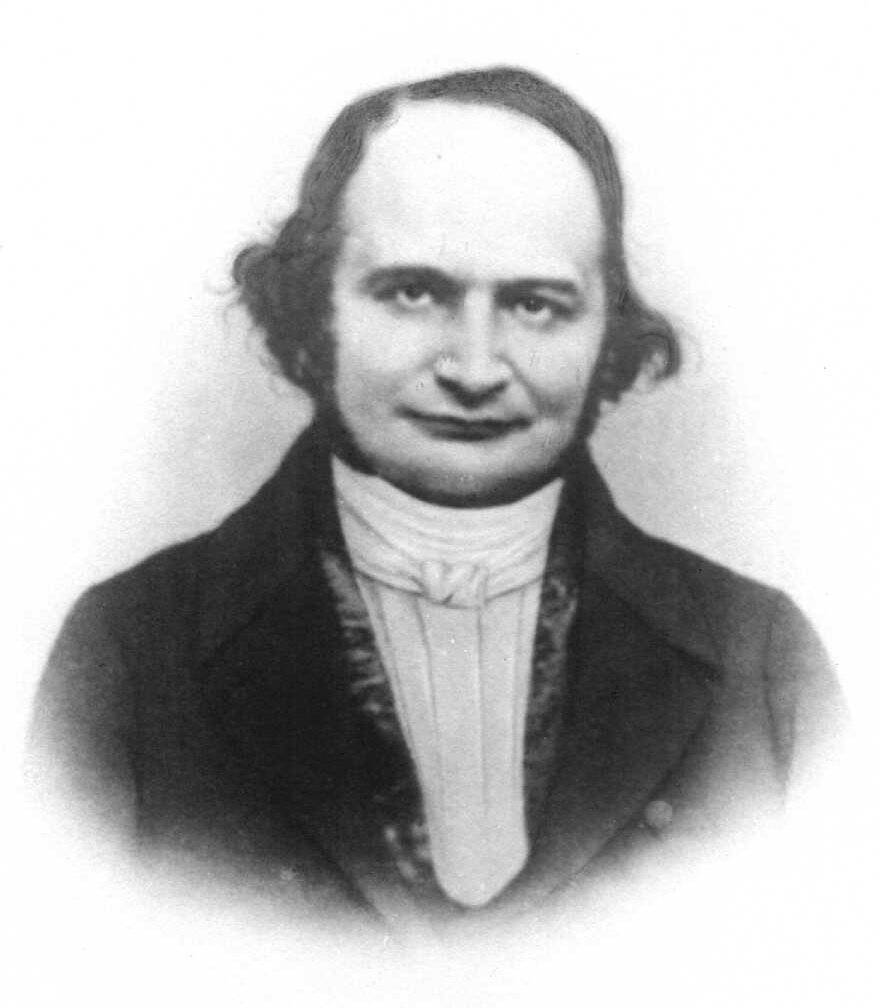
Carl Jacobi
(Carl Gustav Jacob Jacobi)
German mathematician who co-founded the theory of elliptic functions, formulated Jacobian determinants, and co-developed the Hamilton-Jacobi theory of classical mechanics.