 Great Britain
•
11 views
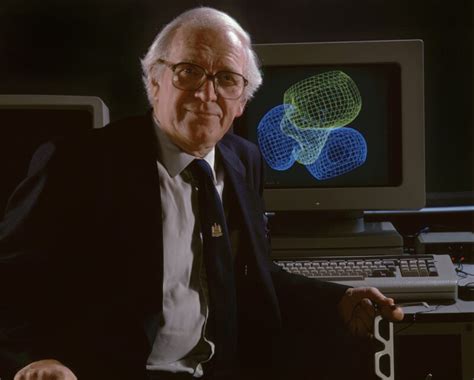
James Whyte Black

Uddingston, Great Britain
Archival Overview
Scottish pharmacologist who developed propranolol (the first beta-blocker) and cimetidine (the first H2 receptor antagonist), winning the 1988 Nobel Prize.
Biographical Record
Sir James Whyte Black studied medicine at the University of St Andrews. Driven by the death of his father from a heart attack, Black sought rational pharmacological approaches to reduce cardiac stress by blocking receptors rather than directly stimulating organs.
While working at ICI Pharmaceuticals, he invented propranolol in 1964, which became the world's most widely prescribed heart medication for angina and hypertension. Moving to Smith, Kline & French, he created cimetidine in 1972 to block histamine receptors in the stomach, creating the first effective treatment for peptic ulcers without surgery.
Key Life Milestones
Development of Propranolol
Created the first clinically successful beta-blocker, transforming cardiology and saving countless patients from angina and myocardial infarction.
Nobel Prize in Physiology or Medicine
Awarded the Nobel Prize alongside Gertrude Elion and George Hitchings for establishing fundamental principles of rational drug design.
Memorial Guestbook & Tributes
0 messages recordedLeave a Respectful Tribute
Final Resting Place
Perpetual MemorialLondon, United Kingdom