Public Figures & Cultural Luminaries
Filterable archive covering centuries of intellectual, artistic, and moral contributions to the human story.
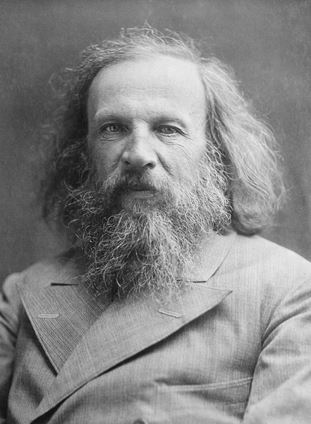
Dmitri Ivanovich Mendeleev
 (Дмитрий Иванович Менделеев)
Russian chemist who formulated the Periodic Law and organized known chemical elements into the Periodic Table, predicting unknown elements and their atomic properties with astonishing precision.
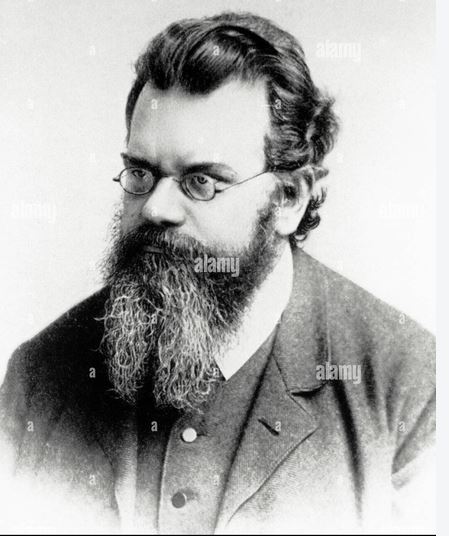
Ludwig Eduard Boltzmann
 (Ludwig Eduard Boltzmann)
Austrian physicist whose development of statistical mechanics linked microscopic atomic collisions to macroscopic thermodynamics, formulating the statistical definition of entropy (S = k log W).
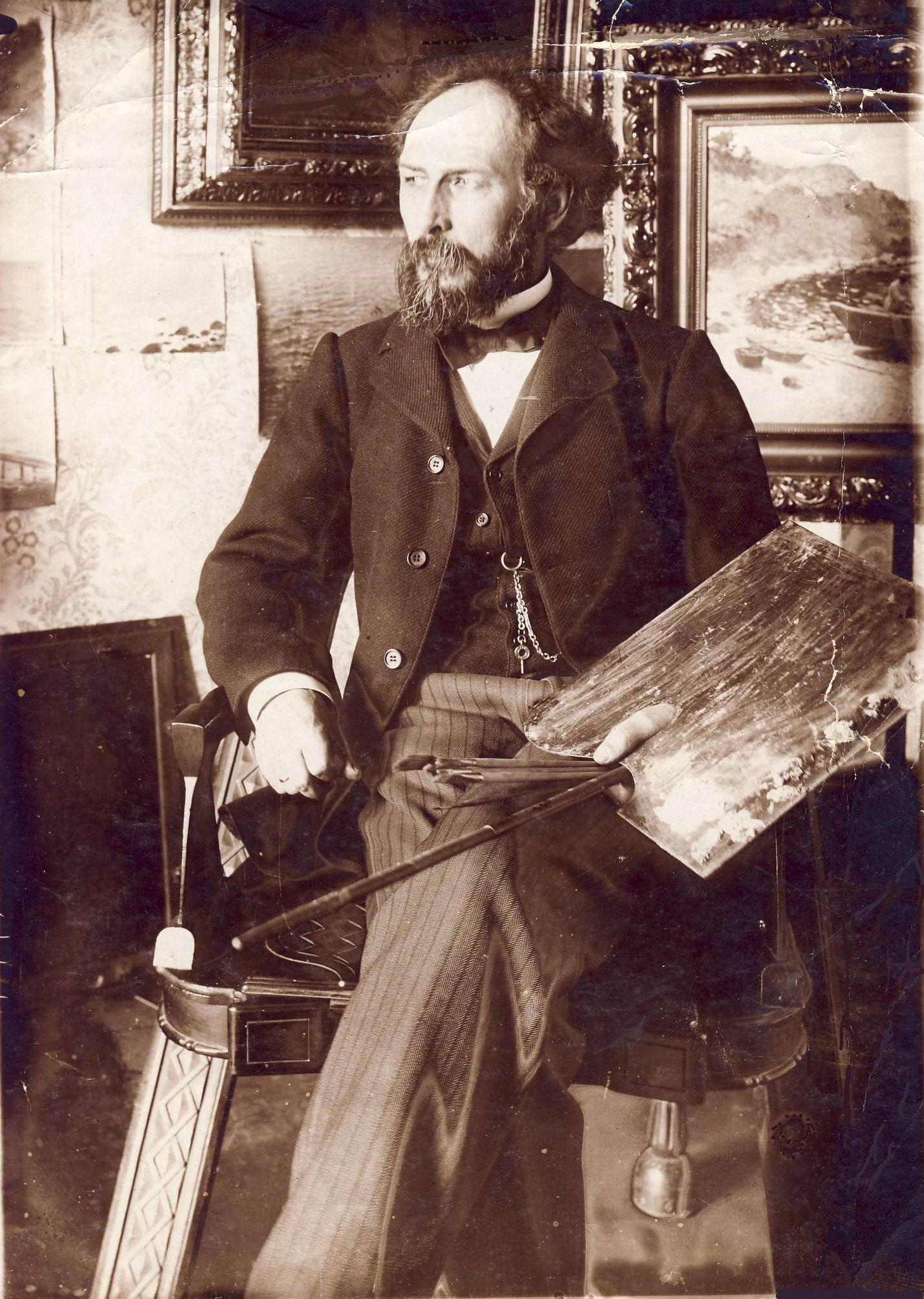
Aleksandr Popov
(Александр Степанович Попов)
Russian physicist and electrical engineer who demonstrated the world's first radio lightning detector and practical wireless radio receiver in Saint Petersburg in 1895, celebrated across Eastern Europe as a father of radio.
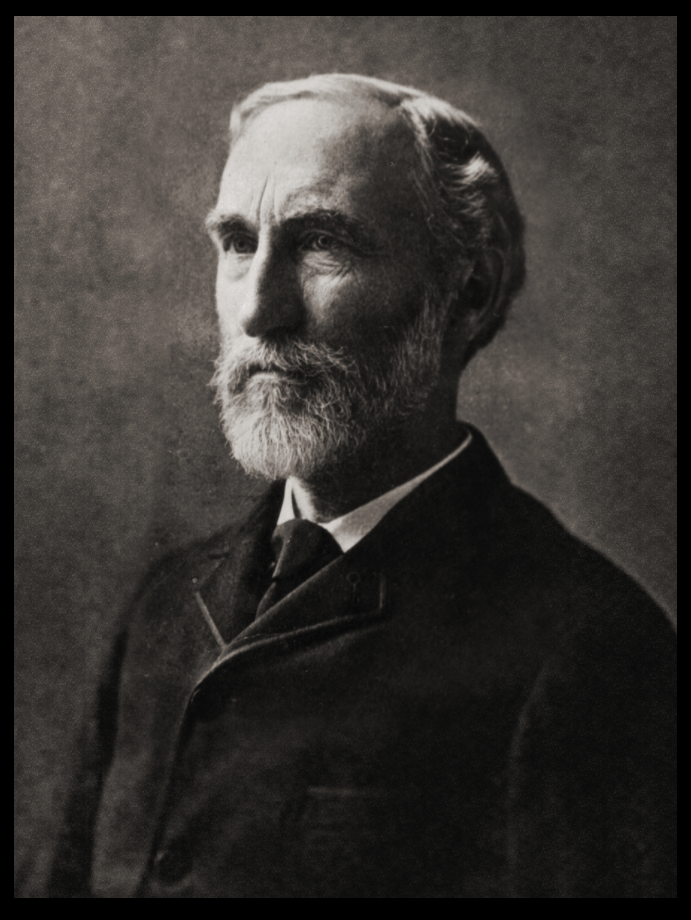
J. Willard Gibbs
 (Josiah Willard Gibbs)
Foundational American mathematical physicist who created modern chemical thermodynamics and vector analysis.
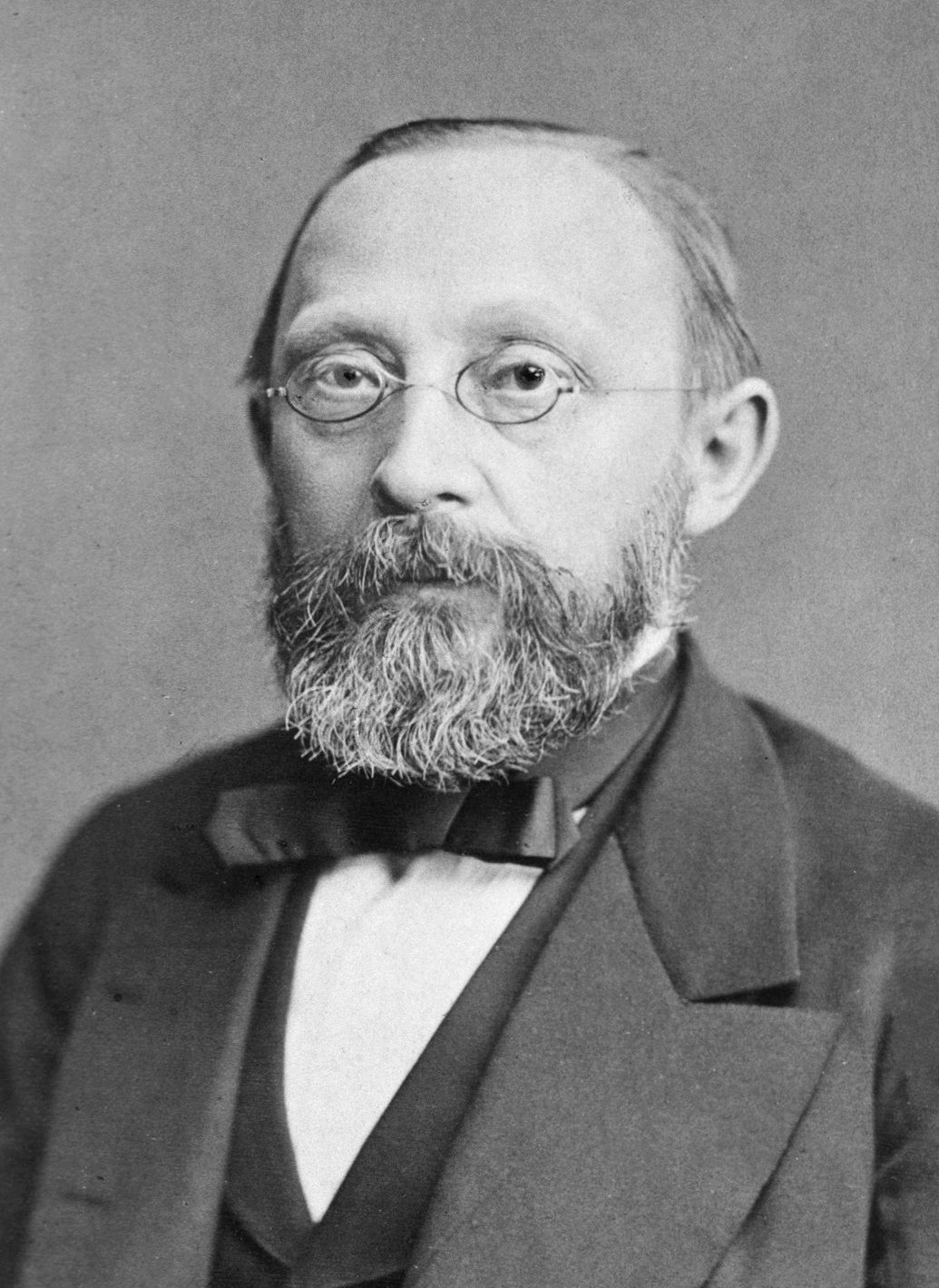
Rudolf Virchow
 (Rudolf Ludwig Carl Virchow)
German physician acclaimed as the 'Father of Modern Pathology', who formulated the immortal biological axiom 'Omnis cellula e cellula' (all cells arise from pre-existing cells), discovered leukemia and thrombosis, and pioneered social medicine.
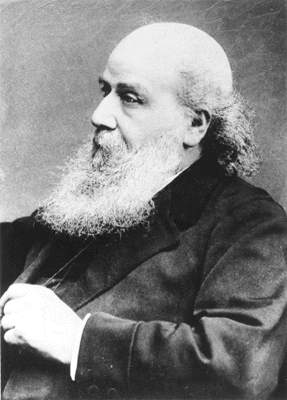
James Joseph Sylvester
 (James Joseph Sylvester)
British mathematician who coined terms such as 'matrix', 'invariant', and 'discriminant', founded the American Journal of Mathematics, and pioneered algebraic invariant theory with Arthur Cayley.
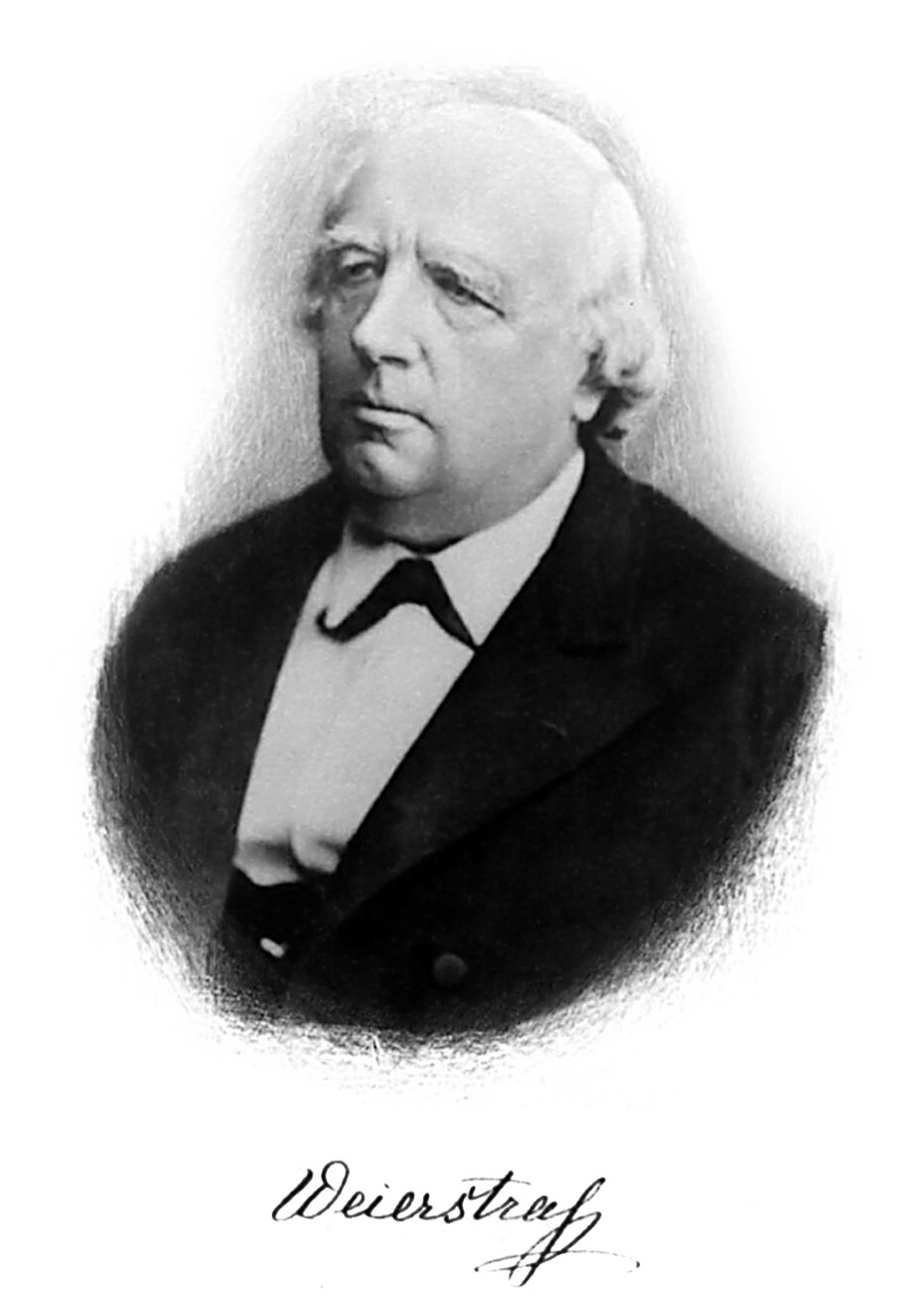
Karl Weierstrass
 (Karl Theodor Wilhelm Weierstrass)
German mathematician universally celebrated as the father of modern analysis, who established the epsilon-delta definitions of limits and continuity and discovered continuous nowhere-differentiable functions.
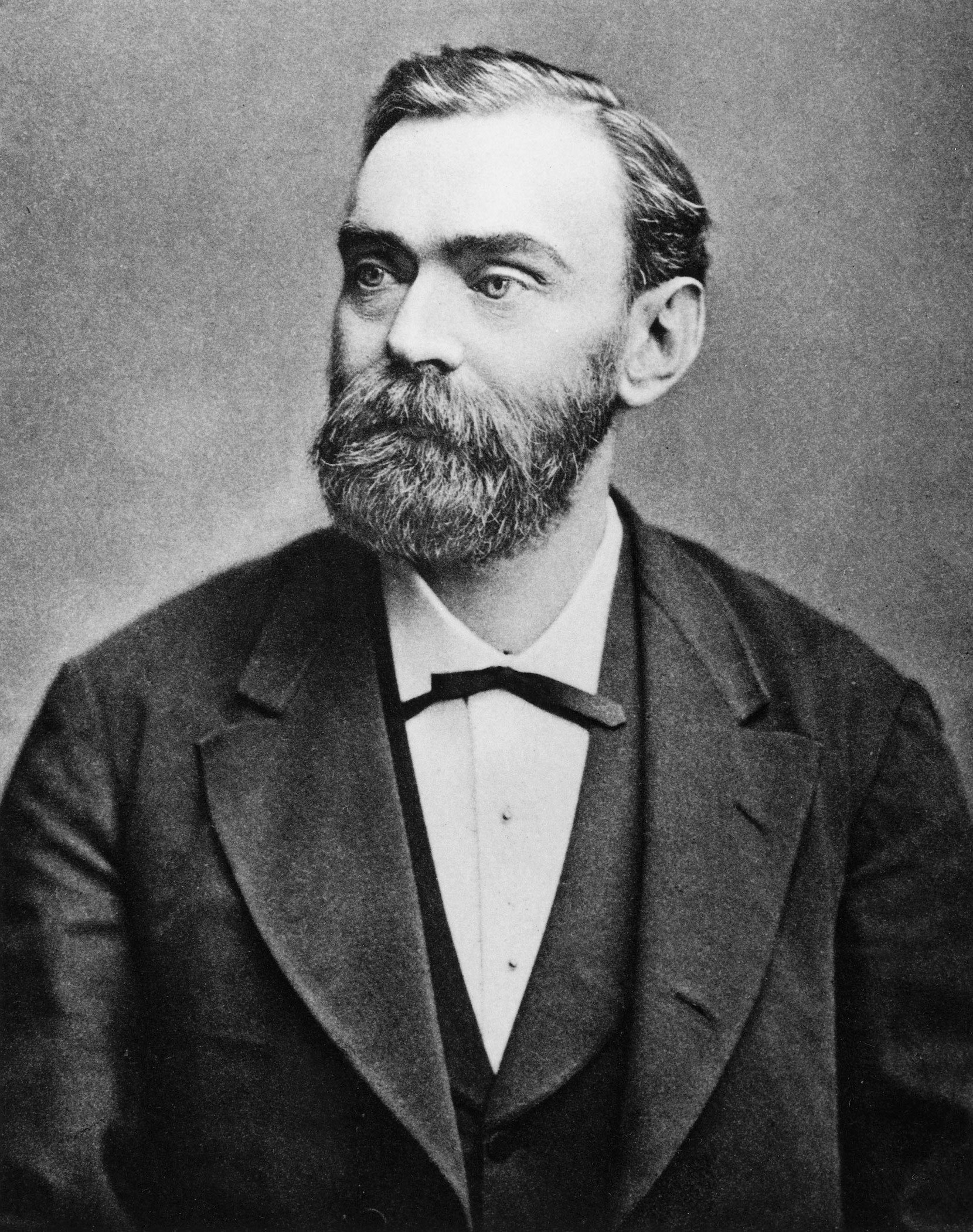
Alfred Nobel
 (Alfred Bernhard Nobel)
Swedish chemist, engineer, and industrialist who invented dynamite and endowed the international Nobel Prizes.
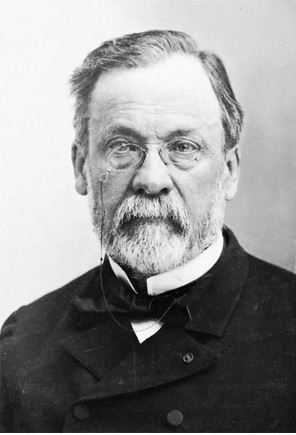
Louis Pasteur
 (Louis Pasteur)
French chemist and microbiologist who proved the germ theory of disease, disproved spontaneous generation, invented pasteurization, and created life-saving vaccines against rabies and anthrax.
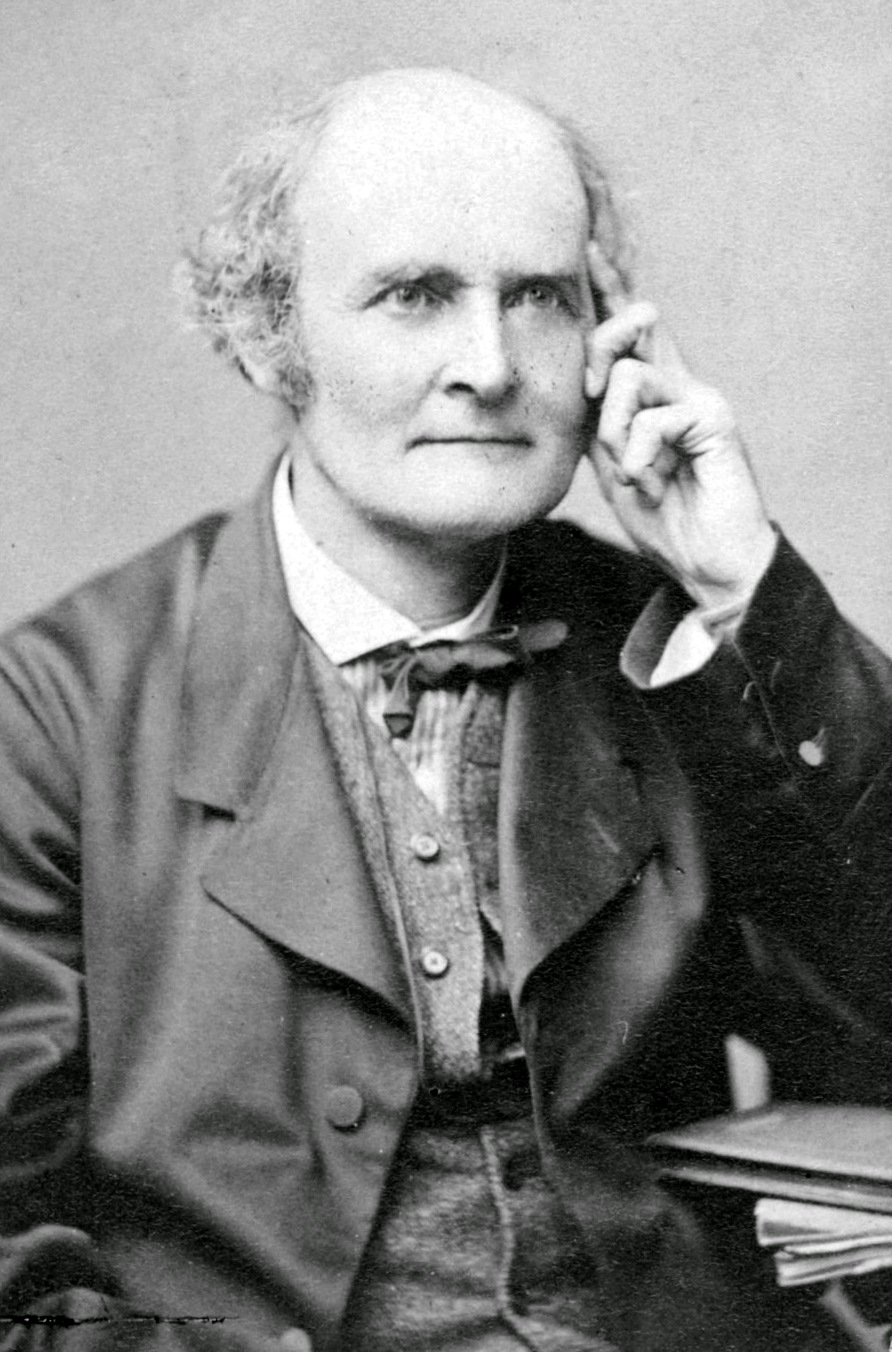
Arthur Cayley
(Arthur Cayley)
British mathematician who founded matrix algebra, developed n-dimensional geometry, and pioneered invariant theory, authoring nearly a thousand mathematical research papers.
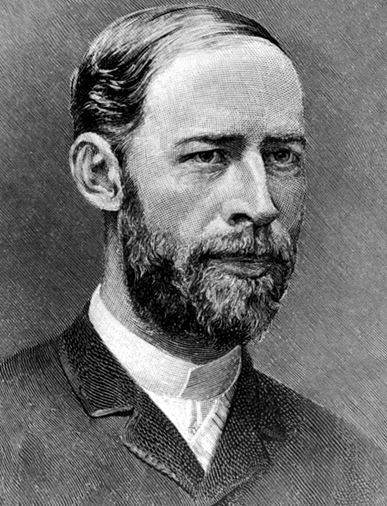
Heinrich Rudolf Hertz
(Heinrich Rudolf Hertz)
German experimental physicist who decisively proved the physical existence of electromagnetic waves, validating Maxwell's theory and laying the foundation for radio and wireless technology.
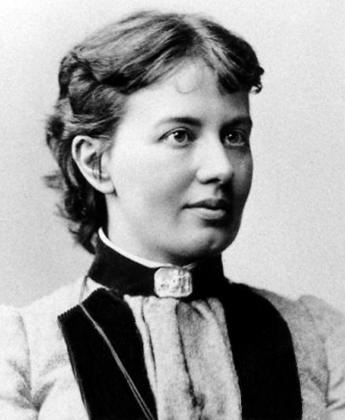
Sofia Kovalevskaya
(Софья Васильевна Ковалевская)
Russian mathematician who made foundational contributions to partial differential equations and rigid body mechanics, becoming the first woman in modern Europe to hold a full university professorship.
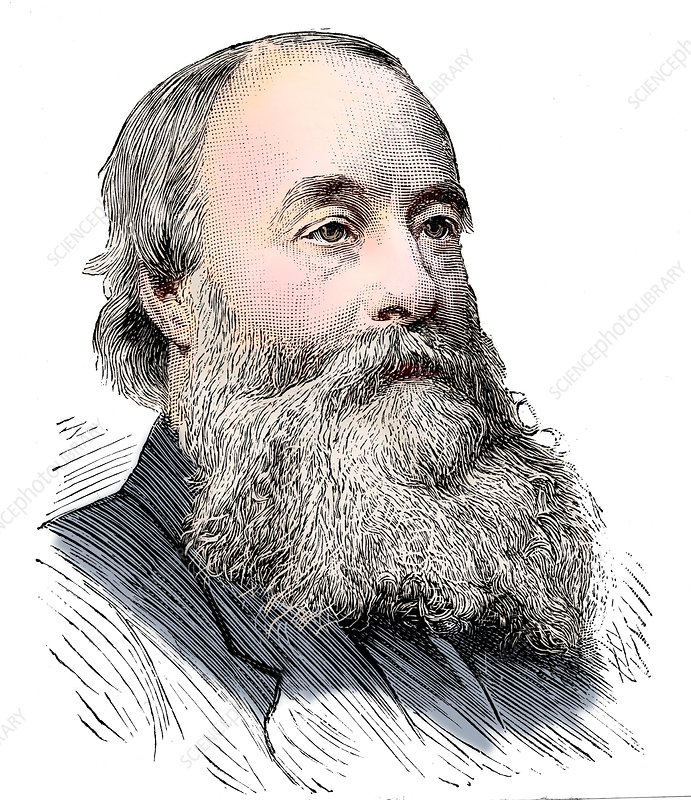
James Prescott Joule
(James Prescott Joule)
English physicist and brewer whose precise measurements established the mechanical equivalent of heat and conservation of energy.
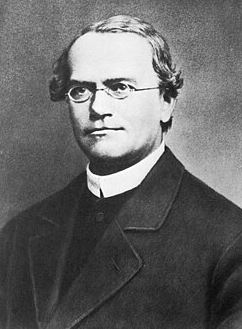
Gregor Mendel
 (Gregor Johann Mendel)
Augustinian abbot whose meticulous eight-year breeding experiments with 29,000 pea plants (Pisum sativum) discovered the fundamental laws of genetic inheritance (dominant and recessive traits).
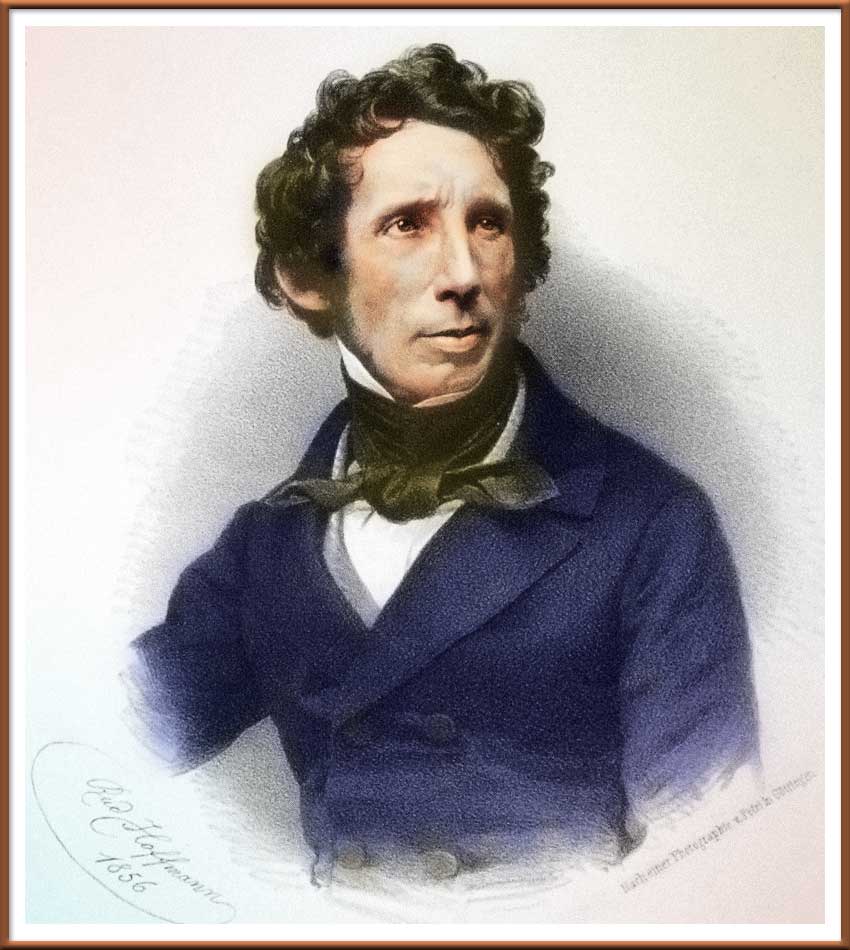
Friedrich Wöhler
(Friedrich Wöhler)
German chemist whose 1828 synthesis of urea shattered vitalism and founded modern synthetic organic chemistry.
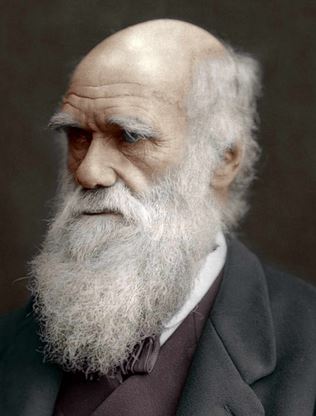
Charles Darwin
(Charles Robert Darwin)
Naturalist whose 1859 masterpiece On the Origin of Species established the theory of biological evolution by natural selection, unifying all life on Earth under common descent.
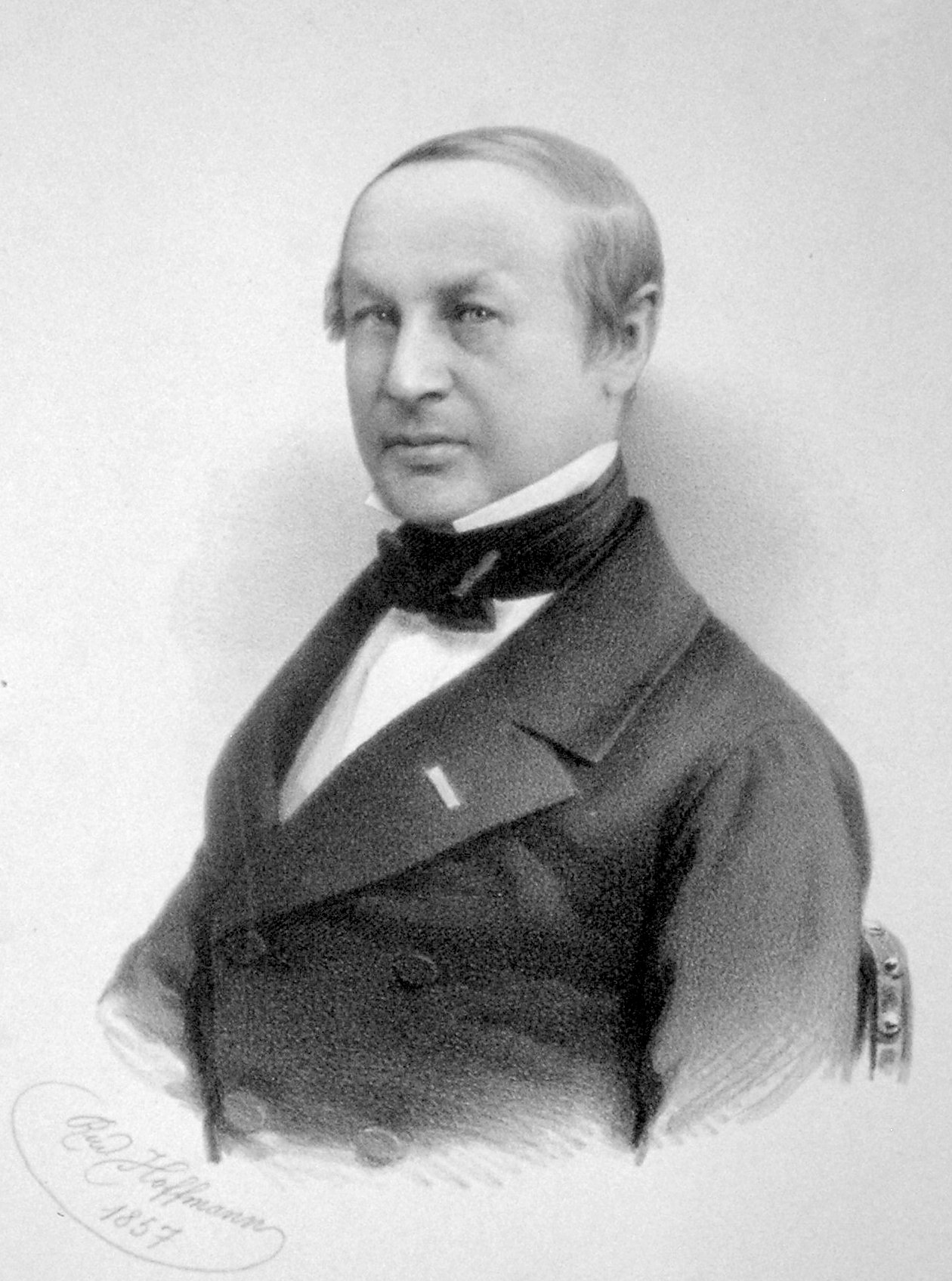
Theodor Schwann
(Theodor Schwann)
German physiologist who formulated the universal Cell Theory in 1839, establishing that all animal tissues are composed of cells, discovered the digestive enzyme pepsin, and discovered the myelinating Schwann cells of the peripheral nervous system.
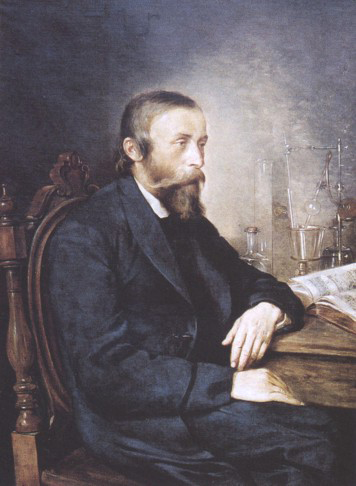
Ignacy Lukasiewicz
(Jan Józef Ignacy Łukasiewicz)
Polish pharmacist and chemical engineer who invented the modern kerosene lamp in 1853 and constructed the world's first modern oil refinery and commercial oil well in Galician Poland.