 United Kingdom
•
2,109 views
United Kingdom
•
2,109 views
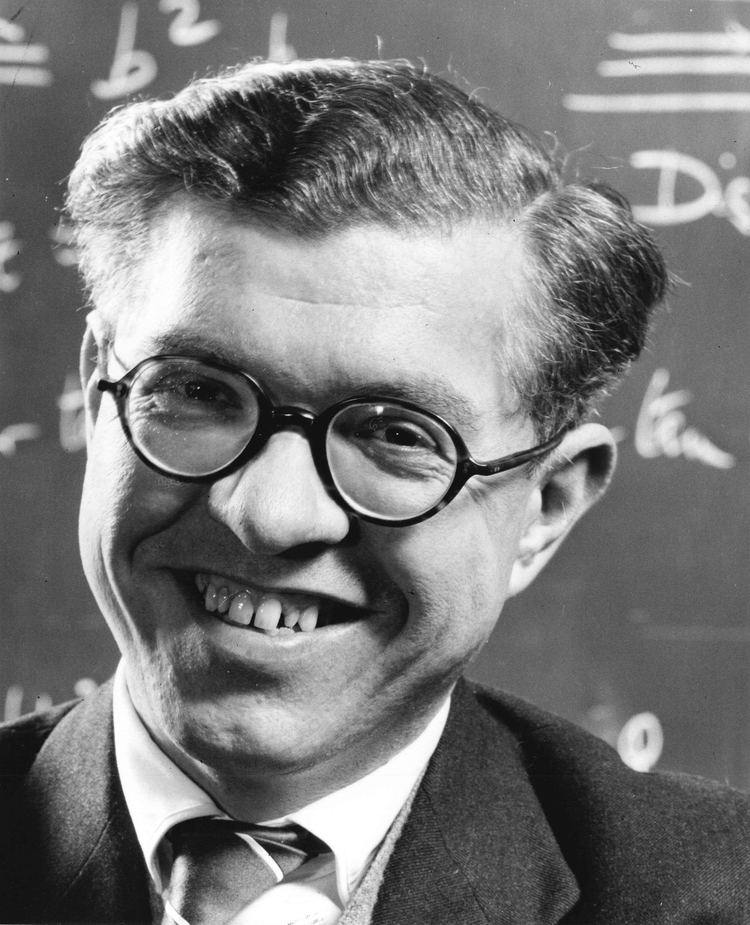
Fred Hoyle

Gilstead, Bingley, Yorkshire, United Kingdom
Archival Overview
Visionary English astrophysicist who explained stellar nucleosynthesis of chemical elements and coined the term 'Big Bang'.
Biographical Record
Sir Fred Hoyle was a brilliant and fiercely provocative English astronomer and mathematician who transformed our understanding of how the elements in our bodies were forged in the stars. Holding the Plumian Professorship at Cambridge and founding the Cambridge Institute of Astronomy, Hoyle was renowned for his bold cosmological theories and best-selling science fiction novels such as The Black Cloud.
In 1946 and 1954, followed by the historic 1957 'B²FH' paper with Margaret Burbidge, Geoffrey Burbidge, and William Fowler, Hoyle solved the mystery of cosmic chemistry: he proved that all elements heavier than helium were forged through nuclear fusion inside dying stars and dispersed into space via supernovae. He predicted the precise excited nuclear resonance state of carbon-12 (the 'Hoyle state'), without which life could not exist. An advocate of the Steady State model, Hoyle ironically coined the phrase 'Big Bang' during a 1949 BBC radio broadcast to characterize the expanding universe hypothesis he opposed, unwittingly giving it its enduring name.
Key Life Milestones
Prediction of the Hoyle State in Carbon-12
Anthropic prediction of a specific excited nuclear energy state in carbon-12 that allows triple-alpha fusion to produce cosmic carbon.
B²FH Stellar Nucleosynthesis Paper
Co-authored the epochal paper explaining how all elements in the periodic table are forged inside stars and supernovae.
Memorial Guestbook & Tributes
0 messages recordedLeave a Respectful Tribute
Final Resting Place
Perpetual MemorialLeicester, United Kingdom