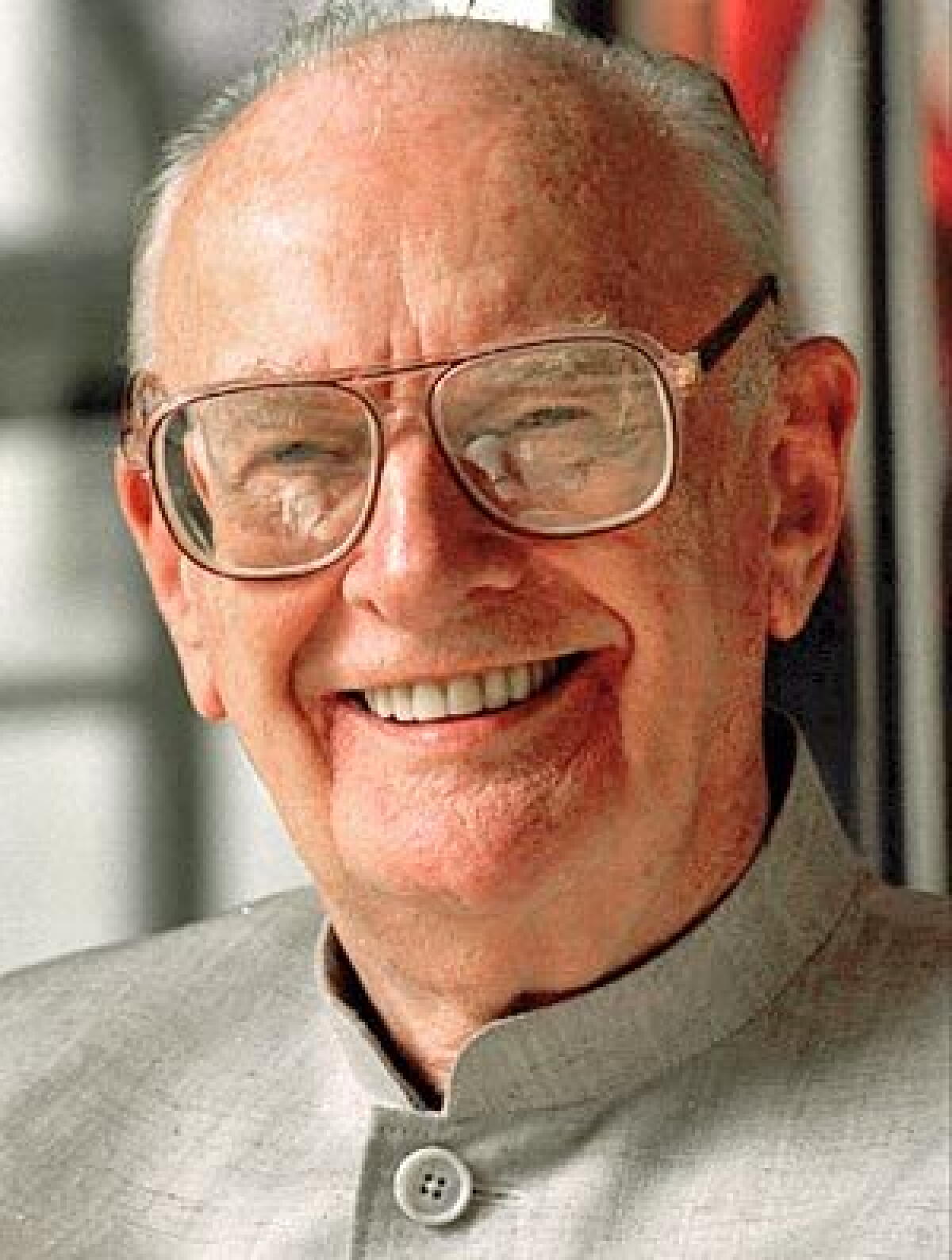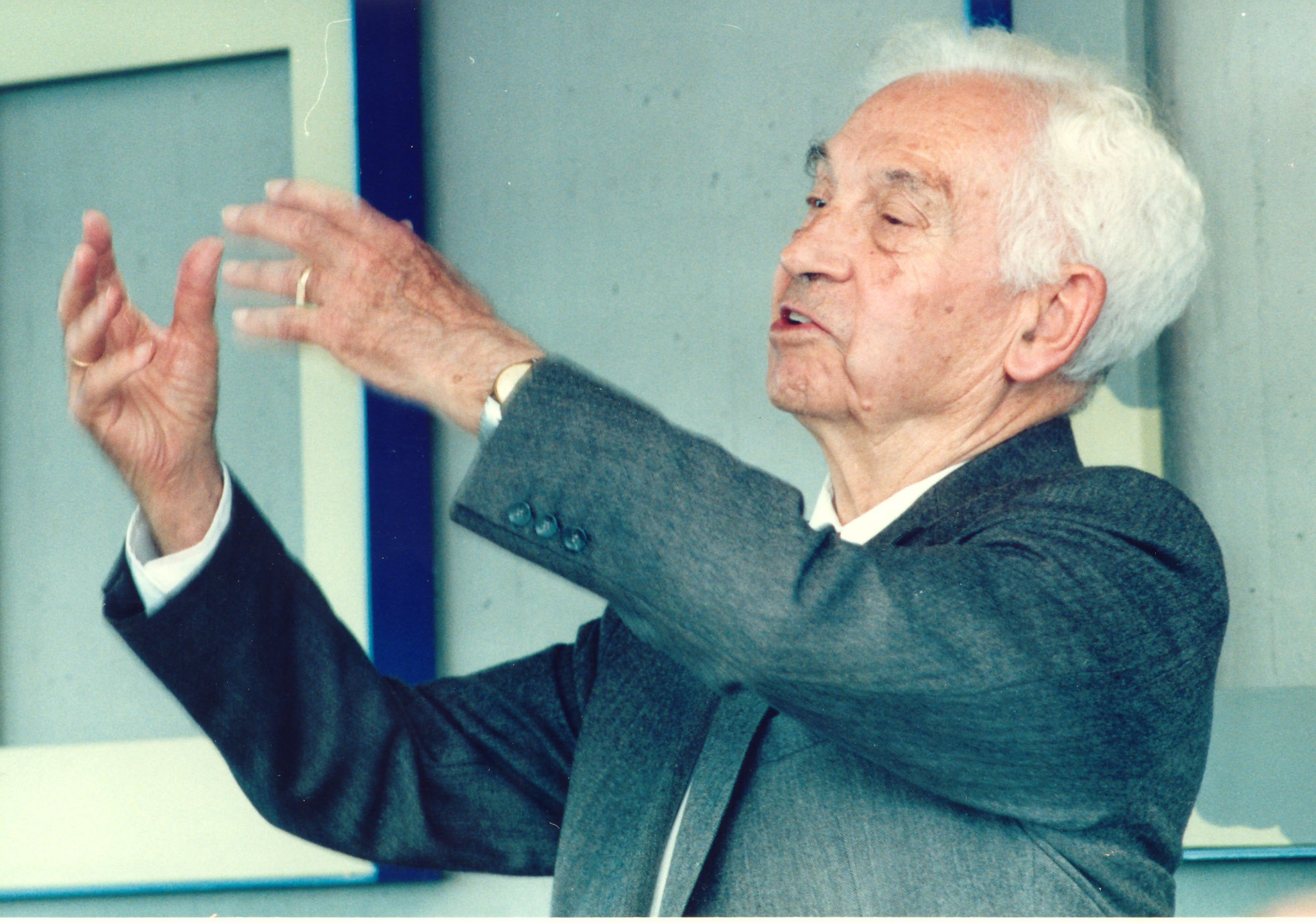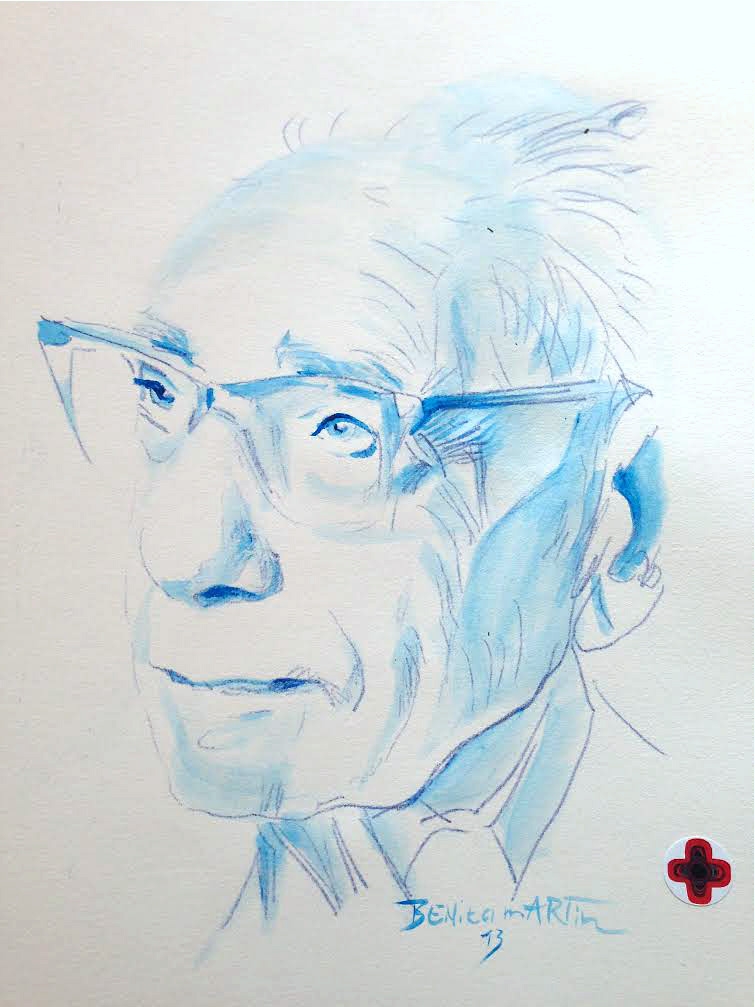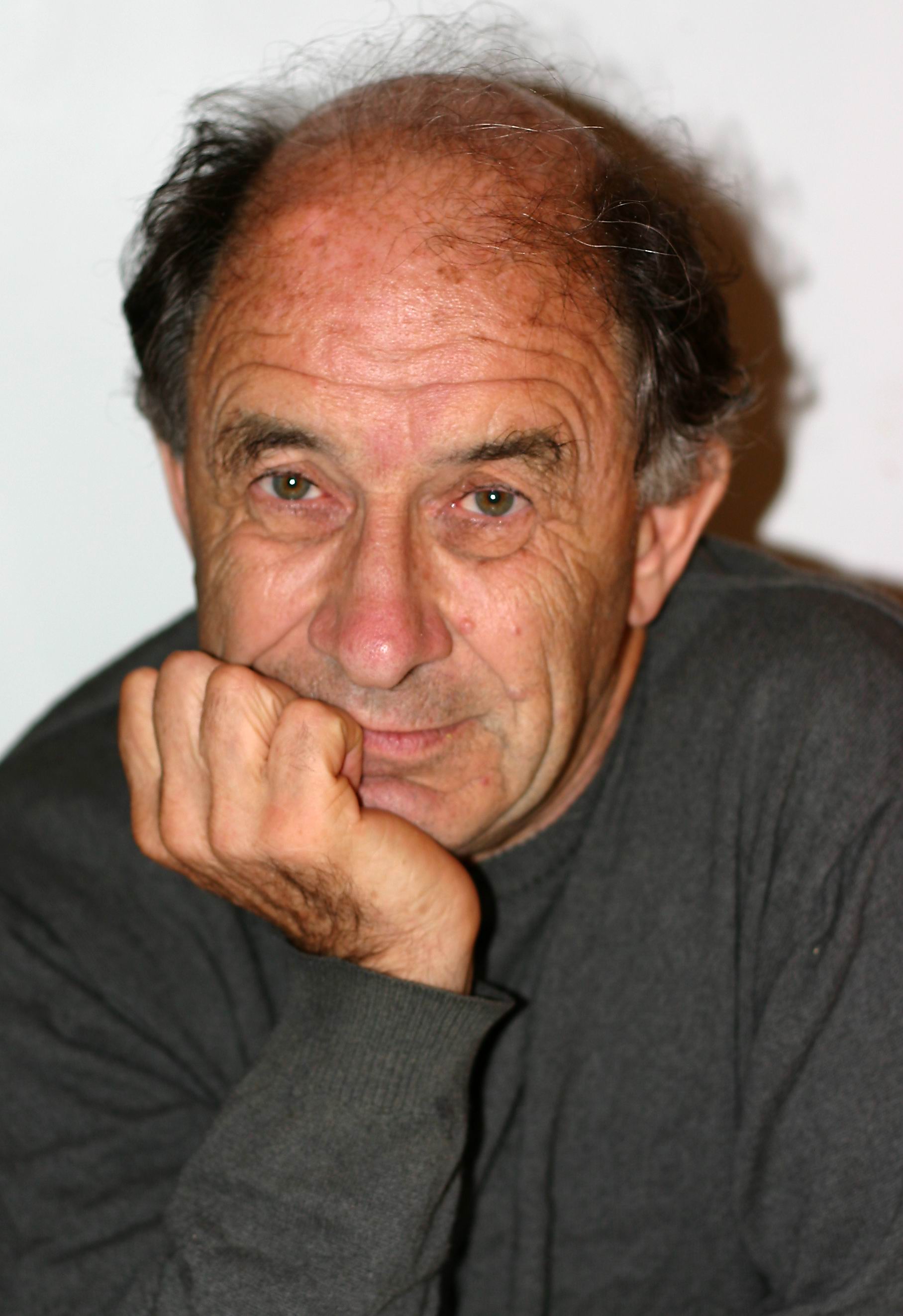
Vladimir Arnold
Soviet-Russian mathematical genius celebrated for the Kolmogorov-Arnold-Moser (KAM) theorem in dynamical systems and deep insights across classical mechanics and singularity theory.
Start typing to search worldwide archives and community tributes
Filterable archive covering centuries of intellectual, artistic, and moral contributions to the human story.
Soviet-Russian mathematical genius celebrated for the Kolmogorov-Arnold-Moser (KAM) theorem in dynamical systems and deep insights across classical mechanics and singularity theory.
Soviet cosmonaut and aerospace engineer who spent 80 days in space across two missions (Soyuz 9 and Soyuz 18/Salyut 4) and later served as President of the Soviet Chess Federation.
Scottish pharmacologist who developed propranolol (the first beta-blocker) and cimetidine (the first H2 receptor antagonist), winning the 1988 Nobel Prize.
American biochemist and geneticist who shared the 1968 Nobel Prize in Physiology or Medicine for breaking the genetic code and showing how RNA translates DNA into proteins.
Distinguished physician and neurobiologist who joined the ALN maquis in 1956, organized surgical networks across Kabylia, and pioneered neurology in independent Algeria.
Distinguished Libyan linguist, philologist, and lexicographer who served as President of the Academy of the Arabic Language in Tripoli and authored over thirty comparative linguistic dictionaries.
British science and aerospace visionary who conceptualized geostationary satellite communications and co-created 2001: A Space Odyssey.
The foremost academic historian of the Algerian National Movement, whose monumental two-volume study 'Histoire du nationalisme algรฉrien' is the bedrock text on the rise of the revolution.
German-American evolutionary biologist hailed as the 'Darwin of the 20th Century', who formulated the Biological Species Concept in 1942, proved allopatric speciation through geographic isolation, and authored 'Systematics and the Origin of Species'.
German-born British biophysicist who was awarded the 1970 Nobel Prize in Medicine for discovering that neurotransmitters are released at synapses in discrete packets or 'quanta' via calcium-mediated synaptic vesicles.
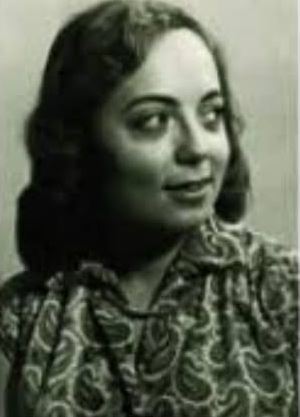
Pioneering woman physician of the ALN in Wilaya 3 (Kabylie), who performed surgical operations in mountain caves and became President of the Algerian Red Crescent.
Argentine biochemist who developed hybridoma technology to produce monoclonal antibodies, a revolutionary medical breakthrough awarded the 1984 Nobel Prize in Medicine.
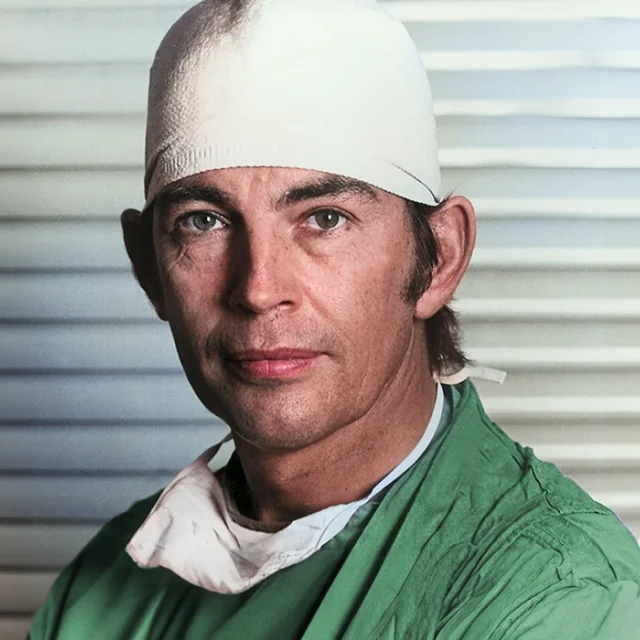
South African cardiac surgeon who performed the world's first successful human-to-human heart transplant in 1967.
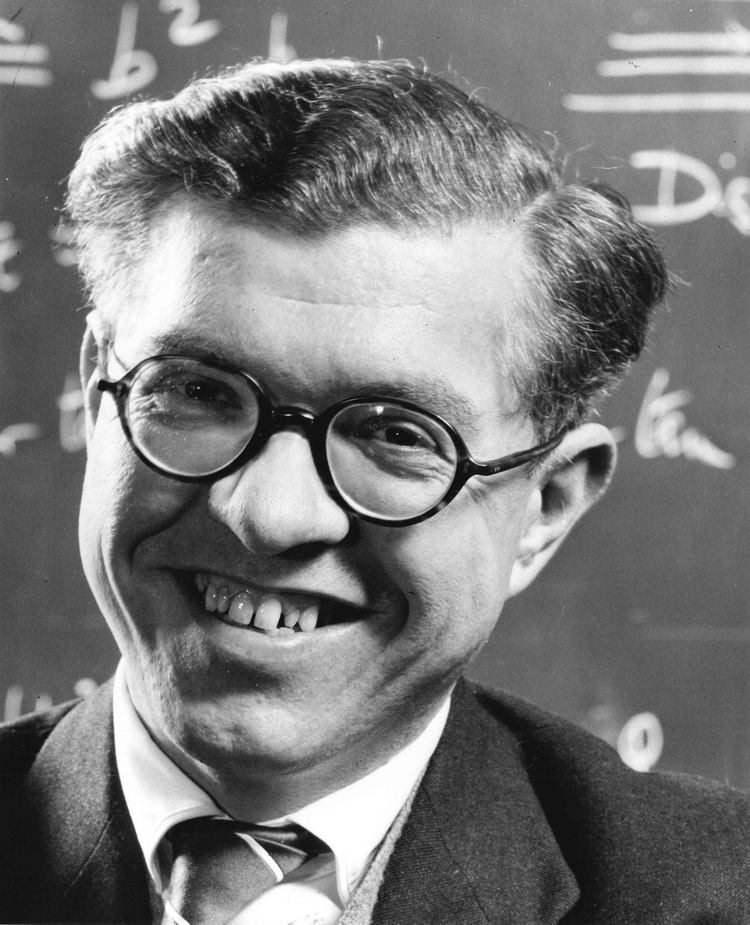
Visionary English astrophysicist who explained stellar nucleosynthesis of chemical elements and coined the term 'Big Bang'.
Soviet physicist who co-invented the maser and laser principles through quantum electronics, awarded the 1964 Nobel Prize in Physics alongside Aleksandr Prokhorov and Charles Townes.
American mathematician and engineer who unified Boolean algebra with electrical circuits to create digital circuit design, and single-handedly founded mathematical Information Theory and the 'bit'.
American nuclear chemist who co-discovered plutonium and nine other transuranic elements, winning the 1951 Nobel Prize.
English biophysicist who won the 1963 Nobel Prize in Medicine alongside Andrew Huxley for discovering the ionic mechanisms involved in excitation and inhibition in the peripheral and central parts of the nerve cell membrane.