Public Figures & Cultural Luminaries
Filterable archive covering centuries of intellectual, artistic, and moral contributions to the human story.
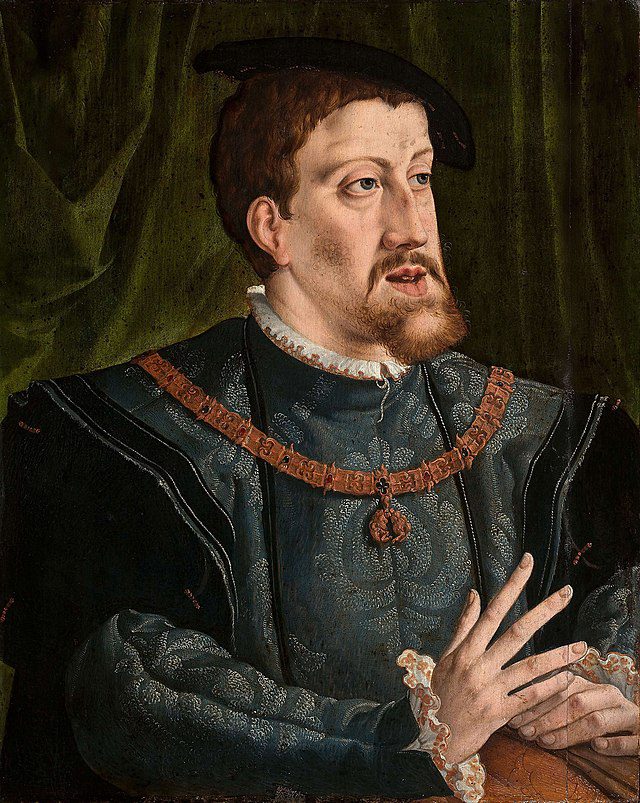
Charles V, Holy Roman Emperor (Carlos I of Spain)
 (Carlos I de España y V del Sacro Imperio)
Ruler of the Habsburg Empire on which 'the sun never set', sovereign of Spain, the Low Countries, and the Holy Roman Empire.
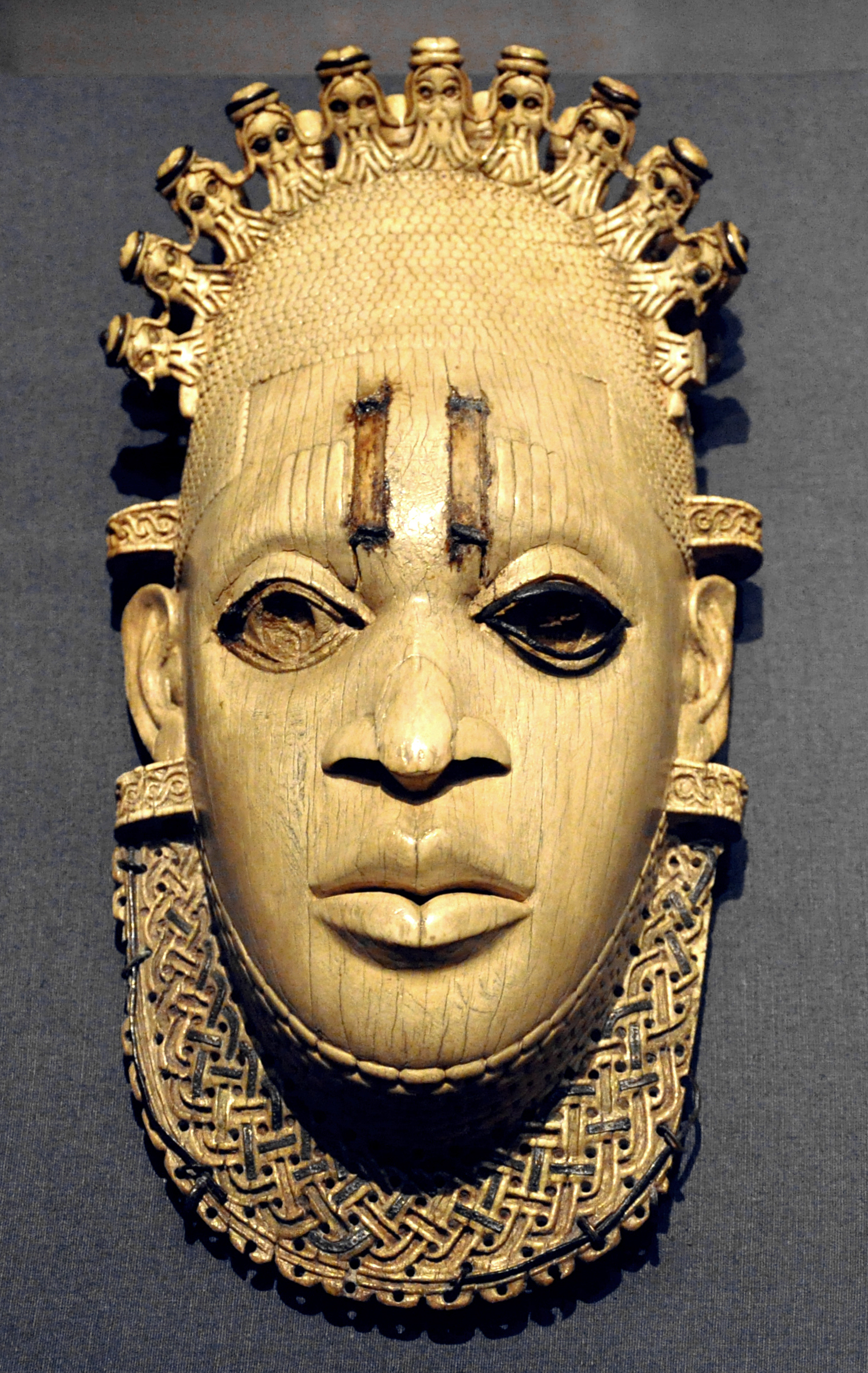
Queen Idia
 (Idia (First Iyoba of Benin))
Celebrated warrior queen and spiritual strategist of the Benin Empire, the first Iyoba (Queen Mother), immortalized worldwide by the famous 16th-century ivory pendant mask chosen as the symbol of FESTAC 77.
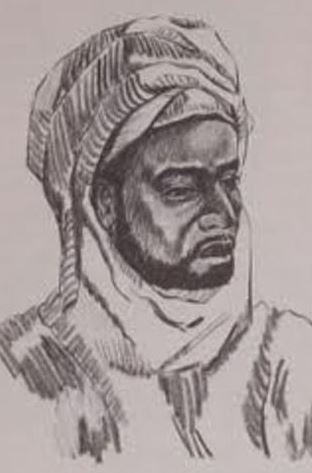
Askia Ishaq I (Askia Ishaq I (Ishaq ibn Muhammad))
Fifth monarch of the Askia dynasty of the Songhai Empire (reigned 1539–1549) who restored fiscal solvency, maintained strict central discipline, and famously repelled Moroccan demands for the lucrative Saharan salt mines of Taghaza.
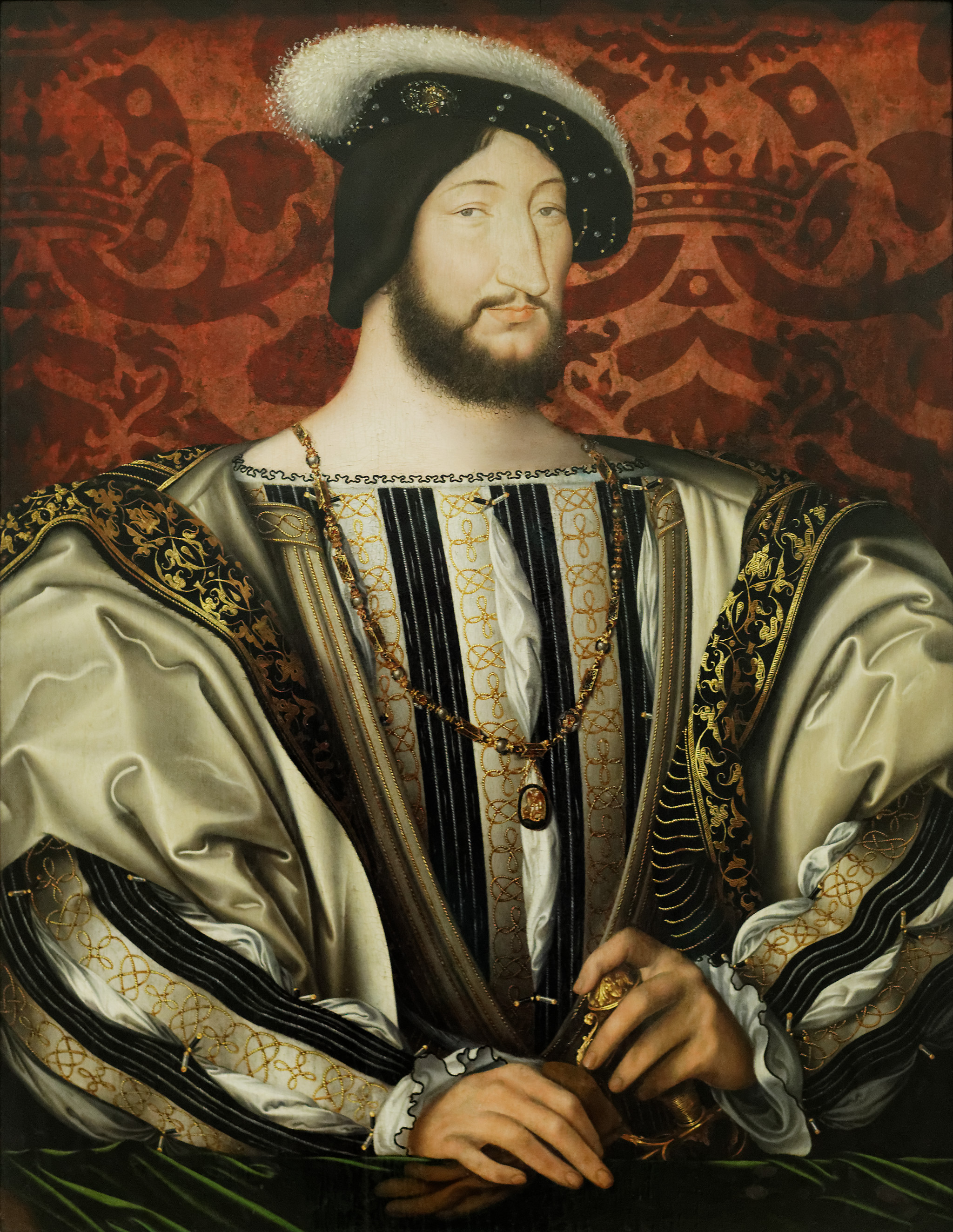
Francis I of France
 (François Ier (Le Père et Restaurateur des Lettres))
French Renaissance monarch who patronized Leonardo da Vinci, constructed Chambord, and standardized the French language.
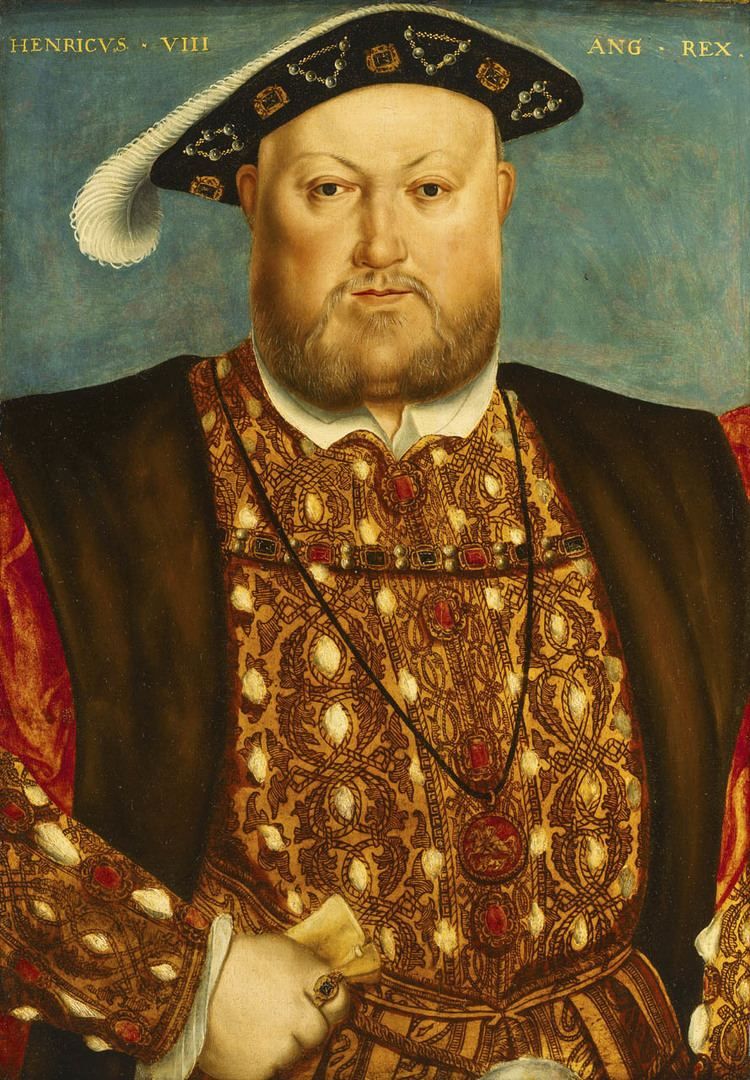
Henry VIII of England
 (Henry Tudor)
Formidable Tudor monarch who broke with the Roman Catholic Church to establish the Church of England, and father of the Royal Navy.
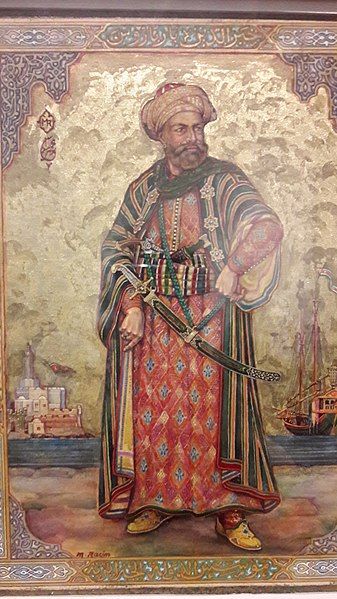
Hayreddin Barbarossa
 (خير الدين بربروس)
Younger brother of Aruj who placed Algiers under Ottoman caliphal protection, destroyed the Spanish Peñón of Algiers, conquered Tunis, and routed Holy League navies at the Battle of Preveza in 1538.
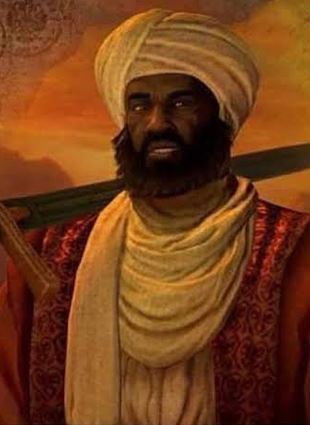
Askia Muhammad I (Askia Muhammad I (Askia the Great))
Emperor of the Songhai Empire known as Askia the Great, who expanded the empire to its maximum territorial height and made Timbuktu the premier intellectual capital of West Africa.
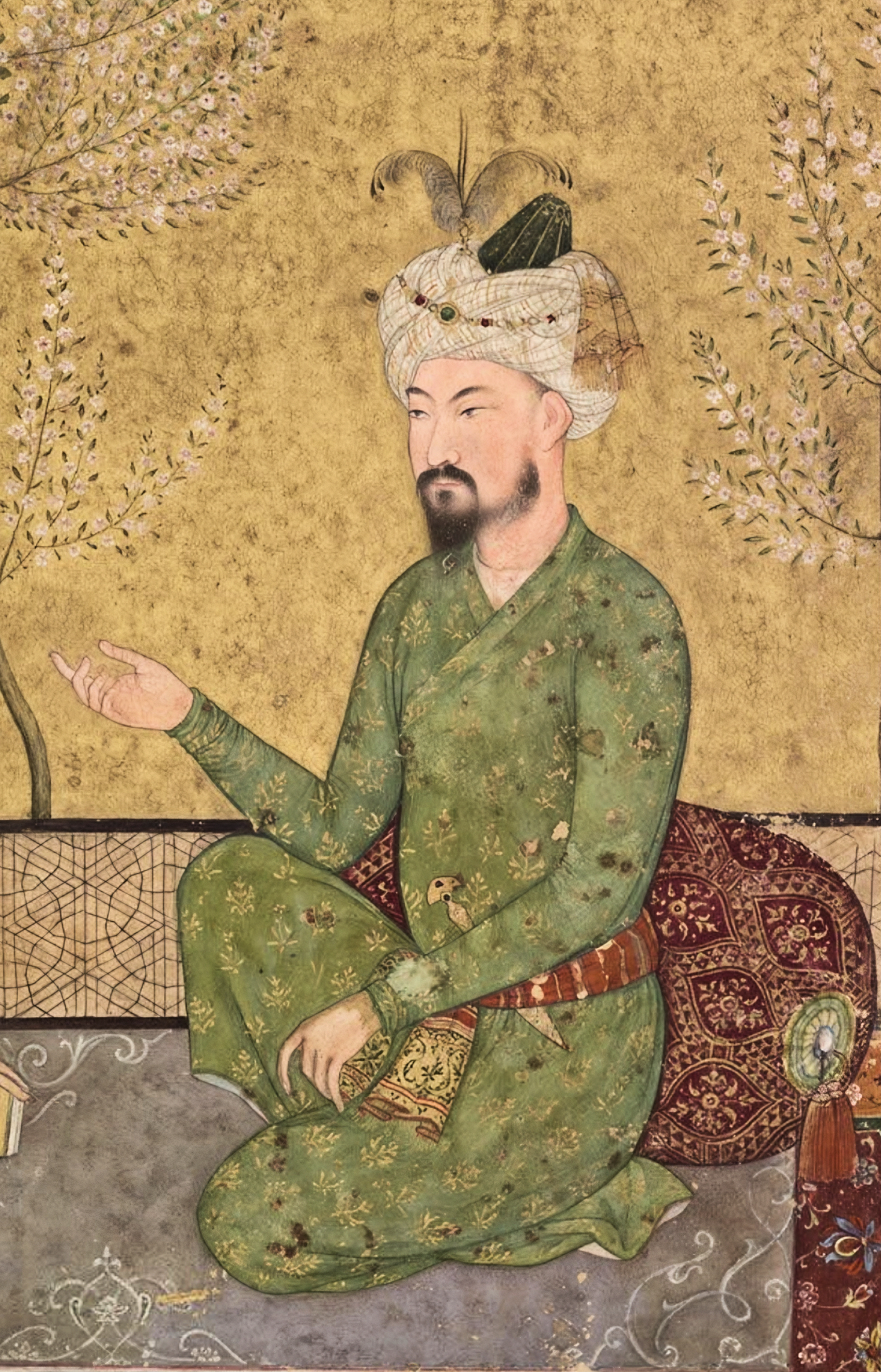
Babur
 (ظہیر الدین محمد بابر)
Central Asian conqueror, poet, and founder of the Mughal Empire in India, celebrated for defeating the Delhi Sultanate at the Battle of Panipat and authoring his candid autobiography Baburnama.
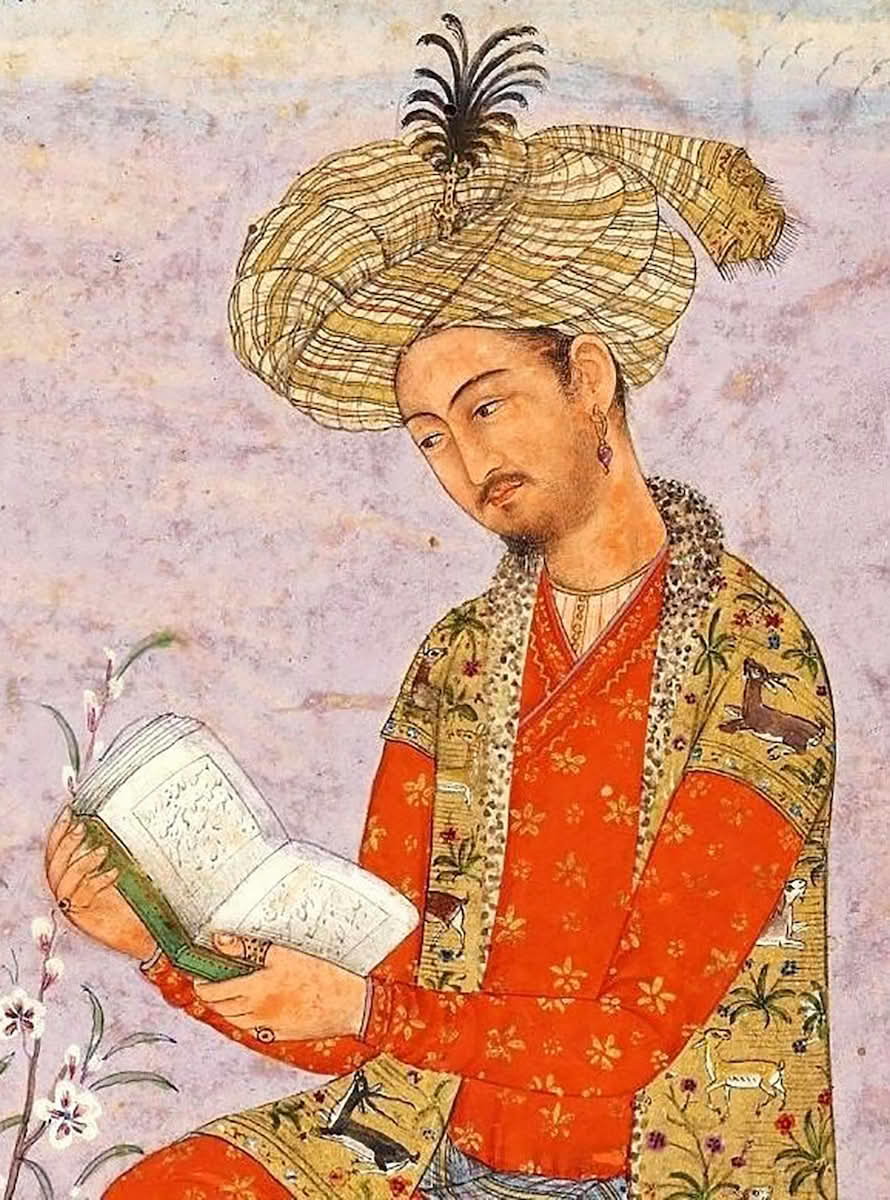
Babur (Zahir al-Din Muhammad)
(بابر / Zahīr al-Dīn Muhammad)
Founder of the Mughal Empire in India and author of the Baburnama, descended from Timur and Genghis Khan, who revolutionized warfare with artillery.
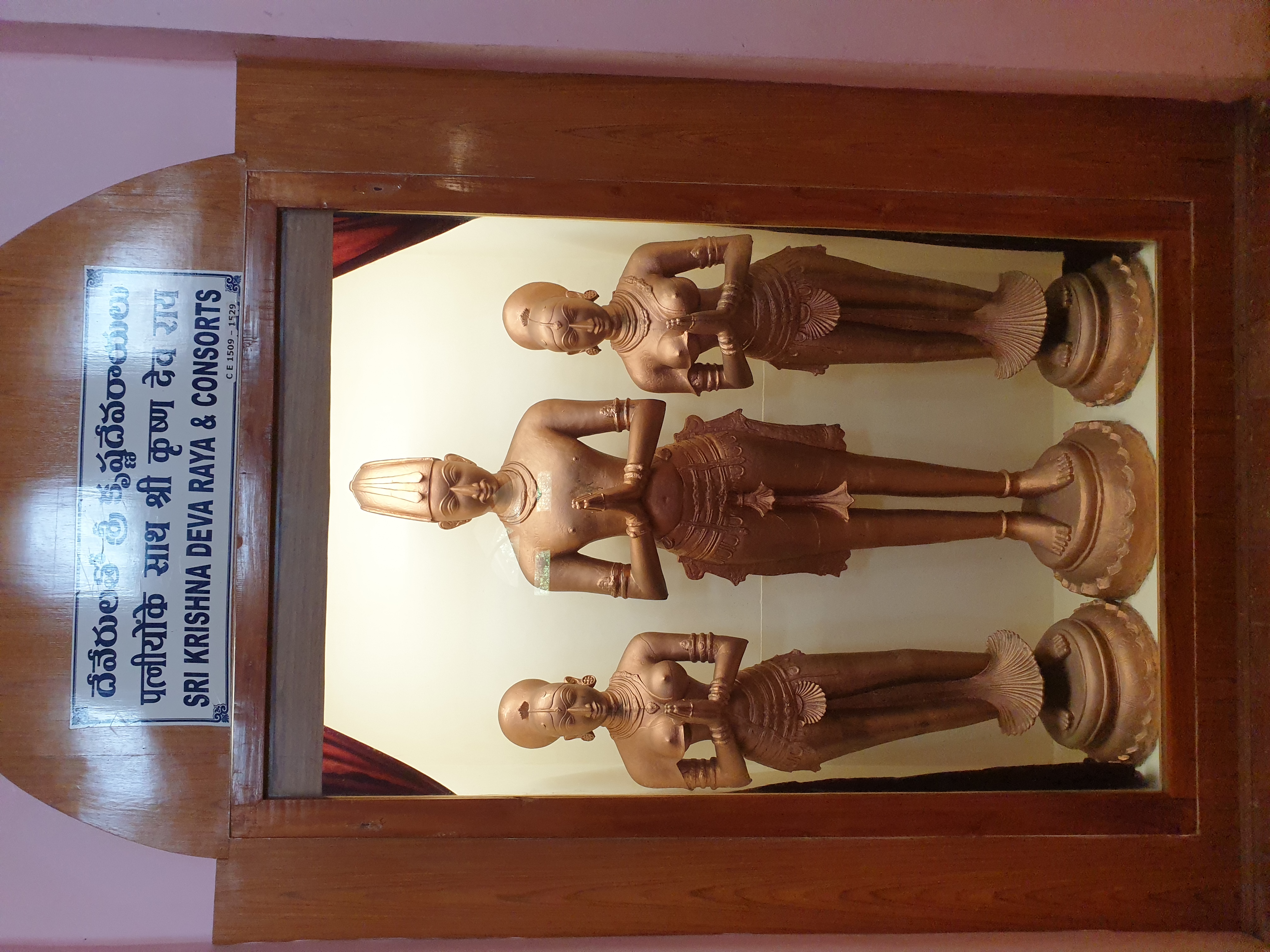
Krishnadevaraya
 (ಶ್ರೀ ಕೃಷ್ಣದೇವರಾಯ (శ్రీ కృష్ణదేవరాయ))
Greatest emperor of the Vijayanagara Empire (1509–1529) who presided over the golden age of South Indian architecture and literature, built the breathtaking temple monuments of Hampi, and authored the Telugu epic 'Amuktamalyada'.
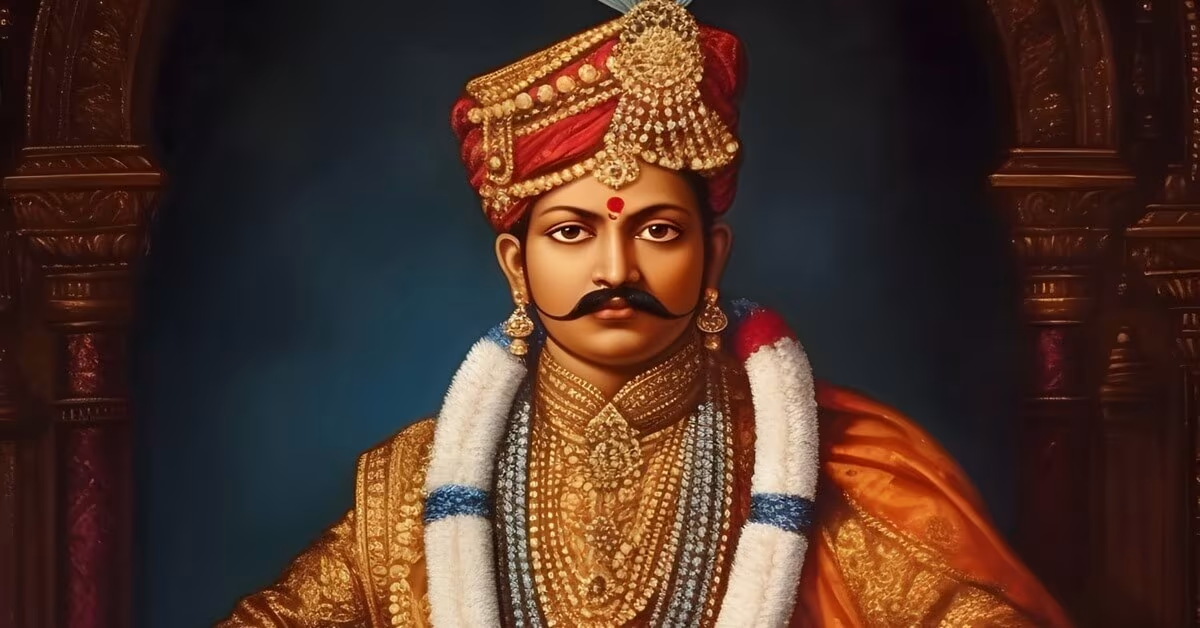
Krishnadevaraya of Vijayanagara
(శ్రీ కృష్ణదేవరాయ)
Foremost emperor of the Vijayanagara Empire whose military prowess and cultural patronage initiated a golden age in southern Indian history.
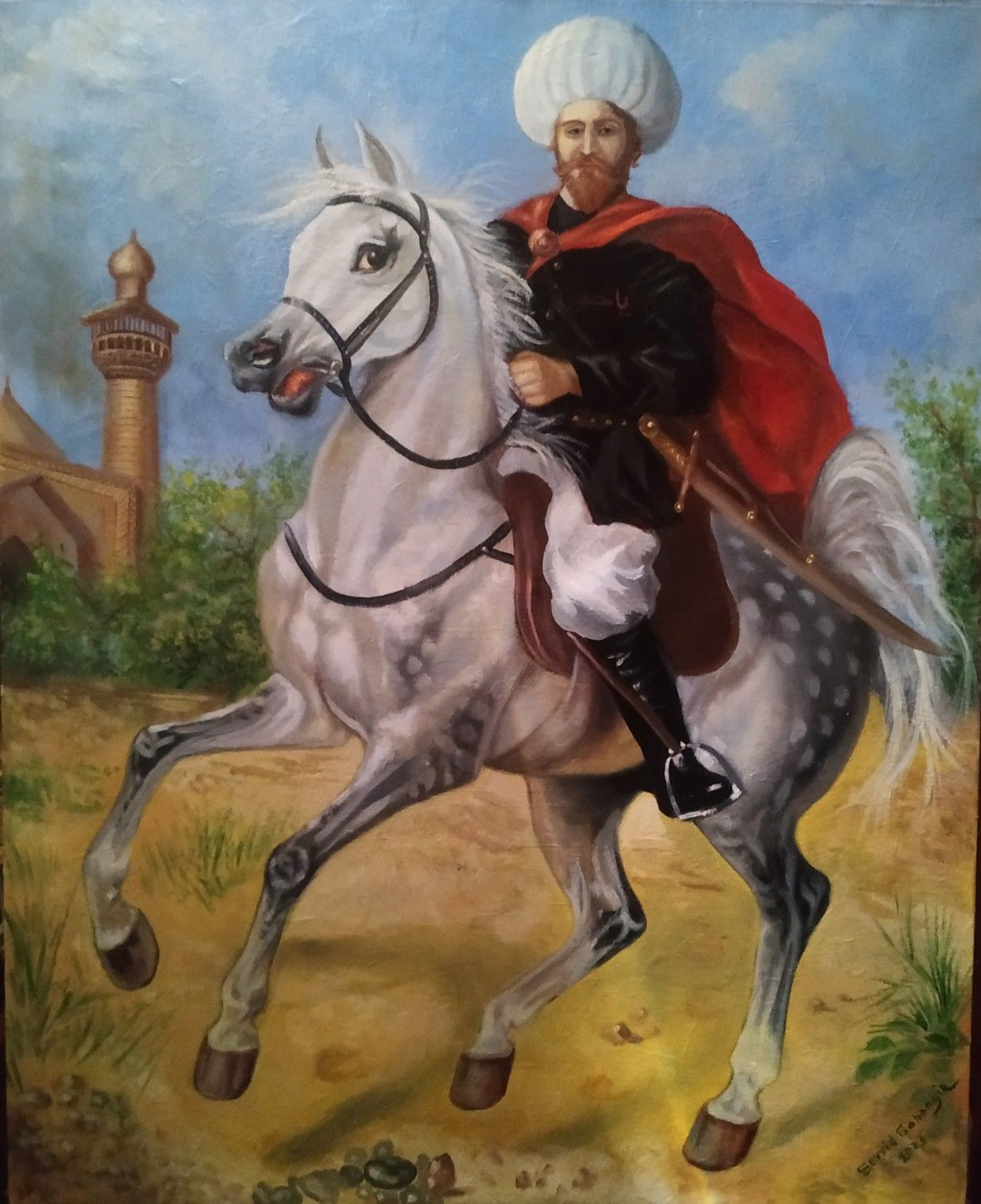
Shah Ismail I
 (شاه اسماعیل یکم (Hata'i))
Founder of the Safavid Empire who unified Iran, established Twelver Shia Islam as the state religion, and was a major Azerbaijani poet.
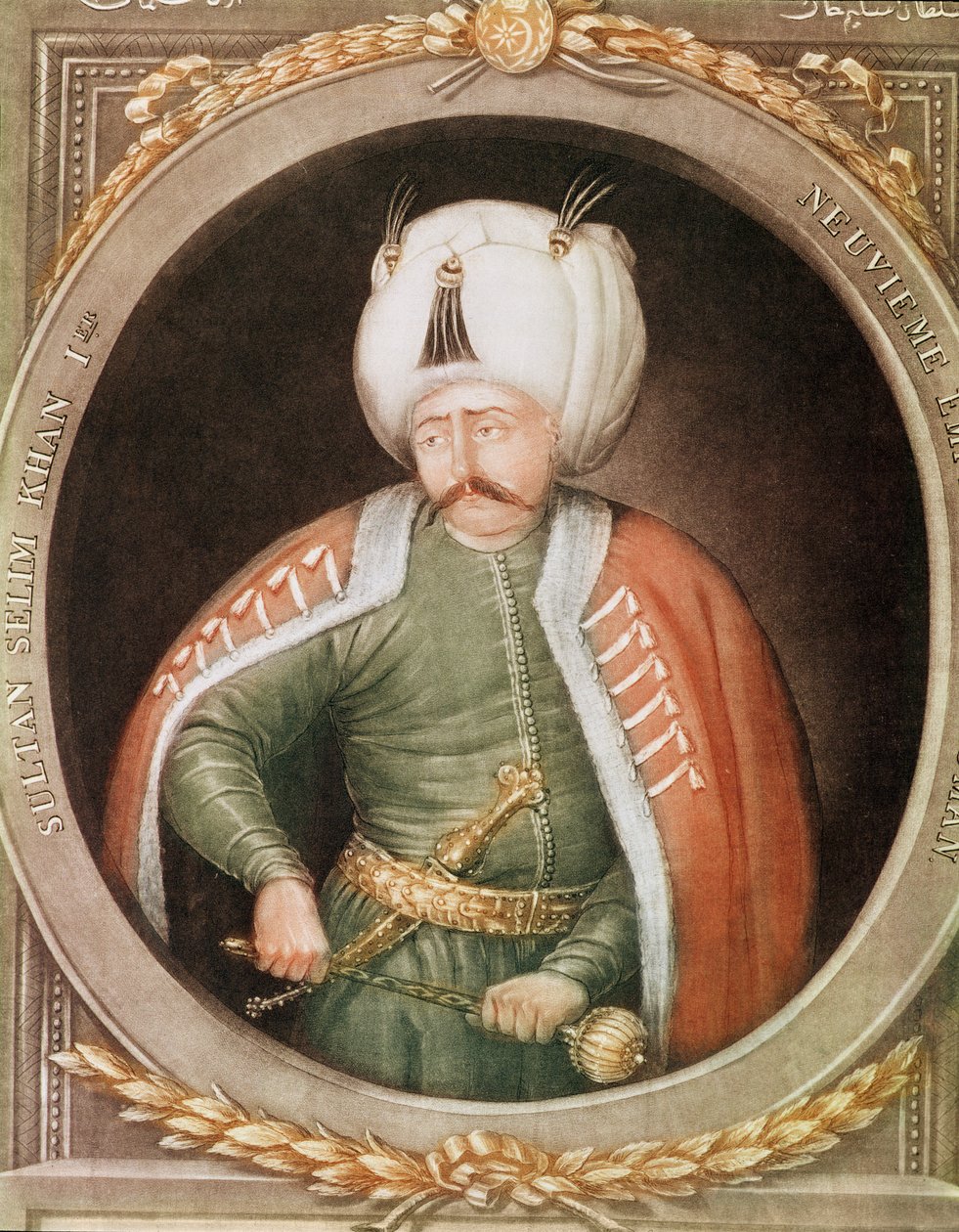
Selim I (Yavuz Sultan Selim / Selim the Grim)
 (سليم اول / Yavuz Sultan Selim)
Ninth Ottoman Sultan who tripled the size of the Ottoman Empire in just eight years, conquered the Mamluk Sultanate, and assumed the Caliphate.
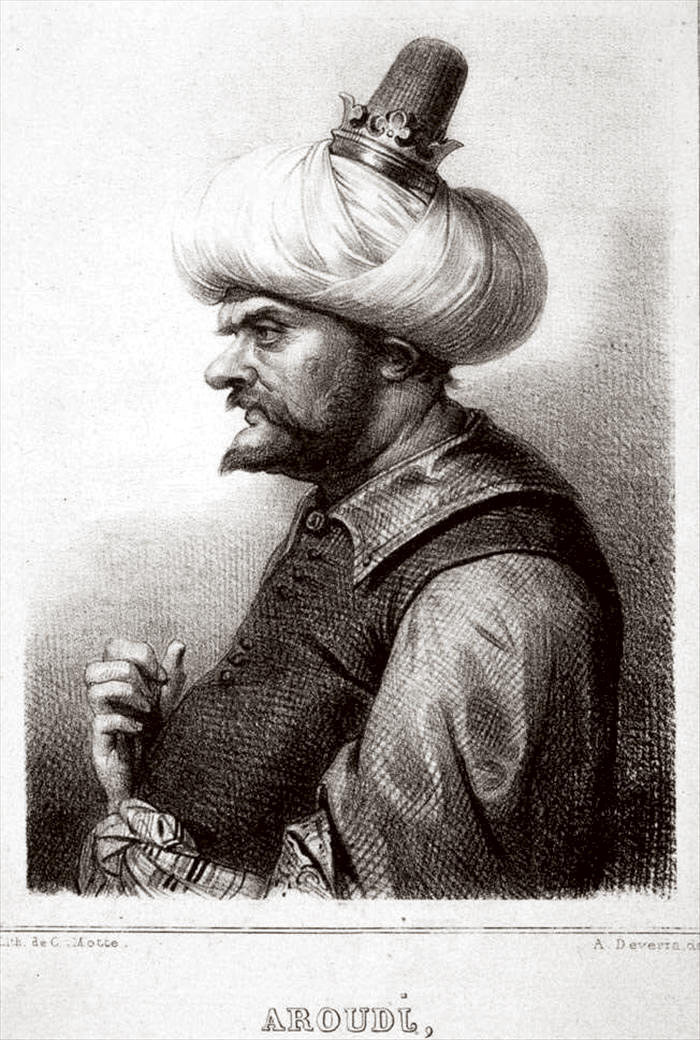
Aruj Barbarossa
(عروج بربروس)
Legendary Ottoman-Algerian privateer known as 'Redbeard' (Baba Aruj) who rescued thousands of Andalusian Muslims and Jews from Spain, seized Algiers in 1516, and founded the Regency of Algiers.
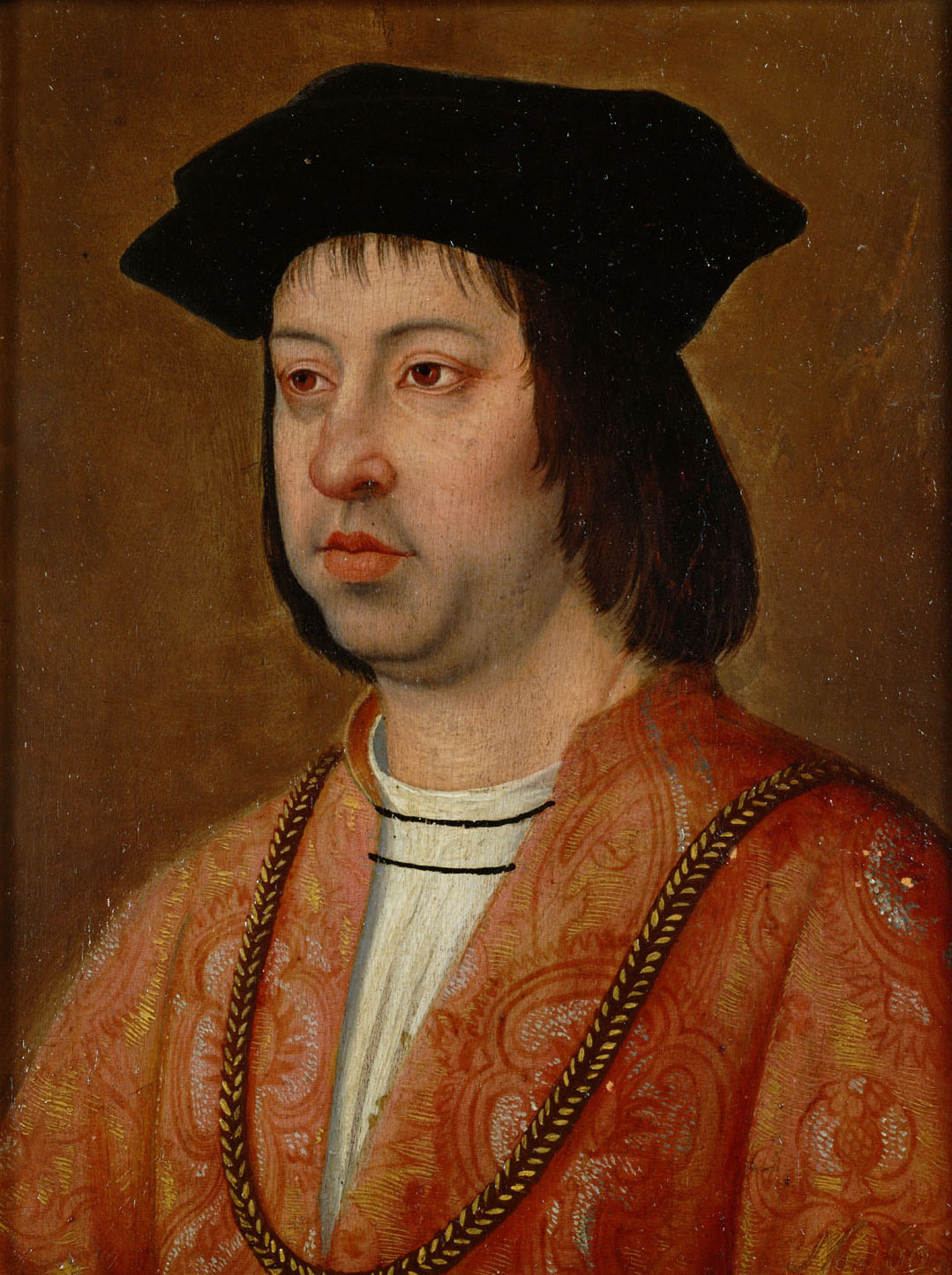
Ferdinand II of Aragon
 (Fernando II de Aragón (El Católico))
King of Aragon and Sicily whose marriage to Isabella of Castile unified Spain; praised by Machiavelli as the archetype of royal statecraft.
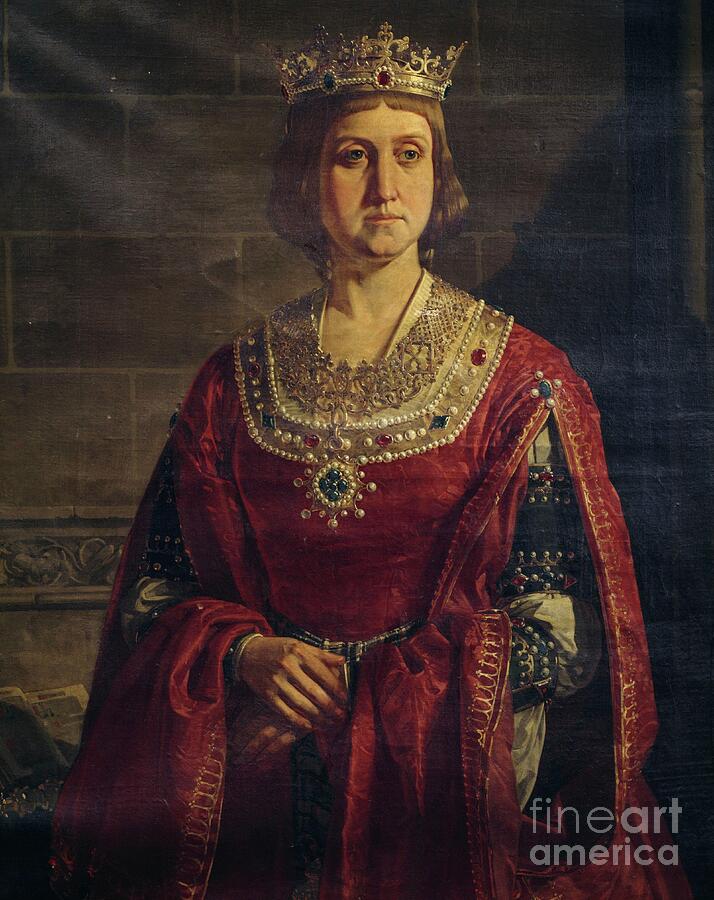
Isabella I of Castile
(Isabel I de Castilla (La Católica))
Queen of Castile who unified Spain with Ferdinand II, completed the Reconquista of Granada, and sponsored Christopher Columbus in 1492.
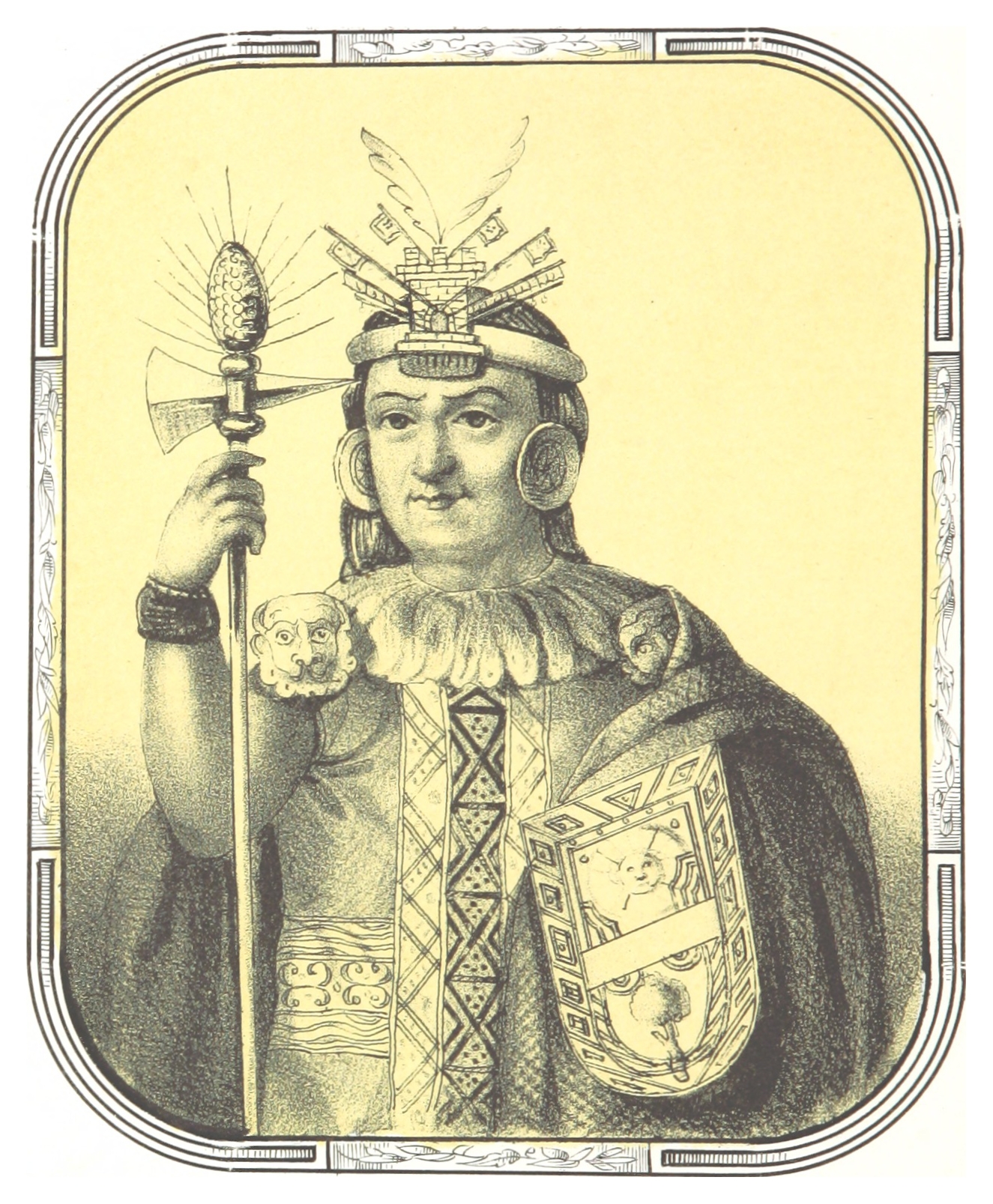
Tupac Inca Yupanqui
 (Topa Inka Yupanki)
Tenth Sapa Inca and supreme military conqueror of the Inca Empire, who doubled the empire's size from Ecuador to central Chile and led a legendary balsa-raft expedition across the Pacific Ocean.
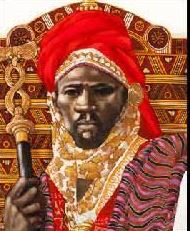
Sunni Ali Ber (Si Ali Ber (Sonni Ali))
First great imperial ruler of the Songhai Empire (1464–1492) who transformed a local riverine kingdom into West Africa's dominant superpower, capturing the scholarly cities of Timbuktu and Djenné with a legendary river fleet and cavalry.