Public Figures & Cultural Luminaries
Filterable archive covering centuries of intellectual, artistic, and moral contributions to the human story.
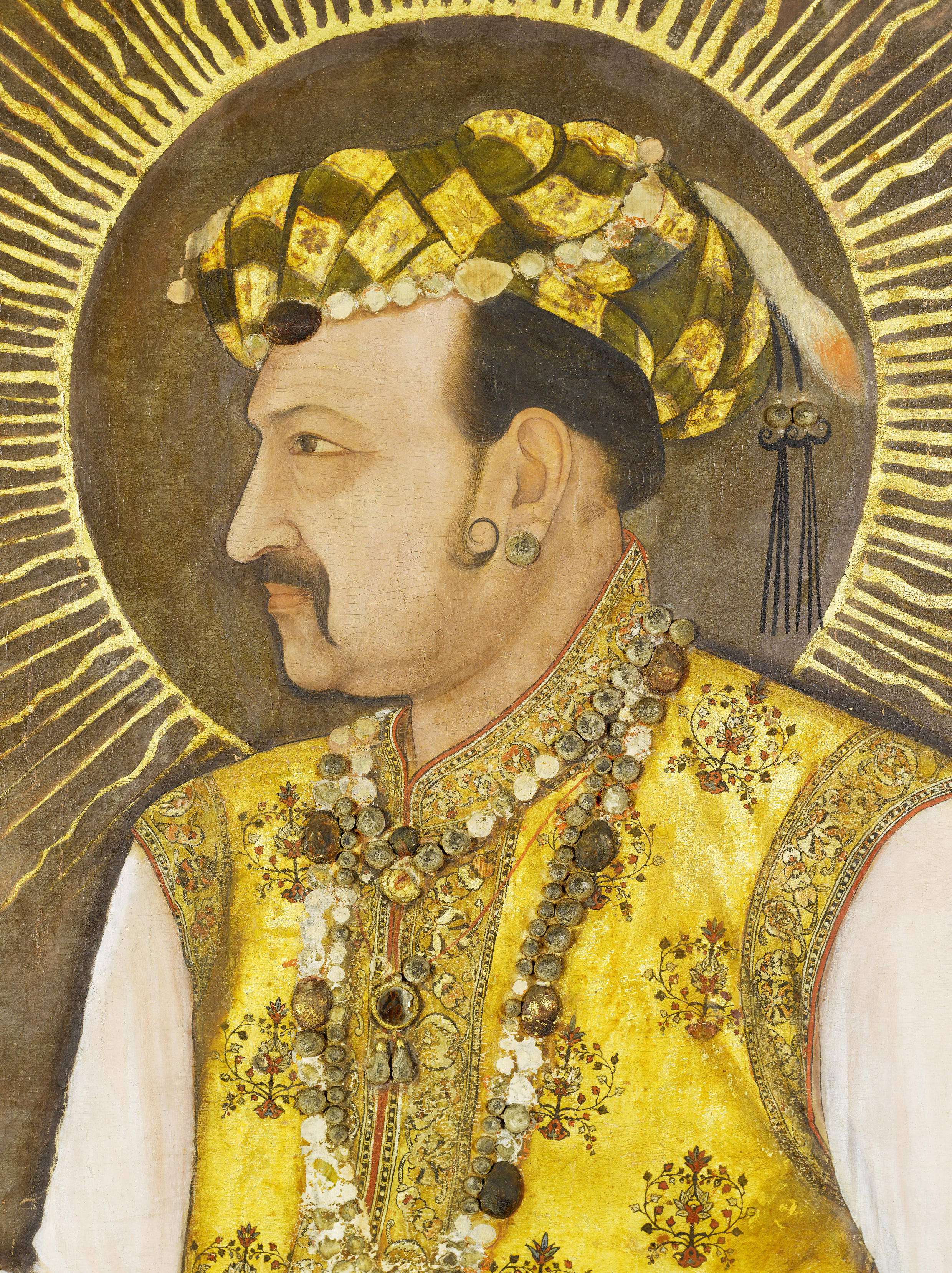
Jahangir
 (نور الدین محمد جہانگیر)
Fourth Mughal Emperor who patronized the golden age of Mughal miniature painting, established the 'Chain of Justice' (Zanjir-i Adl) at Agra, and recorded acute natural history observations in Jahangirnama.
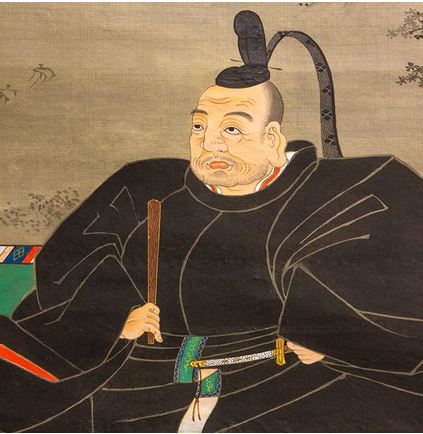
Tokugawa Ieyasu (First Tokugawa Shogun)
 (徳川 家康 (Tokugawa Ieyasu))
Third and final "Great Unifier" of Japan who triumphed at the Battle of Sekigahara (1600). Established the Tokugawa Shogunate and made Edo (Tokyo) the seat of government, inaugurating two and a half centuries of peace, stability, and cultural flourishing.
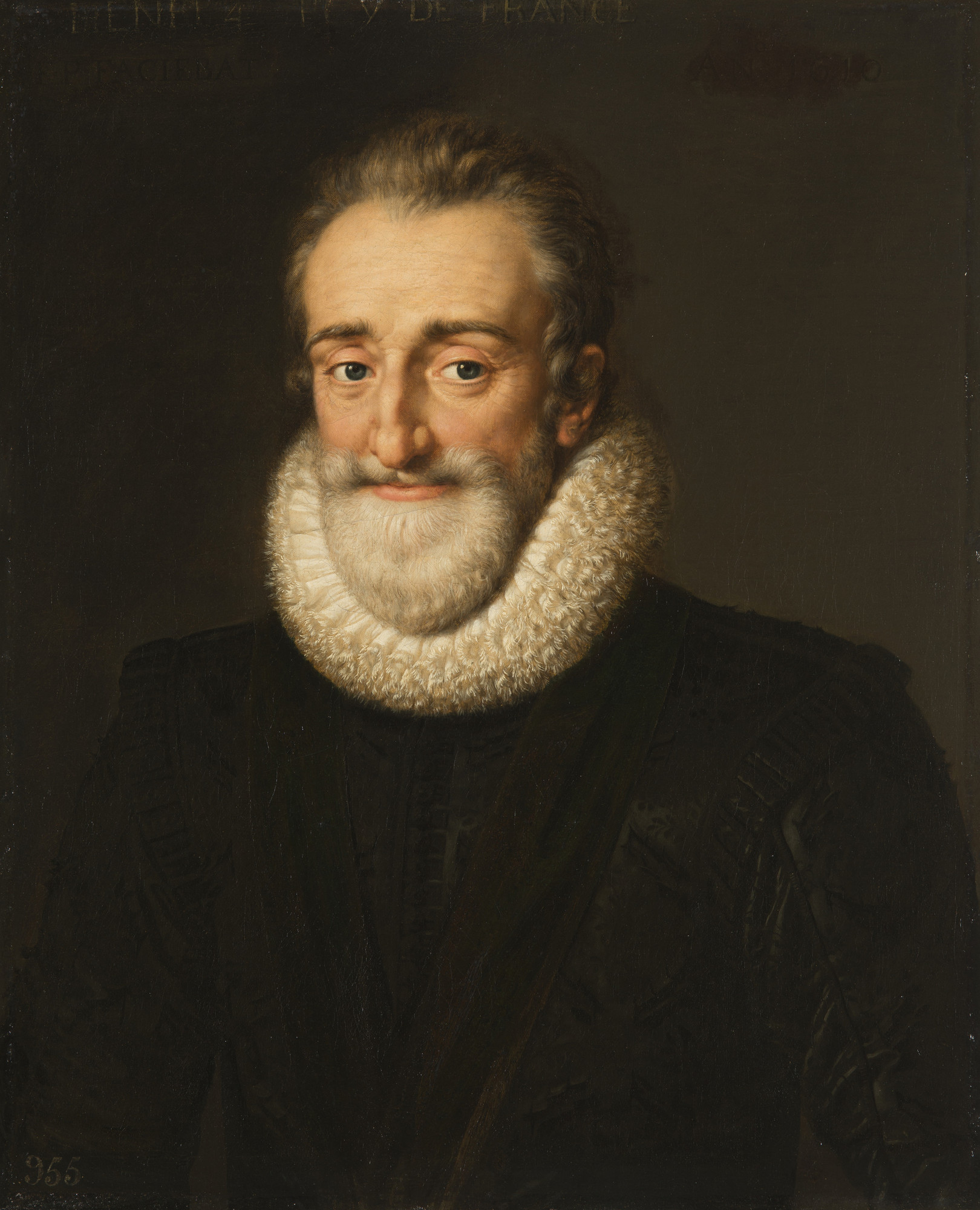
Henry IV of France (Good King Henry)
 (Henri IV (Le Vert Galant))
First Bourbon King of France who ended the Wars of Religion by issuing the Edict of Nantes and promised 'a chicken in every pot'.
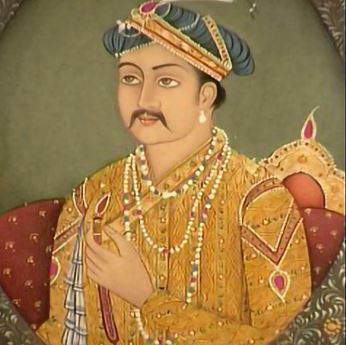
Jalal-ud-din Muhammad Akbar (Akbar the Great)
 (جلال الدین محمد اکبر (Akbar))
Third Mughal Emperor celebrated for tripling the empire's size, abolishing the sectarian Jizya tax on non-Muslims, establishing the Ibadat Khana interfaith debate hall, and promoting the doctrine of universal harmony (Sulh-i-Kul).
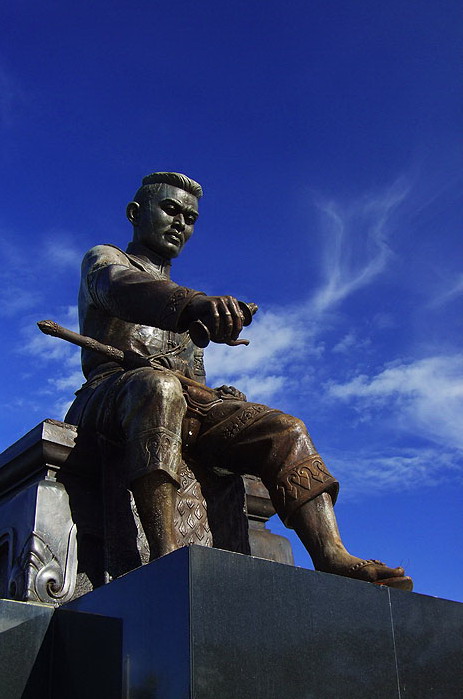
King Naresuan the Great
 (สมเด็จพระนเรศวรมหาราช)
King of the Ayutthaya Kingdom celebrated as Siam's greatest warrior monarch, who liberated Siam from Burmese vassalage and won the legendary elephant duel at Nong Sarai in 1593.
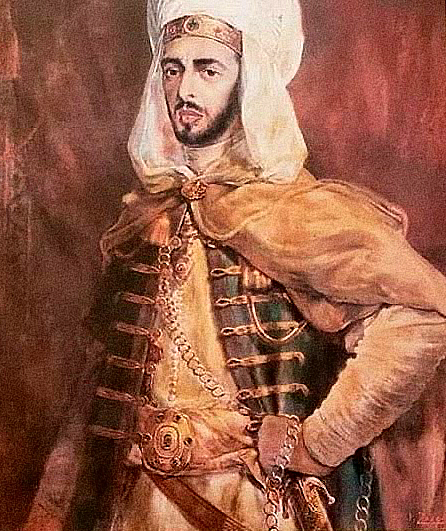
Ahmad al-Mansur
 (أحمد المنصور السعدي (الذهبي))
Glorious Saadian Sultan of Morocco known as 'Al-Dhahabi' (The Golden), who triumphed at the historic Battle of the Three Kings in 1578, conquered the Songhai Empire in Timbuktu, and constructed the opulent El Badi Palace.
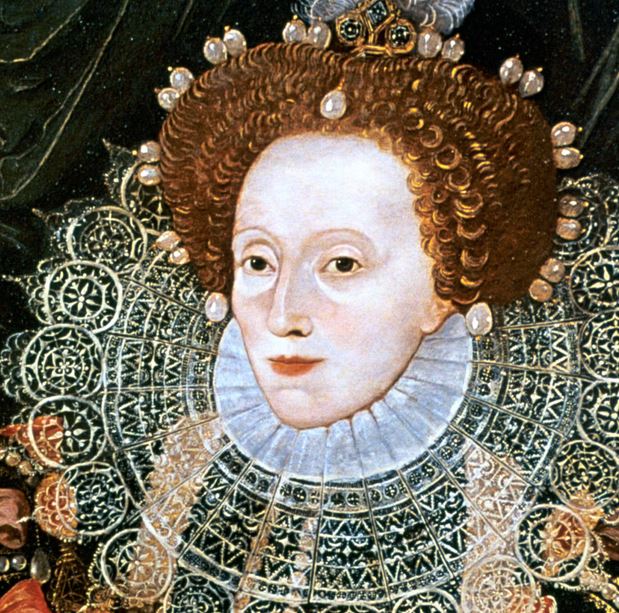
Elizabeth I (The Virgin Queen / Gloriana)
 (Elizabeth I of England)
Tudor monarch who ruled England for forty-four years during the Elizabethan Golden Age. Consolidated the Church of England, defeated the Spanish Armada in 1588, and patronized the flourishing Renaissance of William Shakespeare and Christopher Marlowe.
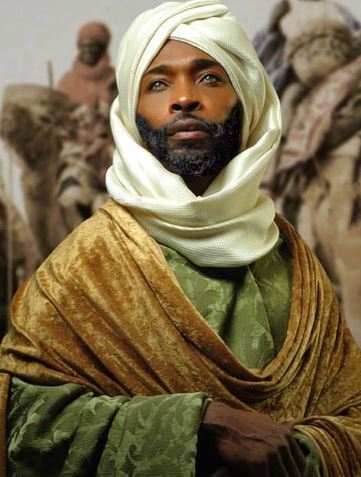
Idris Alooma (Idris Alooma (Mai of Kanem-Bornu))
Renowned Mai (Emperor) of the Kanem-Bornu Empire who modernized his army with Ottoman firearms, camel cavalry, and established legal and administrative reforms based on Islamic law.
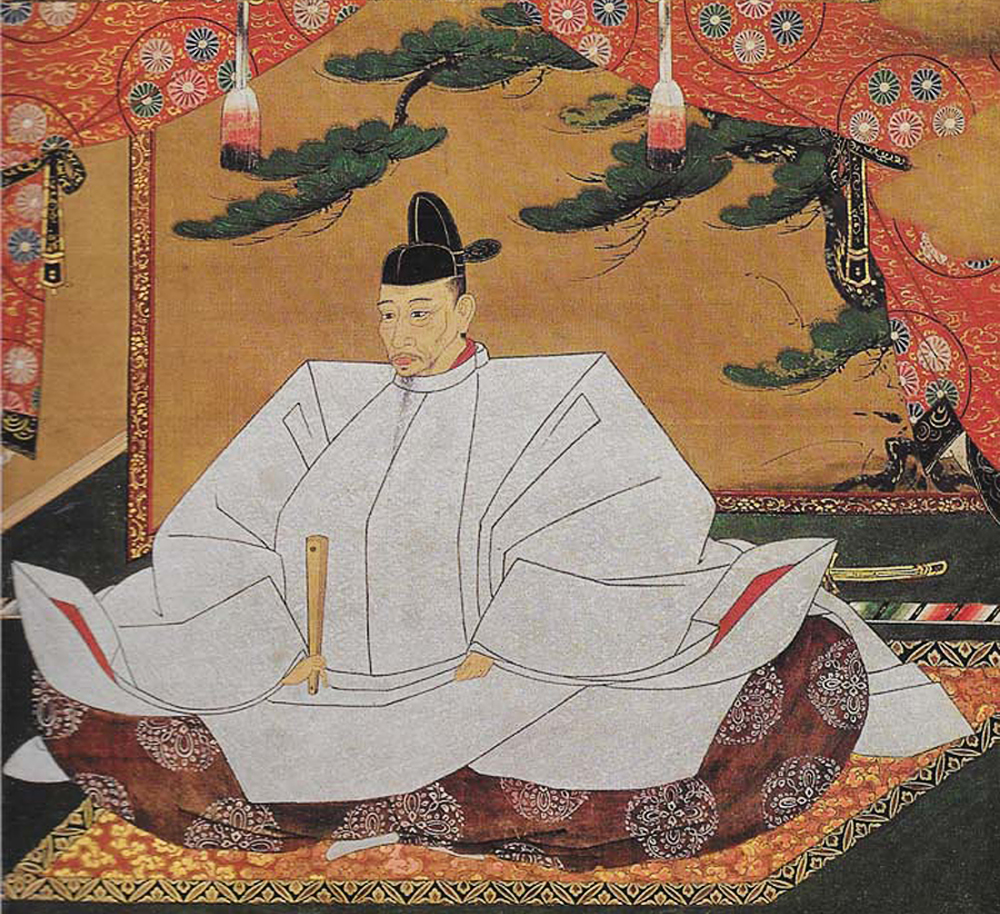
Toyotomi Hideyoshi
(豊臣秀吉)
Second of the 'Three Great Unifiers' of Japan who rose from peasant foot-soldier to Imperial Regent (Kampaku), unifying feudal Sengoku Japan.
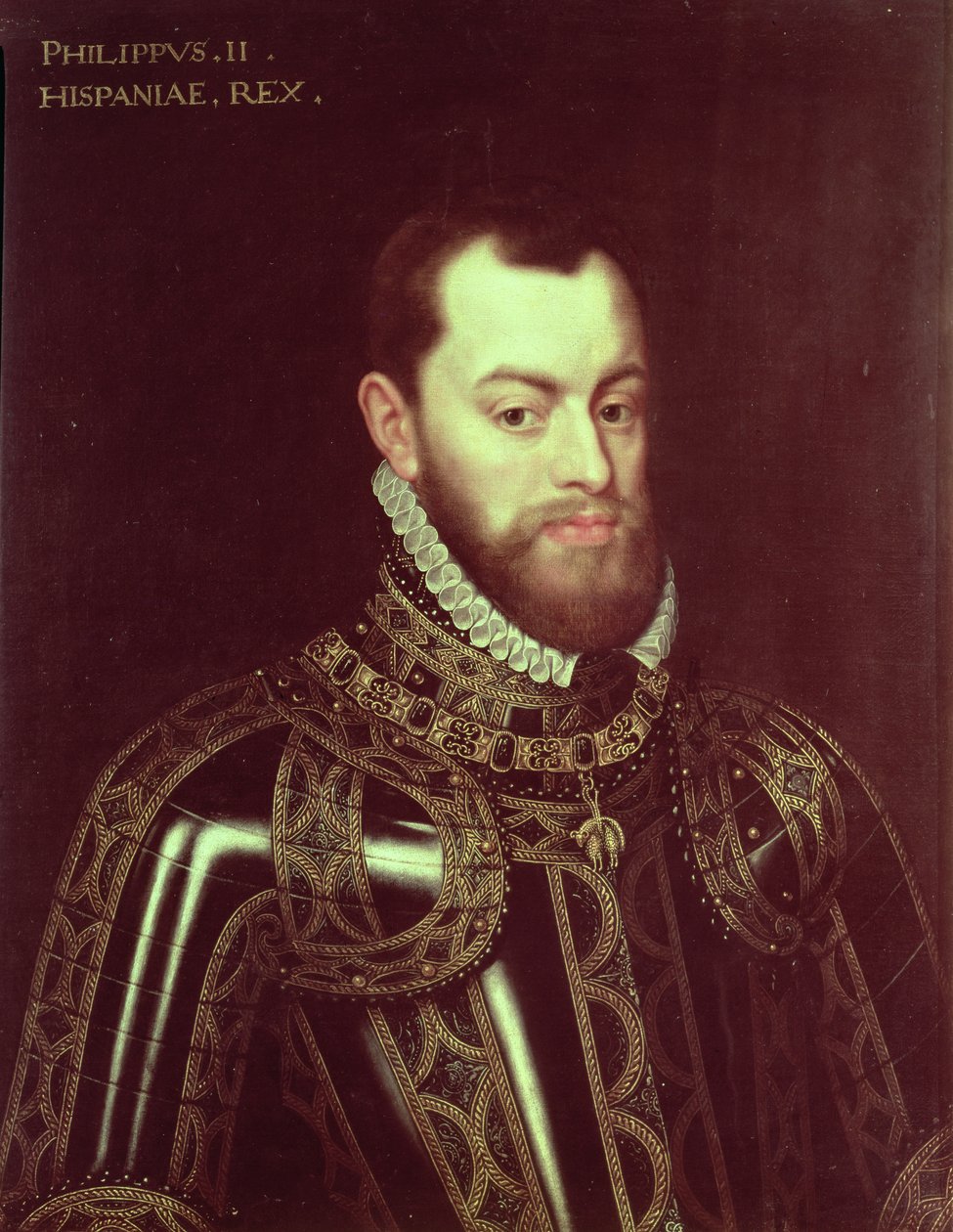
Philip II of Spain
 (Felipe II de España (El Prudente))
King of Spain during its Golden Age, champion of the Counter-Reformation, builder of El Escorial, and ruler of the Iberian Union.
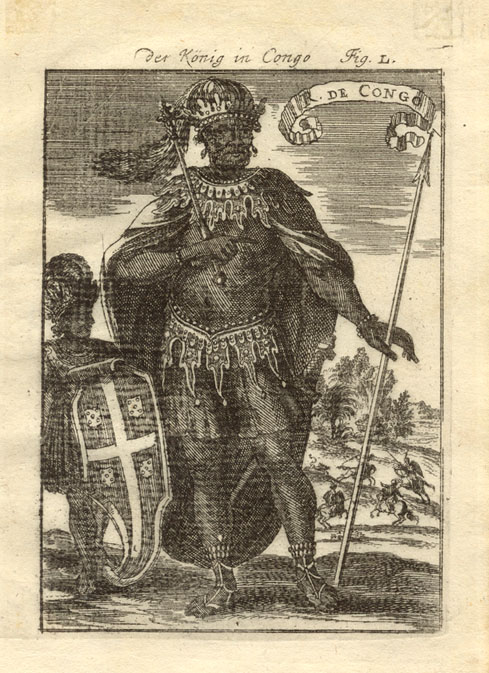
Alvaro I of Kongo
 (Álvaro I Nimi a Lukeni lua Mvemba)
Manikongo (King) of the Kingdom of Kongo who reclaimed his throne from the devastating Jaga invasions with Portuguese assistance and Europeanized Kongo's royal court ceremonies.
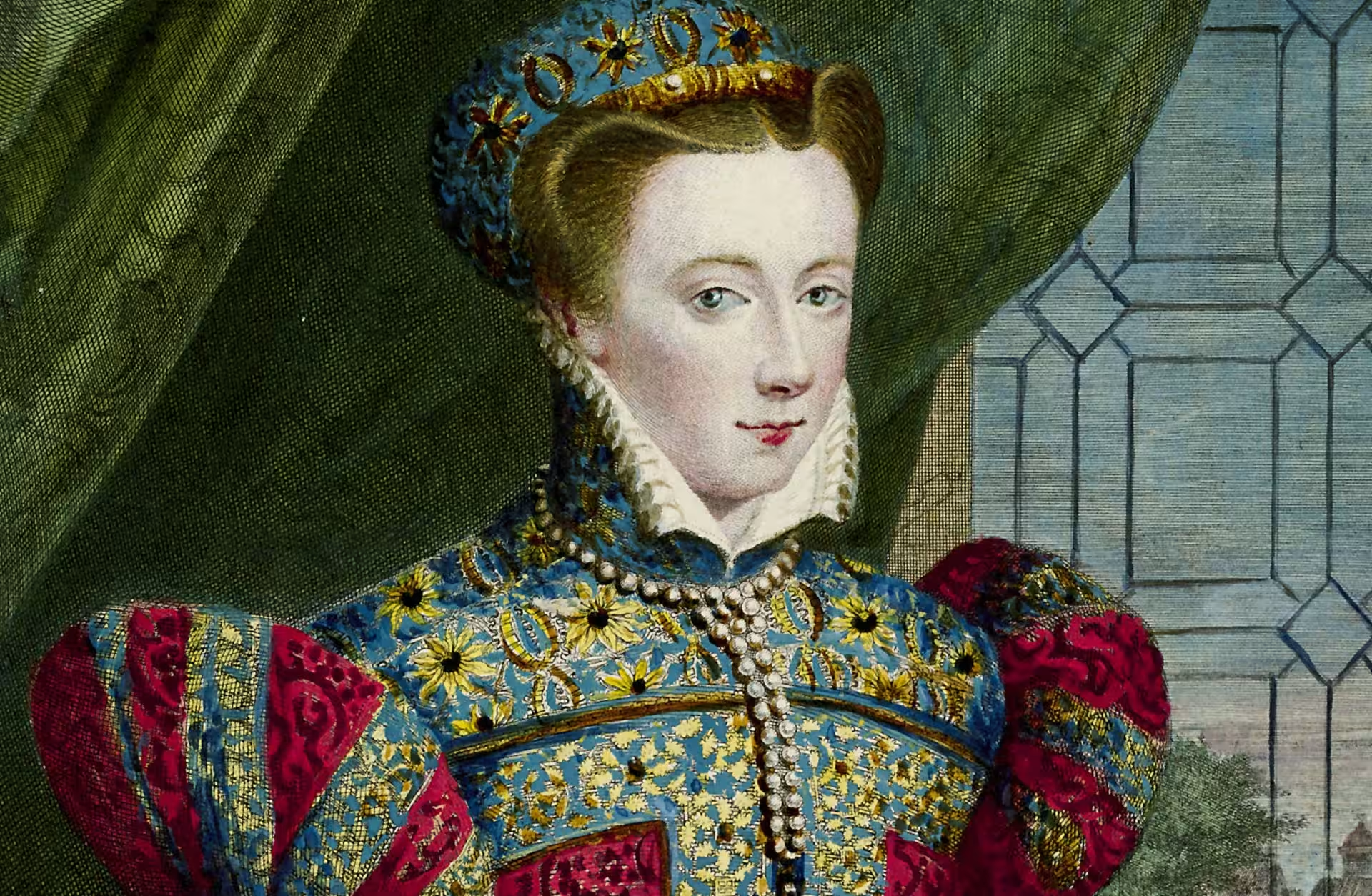
Mary, Queen of Scots
(Mary Stuart (Mairi Stiùbhart))
Queen of Scotland and Queen Consort of France whose tragic life, imprisonment, and execution made her an immortal romantic martyr.
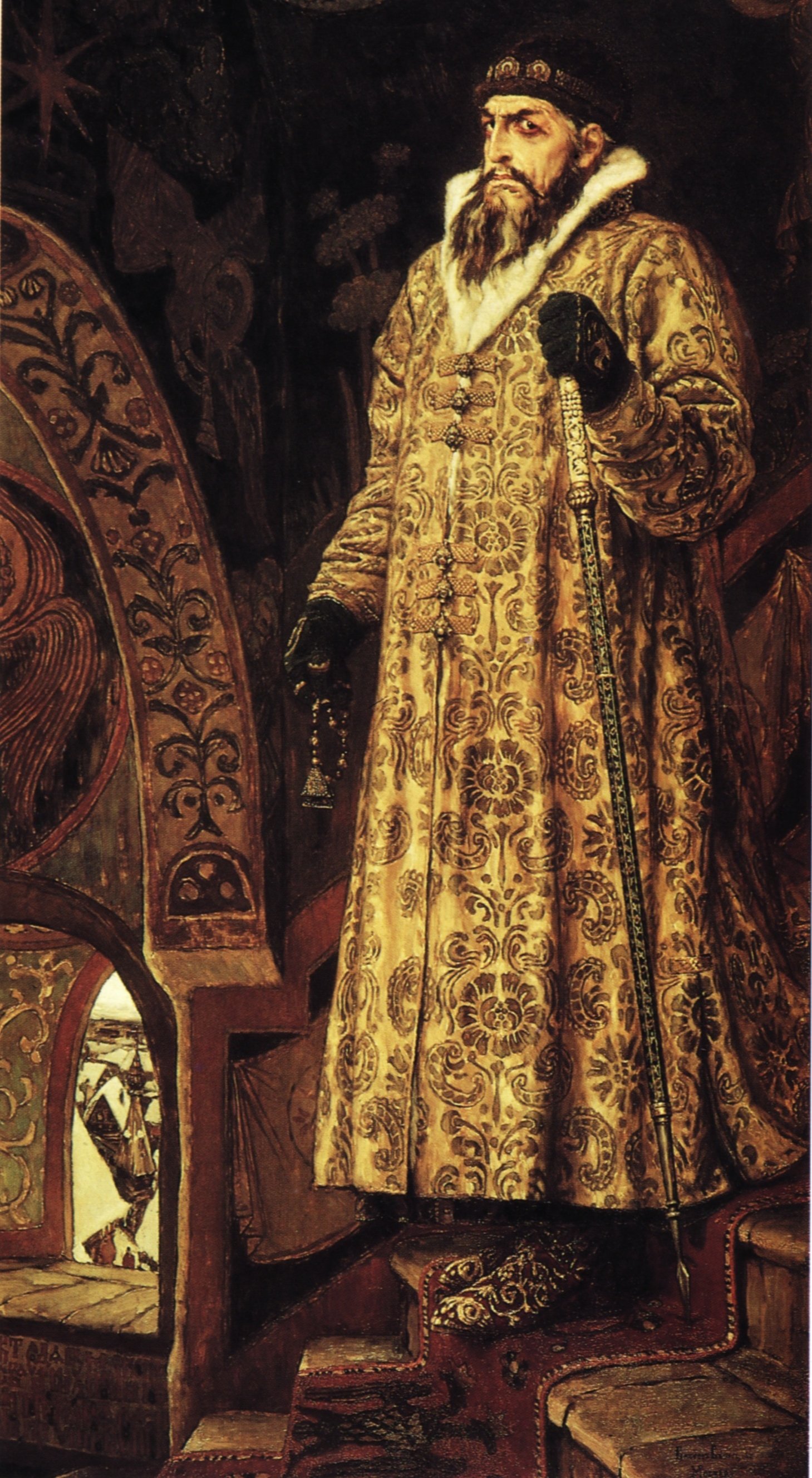
Ivan IV of Russia (Ivan the Terrible)
 (Иван IV Васильевич (Иван Грозный))
First crowned Tsar of all Russia who conquered the Khanates of Kazan and Astrakhan, opening Siberia and building Saint Basil's Cathedral.
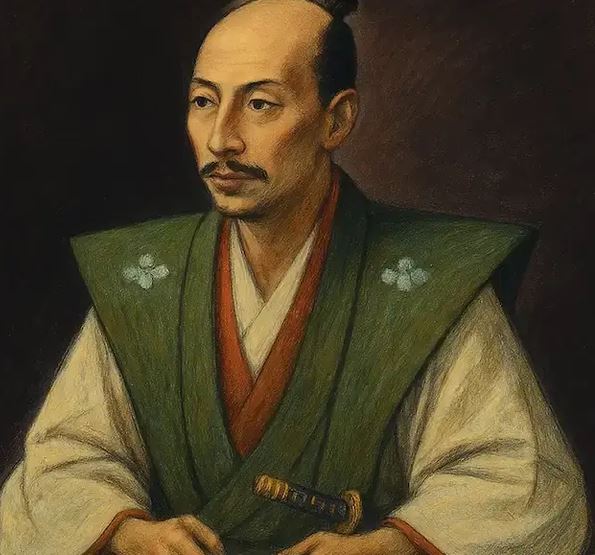
Oda Nobunaga (First Great Unifier of Japan)
(織田 信長 (Oda Nobunaga))
The first of Japan's "Three Great Unifiers" of the Sengoku (Warring States) period. Overthrew the Ashikaga Shogunate, revolutionized samurai tactics with volley-fire matchlock firearms at the Battle of Nagashino, and dismantled feudal economic barriers.
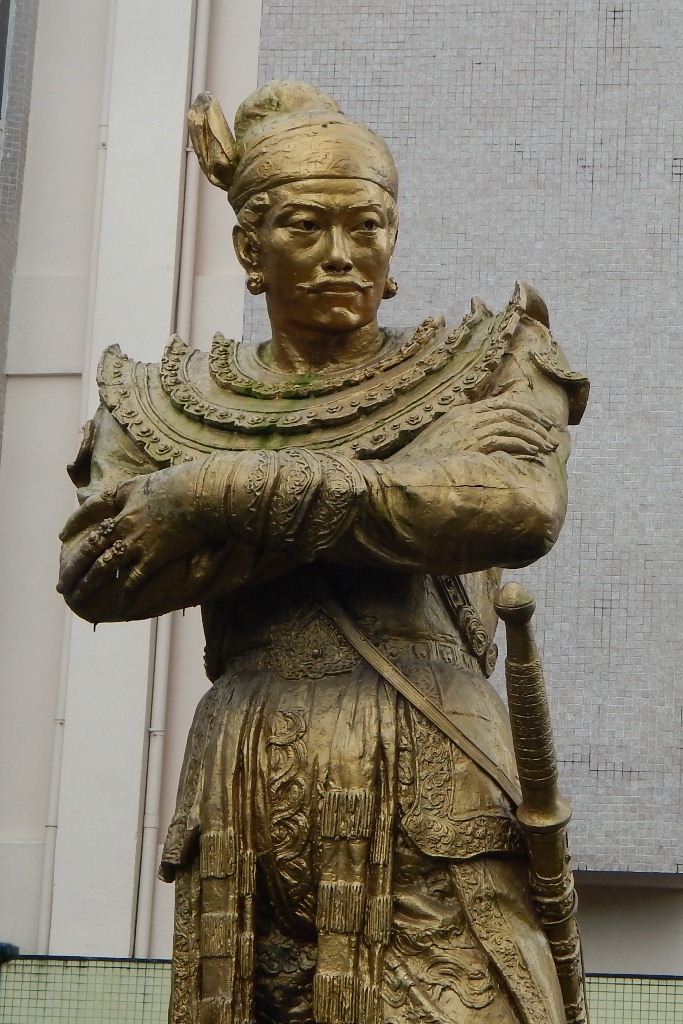
King Bayinnaung
 (ဘုရင့်နောင် ကျော်ထင်နော်ရထာ)
Third king of the Toungoo Dynasty who assembled the largest empire in the history of Southeast Asia, conquering Siam, Lan Na, and Lan Xang (Laos) across three decades of military campaigns.
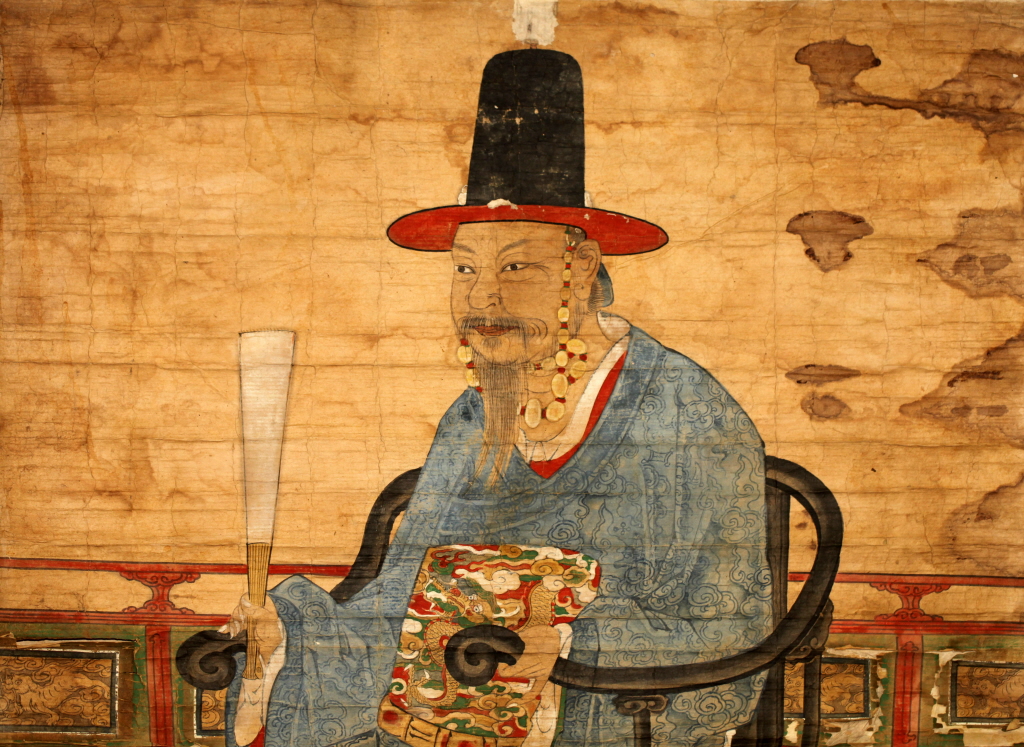
King Myeongjong of Joseon
 (조선 명종 (이환))
Thirteenth monarch of the Joseon Kingdom of Korea who struggled against conservative factionalism, patronized Neo-Confucian scholarship under Yi Hwang (Toegye), and established royal state grain relief.
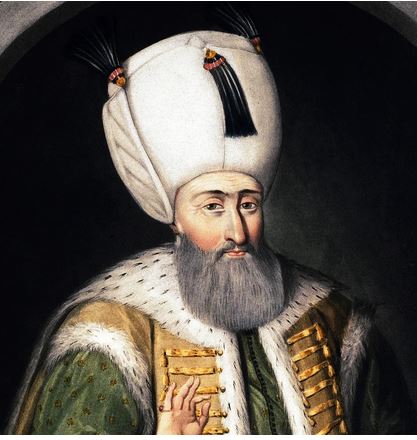
Suleiman I (The Magnificent / Kanuni Sultan Süleyman)
 (سليمان اول / Kanunî Sultan Süleyman)
Tenth and longest-reigning Sultan of the Ottoman Empire (1520–1566). Known in the West as "the Magnificent" and in the East as "the Lawgiver" (Kanuni). Oversaw the golden age of Ottoman military supremacy, arts, and monumental architecture.
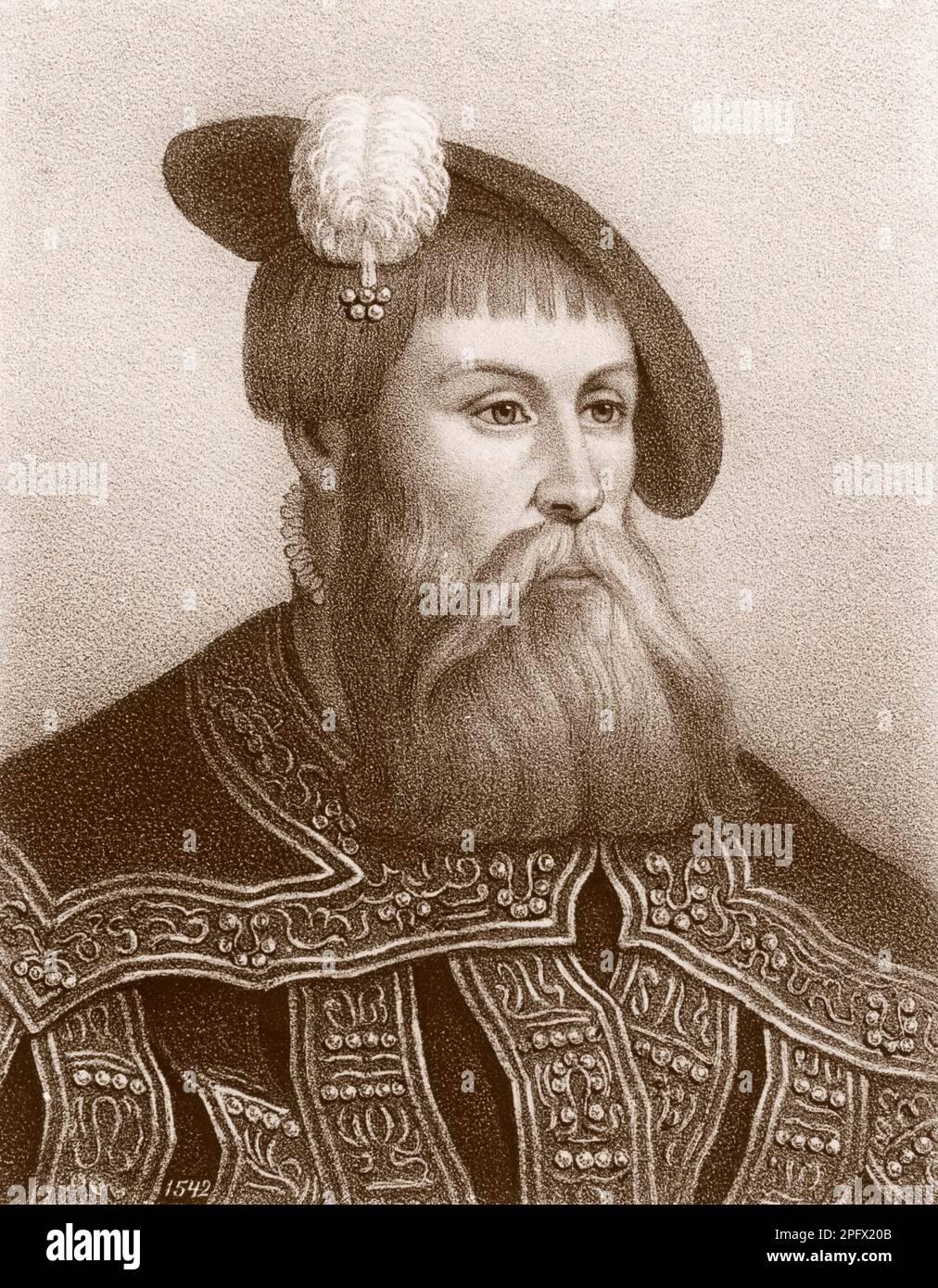
Gustav I of Sweden (Gustav Vasa)
 (Gustav I (Gustav Eriksson Vasa))
Founding father of modern Sweden who led the War of Liberation against Danish rule, introduced the Protestant Reformation, and created hereditary kingship.