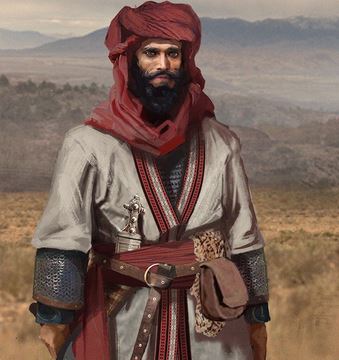
Yahya I of Morocco
Fifth Idrisid sovereign of Morocco whose peaceful and prosperous reign witnessed the founding of the University of al-Qarawiyyin by Fatima al-Fihriya in Fez in 859 CE.
Start typing to search worldwide archives and community tributes
Filterable archive covering centuries of intellectual, artistic, and moral contributions to the human story.
Fifth Idrisid sovereign of Morocco whose peaceful and prosperous reign witnessed the founding of the University of al-Qarawiyyin by Fatima al-Fihriya in Fez in 859 CE.
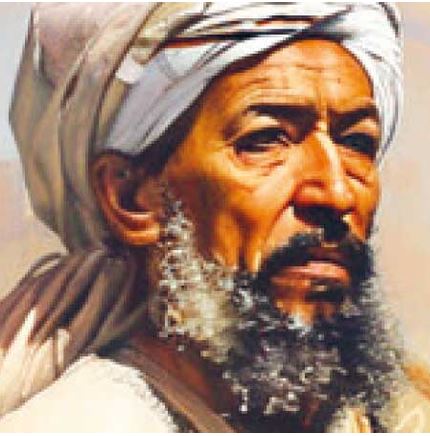
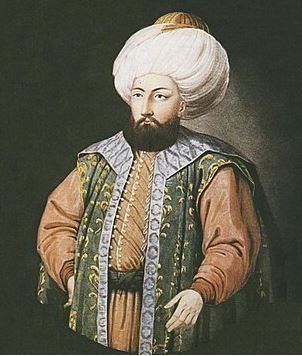
Sixth Aghlabid Emir (856โ863 AD) and one of Tunisia's greatest architectural patrons, who constructed the world-famous Aghlabid Basins of Kairouan, expanded the Ez-Zitouna Mosque, and built the Great Mosque of Sousse.
Early Baghdad spiritual master, moral theologian, and psychologist whose 'Al-Ri'aya li-Huquq Allah' laid the psychological foundations for examining inner conscience and moral motives.
Fifth Aghlabid Emir (841โ856 AD) whose reign saw the naval capture of Messina in Sicily and the construction of the Great Ribat and Kasbah of Sousse.
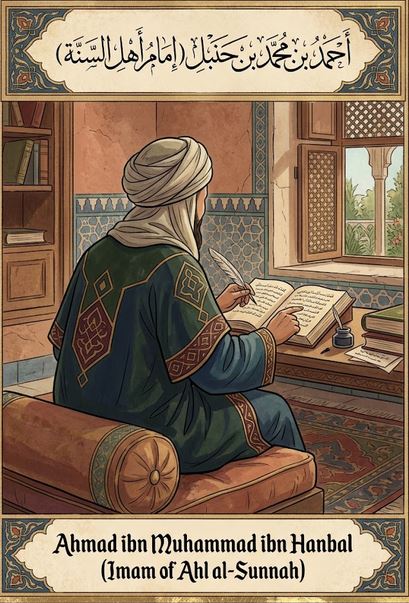
Heroic scholar and ascetic who founded the Hanbali school of jurisprudence. Endured years of imprisonment and flogging during the Abbasid Inquisition (Mihna) rather than compromise his conviction regarding the uncreated Word of God.
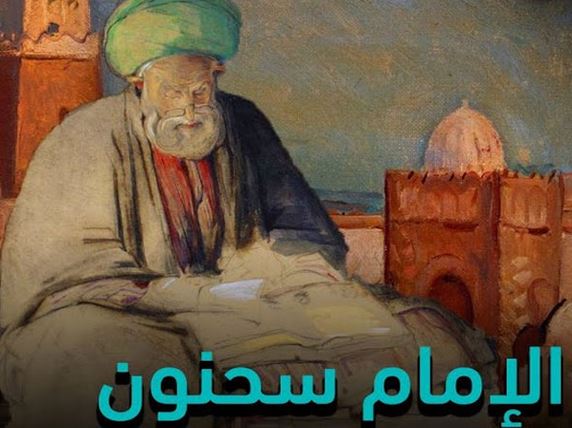
Venerated North African jurist and Qadi of Kairouan who authored 'Al-Mudawwana al-Kubra', the definitive founding compendium of the Maliki school of Islamic jurisprudence in the Maghreb and al-Andalus.
Foremost musician and musical theorist of the Abbasid Golden Age, master of the lute and court tutor under Harun al-Rashid.
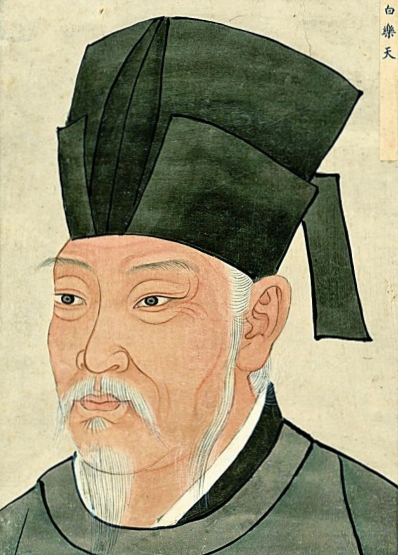
Celebrated Tang dynasty poet and statesman (772โ846), famous for his accessible plain-style verse, social criticism, and narrative masterpieces 'Song of Everlasting Regret' and 'The Pipa Song'.
One of the greatest poets of China's Tang dynasty whose accessible, socially conscious versesโincluding The Song of Everlasting Sorrow and The Pipa Playerโwere so plainspoken that even elderly village peasants could understand them.
Syrian-born Abbasid poet who revolutionized Arabic poetry with the ornate 'badi' style and compiled the premier heroic anthology Diwan al-Hamasah.
Fourth Aghlabid Emir (838โ841 AD), renowned for personal piety, legal erudition, and generous patronization of scholars, doctors, and hydraulic engineers in Kairouan.
Aghlabid Emir of Ifriqiya (817โ838 CE) who launched the historic Muslim conquest of Sicily in 827 CE and rebuilt the magnificent Great Mosque of Kairouan in its enduring stone splendour.
Third Sultan of the Idrisid dynasty who succeeded his father Idris II in 828 AD, dividing administrative governorships among his brothers upon the advice of his grandmother Kenza.
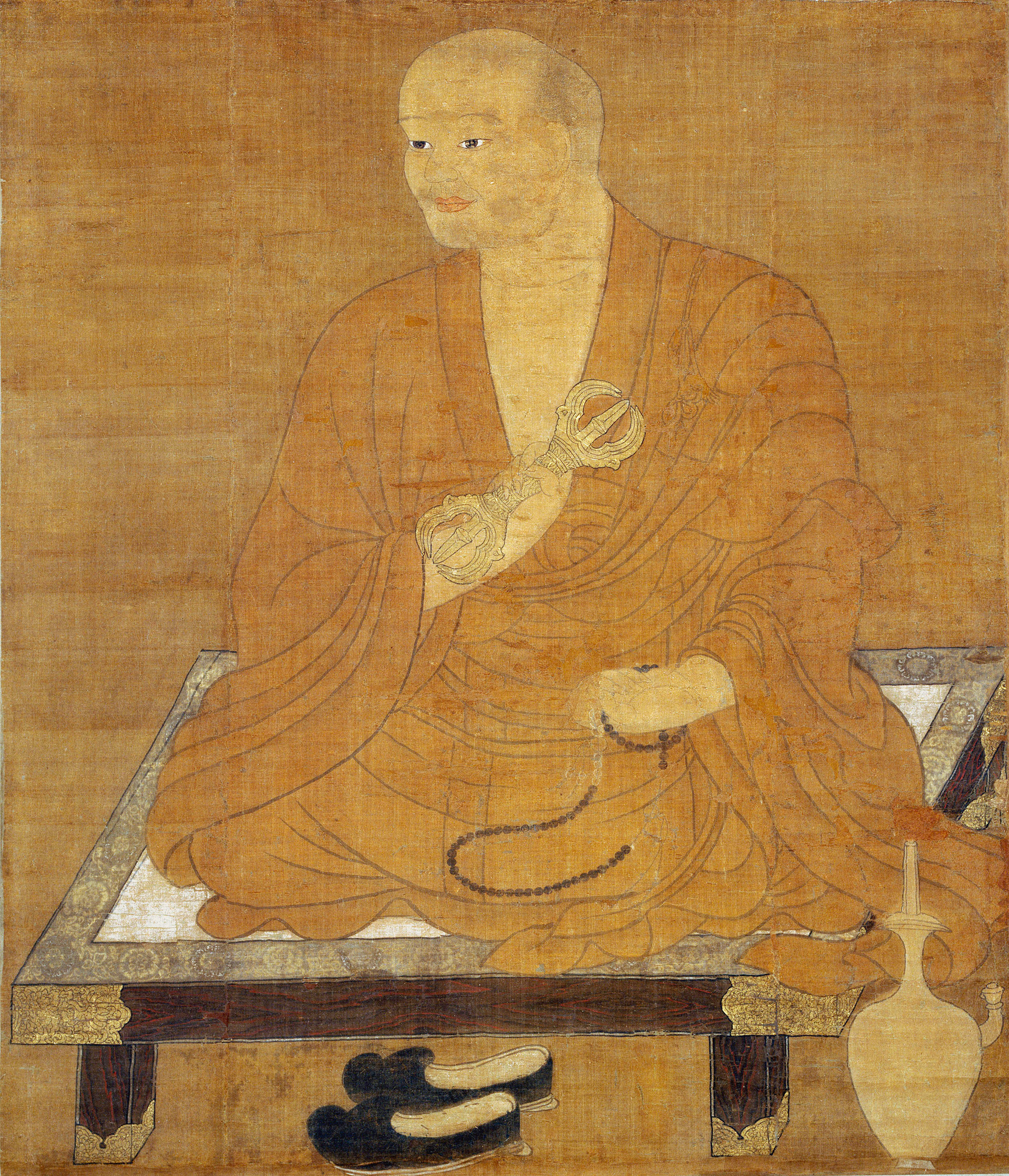
Polymath, calligrapher, engineer, and founder of Shingon Esoteric Buddhism who built Mount Koya and taught 'attaining Buddhahood in this very body' (Sokushin Jobutsu).
Abbasid Caliph who presided over the zenith of the Islamic Golden Age, expanding the House of Wisdom and measuring the circumference of the Earth.
Posthumous son of Idris I who assumed sovereignty at age eleven, founded the imperial capital city of Fez in 808 CE, and consolidated the administrative, judicial, and cultural institutions of Morocco.
Eminent Islamic jurist, scholar of both the Hanafi and Maliki schools, and Grand Qadi of Kairouan who at age sixty-eight commanded the historic naval expedition that began the Muslim conquest of Sicily.
Brilliant Basran polymath and lexicographer whose field expeditions among desert Bedouins founded Arabic zoological science and lexicography.