 China
•
23 views
China
•
23 views
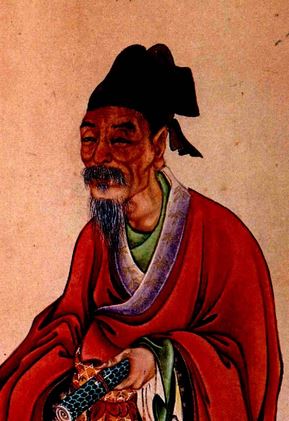
Bai Juyi (Bo Juyi)

Xinzheng (Henan), China
Archival Overview
One of the greatest poets of China's Tang dynasty whose accessible, socially conscious verses—including The Song of Everlasting Sorrow and The Pipa Player—were so plainspoken that even elderly village peasants could understand them.
Biographical Record
Bai Juyi (772–846 CE), who served as high official and governor of Hangzhou and Suzhou, believed that the sacred duty of poetry was to voice the grievances of common people and critique governmental abuse. According to legend, he would read his newly composed poems to an illiterate peasant woman; if she did not understand a line immediately, he would rewrite it until it was crystal clear.
His narrative ballad The Song of Everlasting Regret (Chang Hen Ge), chronicling the tragic romance between Emperor Xuanzong and his beloved consort Yang Guifei against the backdrop of the An Lushan Rebellion, became one of the most beloved and memorized poems across East Asia, profoundly influencing Japanese literature (including The Tale of Genji).
Key Life Milestones
Writing of The Song of Everlasting Regret (Chang Hen Ge)
Composed the immortal narrative poem immortalizing the tragic love of Emperor Xuanzong and Consort Yang.
Composition of The Pipa Player (Pipa Xing)
Wrote his transcendent musical ballad empathizing with an aging pipa courtesan while in political exile at Jiujiang.
Memorial Guestbook & Tributes
0 messages recordedLeave a Respectful Tribute
Final Resting Place
Perpetual MemorialLuoyang (Henan), China