Public Figures & Cultural Luminaries
Filterable archive covering centuries of intellectual, artistic, and moral contributions to the human story.
Pieter de Coninck
 (Pieter de Coninck)
Charismatic orator and dean of the Bruges weavers guild whose impassioned resistance against patrician oligarchs and French occupational forces sparked the 1302 Flemish Revolution.
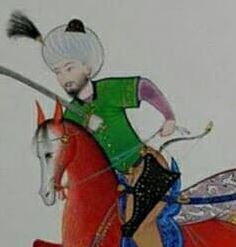
Abu Said Uthman II
 (أبو سعيد عثمان بن يعقوب)
Marinid Sultan of Morocco (1310–1331) who transformed Fez into the architectural masterpiece of North Africa, founding the famed Al-Attarine and Sahrij madrasas.
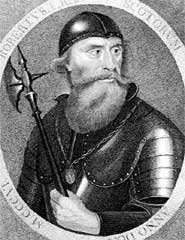
Robert I of Scotland (Robert the Bruce)
 (Roibert a Briuis (Robert de Brus))
Hero King of Scotland who liberated his nation from English dominion and secured independence at the Battle of Bannockburn in 1314.
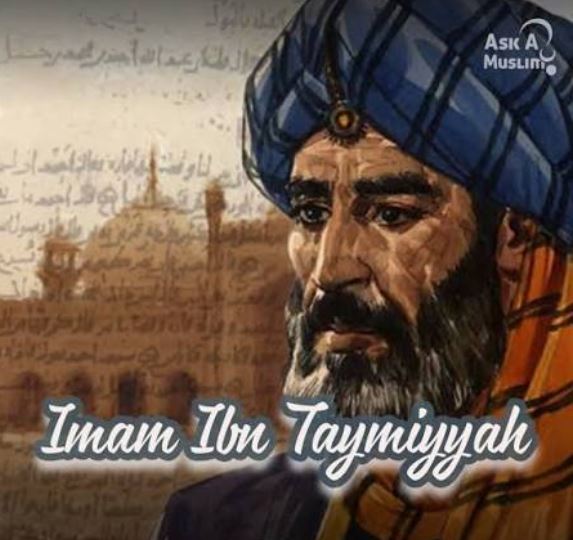
Taqi al-Din Ahmad ibn Taymiyyah (Shaykh al-Islam)
 (تقي الدين أحمد بن عبد الحليم بن تيمية)
Formidable Hanbali jurist and theologian who led intellectual resistance against Mongol hegemony and theological syncretism. Authored Majmu al-Fatawa, advocating a return to the direct methodology of early Islam (Salaf).
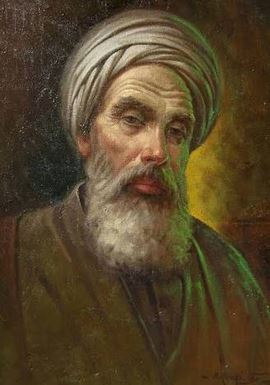
Al-Hasan ibn Yusuf al-Hilli
 (العلامة الحلي)
Legendary Iraqi philosopher, mathematician, and jurist who was the first to receive the honorific title 'Allamah' (Most Erudite) and converted Ilkhanid Mongol ruler Oljeitu to Islam.
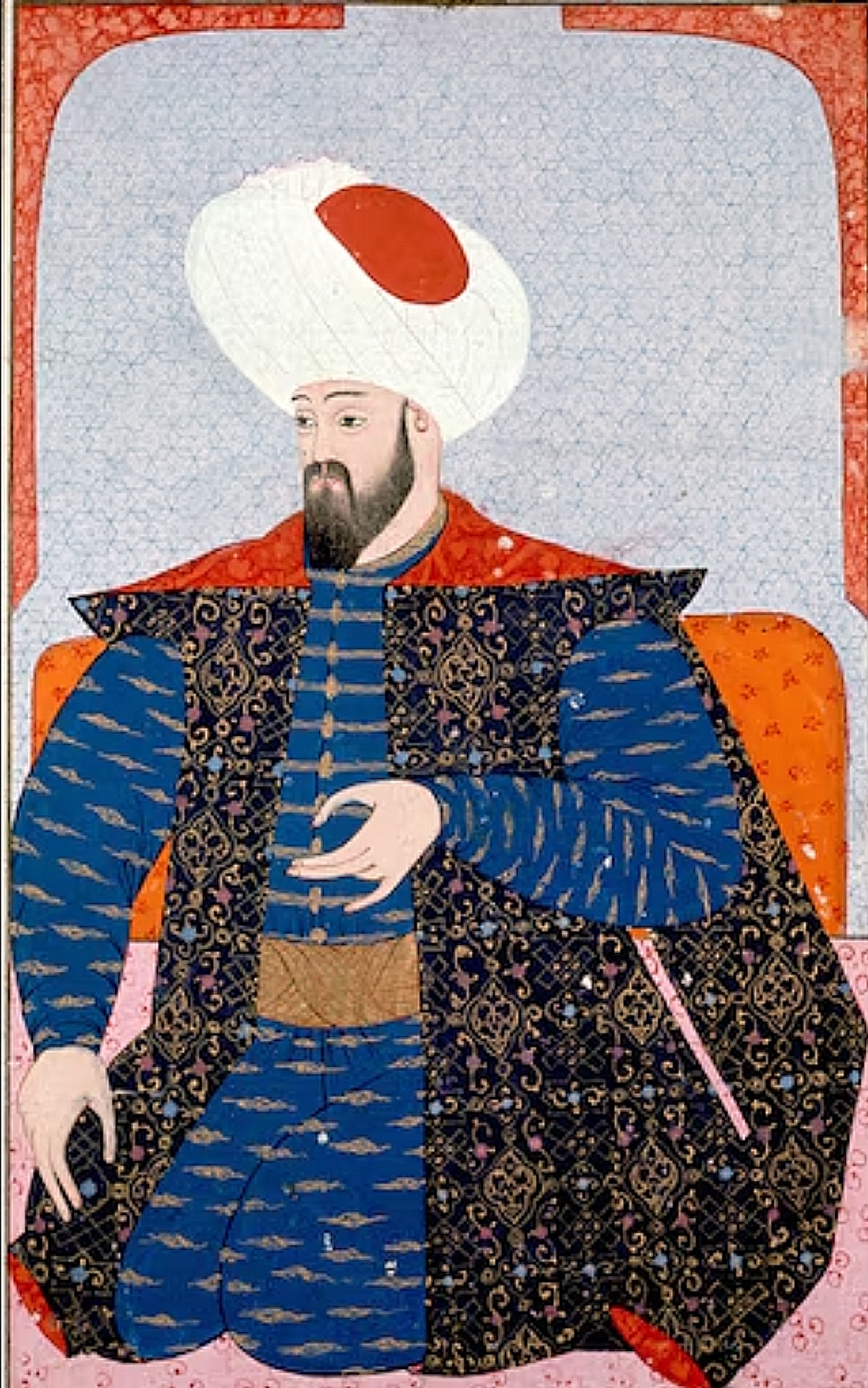
Osman I
(عثمان بن أرطغرل (عثمان غازي))
Founder of the Ottoman Empire and first ruler of the Ottoman dynasty, who expanded his small Turkmen principality in Sogut against the Byzantine Empire and had the prophetic 'Osman's Dream'.
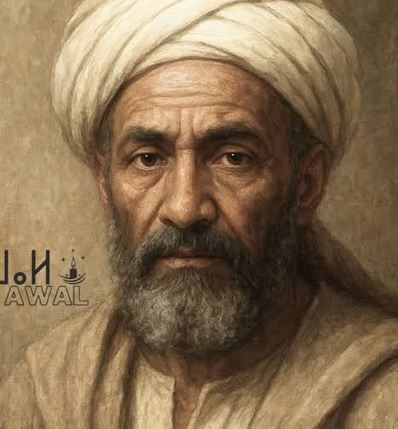
Ibn Ajurrum
(ابن آجروم)
Sanhaja Berber grammarian and jurist of Fez whose concise grammatical manual, Al-Ajurrumiyya, became the most universally studied introduction to classical Arabic grammar for seven centuries.
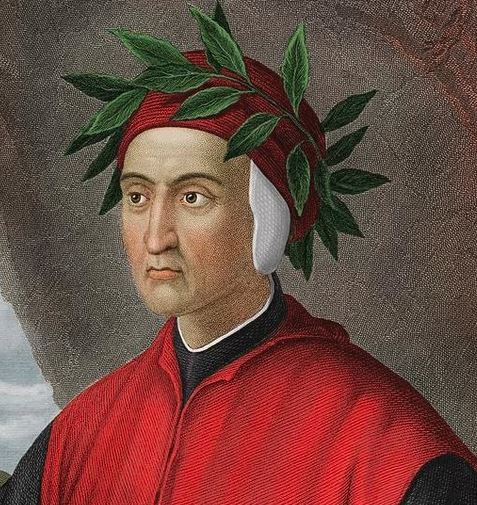
Durante di Alighiero degli Alighieri (Dante)
 (Dante Alighieri)
Supreme Italian poet whose epic masterpiece, the Divine Comedy (Inferno, Purgatorio, Paradiso), created the modern Italian language and stands as the greatest literary synthesis of the medieval Christian worldview.
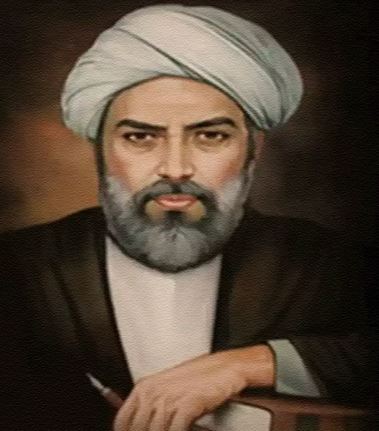
Ibn al-Banna al-Marrakushi
(ابن البناء المراكشي)
Brilliant Moroccan mathematician and astronomer who introduced innovative algebraic notation, combinatorial formulas, and fractions in his masterwork 'Talkhis A'mal al-Hisab', honored with a lunar crater named Al-Marrakushi.
Kamal al-Din al-Farisi
 (كمال الدين الفارسي)
Brilliant Persian physicist and mathematician who formulated the first correct mathematical explanation of the rainbow in 'Tanqih al-Manazir'.

Abu Hammu Musa I
 (أبو حمو موسى الأول بن عثمان)
Fourth Zayyanid Sultan who rebuilt Tlemcen after the historic eight-year siege, pacified the central Maghreb, and extended borders to the Chélif river.
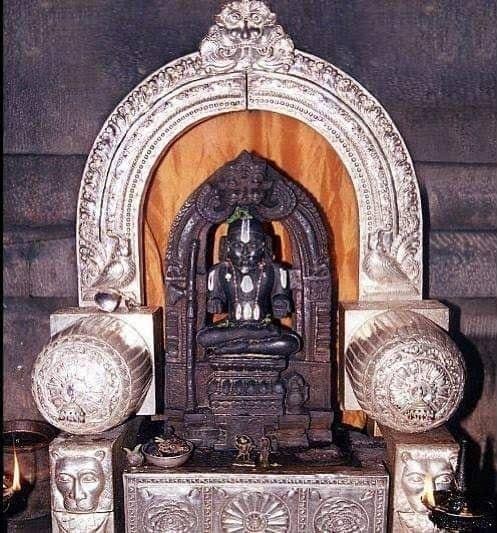
Madhvacharya
 (मध्वाचार्य)
Revolutionary 13th-century philosopher-saint who founded Dvaita (Pure Dualism) Vedanta, establishing the Krishna Temple at Udupi and teaching the 'Pancha-Bheda'—the five fundamental, eternal distinctions of reality.
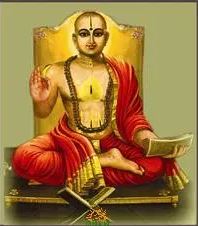
Sri Madhvacharya (Acharya of Dvaita / Ananda Tirtha)
(मध्वाचार्य (Madhvācārya))
Thirteenth-century philosopher-reformer who founded the Dvaita (Dualism) school of Vedanta. Formulated the five eternal distinctions (Pancha Bheda), asserting the absolute independent reality of God and the eternal distinction of souls.
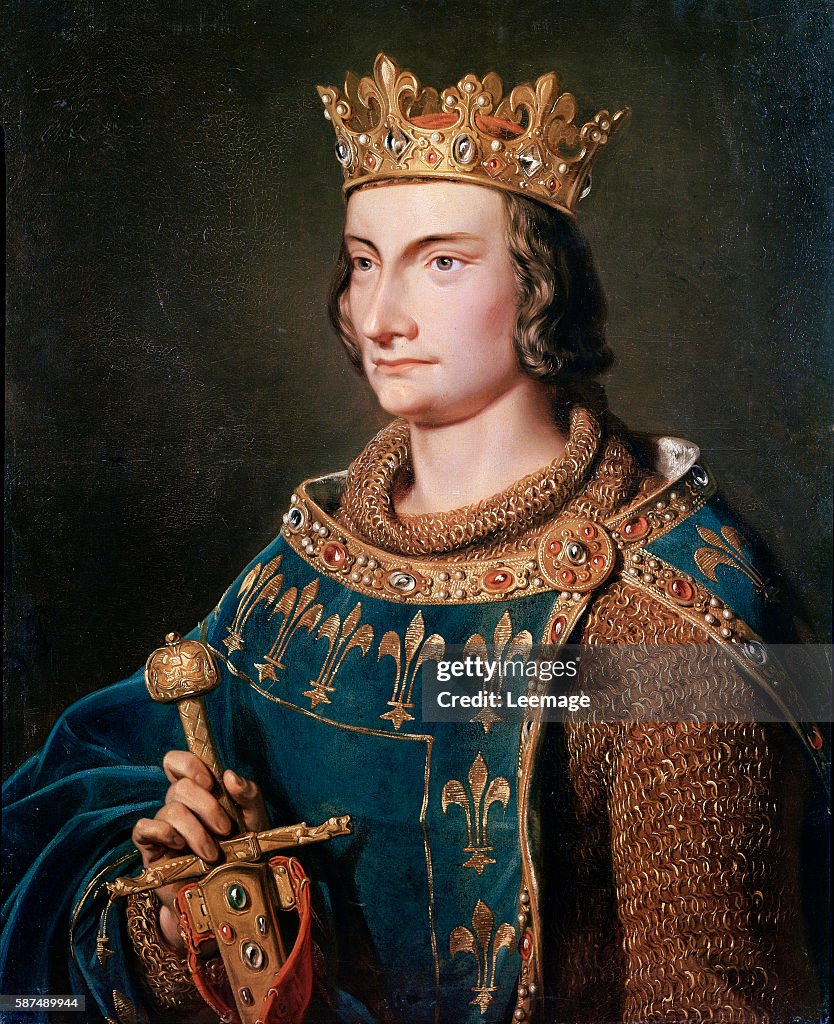
Philip IV of France (Philip the Fair)
 (Philippe IV le Bel)
Capetian King of France whose ruthless state centralization created the Estates-General, relocated the Papacy to Avignon, and crushed the Knights Templar.
Abu al-Abbas Ahmad al-Ghubrini
(أبو العباس أحمد بن أحمد الغبريني)
13th-century Chief Judge of Bejaïa and chronicler whose biographical encyclopedia 'Unwan al-Dirayah' documents the intellectual golden age of medieval Algeria.
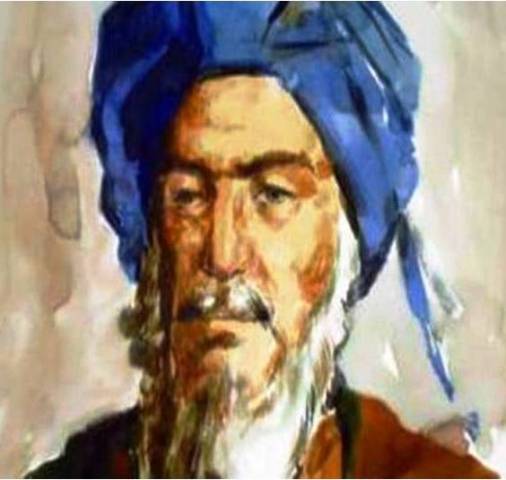
Ibn Adhari al-Marrakushi
(ابن عذاري المراكشي)
Monumental 13th-century Moroccan historian whose magnum opus al-Bayan al-Mughrib provides the most detailed, irreplaceable chronicle of Islamic North Africa and Andalusia from the 7th to the 13th century.
Abu al-Rabi Sulayman
(أبو الربيع سليمان المريني)
Youthful Marinid Sultan (1308–1310) who successfully suppressed rebel princes, recovered Ceuta from Nasrid control, and restored internal stability across northern Morocco.
Ahmad ibn Muhammad Ibn Ata Allah
 (ابن عطاء الله السكندري)
Third master of the Shadhiliyya and Maliki jurist at al-Azhar whose profound aphorisms 'Al-Hikam al-Ata'iyya' are revered as the supreme crown of Islamic wisdom literature.