 Italy
•
12 views
Italy
•
12 views
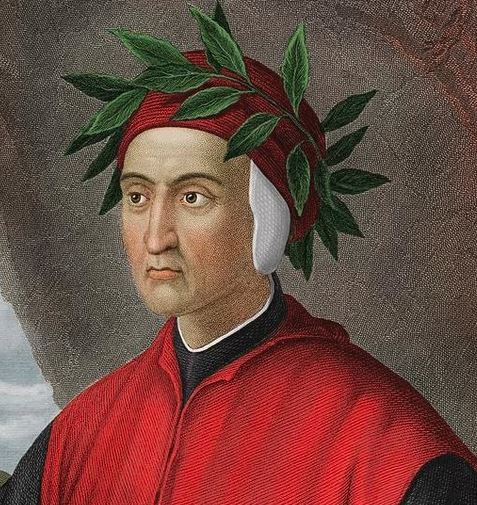
Durante di Alighiero degli Alighieri (Dante)

Florence (Tuscany), Italy
Archival Overview
Supreme Italian poet whose epic masterpiece, the Divine Comedy (Inferno, Purgatorio, Paradiso), created the modern Italian language and stands as the greatest literary synthesis of the medieval Christian worldview.
Biographical Record
Dante Alighieri (1265–1321) was born in Florence. In his youth, he belonged to the Dolce Stil Novo (Sweet New Style) poetic movement and celebrated his idealized muse, Beatrice Portinari, in La Vita Nuova. A prominent White Guelph statesman, Dante was exiled from Florence in 1302 under penalty of being burned alive if he returned, spending the rest of his life wandering northern Italy.
In exile, Dante composed the Commedia (later christened Divina by Boccaccio). Written in the Florentine vernacular in groundbreaking terza rima, the epic traces the pilgrim's journey through Hell guided by Virgil, through Purgatory, and into the Empyrean of Heaven guided by Beatrice, culminating in the vision of 'the Love that moves the sun and the other stars'.
Key Life Milestones
Perpetual Exile from Florence
Condemned to exile by Black Guelph magistrates, launching his epic poetic journey across Italy.
Completion of the Divine Comedy
Finished the Paradiso, concluding his monumental tripartite epic vision of cosmic redemption.
Memorial Guestbook & Tributes
0 messages recordedLeave a Respectful Tribute
Final Resting Place
Perpetual MemorialRavenna, Italy