 Kingdom of France
•
2 views
Kingdom of France
•
2 views
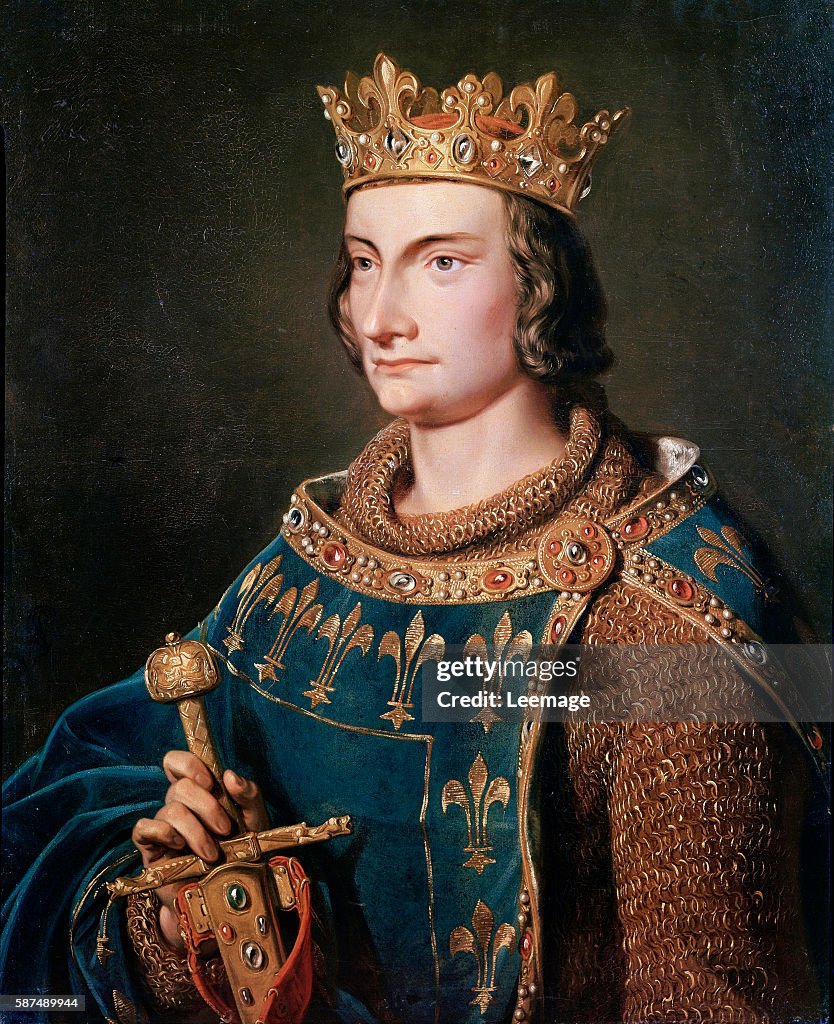
Philip IV of France (Philip the Fair)

Fontainebleau, Kingdom of France
Archival Overview
Capetian King of France whose ruthless state centralization created the Estates-General, relocated the Papacy to Avignon, and crushed the Knights Templar.
Biographical Record
Philip IV, known as 'Philip the Fair' (Philippe le Bel) for his striking physical beauty, was an austere, inscrutable, and iron-willed Capetian monarch who forged the machinery of the modern centralized bureaucratic French state. Surrounded by trained civil legists (légistes), Philip established royal supremacy over the feudal nobility and the Catholic Church.
When Pope Boniface VIII declared in the bull Unam Sanctam (1302) that every human creature is subject to the Roman Pontiff, Philip summoned the first Estates-General in French history to rally national support, and sent agents to physically assault the Pope at Anagni. In 1309, Philip secured the election of a French pope, Clement V, relocating the papal seat to Avignon for the seventy-year 'Babylonian Captivity of the Church'. On Friday, October 13, 1307, strapped for royal cash, Philip launched a coordinated dawn raid arresting every member of the wealthy military order of the Knights Templar across France on charges of heresy, burning Grand Master Jacques de Molay at the stake on the Île de la Cité in Paris in 1314.
Key Life Milestones
Convocation of the First Estates-General
Arrest and Suppression of the Knights Templar
Memorial Guestbook & Tributes
0 messages recordedLeave a Respectful Tribute
Final Resting Place
Perpetual MemorialSaint-Denis, Paris, France