 Italy
•
9 views
Italy
•
9 views
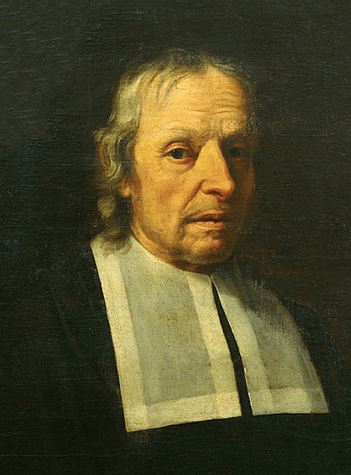
Marcello Malpighi

Crevalcore (Bologna), Italy
Archival Overview
Italian physician who discovered blood capillaries in frog lungs, completing Harvey's circulatory loop, and pioneered histology (Malpighian corpuscles of the kidney and spleen).
Biographical Record
Marcello Malpighi (1628–1694), professor of medicine at Bologna and Pisa, turned compound microscopes onto living animal and plant tissues. In 1661, inspecting the delicate capillary mesh in the lungs and urinary bladder of frogs, he observed blood flowing directly from microscopic arteries to veins, providing the final missing link in William Harvey's circulatory theory.
Malpighi founded microscopic anatomy (histology) and embryology. He discovered the Malpighian corpuscles in kidneys and spleen, the taste buds on the tongue, and plant stomata and vascular bundles. Appointed chief papal physician to Pope Innocent XII in 1691, he was elected an honored Fellow of the Royal Society of London.
Key Life Milestones
Discovery of Blood Capillaries
Observed living capillary vessels in lung membranes, completing the anatomical circuit of blood circulation.
Microscopic Anatomy of the Kidney & Spleen
Discovered the renal Malpighian corpuscles and cellular structures of cerebral and splenic tissues.
Memorial Guestbook & Tributes
0 messages recordedLeave a Respectful Tribute
Final Resting Place
Perpetual MemorialBologna, Italy