 France
•
10 views
France
•
10 views
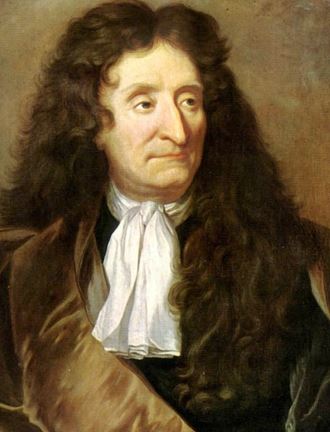
Jean de La Fontaine

Château-Thierry (Champagne), France
Archival Overview
Preeminent French fabulist and poet whose 243 Fables—adapting Aesop and Indian Panchatantra tales into sparkling verse like The Crow and the Fox—provided a witty, razor-sharp critique of court politics and human nature.
Biographical Record
Jean de La Fontaine (1621–1695), born in Champagne as the son of a forestry warden, possessed a lifelong love of nature and animal life. A loyal friend to Superintendent Nicolas Fouquet, La Fontaine courageously refused to abandon his disgraced patron even after Louis XIV imprisoned Fouquet for life.
Between 1668 and 1694, La Fontaine published twelve books of Fables. While ostensibly written for the education of the young Dauphin, his talking foxes, ravens, ants, and cicadas offered a brilliant, subversive mirror of the absolute monarchy of Versailles. As he famously observed: 'I use animals to teach men.' His irregular poetic meter and effortless, conversational musicality made his fables the most memorized lines in the history of French education.
Key Life Milestones
Publication of the First Six Books of Fables
Dedicated to the six-year-old Dauphin, establishing the defining collection of modern French fables.
Induction into the Académie Française
Overcame royal hesitation to be received into the Académie Française, succeeding Jean-Baptiste Colbert.
Memorial Guestbook & Tributes
0 messages recordedLeave a Respectful Tribute
Final Resting Place
Perpetual MemorialParis, France