 Japan
•
11 views
Japan
•
11 views
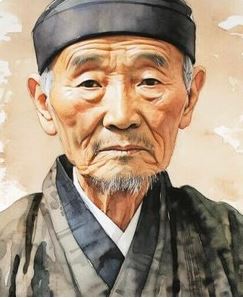
Matsuo Munefusa (Matsuo Basho)

Ueno (Iga Province), Japan
Archival Overview
Supreme master of Japanese haiku poetry whose Zen-infused verses and travelogue The Narrow Road to the Deep North (Oku no Hosomichi) elevated the 17-syllable poem into a timeless spiritual art form.
Biographical Record
Matsuo Bashō (1644–1694) was born into a samurai family in Iga. Rejecting urban worldly status in Edo, he lived in a modest hut gifted with a banana tree (*bashō*), from which he took his pen name. Immersing himself in Zen meditation under priest Buccho, Bashō elevated comic linked verse into an austere, contemplative art capturing nature's fleeting epiphanies (*sabi* and *wabi*).
In 1689, Bashō set out on foot on a grueling 150-day, 2,400-kilometer pilgrimage into the wild northern provinces of Honshu. His resulting travel diary, Oku no Hosomichi (The Narrow Road to the Deep North), alternating poetic prose (*haibun*) with peerless haiku, remains one of the supreme masterpieces of world travel literature.
Key Life Milestones
Composition of the 'Old Pond' Frog Haiku
Composed the most famous haiku in world literature at his Banana Hut in Fukagawa (Furuike ya...).
The Great Pilgrimage of 'The Narrow Road to the Deep North'
Walked 1,500 miles across northern Japan, penning Oku no Hosomichi, the defining masterpiece of haibun literature.
Memorial Guestbook & Tributes
0 messages recordedLeave a Respectful Tribute
Final Resting Place
Perpetual MemorialOsaka, Japan