 France
•
7 views
France
•
7 views
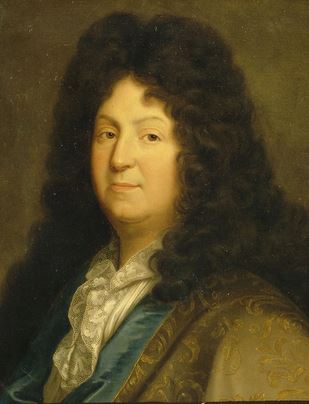
Jean-Baptiste Racine

La Ferté-Milon (Picardy), France
Archival Overview
Supreme dramatist of French classical tragedy whose immaculate alexandrine verse and psychological intensity in Phèdre, Andromaque, and Britannicus captured the destructive, uncontrollable fury of human passion.
Biographical Record
Jean Racine (1639–1699), orphaned as a young child, was raised and educated by the austere Jansenist convent of Port-Royal, where he mastered ancient Greek literature and absorbed a somber Augustinian view of human nature. Defying his ascetic mentors, Racine entered the theatrical world of Paris, rivaling the aging Pierre Corneille.
Between 1667 and 1677, Racine composed a series of unmatched tragic summits: Andromaque, Britannicus, Bérénice, and Phèdre (1677). Where Corneille portrayed heroic will triumphing over destiny, Racine depicted helpless mortals consumed and destroyed by irresistible, fatal sexual passions. Appointed royal historiographer to Louis XIV alongside Boileau, he reconciled with Port-Royal, where he was buried at his own dying request.
Key Life Milestones
Premiere of Andromaque at the Louvre
Premiered before Queen Marie-Thérèse at the Louvre Palace, inaugurating the golden decade of Racinian tragedy.
Premiere of Phèdre at the Hôtel de Bourgogne
Presented Phèdre, widely recognized as the supreme tragedy and finest summit of classical alexandrine verse.
Memorial Guestbook & Tributes
0 messages recordedLeave a Respectful Tribute
Final Resting Place
Perpetual MemorialParis, France