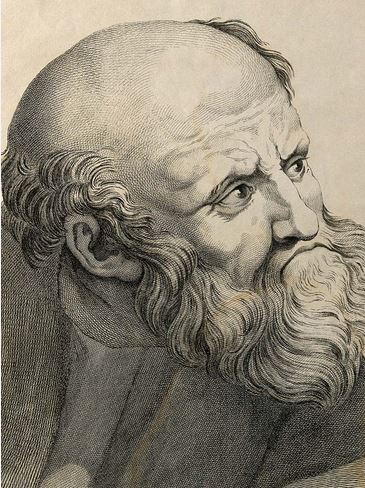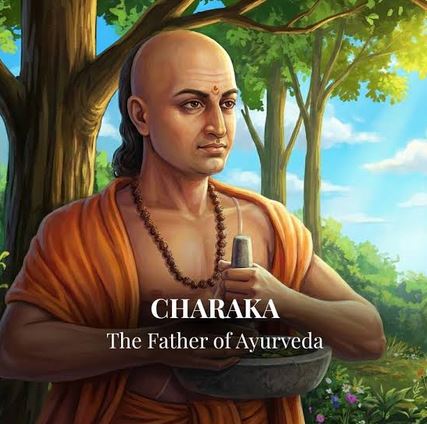
Charaka
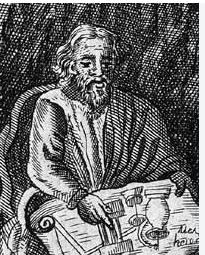
Ancient Indian physician and philosopher who compiled the Charaka Samhita, the foundational treatise of Ayurvedic internal medicine, cellular biology, and medical ethics.
Start typing to search worldwide archives and community tributes
Filterable archive covering centuries of intellectual, artistic, and moral contributions to the human story.
Ancient Indian physician and philosopher who compiled the Charaka Samhita, the foundational treatise of Ayurvedic internal medicine, cellular biology, and medical ethics.
Ancient Indian surgeon hailed as the 'Father of Plastic Surgery', whose Sanskrit compendium Sushruta Samhita detailed rhinoplasty forehead flaps, cataract couching, and 121 surgical instruments.
Brilliant Greco-Egyptian engineer and geometer who invented the aeolipile (the world's first steam engine), automatic temple doors, programmable theater automata, and Heron's formula.
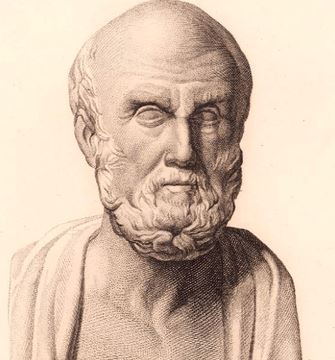
'Father of Medicine' who liberated healing from superstition, established clinical observation of symptoms, and created the foundational medical code of ethics: the Hippocratic Oath.
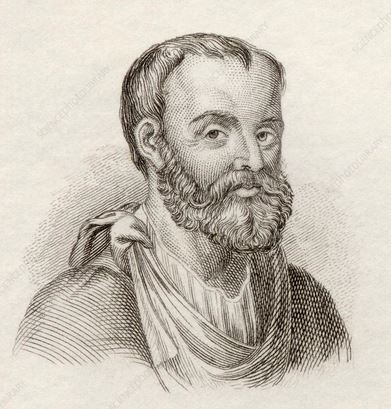
Preeminent physician of the Roman Empire whose experimental anatomical vivisections, surgical techniques, and humoral pharmacology dominated Western and Islamic medicine for 1,500 years.
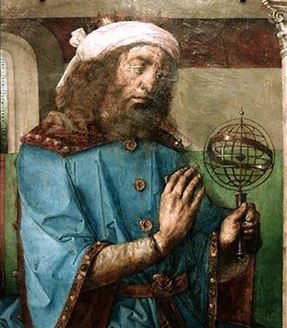
Greco-Egyptian polymath whose monumental astronomical treatise, the Almagest, and Geographia defined celestial mechanics and global cartography for fourteen centuries.
Greatest observational astronomer of antiquity, who discovered the precession of the equinoxes, compiled the first comprehensive star catalog, and founded trigonometry.
Ancient Greek astronomer and mathematician who proposed the first known heliocentric model of the universe eighteen centuries before Copernicus, placing the Sun at the center of planetary orbits.
'Father of Geometry' whose thirteen-book treatise The Elements established the axiomatic-deductive method that formed the bedrock of mathematics and science for two millennia.
Chief Librarian of the Great Library of Alexandria who calculated the Earth's circumference with astonishing accuracy using sun shadows and invented the Sieve of Eratosthenes for prime numbers.
Early Greek natural philosopher who introduced the concept of the Apeiron (the Boundless), drew the first world map, and proposed an early theory of biological evolution.
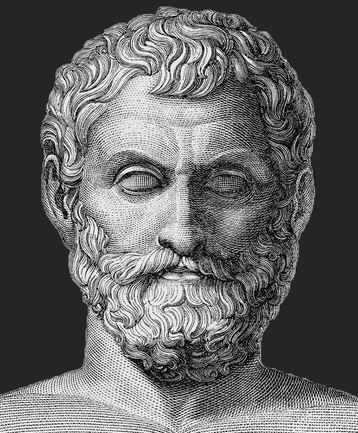
Regarded as the first scientist and natural philosopher in Western history, who predicted the solar eclipse of 585 BCE and identified water as the fundamental cosmic principle.
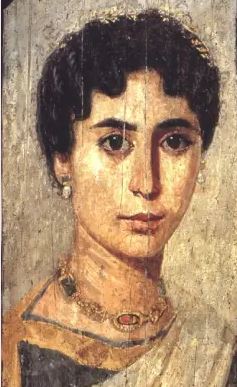
Head of the Neoplatonic school in Alexandria and one of antiquity's greatest women of science. Commentator on Diophantus and Apollonius, whose brutal murder by zealots made her an eternal symbol of intellectual courage.
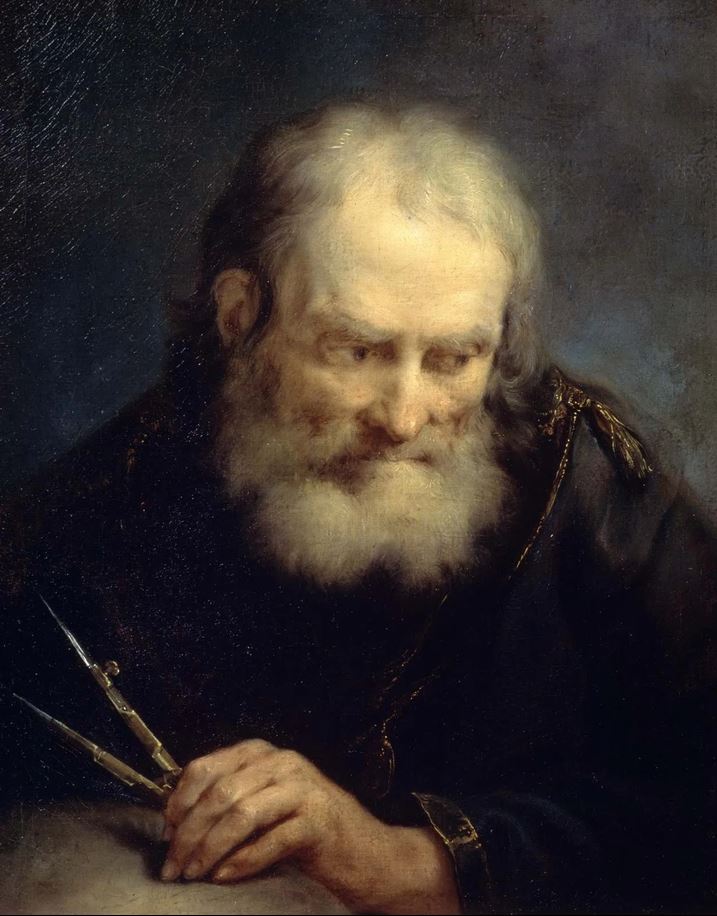
The preeminent mathematician and physical scientist of antiquity. Formulated hydrostatic buoyancy, the lever, the screw pump, calculated accurate bounds for pi, and designed ingenious war machines to defend Syracuse.
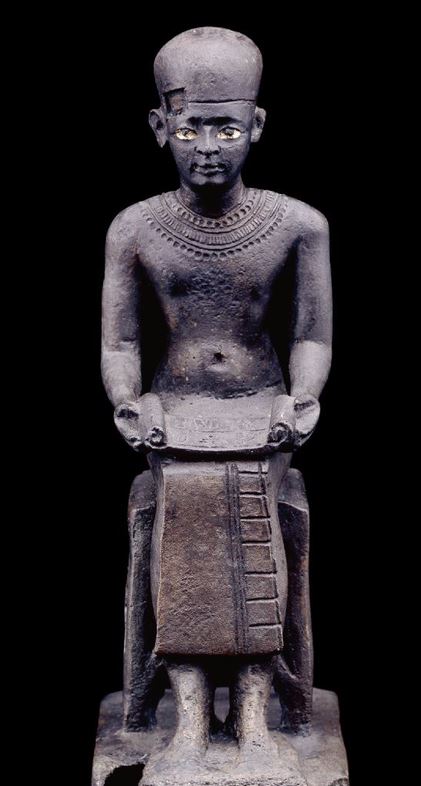
Chancellor to Pharaoh Djoser and architect of the revolutionary Step Pyramid at Saqqaraโthe world's earliest monumental stone structure. Revered as the foundational progenitor of medicine and architecture, later deified as the god of healing.