 France
•
1,578 views
France
•
1,578 views
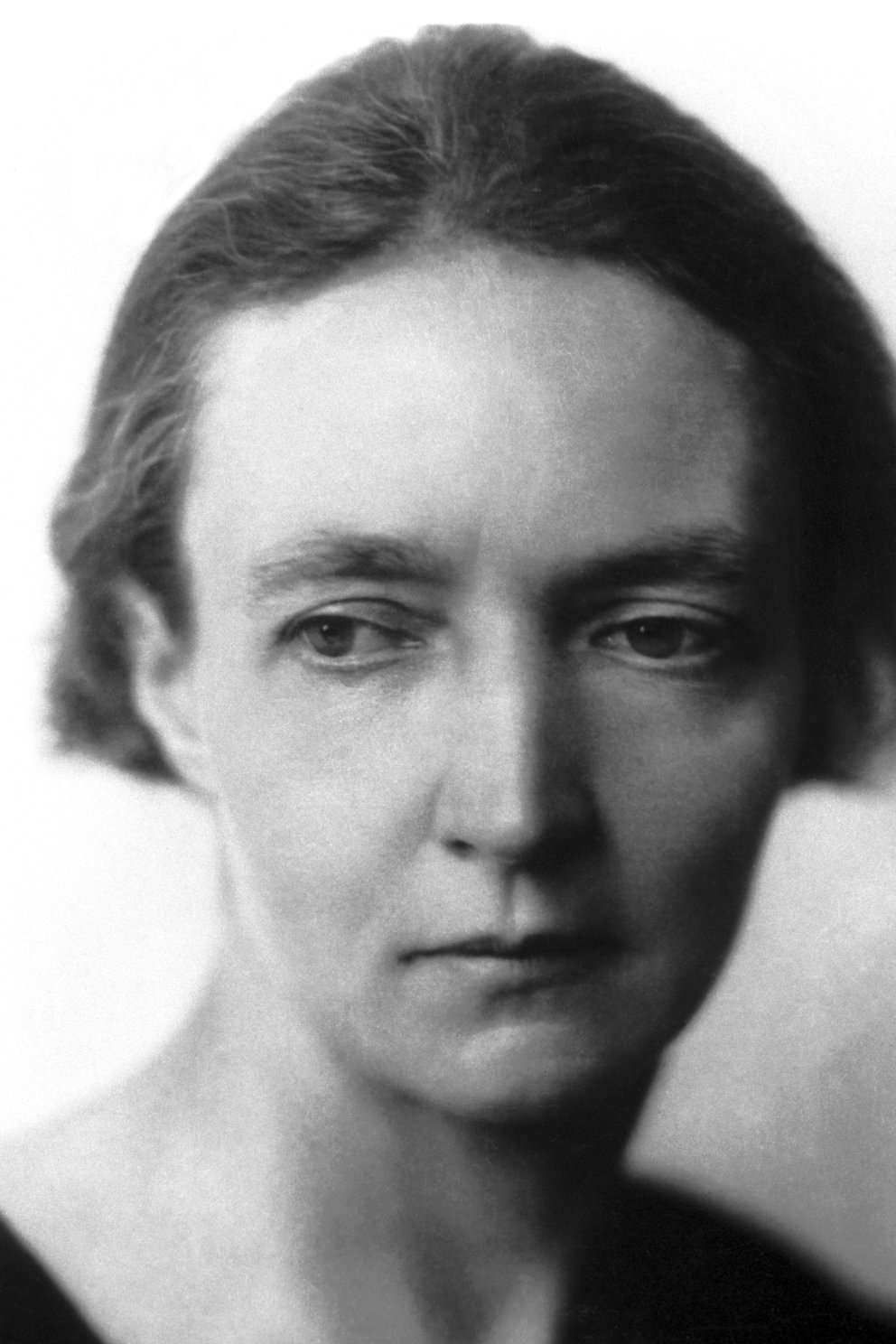
Irène Joliot-Curie

Paris, France
Archival Overview
French nuclear chemist and physicist who discovered artificial radioactivity, winning the 1935 Nobel Prize with Frédéric Joliot.
Biographical Record
Irène Joliot-Curie was a French radiochemist and nuclear physicist who continued the extraordinary scientific lineage of her parents, Marie and Pierre Curie. During World War I, at just seventeen years of age, Irène joined her mother on the battlefront operating mobile X-ray radiography units ('petites Curies') to examine wounded French soldiers.
Joining the Radium Institute in Paris, she married fellow researcher Frédéric Joliot in 1926. In 1934, while bombarding aluminum, boron, and magnesium targets with alpha particles from a powerful polonium source, they observed that aluminum continued to emit positrons even after the alpha particle source was removed. They had discovered artificial (induced) radioactivity, synthesizing radioactive phosphorus-30 from stable aluminum. This historic discovery proved that radioactive isotopes can be artificially created, transforming modern medicine, cancer radiotherapy, and radioactive tracing, and earning the couple the 1935 Nobel Prize in Chemistry. In 1936, Irène was appointed Undersecretary of State for Scientific Research in Léon Blum's government, advocating for women's scientific education.
Key Life Milestones
Discovery of Artificial Radioactivity
Synthesized radioactive isotopes by bombarding stable aluminum with alpha particles, creating radioactive phosphorus-30.
Nobel Prize in Chemistry
Awarded the Nobel Prize in Chemistry jointly with Frédéric Joliot in recognition of their synthesis of new radioactive elements.
Memorial Guestbook & Tributes
0 messages recordedLeave a Respectful Tribute
Final Resting Place
Perpetual MemorialSceaux, Hauts-de-Seine, France