 Czech Republic
•
1,281 views
Czech Republic
•
1,281 views
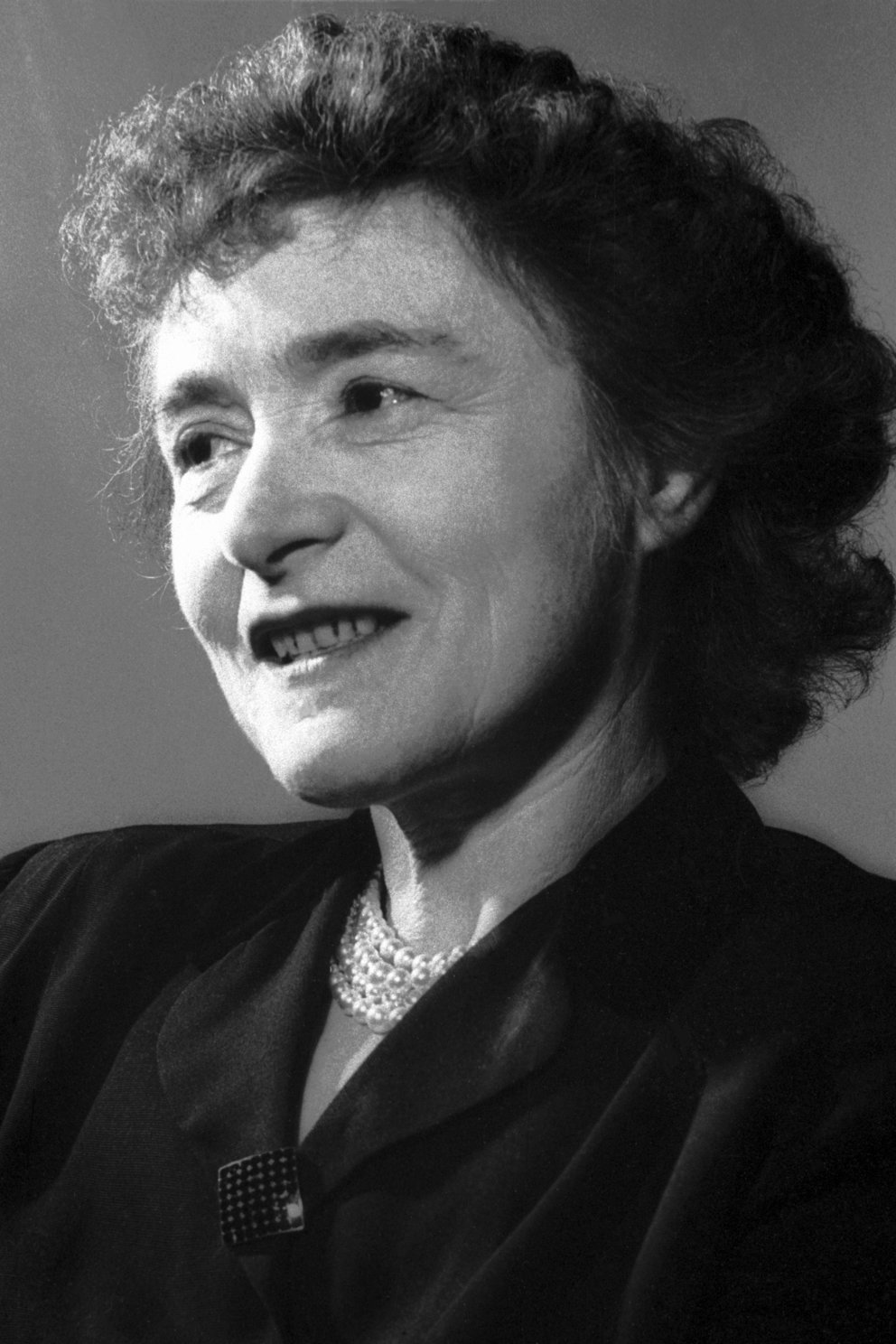
Gerty Cori

Prague, Bohemia, Czech Republic
Archival Overview
First American woman to win a Nobel Prize in science, discovering the Cori cycle of carbohydrate metabolism with Carl Cori.
Biographical Record
Gerty Theresa Radnitz Cori was a Czech-American biochemist whose pioneering enzymology illuminated the molecular pathways by which animal cells store and consume energy. Graduating from the German University of Prague medical school in 1920, she married fellow student Carl Ferdinand Cori and immigrated to the United States in 1922 to escape post-WWI European hardship and antisemitism.
Working at Washington University in St. Louis—initially offered only nominal, underpaid research appointments due to anti-nepotism policies—Gerty formed an equal intellectual partnership with Carl. In 1929, they elucidated the Cori cycle: demonstrating that muscle glycogen is converted during anaerobic exercise into lactic acid, which travels via the bloodstream to the liver where it is resynthesized into glycogen and released as glucose. Gerty isolated glucose-1-phosphate (the 'Cori ester') and discovered glycogen phosphorylase. In 1947, she became the first American woman, and only the third woman in history, to receive a Nobel Prize in science, honored in Physiology or Medicine.
Key Life Milestones
Discovery of the Cori Cycle
Elucidated the metabolic pathway circulating lactic acid from muscles to the liver for conversion back to glycogen.
First American Woman Nobel Laureate in Science
Awarded the Nobel Prize in Physiology or Medicine for the discovery of the course of the catalytic conversion of glycogen.
Memorial Guestbook & Tributes
0 messages recordedLeave a Respectful Tribute
Final Resting Place
Perpetual MemorialSt. Louis, Missouri, United States