 Germany
•
14 views
Germany
•
14 views
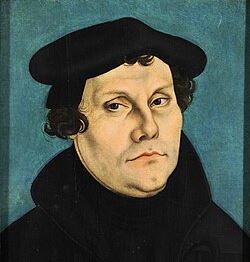
Martin Luther (Father of the Reformation)

Eisleben, Germany
Archival Overview
German monk and professor whose Ninety-Five Theses sparked the Protestant Reformation. Translated the Bible into vernacular German, establishing foundational principles of justification by faith alone (Sola Fide) and scripture alone (Sola Scriptura).
Biographical Record
An Augustinian friar and professor of biblical theology at the University of Wittenberg, Luther grew troubled by the commercial sale of papal indulgences. On October 31, 1517, he circulated his 95 Theses, challenging ecclesiastical authority and asserting that divine forgiveness is an unearned gift of grace.
Defending his conscience before the Holy Roman Emperor at the Diet of Worms in 1521 ("Here I stand, I can do no other"), he translated the New Testament into vigorous vernacular German at Wartburg Castle, shaping modern German language and redrawing the religious map of Europe.
Key Life Milestones
Posting of the Ninety-Five Theses
Circulated ninety-five theses on the door of Wittenberg Castle Church protesting papal indulgences.
Defense at the Diet of Worms
Stood before Emperor Charles V refusing to recant conscience: "Here I stand; I can do no other. God help me."
Translation of the New Testament at Wartburg
Translated the Greek New Testament into vernacular German in ten weeks while concealed at Wartburg Castle.
The Augsburg Confession
Co-authored the foundational confession of the Lutheran Church alongside Philip Melanchthon.
Memorial Guestbook & Tributes
0 messages recordedLeave a Respectful Tribute
Final Resting Place
Perpetual MemorialEisleben, Germany