Public Figures & Cultural Luminaries
Filterable archive covering centuries of intellectual, artistic, and moral contributions to the human story.
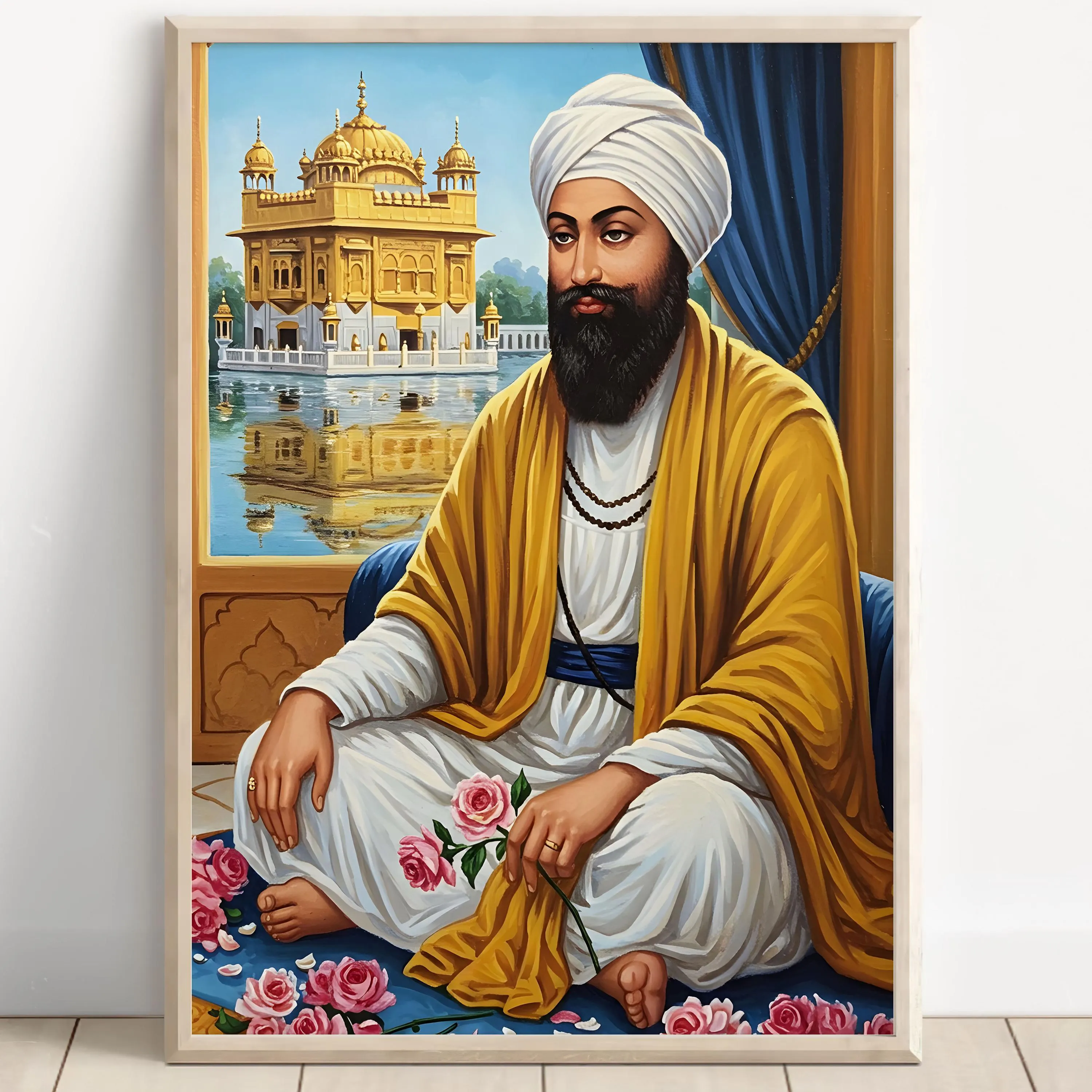
Guru Ram Das Ji (Fourth Sikh Guru & Founder of Amritsar)
 (ਗੁਰੂ ਰਾਮ ਦਾਸ ਜੀ)
Born as an impoverished orphan selling boiled chickpeas in Lahore, Bhai Jetha rose through immaculate humility to become Guru Ram Das; he founded the holy city of Amritsar (Ramdaspur) and composed the four sacred stanzas of the Sikh marriage covenant.
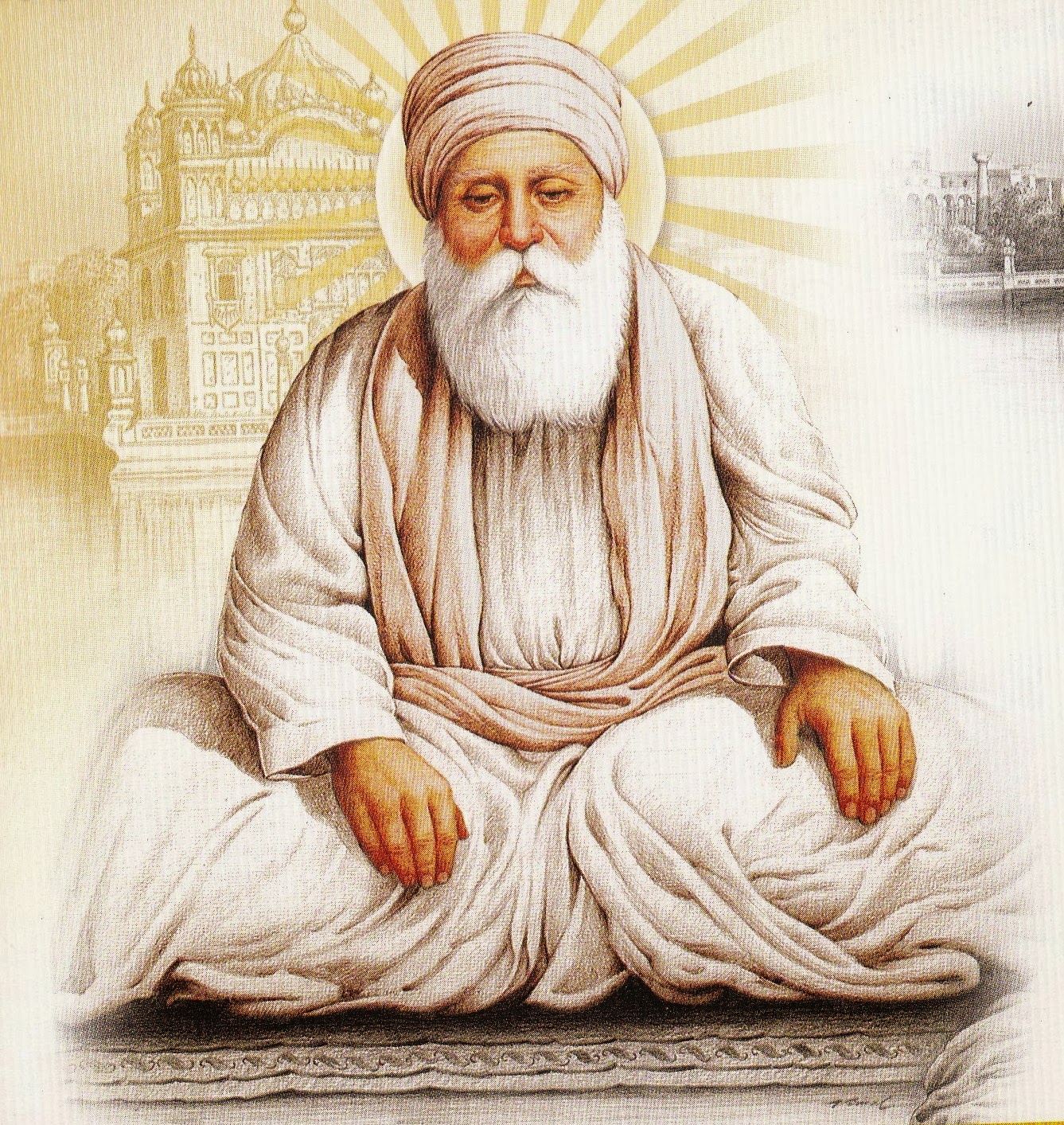
Guru Amar Das Ji (Third Sikh Guru & Champion of Equality)
 (ਗੁਰੂ ਅਮਰ ਦਾਸ ਜੀ)
Ascending to the Guruship at the age of seventy-three after years of humble service fetching water from the river, Guru Amar Das revolutionized Punjabi society by banning the veil (purdah) and widow-burning (sati), creating the Manji system of administration.
Gemma Frisius
 (Gemma Frisius)
Pioneering mathematician, astronomer, and instrument-maker at the University of Leuven who invented surveying by triangulation and was the first to propose using clocks to determine longitude at sea.
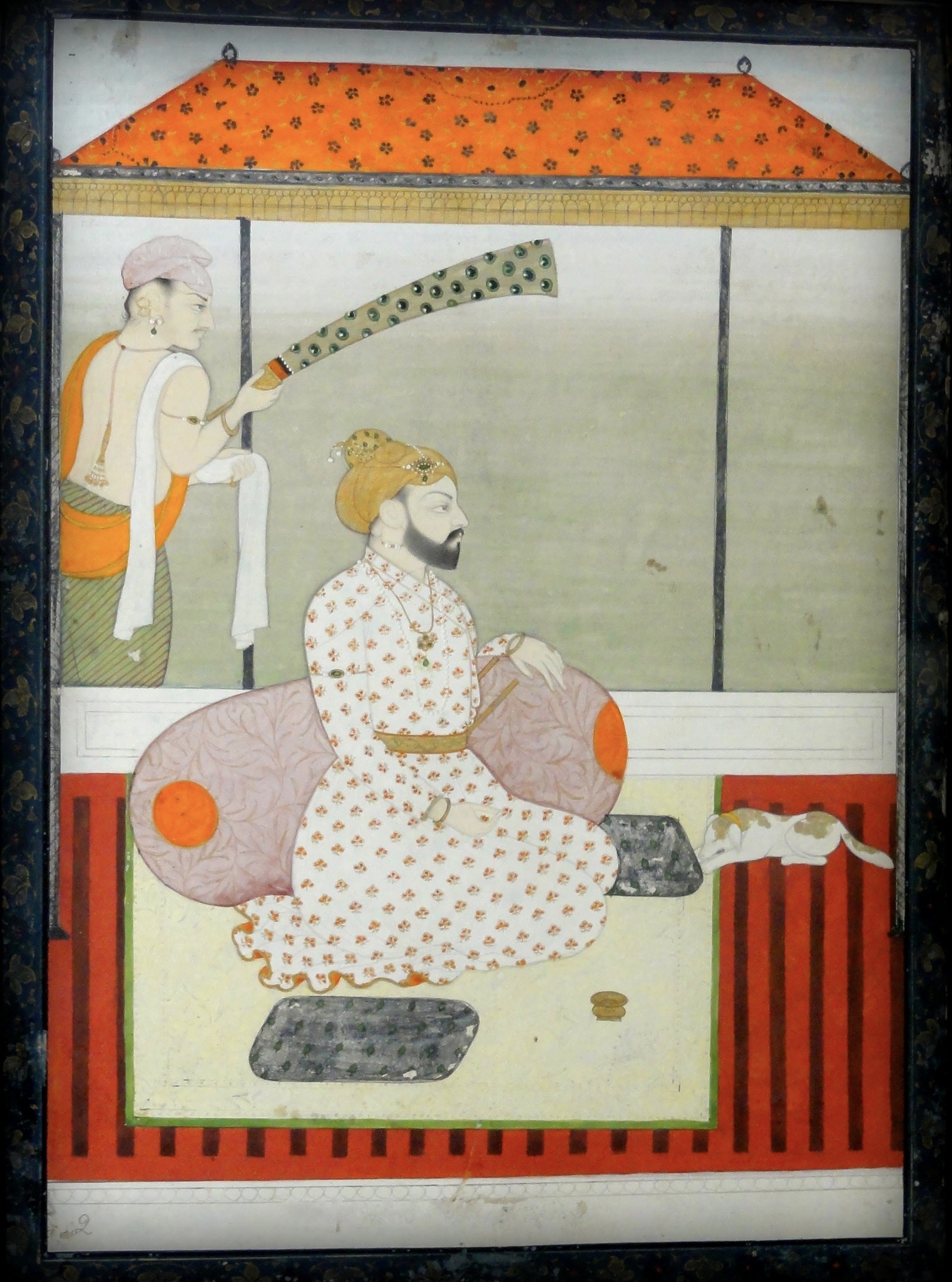
Guru Angad Dev Ji (Second Sikh Guru & Master of Gurmukhi)
(ਗੁਰੂ ਅੰਗਦ ਦੇਵ ਜੀ)
Originally named Bhai Lehna, Guru Angad became the second Sikh Guru after proving selfless devotion to Guru Nanak; he standardized and popularized the Gurmukhi script, opening education, scripture, and physical fitness to all castes.
Guru Nanak Dev Ji (First Sikh Guru)
(ਗੁਰੂ ਨਾਨਕ ਦੇਵ (Gurū Nānak Dēv))
Founder of Sikhism who proclaimed the universal oneness of the Creator (Ik Onkar). Traveled thousands of miles across Asia on foot (Udasis), breaking caste discrimination and establishing the free communal kitchen (Langar).
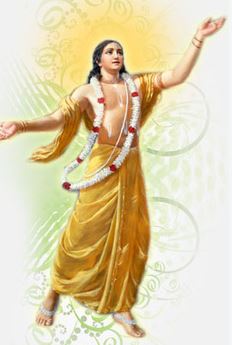
Chaitanya Mahaprabhu (Gauranga)
(শ্রীচৈতন্য মহাপ্রভু)
Fifteenth-century saint, mystic, and divine messenger who initiated the congregational chanting of the holy names (Sankirtana) throughout India, democratizing spiritual practice across all castes and creeds.
Gerard David
(Gerard David)
The last great master of the Bruges school of Early Netherlandish painting, famed for luminous color harmony, serene devotional panels, and poignant civic justice diptychs.
Anne of Brittany
 (Anne de Bretagne)
Sovereign Duchess of Brittany and the only woman in history crowned Queen of France twice (to Charles VIII and Louis XII), who fiercely guarded Breton autonomy and patronized Renaissance art and manuscripts.
Charles the Bold
(Charles le Téméraire / Karel de Stoute)
Last Valois Duke of Burgundy whose relentless ambition to connect his Flemish and Burgundian realms into an independent kingdom ended with his battlefield death at Nancy, reshaping European geopolitics.
Philip the Good
(Philippe le Bon / Filips de Goede)
Transformative Duke of Burgundy whose reign (1419–1467) unified Flanders, Brabant, Hainaut, Namur, and Holland into the Burgundian Netherlands, ushering in the golden age of Flemish Renaissance art.

Lalla Arbia of Sfax
 (للا عربية الصفاقسية)
Venerated female spiritual figure of Sfax who dedicated her life and substantial olive estate inheritances to funding shelters for widowed women, orphans, and students of the Great Mosque of Sfax.

Abu Hafs Umar I al-Mustansir
(أبو حفص عمر بن يحيى الحفصي)
Hafsid Sultan (1284–1295 AD) who recovered Tunis from the usurpation of Ibn Abi Umara, signed commercial treaties with Aragon and Genoa, and patronized religious institutions.

Abu Zakariya Yahya II al-Wathiq
(أبو زكرياء يحيى الواثق)
Hafsid Caliph (1277–1279 AD) who succeeded his illustrious father al-Mustansir, remembered as a cultivated patron of Andalusian poets and calligraphers.
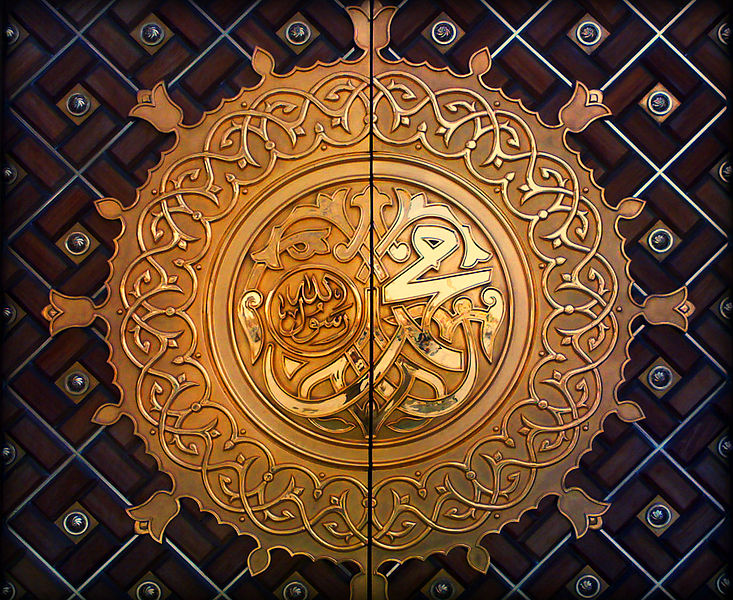
Muhammad ibn Abdullah (The Seal of the Prophets)
 (مُحَمَّدٌ رَسُولُ الله ﷺ)
The foundational Prophet and Messenger of Islam who conveyed the Holy Quran. Transformed Arabia from tribal polytheism into an enduring global civilization of ethical monotheism, social justice, and knowledge.
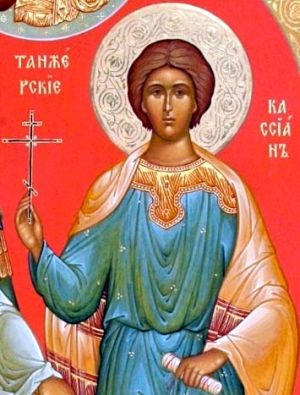
Saint Cassian of Tangier
 (Cassianus Tingitanus)
Court clerk and stenographer at Tangier who refused to record the death sentence of Saint Marcellus, casting away his pen in protest and accepting martyrdom.
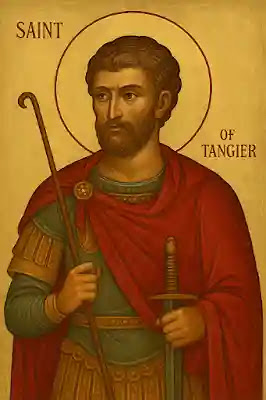
Saint Marcellus of Tangier
(Marcellus Tingitanus)
Roman centurion of the Legio VII Gemina at Tingis (Tangier) who renounced his military commission on grounds of conscience and faith, martyred in 298 AD.
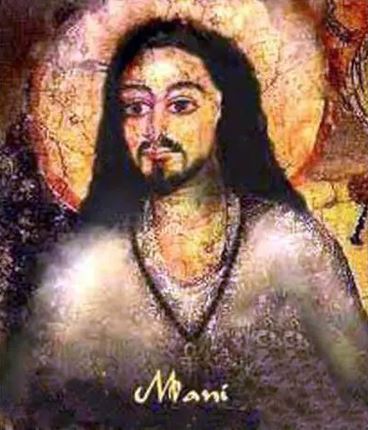
Mani (Apostle of Light)
 (مانی / Mānī)
Mesopotamian prophet and master painter who synthesized Christian Gnosticism, Zoroastrian dualism, and Buddhism into a global world religion of Light. Authored the Living Gospel and illuminated manuscripts.

Zhang Daoling (First Celestial Master)
 (張道陵 (Zhang Daoling / Tian Shi))
First Celestial Master of Daoism who founded the Way of the Celestial Masters (Tianshi Dao). Received divine revelation from Laozi on Mount Heming, establishing community covenants of healing, ethics, and meditation.