 India
•
8 views
India
•
8 views
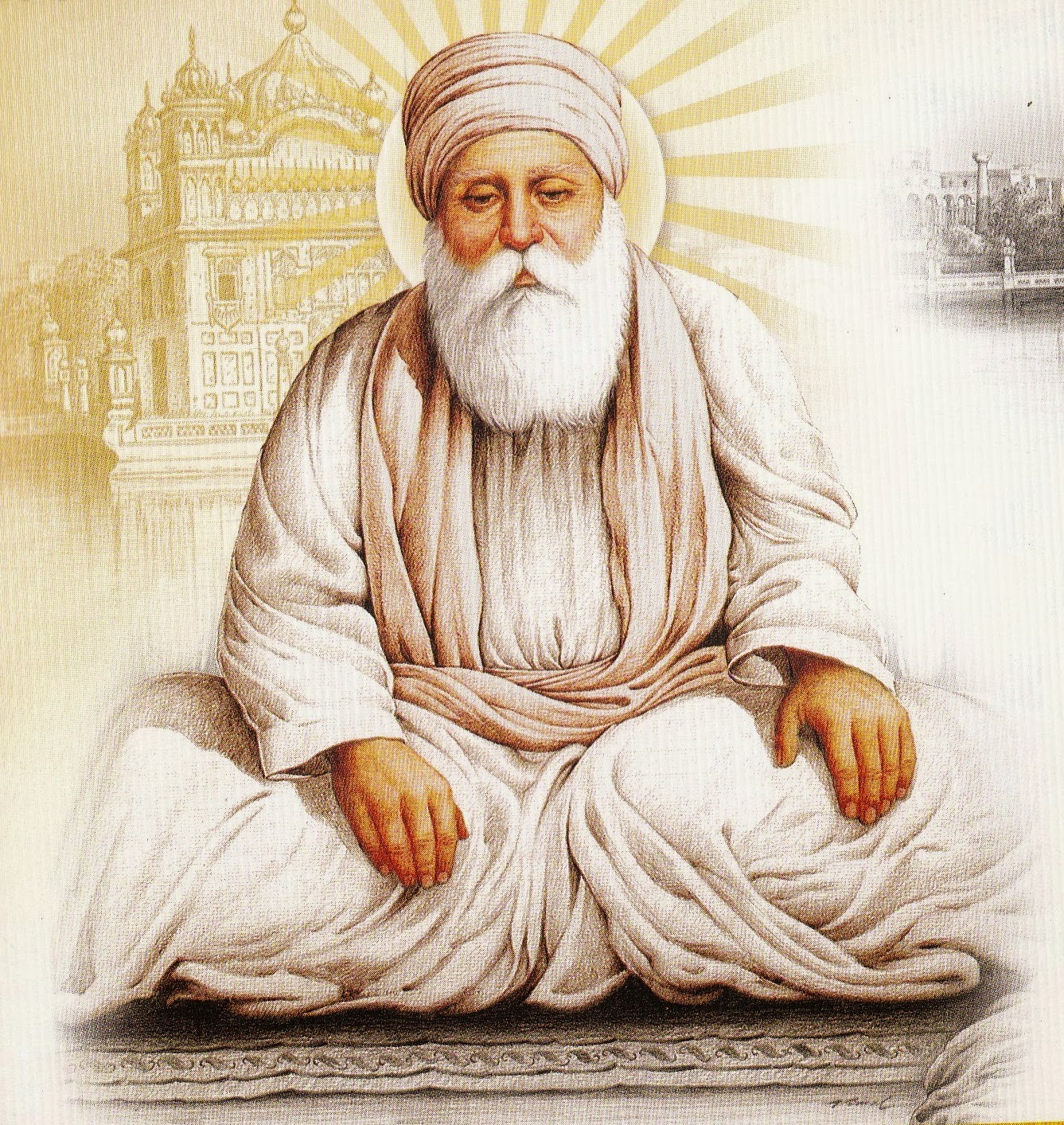
Guru Amar Das Ji (Third Sikh Guru & Champion of Equality)

Basarke, India
Archival Overview
Ascending to the Guruship at the age of seventy-three after years of humble service fetching water from the river, Guru Amar Das revolutionized Punjabi society by banning the veil (purdah) and widow-burning (sati), creating the Manji system of administration.
Biographical Record
Guru Amar Das Ji was already well into old age when he encountered the teachings of Guru Nanak through Bibi Amro, daughter of Guru Angad. Overwhelmed with spiritual devotion, he walked miles every morning before dawn carrying a pitcher of river water for Guru Angad's bath for twelve consecutive years without missing a single day.
Social Revolution and Women's Rights
Upon being appointed the third Guru, he established his headquarters at Goindwal. He launched radical social reforms: strictly prohibiting the horrific practice of sati (forcing widows to burn on their husbands' funeral pyres), forbidding women from wearing face veils (purdah), and encouraging widow remarriage.
Pangat Pehlat Sangat
Guru Amar Das instituted the inviolable principle: 'Pehle Pangat, Phir Sangat' (first sit together in the dining row, then sit in congregation). When Emperor Akbar visited Goindwal, he had to sit on the dirt floor eating common lentils and bread side-by-side with outcasts before being granted an audience with the Guru. He also composed the sublime hymn Anand Sahib (Song of Bliss) and built the sacred well with 84 steps at Goindwal.
Key Life Milestones
Abolition of Sati and Purdah & Empowering Women
Bans widow-burning and face veiling, establishing women as equal spiritual leaders in the Manji administrative system.
Excavation of Goindwal Baoli & Composition of Anand Sahib
Constructs the egalitarian 84-step sacred well and composes the immortal liturgical hymn of bliss, Anand Sahib.
Memorial Guestbook & Tributes
0 messages recordedLeave a Respectful Tribute
Final Resting Place
Perpetual MemorialGoindwal Sahib, India