Public Figures & Cultural Luminaries
Filterable archive covering centuries of intellectual, artistic, and moral contributions to the human story.
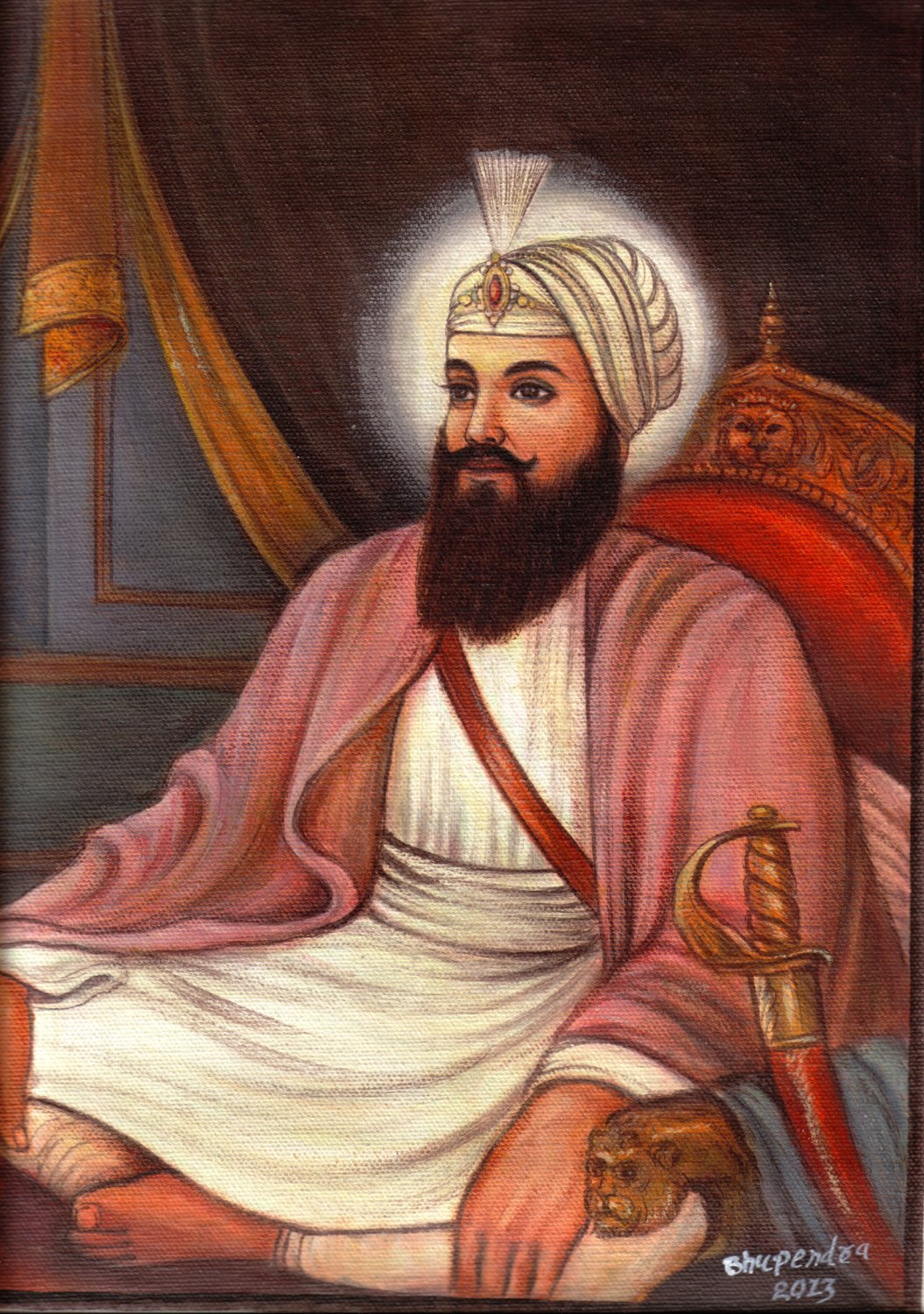
Guru Har Rai Ji (Seventh Sikh Guru & Healer of Creation)
 (ਗੁਰੂ ਹਰਿ ਰਾਇ ਜੀ)
The seventh Sikh Guru maintained a cavalry of 2,200 soldiers to ensure peace without ever fighting a single offensive war; he established the subcontinent's most advanced botanical gardens and free hospitals, even curing the dying Mughal prince Dara Shikoh.
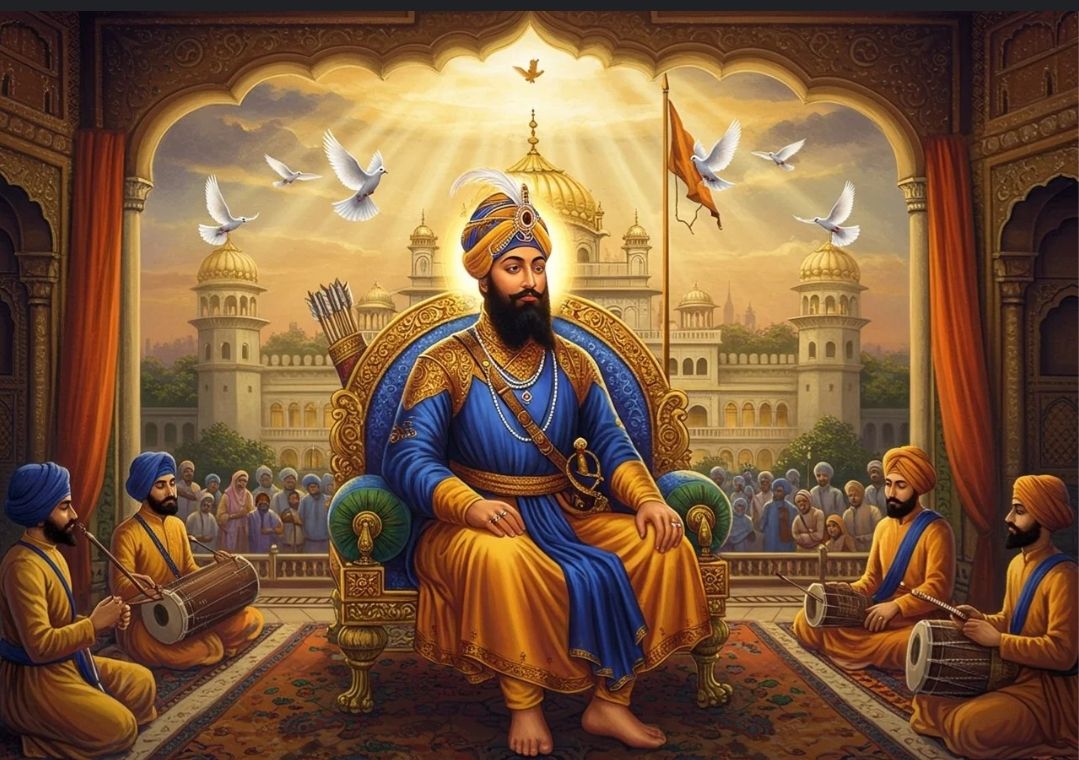
Guru Hargobind Ji (Sixth Sikh Guru & Master of Miri-Piri)
(ਗੁਰੂ ਹਰਿਗੋਬਿੰਦ ਜੀ)
Son of the martyred Guru Arjan, Guru Hargobind transformed the Sikh community by introducing the doctrine of Miri-Piri (temporal sovereignty and spiritual power), wearing two swords, raising the Akal Takht, and liberating fifty-two kings from Gwalior Fort.
Guru Arjan Dev Ji (Fifth Sikh Guru)
(ਗੁਰੂ ਅਰਜਨ ਦੇਵ)
Fifth Sikh Guru who designed and constructed the Harmandir Sahib (Golden Temple) in Amritsar with four doors welcoming all directions. Compiled the sacred Adi Granth and was martyred on burning sand for refusing to compromise religious truth.
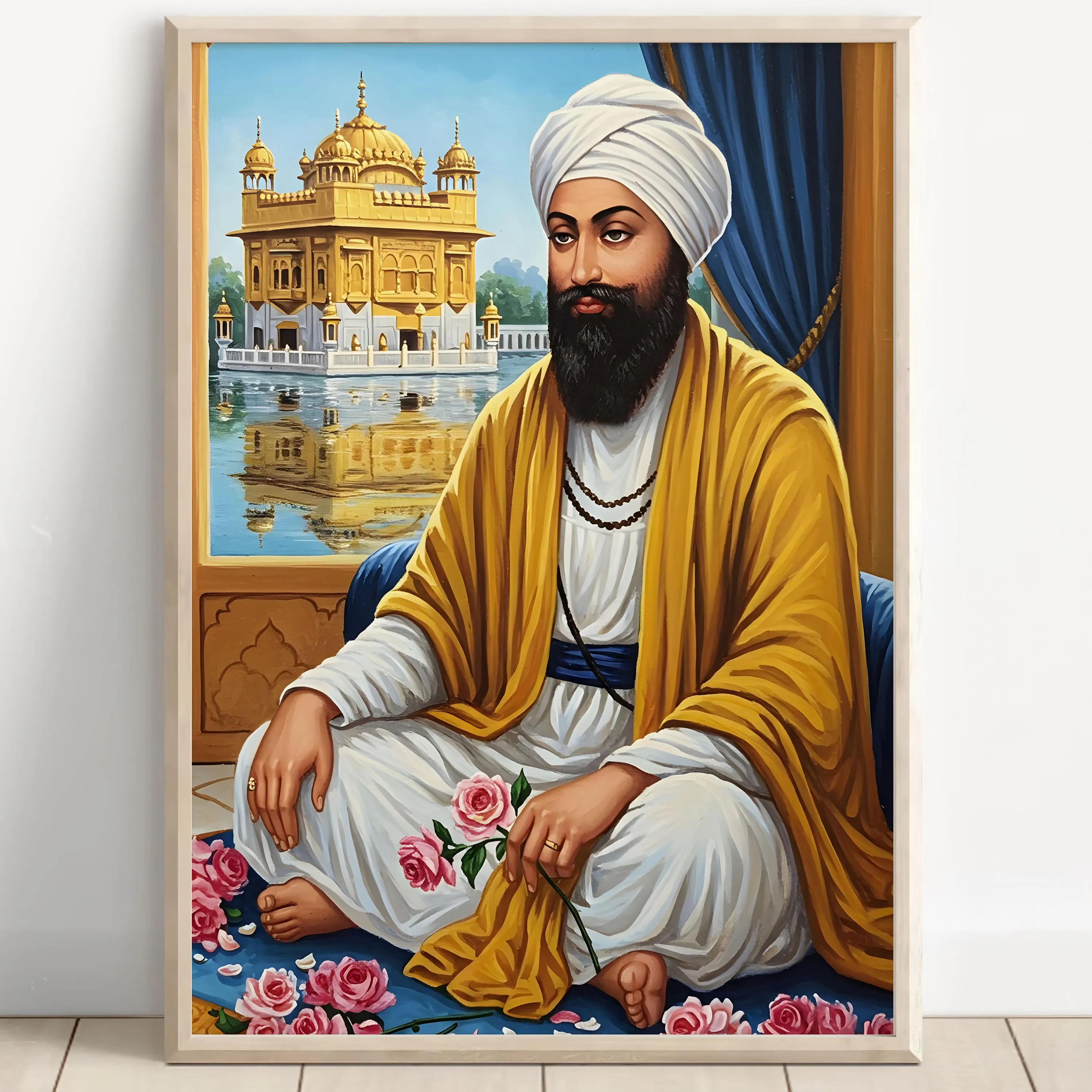
Guru Ram Das Ji (Fourth Sikh Guru & Founder of Amritsar)
 (ਗੁਰੂ ਰਾਮ ਦਾਸ ਜੀ)
Born as an impoverished orphan selling boiled chickpeas in Lahore, Bhai Jetha rose through immaculate humility to become Guru Ram Das; he founded the holy city of Amritsar (Ramdaspur) and composed the four sacred stanzas of the Sikh marriage covenant.
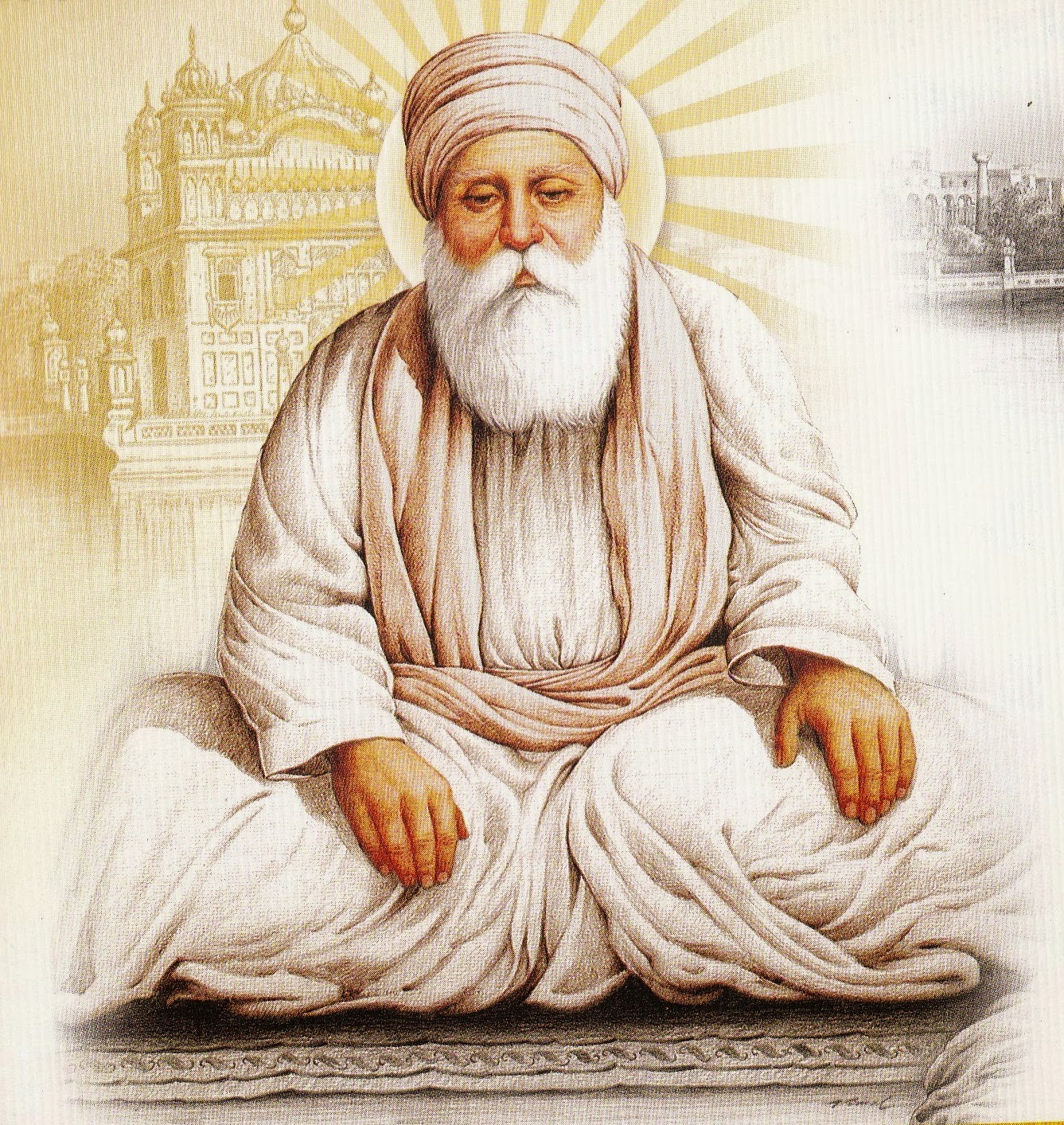
Guru Amar Das Ji (Third Sikh Guru & Champion of Equality)
(ਗੁਰੂ ਅਮਰ ਦਾਸ ਜੀ)
Ascending to the Guruship at the age of seventy-three after years of humble service fetching water from the river, Guru Amar Das revolutionized Punjabi society by banning the veil (purdah) and widow-burning (sati), creating the Manji system of administration.
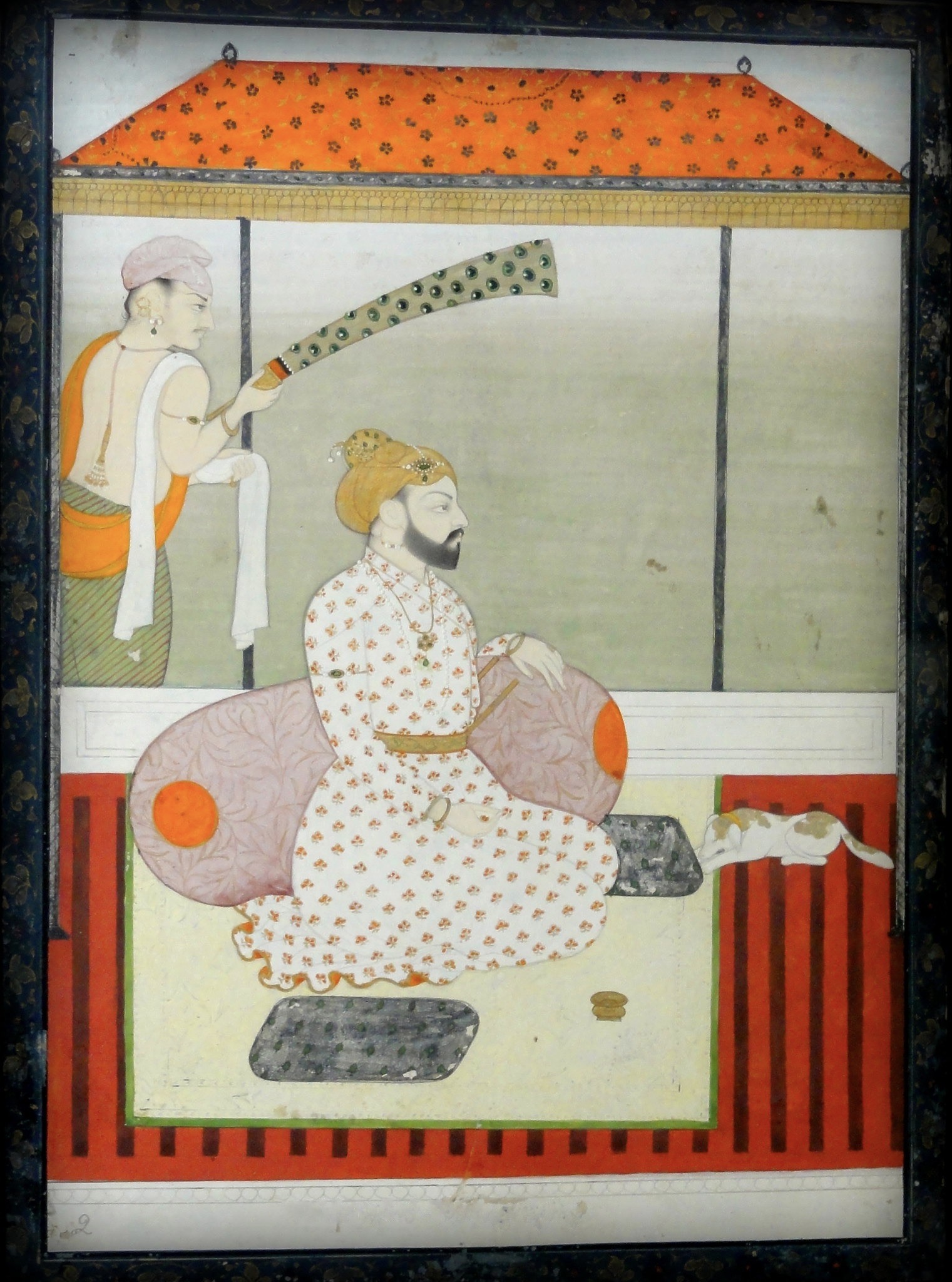
Guru Angad Dev Ji (Second Sikh Guru & Master of Gurmukhi)
(ਗੁਰੂ ਅੰਗਦ ਦੇਵ ਜੀ)
Originally named Bhai Lehna, Guru Angad became the second Sikh Guru after proving selfless devotion to Guru Nanak; he standardized and popularized the Gurmukhi script, opening education, scripture, and physical fitness to all castes.
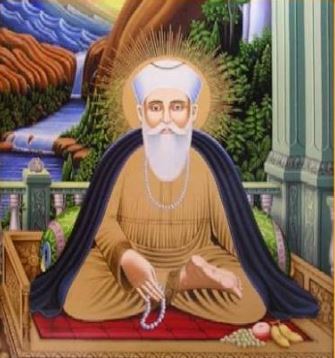
Guru Nanak Dev Ji (First Sikh Guru)
(ਗੁਰੂ ਨਾਨਕ ਦੇਵ (Gurū Nānak Dēv))
Founder of Sikhism who proclaimed the universal oneness of the Creator (Ik Onkar). Traveled thousands of miles across Asia on foot (Udasis), breaking caste discrimination and establishing the free communal kitchen (Langar).
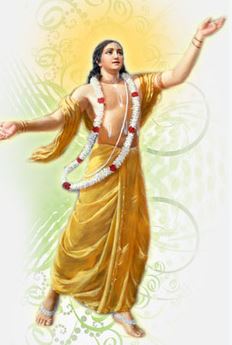
Chaitanya Mahaprabhu (Gauranga)
(শ্রীচৈতন্য মহাপ্রভু)
Fifteenth-century saint, mystic, and divine messenger who initiated the congregational chanting of the holy names (Sankirtana) throughout India, democratizing spiritual practice across all castes and creeds.
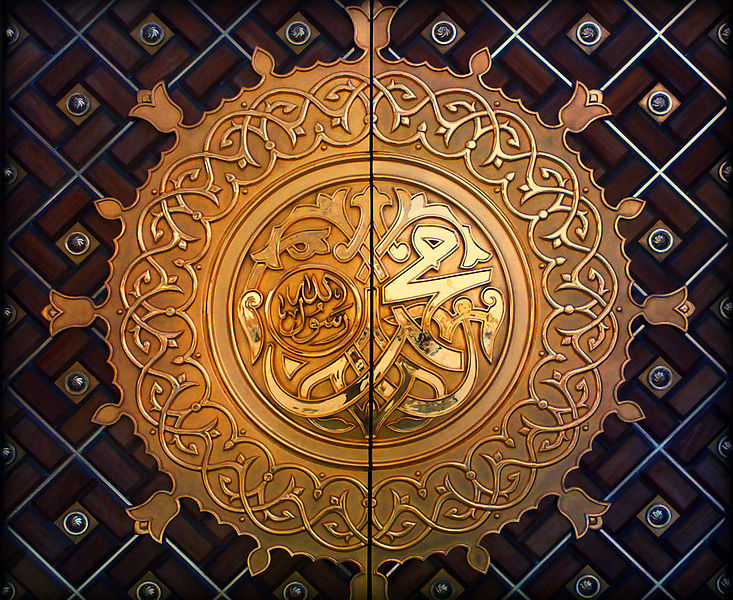
Muhammad ibn Abdullah (The Seal of the Prophets)
 (مُحَمَّدٌ رَسُولُ الله ﷺ)
The foundational Prophet and Messenger of Islam who conveyed the Holy Quran. Transformed Arabia from tribal polytheism into an enduring global civilization of ethical monotheism, social justice, and knowledge.
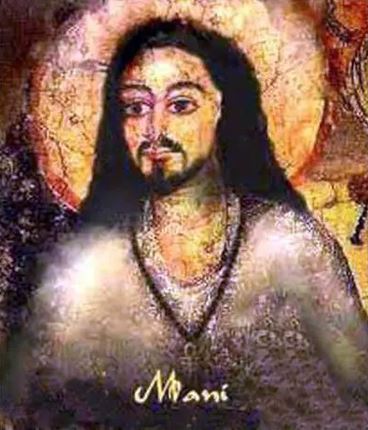
Mani (Apostle of Light)
 (مانی / Mānī)
Mesopotamian prophet and master painter who synthesized Christian Gnosticism, Zoroastrian dualism, and Buddhism into a global world religion of Light. Authored the Living Gospel and illuminated manuscripts.

Zhang Daoling (First Celestial Master)
 (張道陵 (Zhang Daoling / Tian Shi))
First Celestial Master of Daoism who founded the Way of the Celestial Masters (Tianshi Dao). Received divine revelation from Laozi on Mount Heming, establishing community covenants of healing, ethics, and meditation.
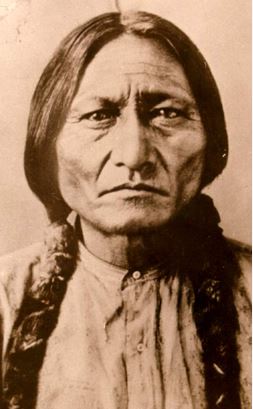
Neolin (The Delaware Prophet of the Master of Life)
 (Neolin)
A Lenni Lenape (Delaware) spiritual visionary, Neolin ascended to the celestial realm of the Master of Life (Kitanitowit) in 1761, receiving the Great Map of the Soul and preaching pan-tribal unity, inspiring Chief Pontiac's famous rebellion.
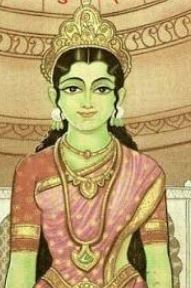
Mallinatha (19th Tirthankara of Jainism)
(मल्लिनाथ)
The 19th Tirthankara of Jainism (celebrated in the Shvetambara tradition as Princess Malli, the only female Tirthankara), Mallinatha famously enlightened six warring kings through the brilliant parable of the golden urn filled with decay.
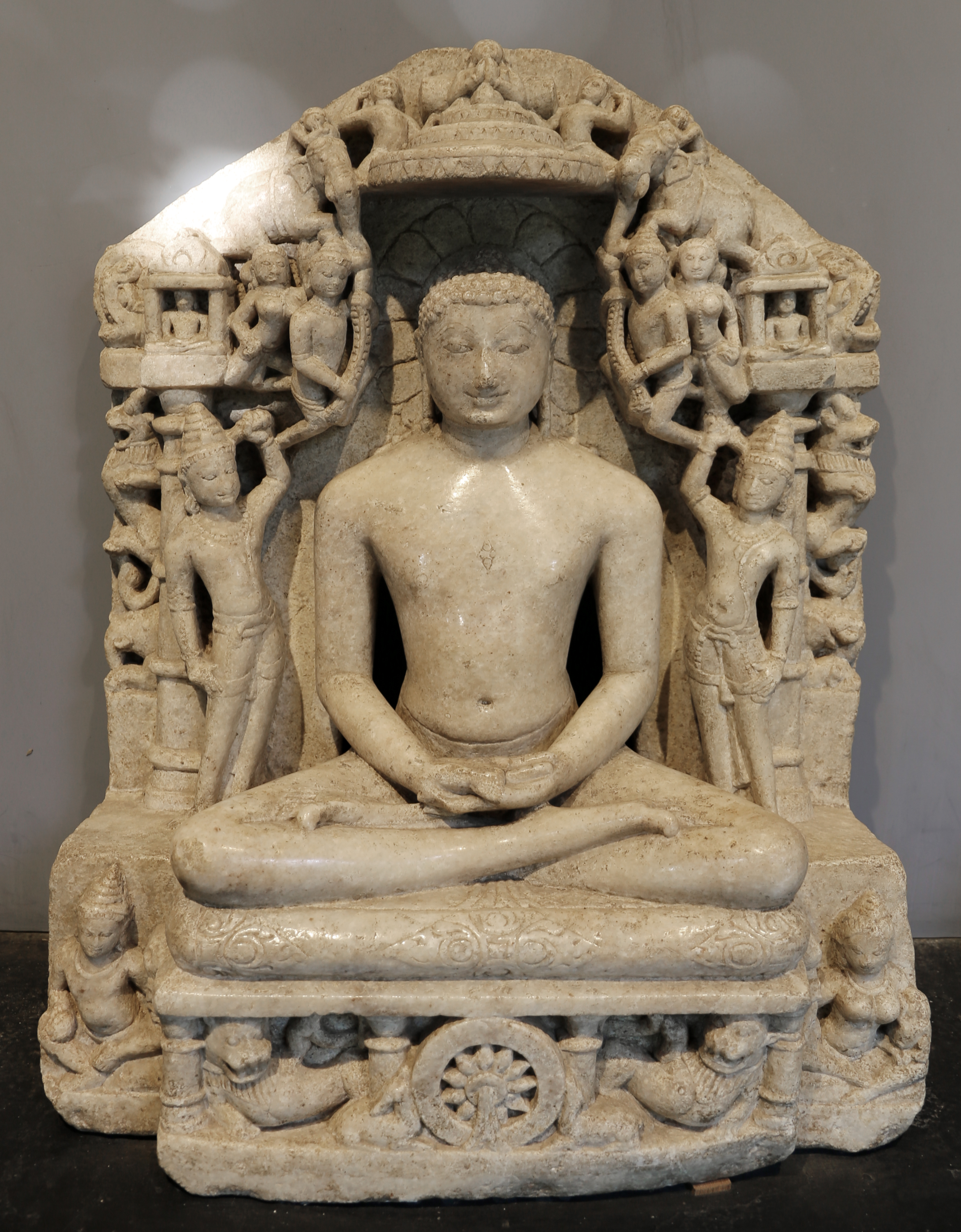
Shantinatha (16th Tirthankara & Universal Emperor)
(शान्तिनाथ)
Unique in holding both the supreme temporal title of Chakravartin (Emperor of the World) and the supreme spiritual title of Tirthankara, Shantinatha pacified terrible epidemics and wars before abdicating all earthly dominion to preach cosmic peace.
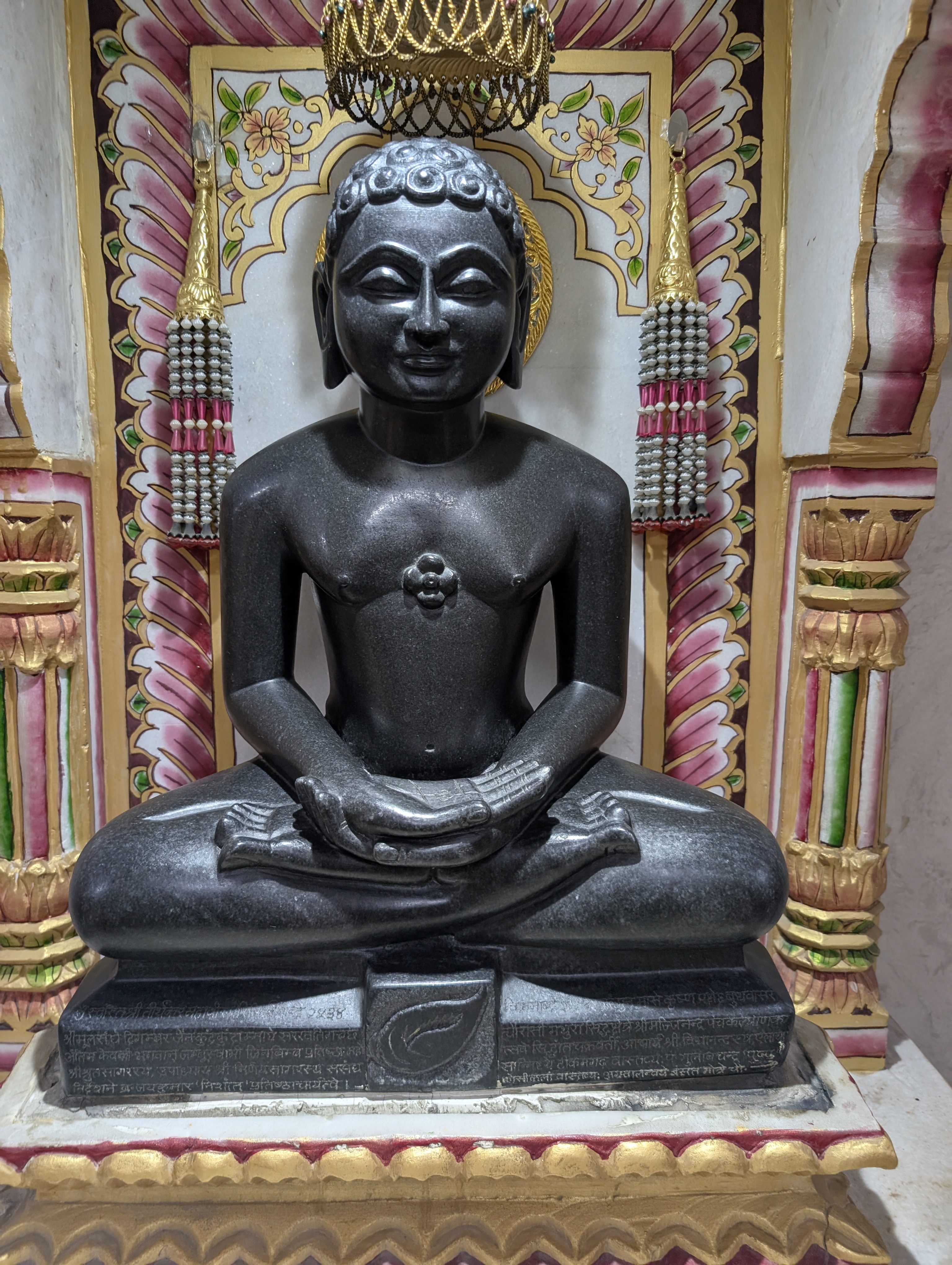
Neminatha / Arishtanemi (22nd Tirthankara of Jainism)
(नेमिनाथ / अरिष्टनेमि)
The 22nd Tirthankara of Jainism and cousin of Lord Krishna, Neminatha famously turned back from his own lavish wedding procession upon hearing the terrified cries of animals caged to be slaughtered for the feast, renouncing all wealth for Mount Girnar.
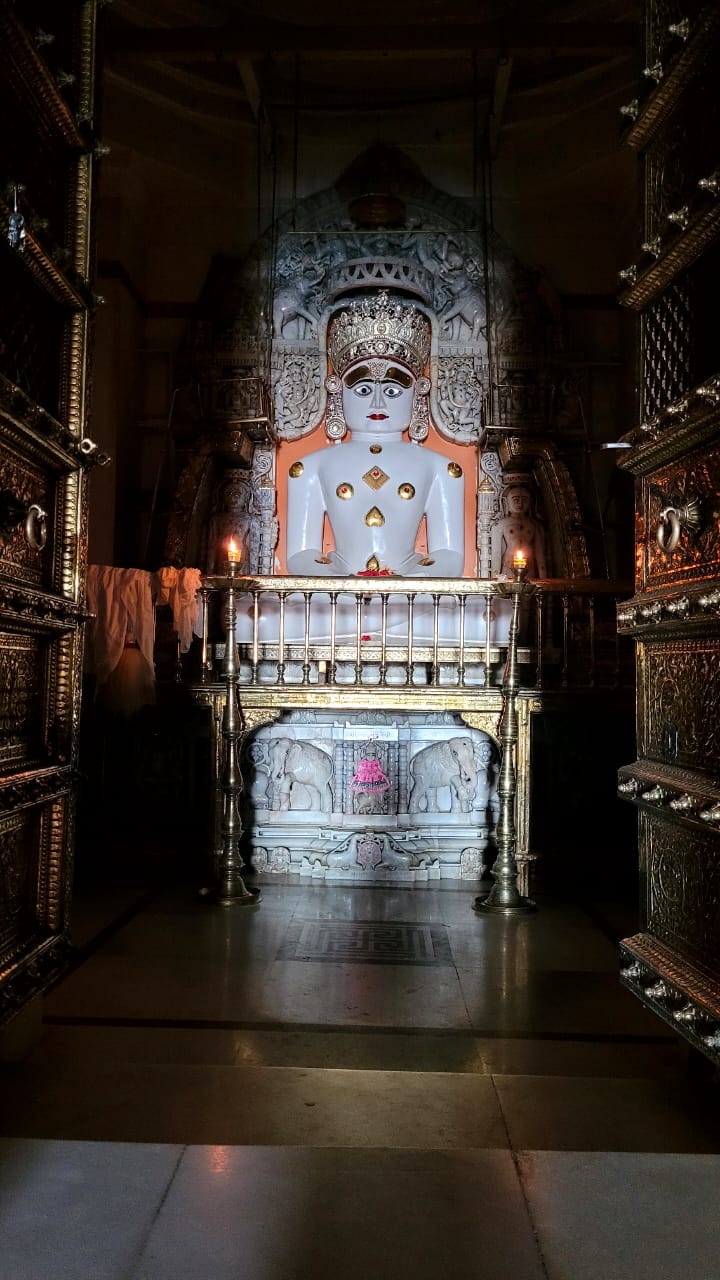
Ajitanatha (Second Tirthankara of Jainism)
(अजितनाथ)
The second Tirthankara of Jainism, Ajitanatha ('The Unconquerable') was born to King Jitasatru and Queen Vijaya in Ayodhya; he conquered the inner enemies of attachment and aversion, attaining Moksha atop the sacred peaks of Shikharji.
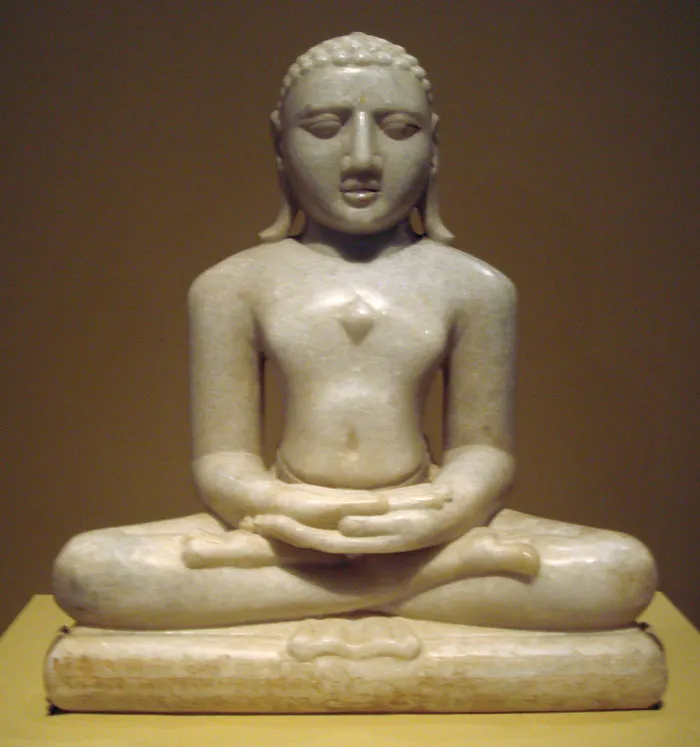
Rishabhanatha / Adinatha (First Tirthankara of Jainism)
(ऋषभनाथ / आदिनाथ)
The first Ford-Maker (Tirthankara) of the present cosmic time cycle and founder of the Ikshvaku dynasty, Rishabhanatha taught humanity agriculture, writing, statecraft, and arts before renouncing his empire to teach universal non-violence (Ahimsa).
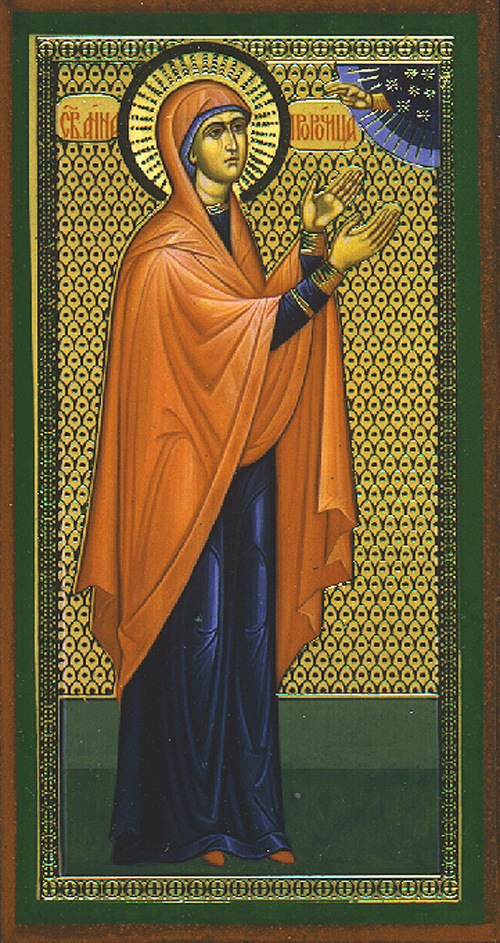
Anna the Prophetess (Daughter of Phanuel)
 (חַנָּה בַּת־פְּנוּאֵל / Ἄννα)
An octogenarian prophetess from the northern tribe of Asher, Anna spent decades in continuous temple prayer and fasting, immediately recognizing the Messiah at His Presentation and proclaiming redemption to all waiting in Jerusalem.