Public Figures & Cultural Luminaries
Filterable archive covering centuries of intellectual, artistic, and moral contributions to the human story.
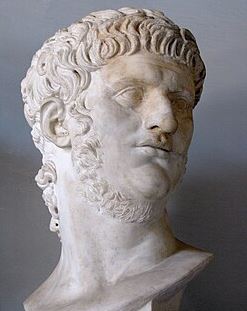
Marcus Ulpius Traianus (Trajan / Optimus Princeps)
 (Imperator Caesar Nerva Traianus Augustus)
Second of the "Five Good Emperors" and declared by the Roman Senate as Optimus Princeps (The Best Ruler). Conquered Dacia and Parthia, expanding the Roman Empire to its greatest territorial extent in history.
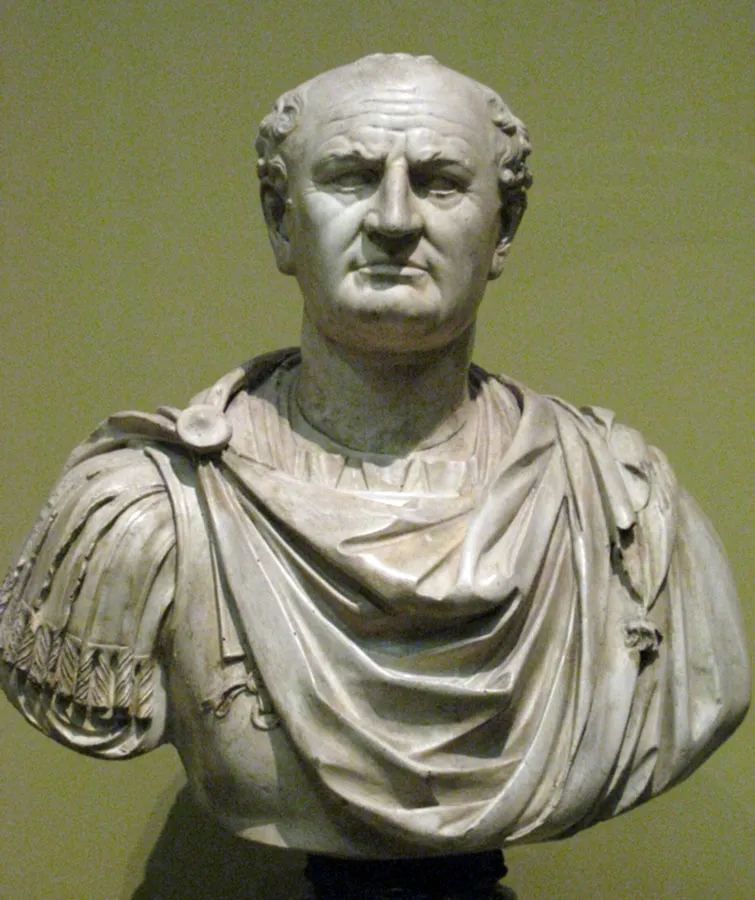
Vespasian
 (Titus Flavius Caesar Vespasianus Augustus)
Roman emperor who emerged victorious from the Year of the Four Emperors, founded the Flavian Dynasty, and commissioned the Colosseum.
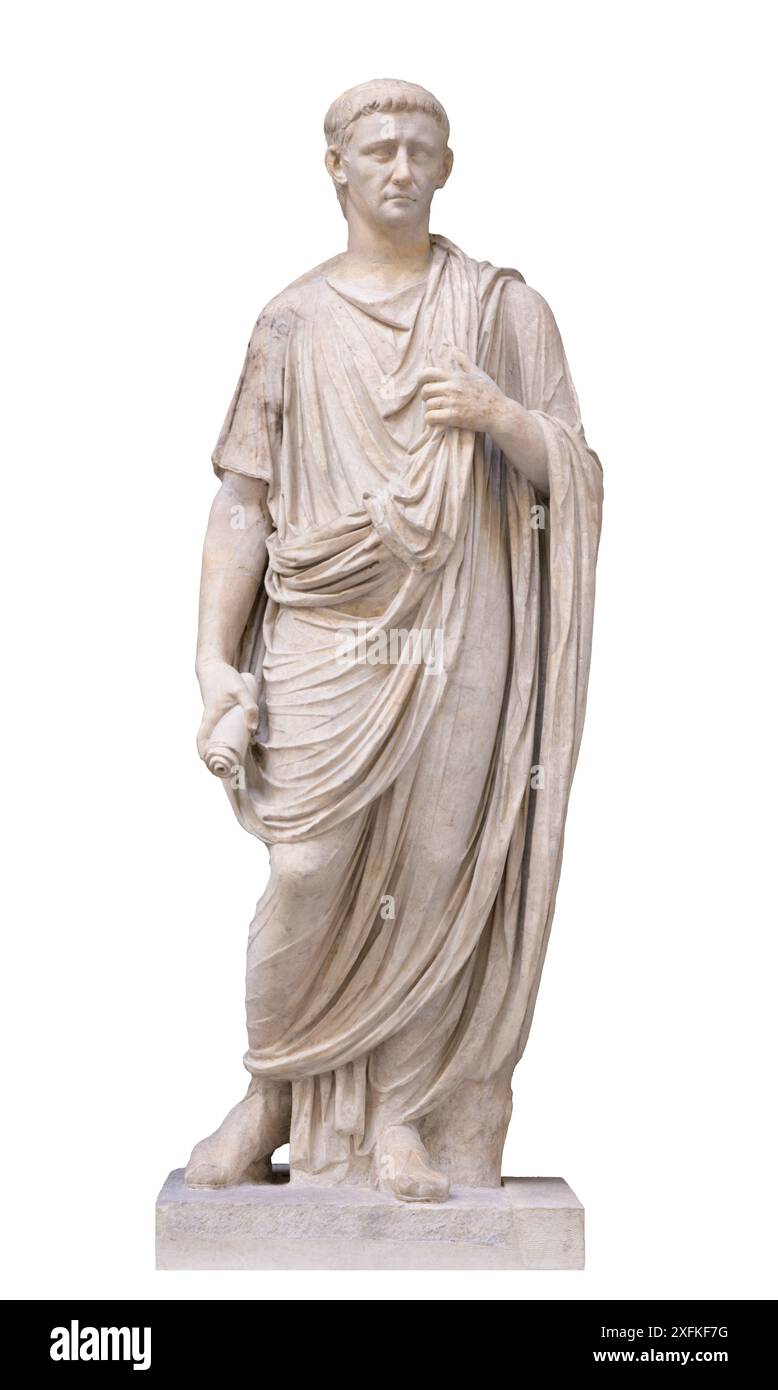
Claudius (Tiberius Claudius Caesar Augustus Germanicus)
 (Tiberius Claudius Caesar Augustus Germanicus)
Roman Emperor of the Julio-Claudian Dynasty who conquered Britain and established a professional imperial civil service.
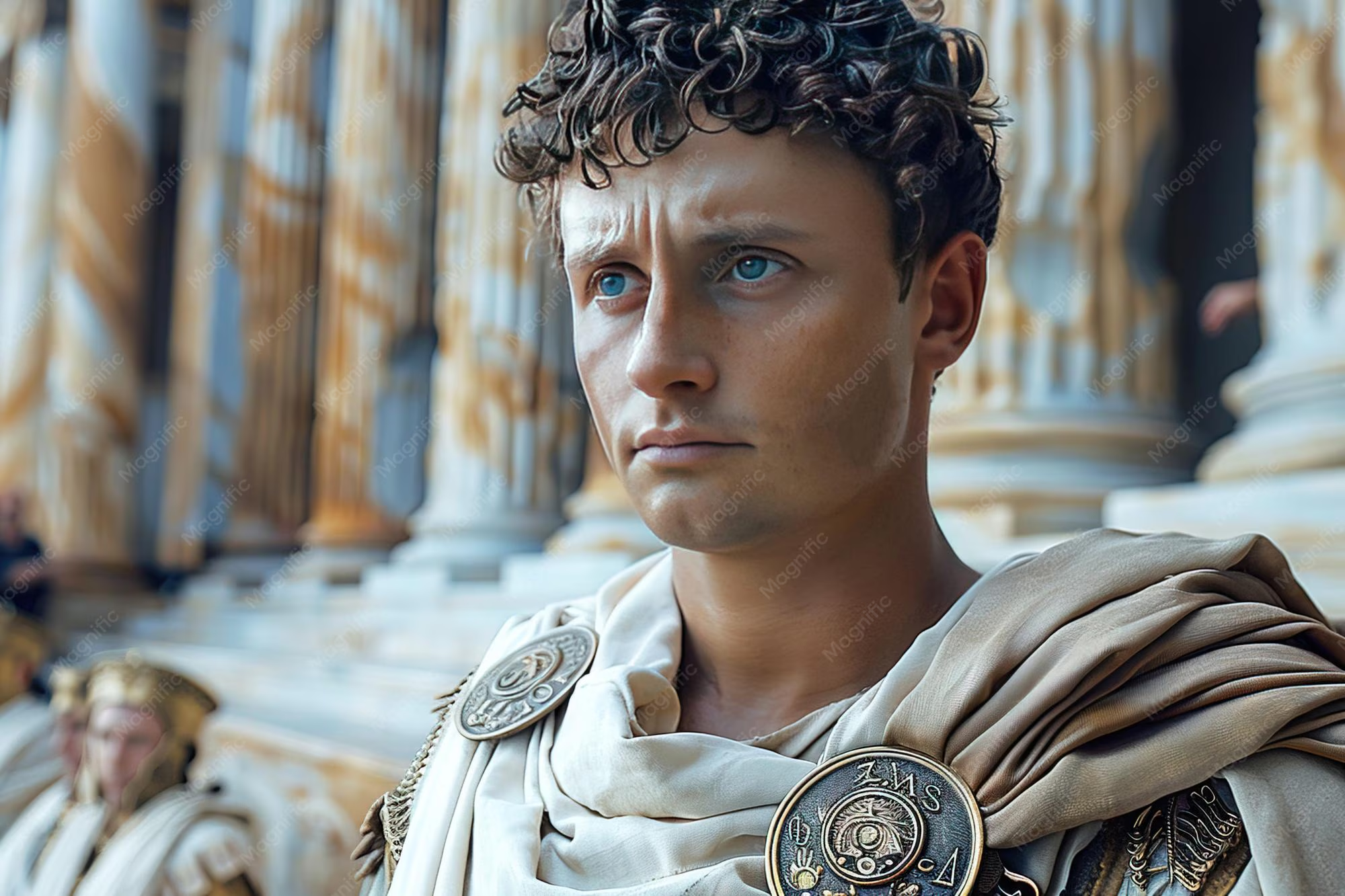
Augustus (Gaius Octavius / Caesar Augustus)
(Imperator Caesar Divi Filius Augustus)
First Emperor of the Roman Empire who ended decades of civil war and established the two-century era of the Pax Romana.
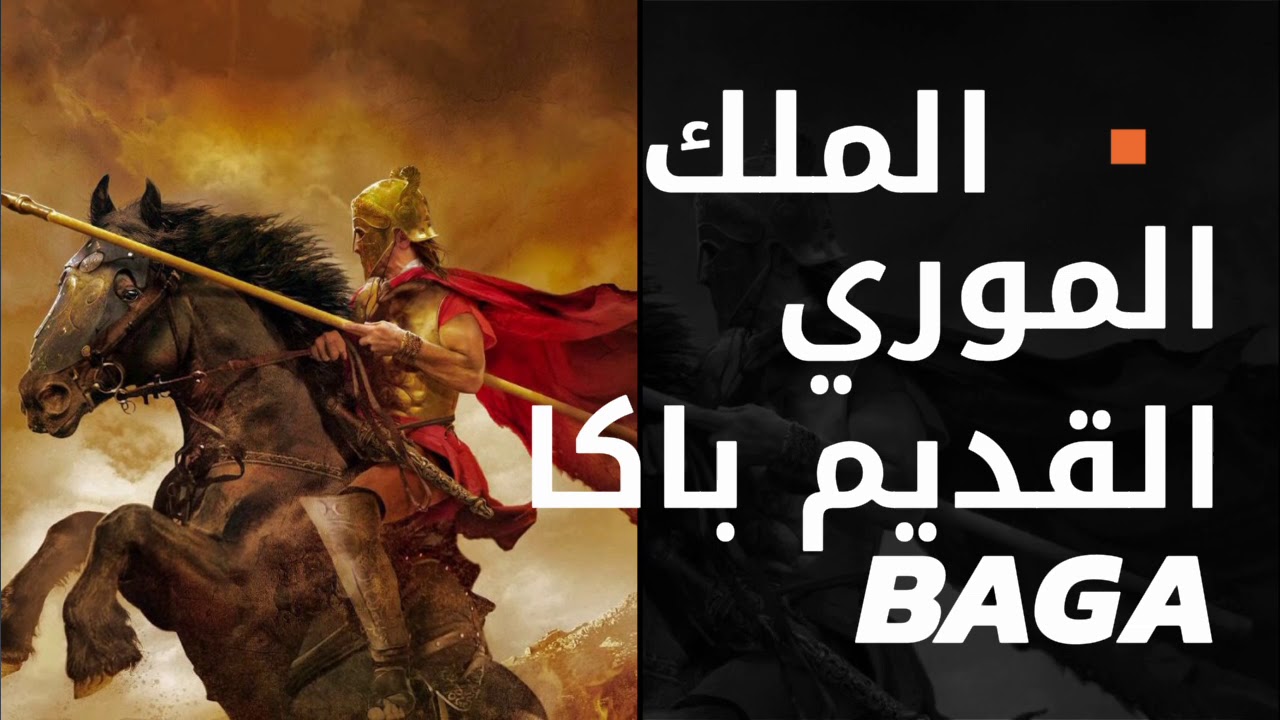
King Baga of Mauretania
 (ⴱⴰⴳⴰ ⴰⴳⵍⵍⵉⴷ)
Early King of Mauretania who provided young Masinissa with an escort of 4,000 elite horsemen to fight his way back into Numidia to claim his throne.
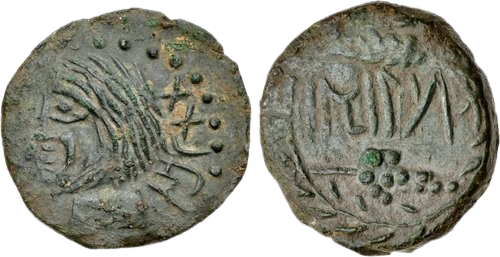
King Massinissa II of Western Numidia
(ⵎⴰⵙⵉⵏⵉⵙⴰ ⵡⵉⵙ ⵙⵉⵏ)
King of Western Numidia based at Siga, who allied with King Juba I and the Pompeians to defend Berber sovereignty against Julius Caesar.
Prince Adherbal of Numidia
(ⴰⴷⵉⵔⴱⴰⵍ)
King of Eastern Numidia and eldest son of Micipsa, whose tragic stand during the Siege of Cirta precipitated the historic Jugurthine War.
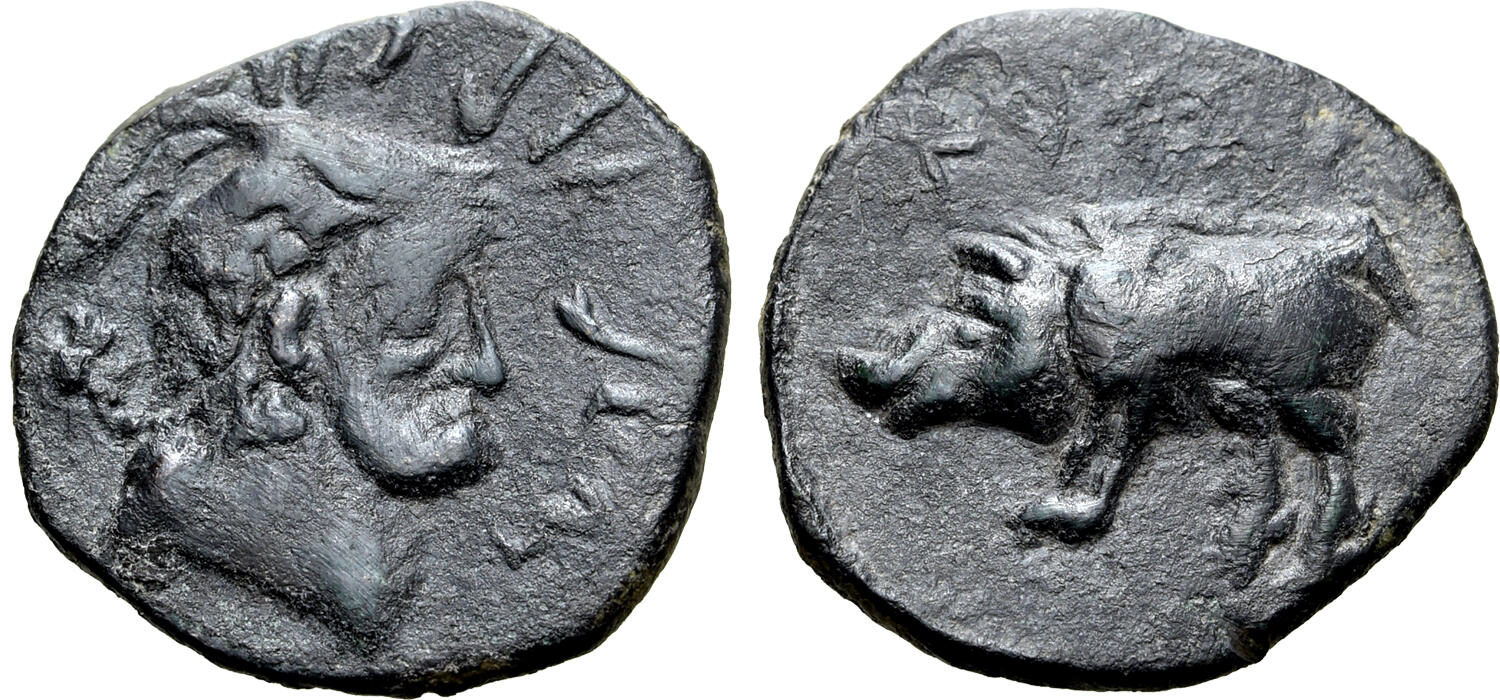
King Arabio of Numidia
(ⵄⴰⵔⴰⴱⵢⵓ)
The last independent King of Numidia, who raised a liberation army in Hispania to reclaim his ancestral throne and drive Roman adventurers from Cirta.
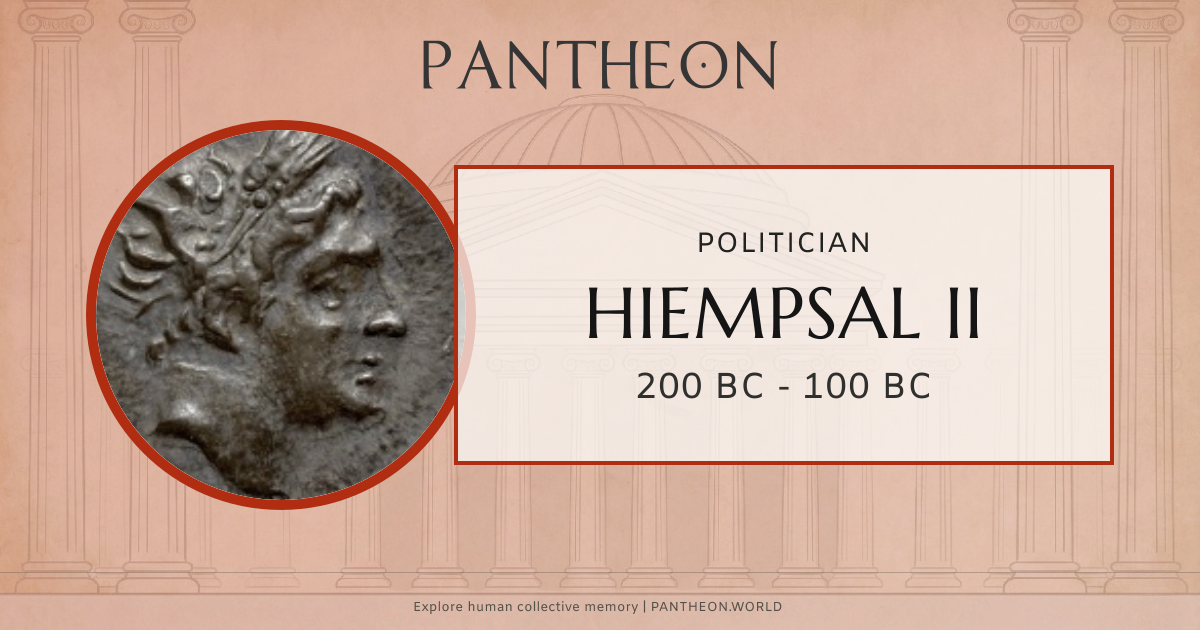
King Hiempsal II of Numidia
(ⵢⵉⵎⵙⴰⵍ ⵡⵉⵙ ⵙⵉⵏ)
King of Numidia, scholar-historian, and author of books in the Punic and Numidian languages consulted by Roman historian Sallust.
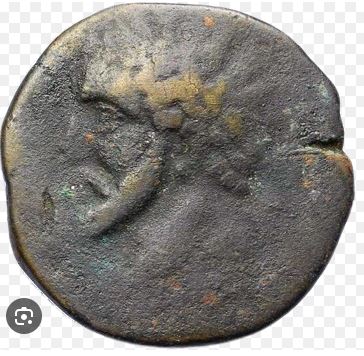
King Gauda of Numidia
(ⴳⴰⵡⴷⴰ)
King of Numidia following the Jugurthine War, grandson of Masinissa and father of King Hiempsal II, who preserved Numidian dynastic continuity.
King Zelalsen of Numidia
(ⵣⵉⵍⴰⵍⵙⴰⵏ)
Ancient King of the Massylian Numidians, father of King Gaia and grandfather of King Masinissa, whose royal lineage is celebrated on the Thugga monument.
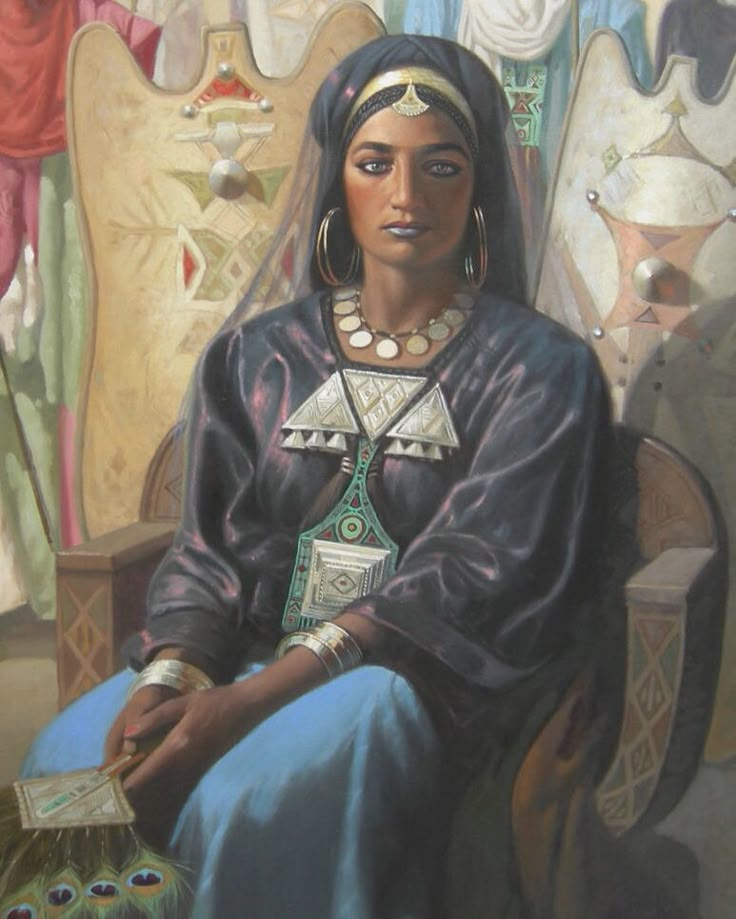
Queen Tin Hinan
(ⵜⵉⵏ ⵀⵉⵏⴰⵏ)
Legendary 4th-century queen and founding matriarch of the Kel Ahaggar Tuareg, whose monumental royal tomb at Abalessa yielded priceless silver and gold jewelry.
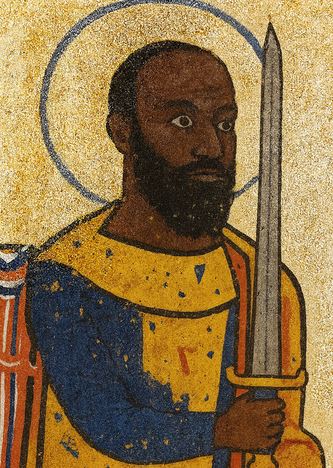
King Kyriakos of Makuria
 (Κυριακός)
Christian King of Makuria in northern Sudan who famously marched an army of 100,000 Nubian horsemen north to Fustat (Cairo) around 745 CE, compelling the Umayyad governor to release the imprisoned Patriarch of Alexandria.
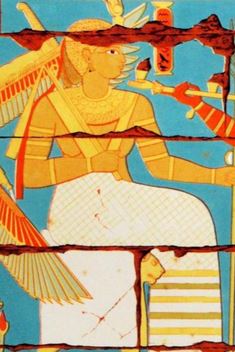
Queen Nawidemak
(Nawidemak)
1st-century BCE ruling Queen of Kush at Meroë, celebrated in archaeological temple reliefs for her independent female sovereignty, elaborate royal regalia, and patronage of sacred shrines.
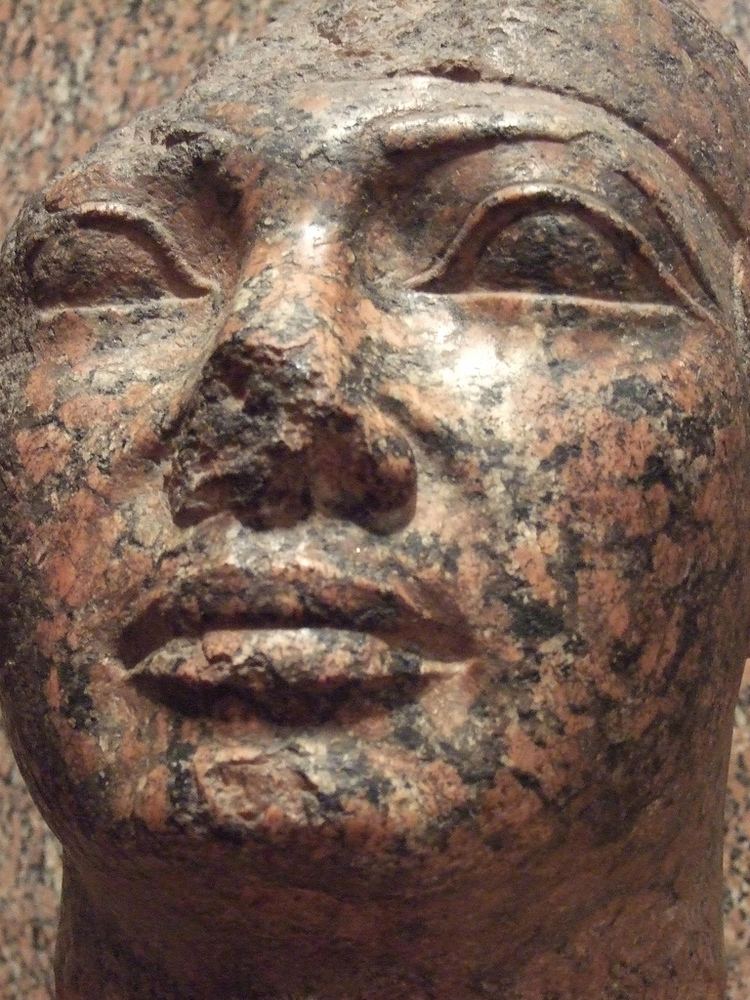
Shebitku
(𓊃𓃀𓏏𓎡)
Twenty-fifth Dynasty Nubian Pharaoh of Egypt and King of Kush who defied the Neo-Assyrian Empire, dispatching his young brother Taharqa with a Kushite army to defend Jerusalem and Judah in 701 BCE.
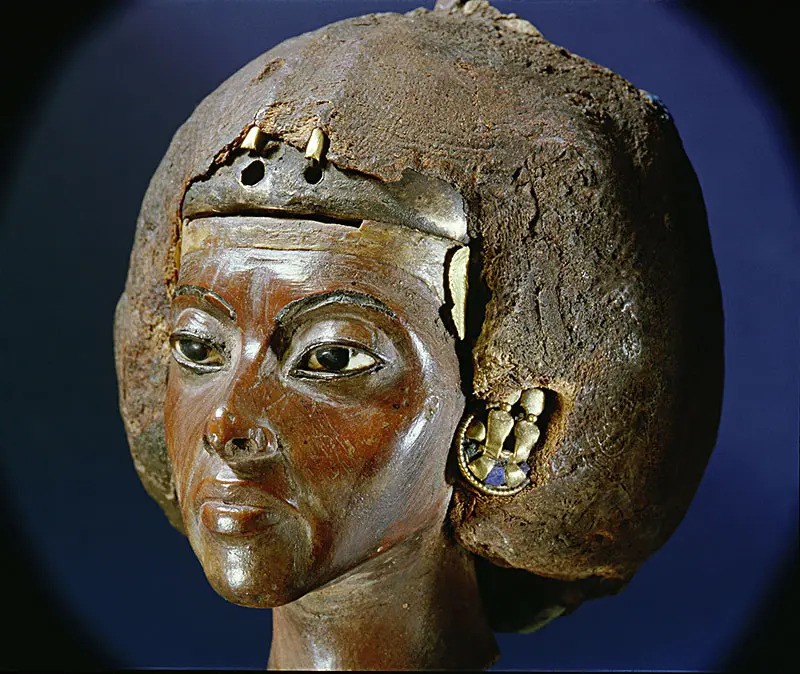
Queen Tiye
 (𓍘𓇋𓇋)
Powerful Eighteenth Dynasty Great Royal Wife of Amenhotep III, mother of Akhenaten and grandmother of Tutankhamun, renowned for her supreme diplomatic leadership documented in the Amarna Letters.
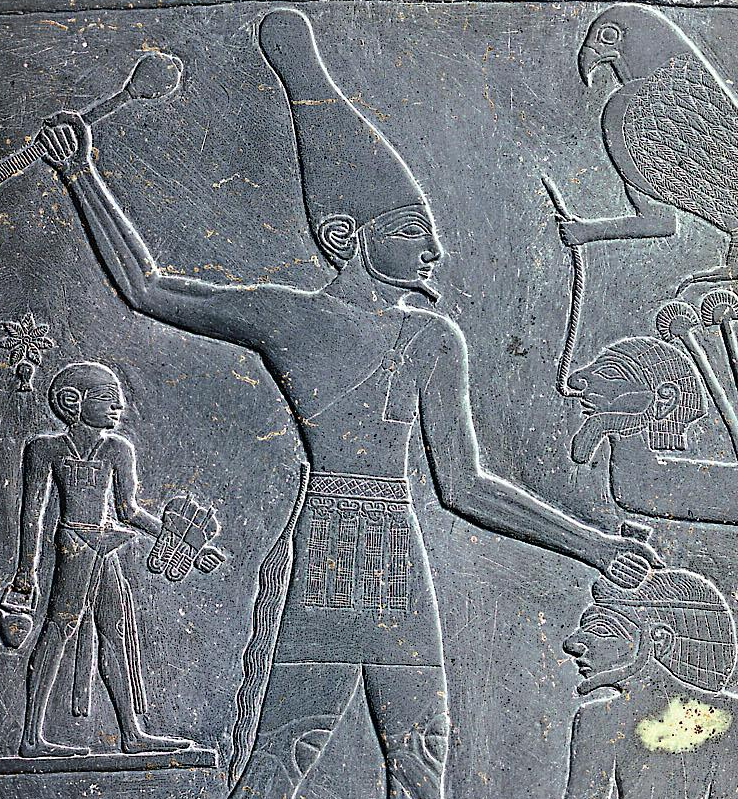
Narmer
(𓈖𓂝𓂋𓏠𓂋)
Founding Pharaoh of the First Dynasty who united Upper and Lower Egypt into the world's first centralized nation-state in 3100 BCE, immortalized on the iconic Narmer Palette in Cairo.
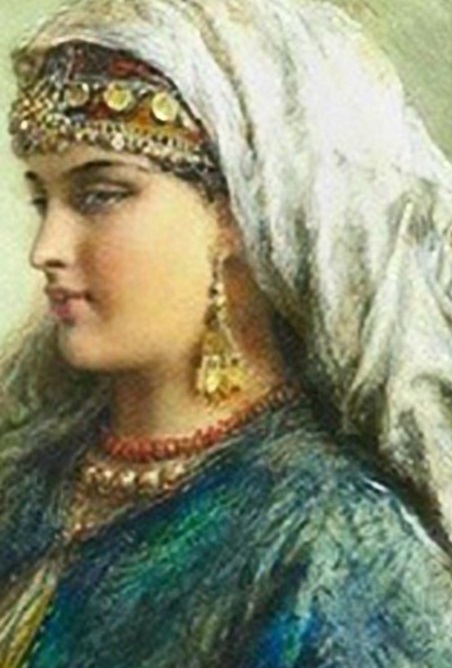
Zaynab an-Nafzawiyya
 (ⵣⴰⵢⵏⴰⴱ ⵜⴰⵏⴼⵣⴰⵡⵉⵜ)
Legendary Amazigh queen and political genius of the Almoravid Empire, celebrated as 'The Sorceress' for her intellect, wealth, and co-founding of Marrakesh with Yusuf ibn Tashfin.