 Roman Empire (Italy)
•
3 views
Roman Empire (Italy)
•
3 views
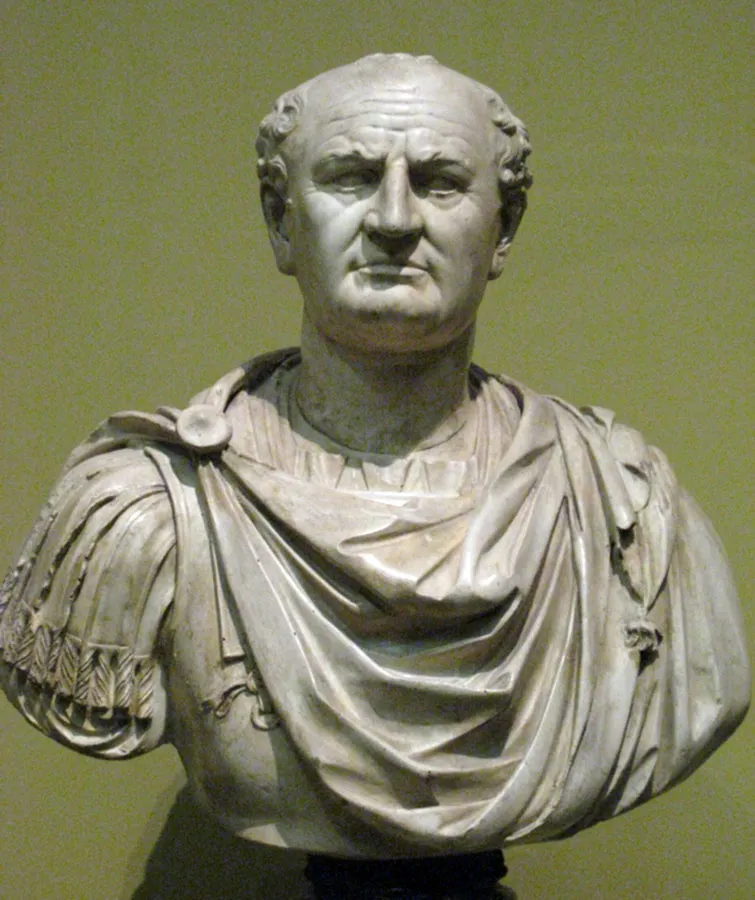
Vespasian

Falacrine, Sabine region, Roman Empire (Italy)
Archival Overview
Roman emperor who emerged victorious from the Year of the Four Emperors, founded the Flavian Dynasty, and commissioned the Colosseum.
Biographical Record
Titus Flavius Vespasianus was a practical, unpretentious soldier from the Sabine hill country who rescued Rome from bloody anarchy following Nero's suicide and the chaotic 'Year of the Four Emperors' (69 CE). Proclaimed emperor by the legions of Egypt, Syria, and the Danube, Vespasian founded the stable Flavian Dynasty, ruling with frugal administrative discipline, dry wit, and civic vision.
Vespasian restored Rome's bankrupt imperial finances, established public educational chairs, and rebuilt the Temple of Jupiter Optimus Maximus on the Capitoline. Dismantling Nero's megalomaniacal Golden House (Domus Aurea), Vespasian returned imperial land to the Roman public by commissioning the colossal Flavian Amphitheatre—celebrated worldwide as the Colosseum. When criticized for taxing public urinals, he famously held a gold coin to his son Titus's nose and asked if it smelled, coining the immortal financial proverb: Pecunia non olet ('Money does not stink'). Facing death on his feet, he quipped: 'An emperor ought to die standing.'
Key Life Milestones
Triumph in the Year of the Four Emperors
Commissioning of the Colosseum
Memorial Guestbook & Tributes
0 messages recordedLeave a Respectful Tribute
Final Resting Place
Perpetual MemorialRome, Italy