 Roman Republic (Italy)
•
3 views
Roman Republic (Italy)
•
3 views
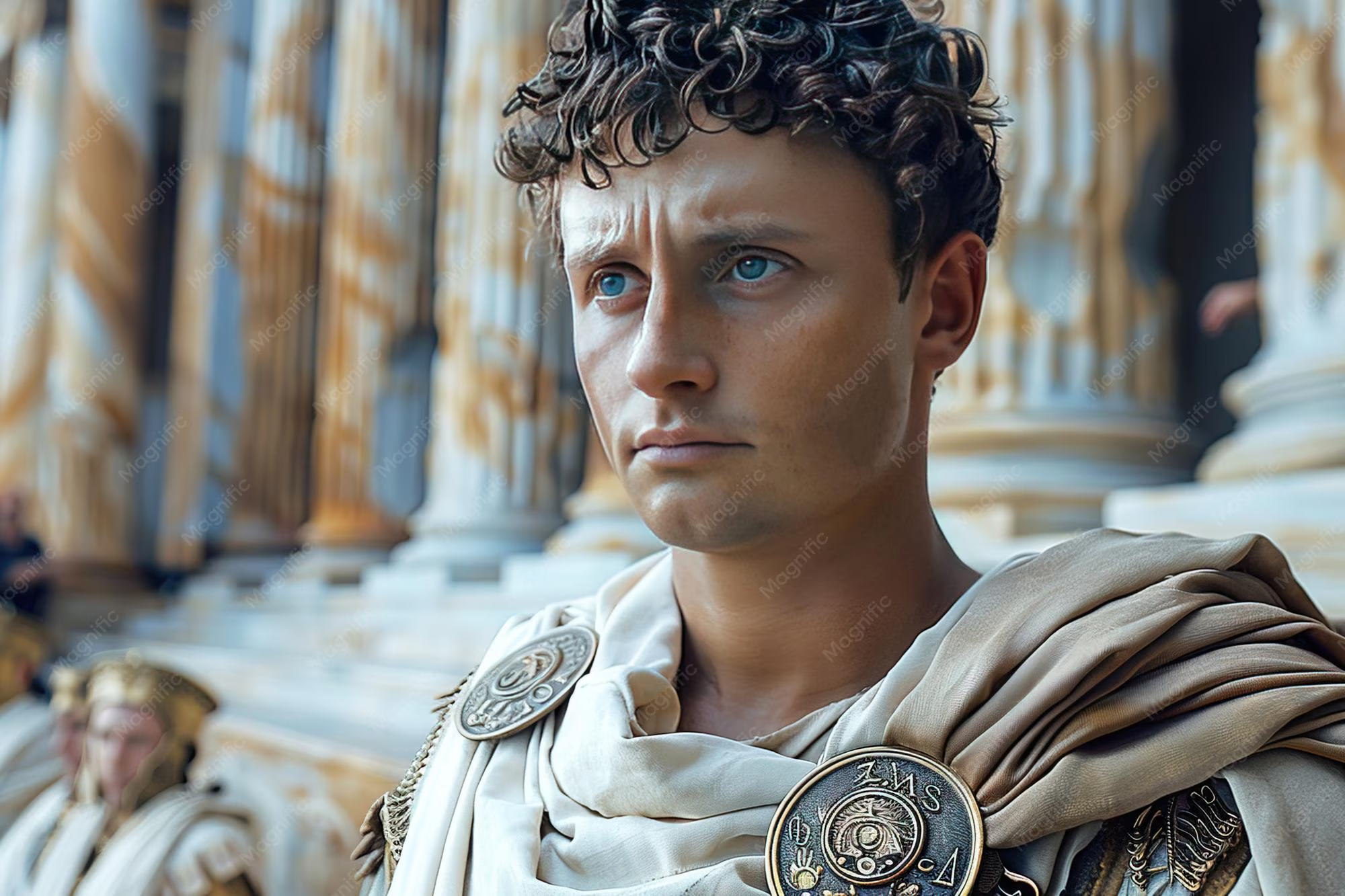
Augustus (Gaius Octavius / Caesar Augustus)

Rome, Roman Republic (Italy)
Archival Overview
First Emperor of the Roman Empire who ended decades of civil war and established the two-century era of the Pax Romana.
Biographical Record
Gaius Octavius, known to eternity as Augustus, was the master statesman of antiquity who transformed the dying, blood-soaked Roman Republic into the enduring Roman Empire. Great-nephew and adopted heir of Julius Caesar, the eighteen-year-old Octavian formed the Second Triumvirate with Mark Antony and Lepidus to avenge Caesar's assassination, ultimately defeating Antony and Cleopatra at the naval Battle of Actium in 31 BCE to become sole master of the Mediterranean.
Refusing the hated title of king or dictator, Augustus cleverly preserved the outward facade of the Republic while centralizing supreme executive, legislative, and military power as Princeps ('First Citizen'). In 27 BCE, the Senate conferred upon him the sacred title Augustus ('the revered one'). Over his forty-year reign, he created the Praetorian Guard, established a standing army, reformed taxation, expanded borders across Europe and Egypt, and sponsored golden-age Roman literature through Virgil and Horace. He famously boasted on his deathbed: 'I found Rome a city of bricks, and left it a city of marble.'
Key Life Milestones
Decisive Triumph at Actium
Establishment of the Roman Principate
Memorial Guestbook & Tributes
0 messages recordedLeave a Respectful Tribute
Final Resting Place
Perpetual MemorialRome, Italy