Public Figures & Cultural Luminaries
Filterable archive covering centuries of intellectual, artistic, and moral contributions to the human story.
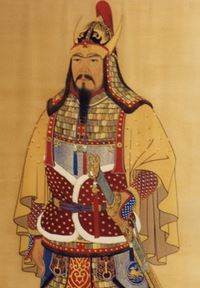
King Gwanggaeto the Great (광개토대왕 (고구려 광개토왕))
Nineteenth monarch of the ancient Korean kingdom of Goguryeo (391–413 CE) whose posthumous name means 'Broad Expander of Territory', who conquered sixty-four walled cities and 1,400 villages, transforming Goguryeo into a grand imperial power across Manchuria and the Korean Peninsula.
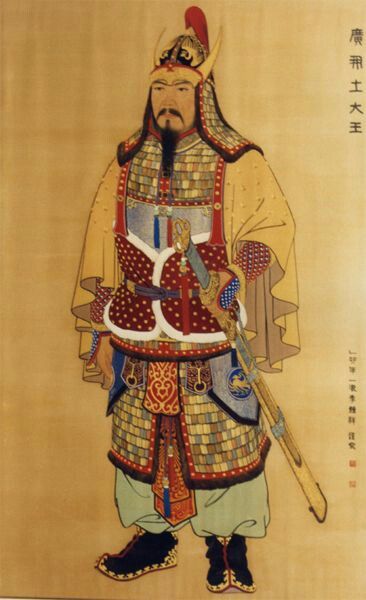
Gwanggaeto the Great of Goguryeo
 (광개토대왕 / 廣開土大王)
Nineteenth monarch of Goguryeo whose brilliant military campaigns forged a vast empire spanning Manchuria, northern Korea, and Maritime Siberia.
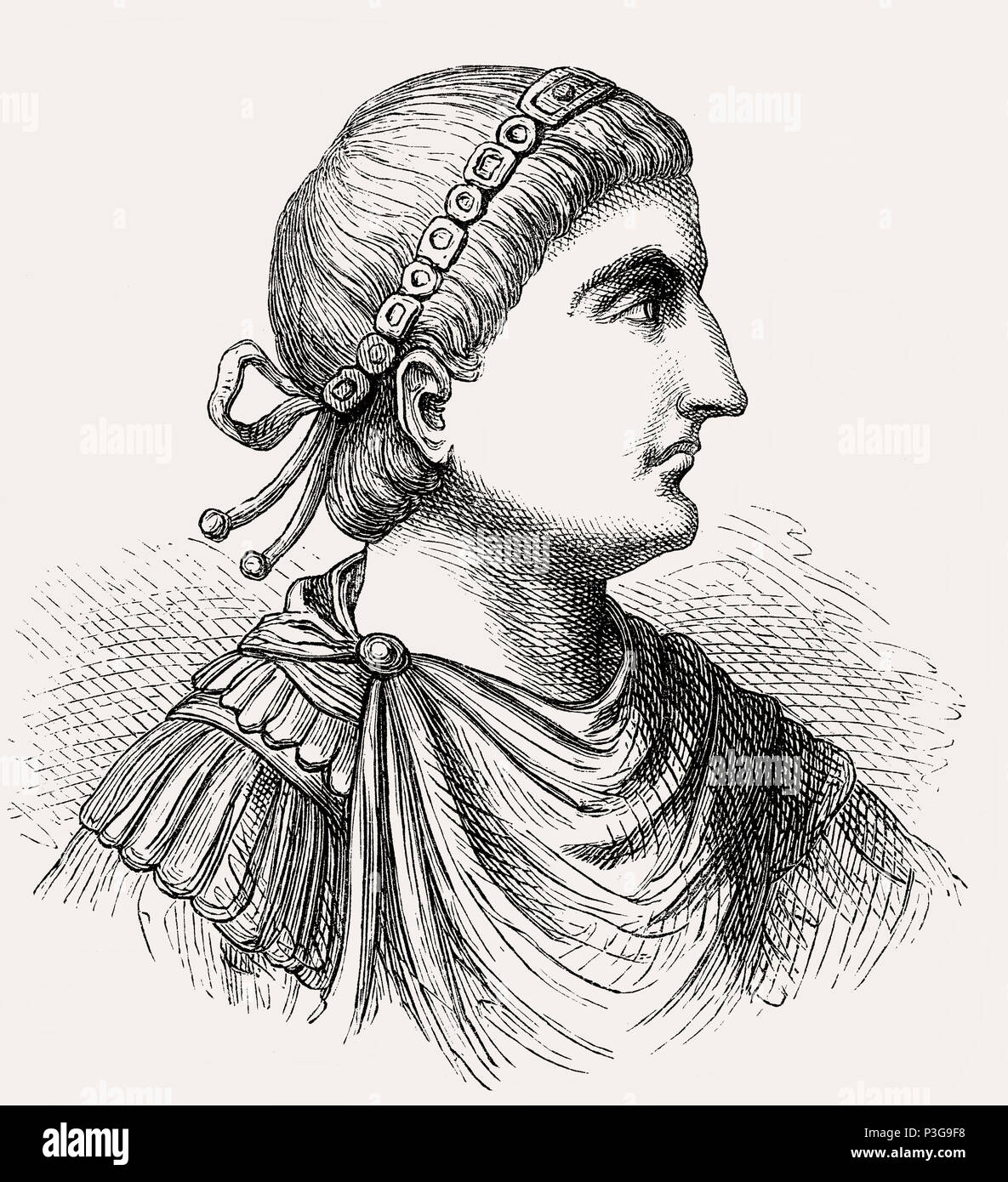
Theodosius I (Theodosius the Great)
 (Flavius Theodosius Augustus)
Last emperor to rule both the Eastern and Western halves of the Roman Empire, who established Nicene Christianity as state religion.
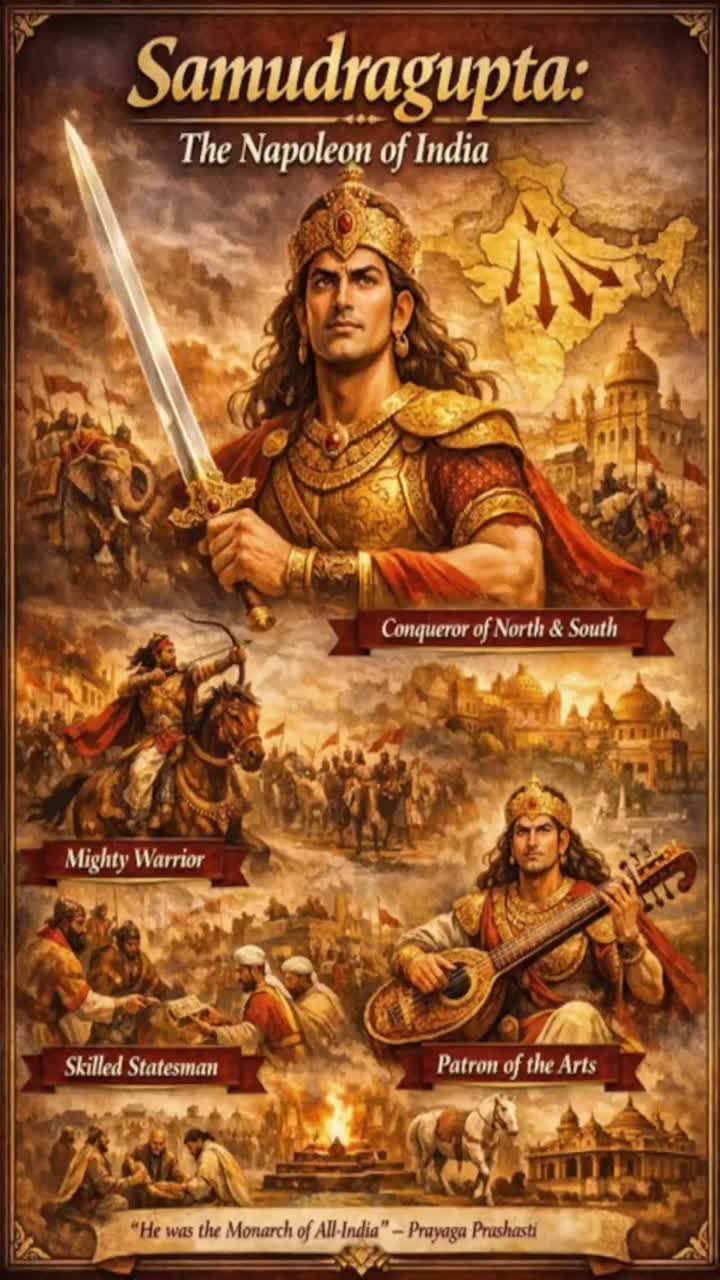
Samudragupta (Napoleon of India)
 (समुद्रगुप्त)
Greatest conqueror of the Gupta Empire whose undefeated military campaigns and patronage of arts and music ushered in India's Golden Age.
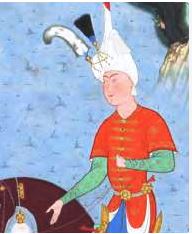
Shapur II (شاپور دوم (شاهپور ذوالأکتاف))
Tenth King of Kings of the Sasanian Empire (309–379 CE) whose reign spanned seventy years—having been crowned before birth—who defeated Roman Emperor Julian at the Battle of Samarra and expanded the Sasanian golden age from Mesopotamia to Central Asia.
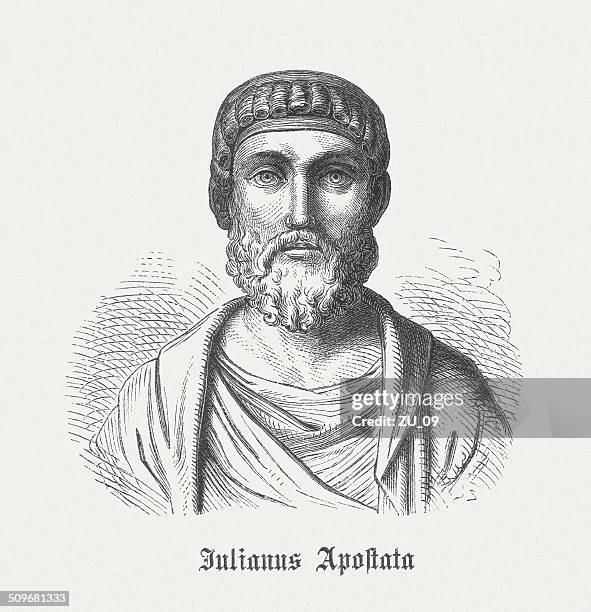
Julian (Julian the Apostate)
 (Flavius Claudius Julianus Augustus)
Roman Emperor, intellectual, and philosopher-general who was the last non-Christian ruler of the Roman Empire.
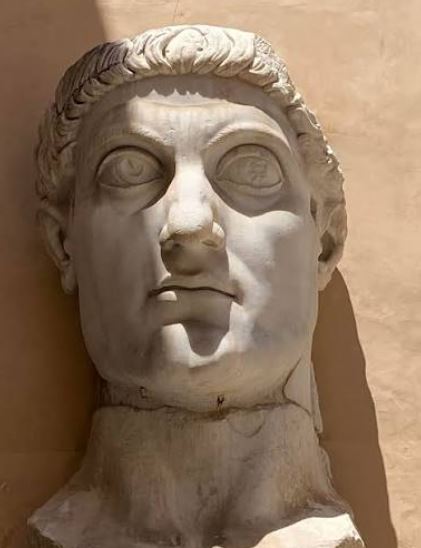
Flavius Valerius Constantinus (Constantine the Great)
 (Flavius Valerius Constantinus)
Transformative Roman Emperor who legalized Christianity with the Edict of Milan (313 CE), convened the Council of Nicaea (325 CE), and relocated the capital of the Roman Empire to New Rome (Constantinople).
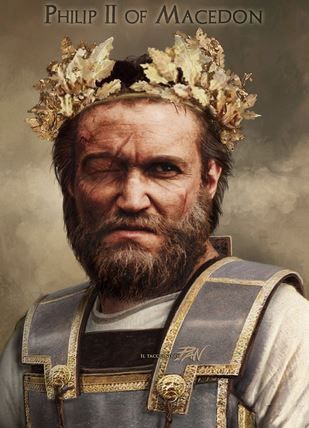
Philip II of Macedon (Father of Alexander)
 (Φίλιππος Β΄ ὁ Μακεδών)
Visionary King of Macedon and father of Alexander the Great. Revolutionized Greek warfare by inventing the sarissa-armed Macedonian phalanx and united the fragmented Greek city-states under the League of Corinth.
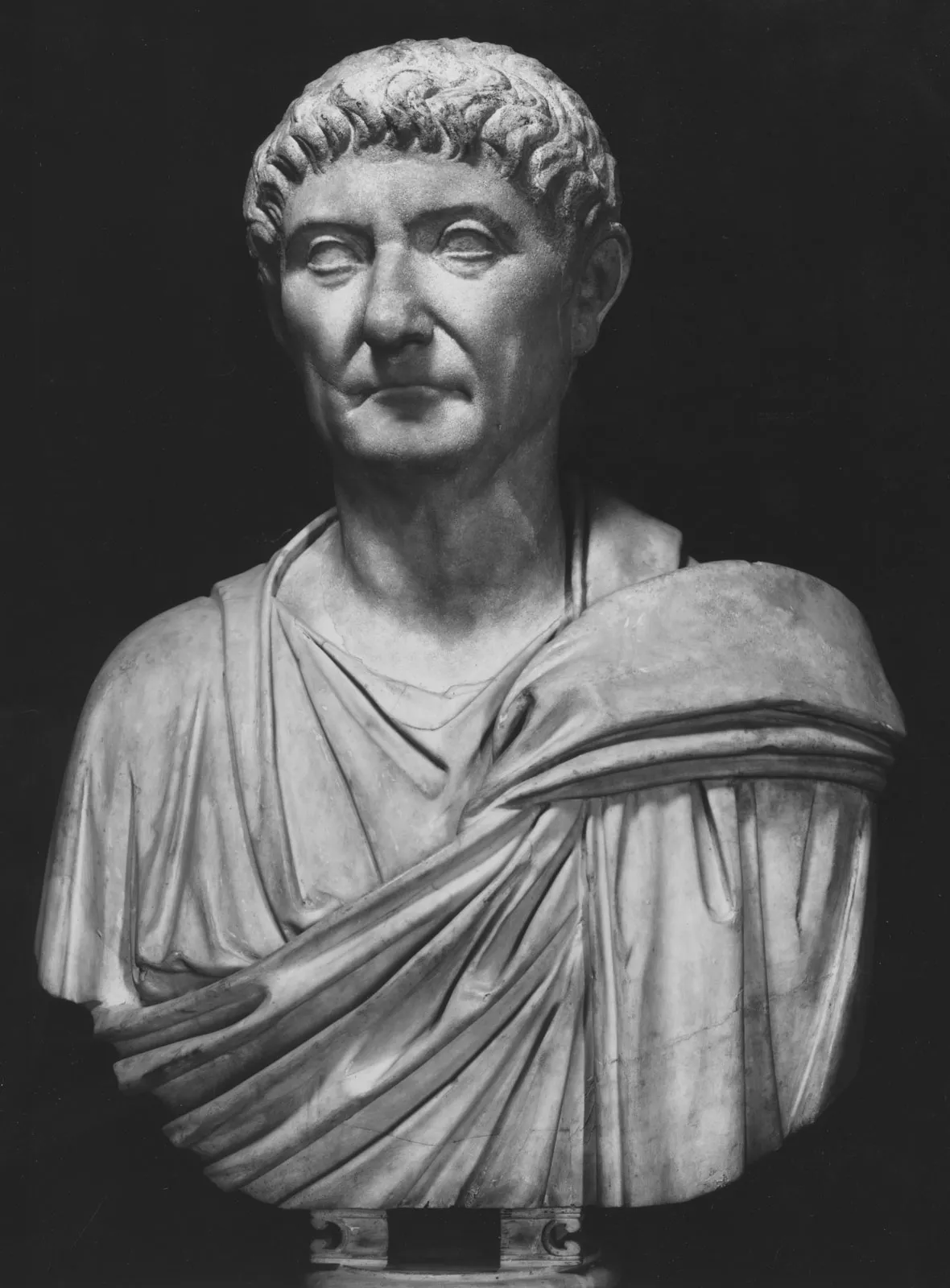
Diocletian
 (Gaius Aurelius Valerius Diocletianus)
Roman emperor who ended the Crisis of the Third Century, instituted the Tetrarchy, and was the only Roman emperor to voluntarily abdicate.
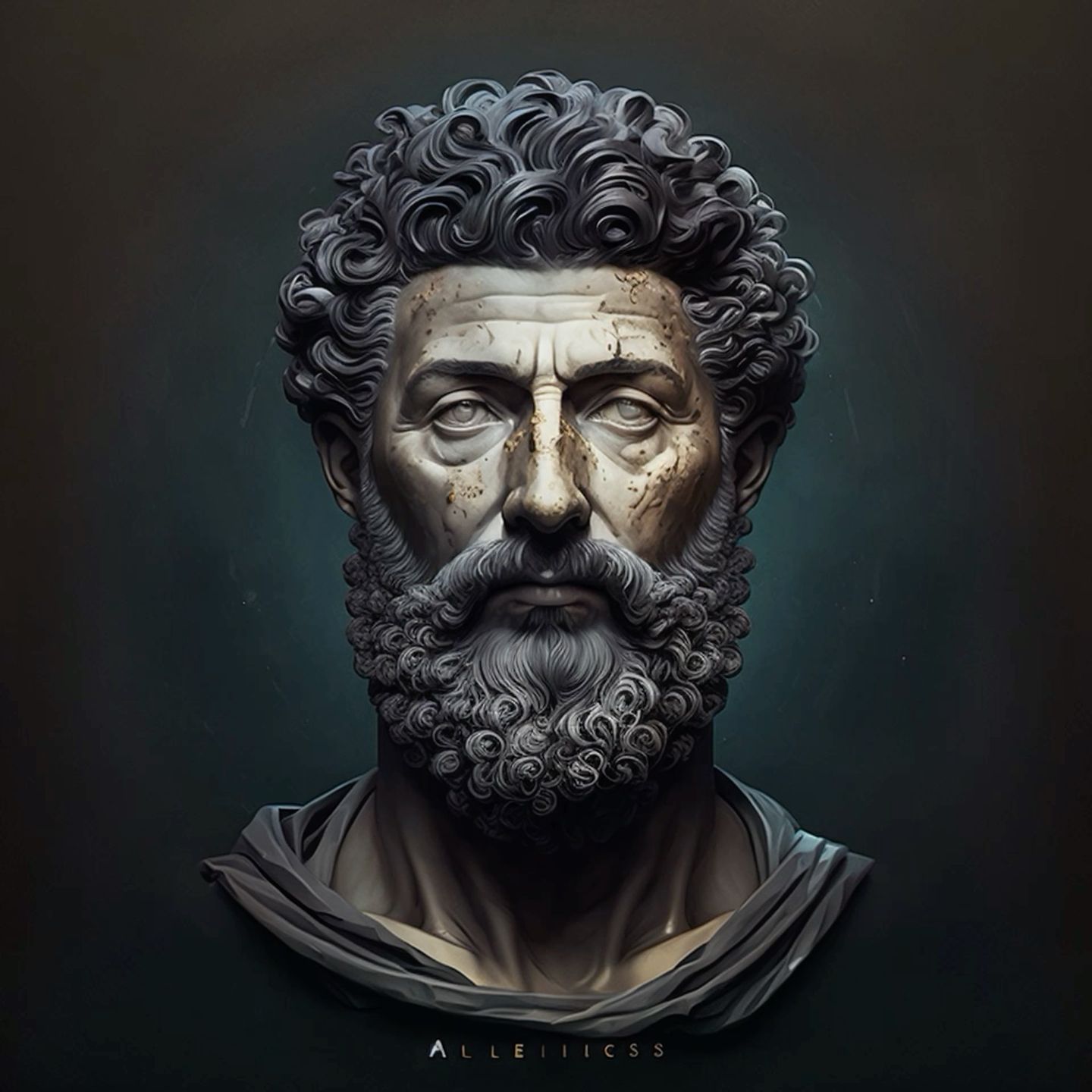
Marcus Aurelius
 (Marcus Aurelius Antoninus Augustus)
Last of the 'Five Good Emperors' of Rome, Stoic philosopher whose private journals Meditations remain a literary monument of duty and virtue.
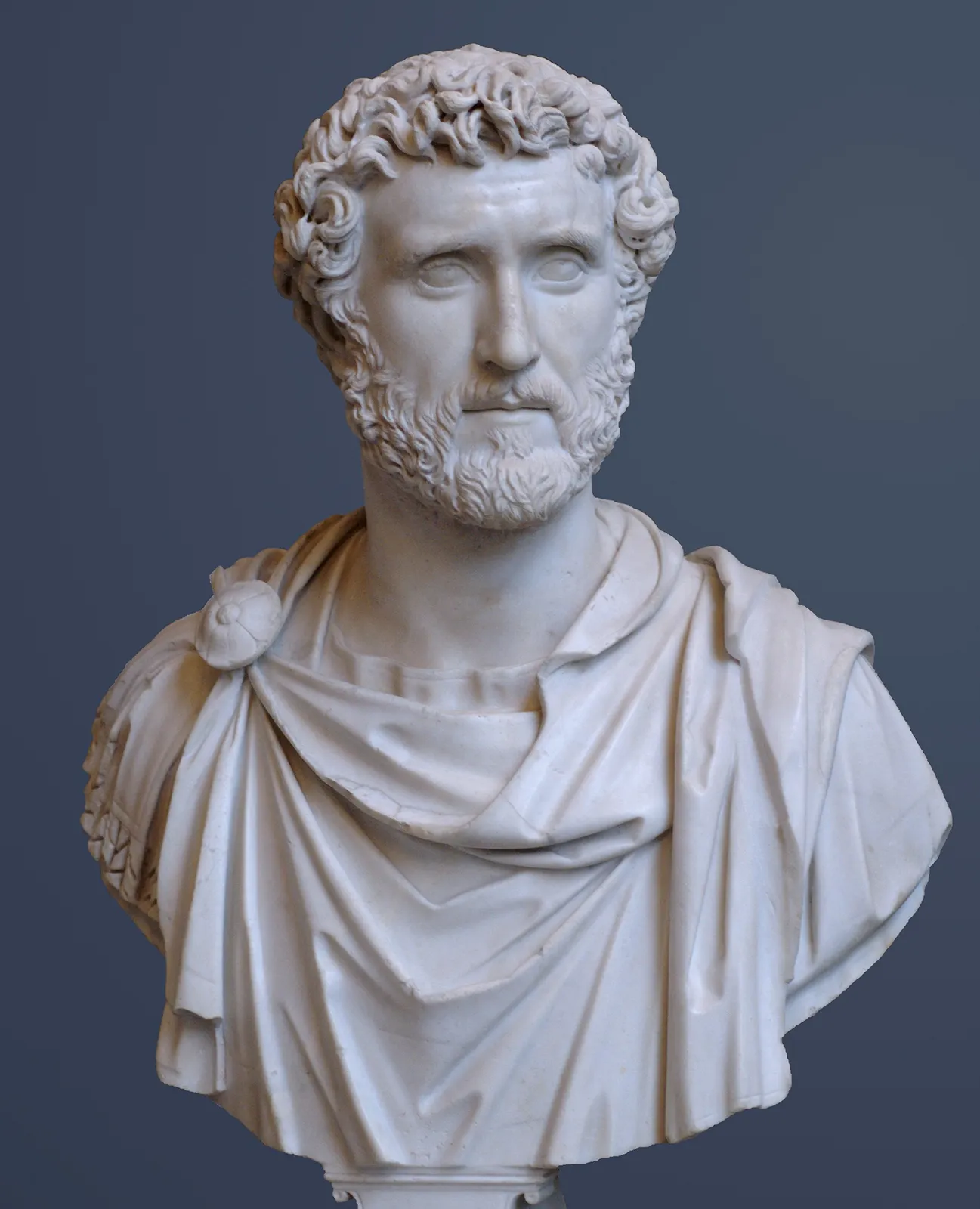
Antoninus Pius
(Titus Aelius Hadrianus Antoninus Augustus Pius)
Roman Emperor of the Antonine Dynasty whose 23-year reign was the most peaceful in the entire history of the Roman Empire.
Publius Aelius Hadrianus (Emperor Hadrian)
(Imperator Caesar Traianus Hadrianus Augustus)
Third of the "Five Good Emperors" celebrated as the empire's supreme traveler, architect, and lover of Greek culture. Built Hadrian's Wall across northern Britain, reconstructed the Pantheon in Rome, and fortified imperial frontiers.
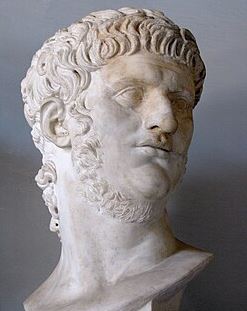
Marcus Ulpius Traianus (Trajan / Optimus Princeps)
(Imperator Caesar Nerva Traianus Augustus)
Second of the "Five Good Emperors" and declared by the Roman Senate as Optimus Princeps (The Best Ruler). Conquered Dacia and Parthia, expanding the Roman Empire to its greatest territorial extent in history.
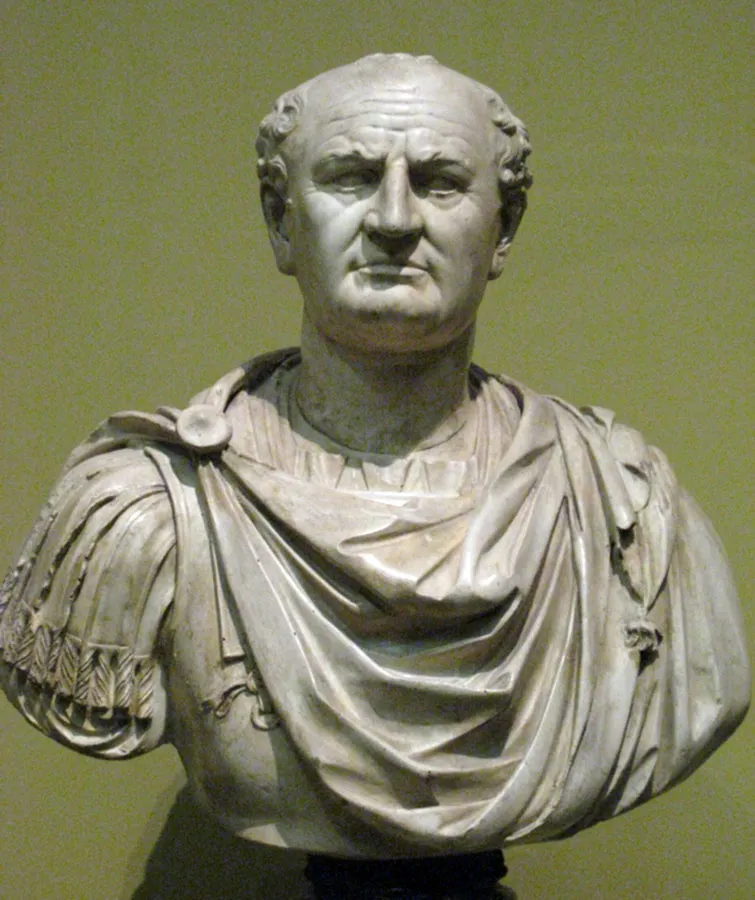
Vespasian
(Titus Flavius Caesar Vespasianus Augustus)
Roman emperor who emerged victorious from the Year of the Four Emperors, founded the Flavian Dynasty, and commissioned the Colosseum.
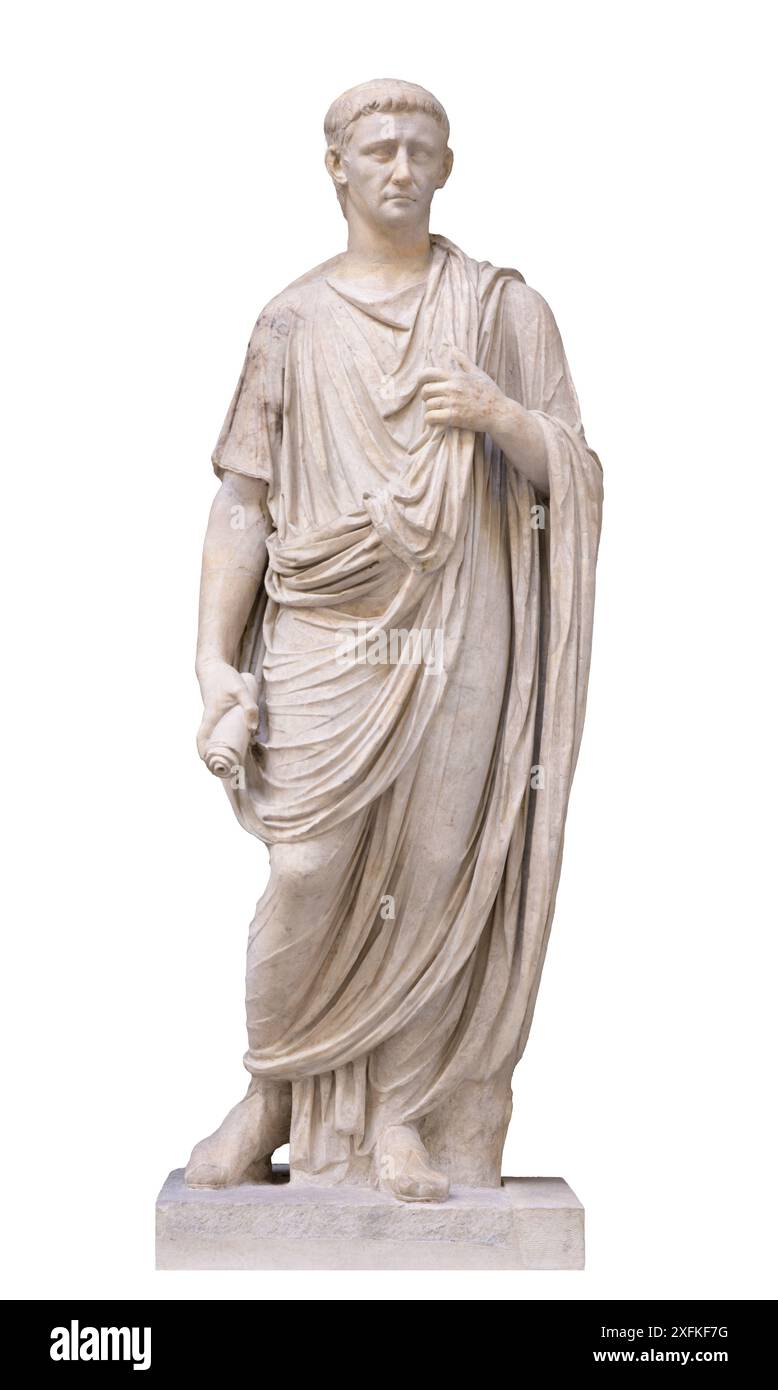
Claudius (Tiberius Claudius Caesar Augustus Germanicus)
 (Tiberius Claudius Caesar Augustus Germanicus)
Roman Emperor of the Julio-Claudian Dynasty who conquered Britain and established a professional imperial civil service.
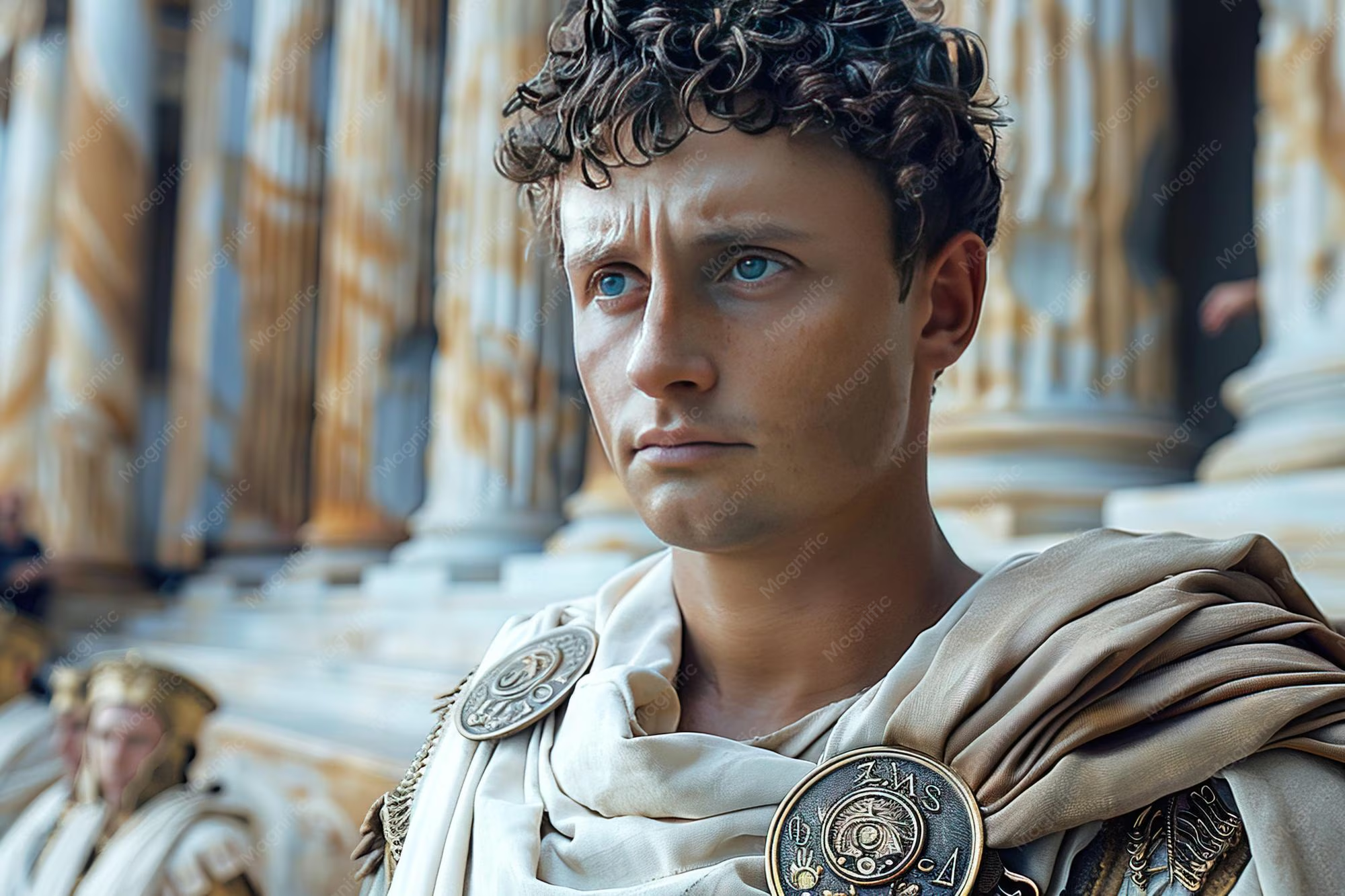
Augustus (Gaius Octavius / Caesar Augustus)
(Imperator Caesar Divi Filius Augustus)
First Emperor of the Roman Empire who ended decades of civil war and established the two-century era of the Pax Romana.
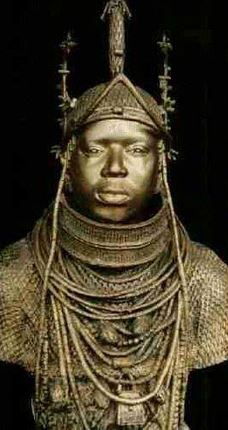
Oba Esigie (Ọba Ẹsigie)
Visionary Oba of Benin (reigned c. 1504–1550) who triumphed in the Idah War, instituted the prestigious office of Queen Mother (Iyoba) for his mother Idia, and presided over the Golden Age of Benin bronze and brass casting.
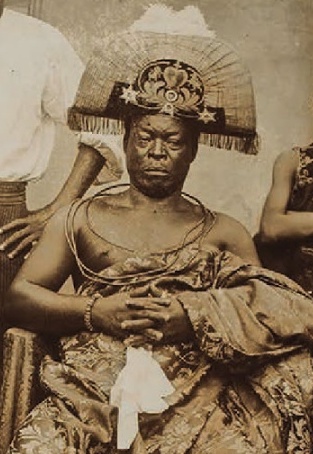
Oba Ozolua
 (Ọba Ozolua n'Ibaromi)
Fearsome warrior Oba of the Kingdom of Benin (reigned c. 1481–1504), known as 'Ozolua the Conqueror', who fought over two hundred campaigns, expanded Benin's borders, and initiated early diplomatic contact with Portuguese explorers.