Public Figures & Cultural Luminaries
Filterable archive covering centuries of intellectual, artistic, and moral contributions to the human story.
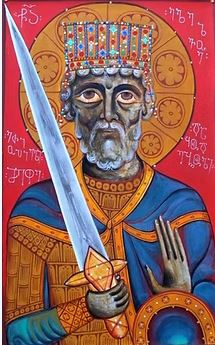
Kaleb of Axum (ካሌብ (Elesbaan))
Emperor of Aksum (reigned c. 514–542 CE), venerated as Saint Elesbaan, who launched a massive naval expedition across the Red Sea in 525 CE to liberate Himyarite Christians in Yemen, before voluntarily abdicating his throne to live as a hermit monk.
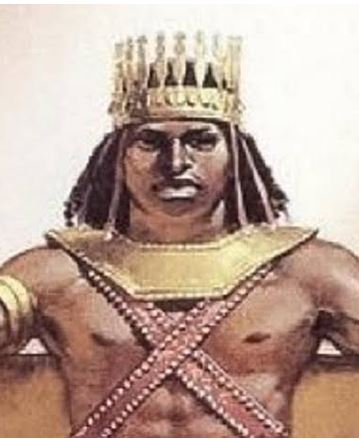
Ezana of Axum (ዔዛና (ʿĒzānā))
Fourth-century Emperor of the Kingdom of Aksum who adopted Christianity as the official state religion, minted the first coins in Africa bearing the Christian cross, and expanded Aksumite authority across the Horn of Africa and southern Arabia.
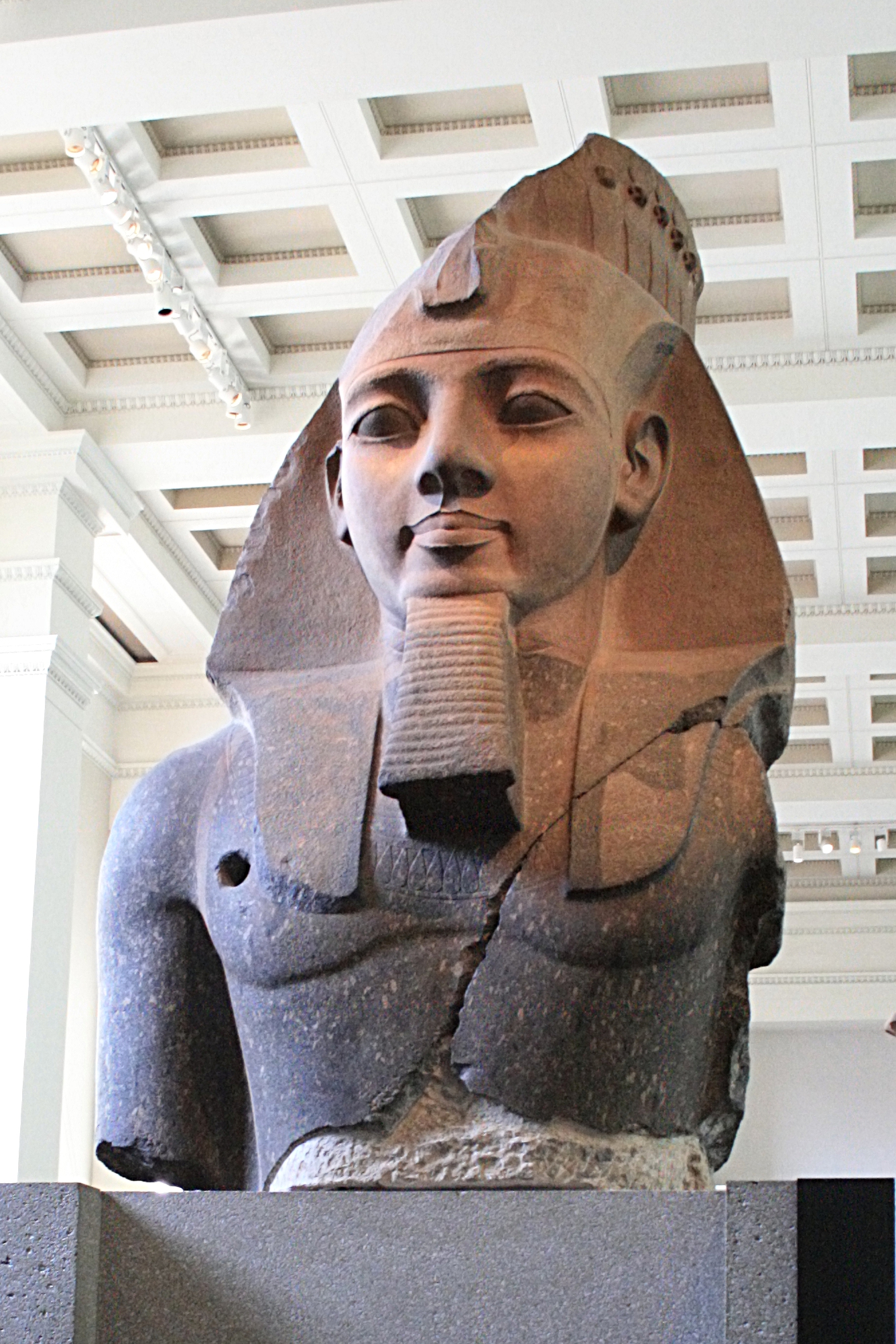
Ramesses II
 (رمسيس الثاني (رمسيس الأكبر))
Third Pharaoh of the Nineteenth Dynasty, celebrated as 'Ramesses the Great', who ruled for sixty-six years, fought the Hittites at Kadesh, signed the world's first recorded peace treaty, and constructed Abu Simbel.
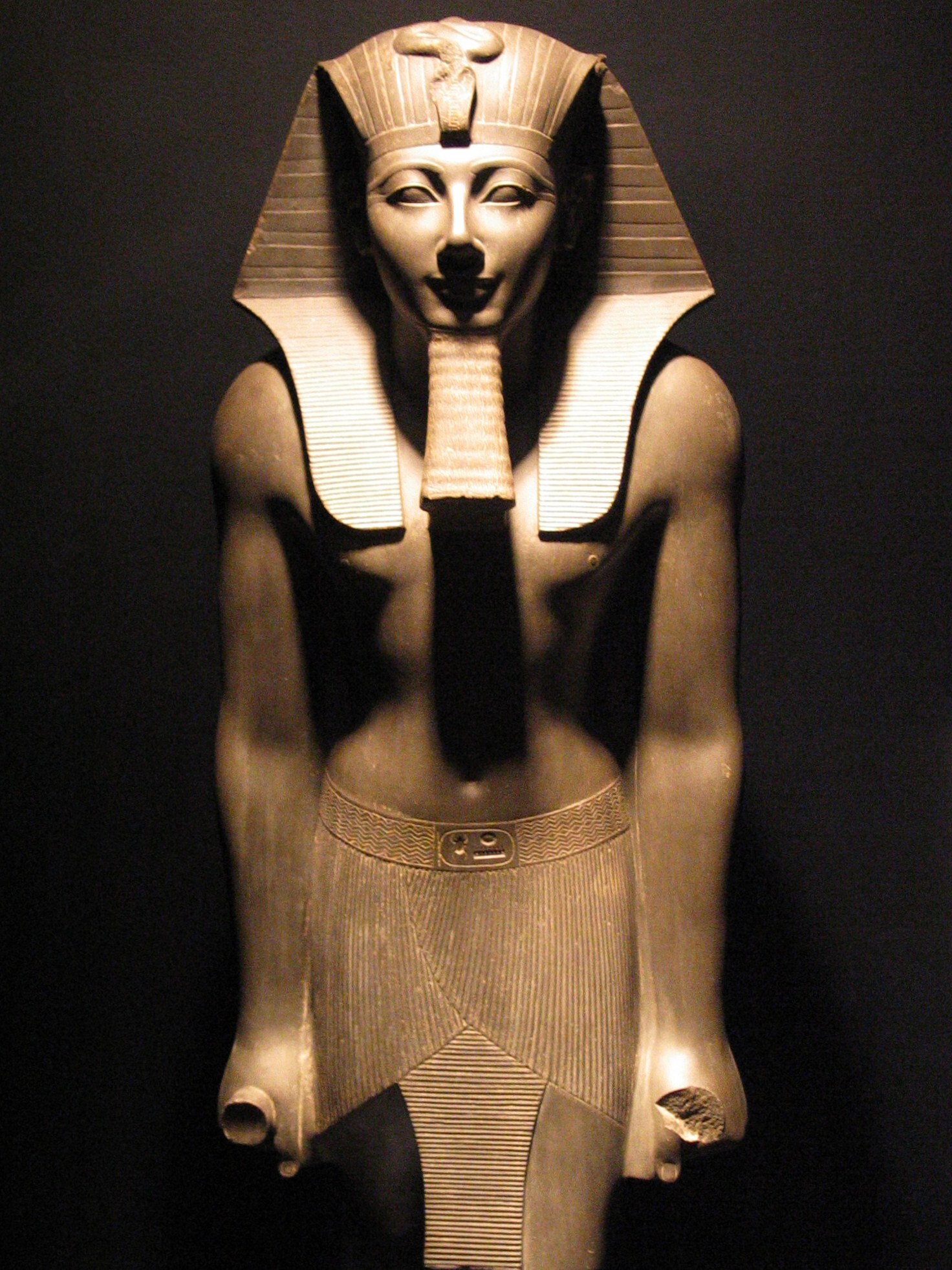
Thutmose III
(تحتمس الثالث)
Sixth Pharaoh of the Eighteenth Dynasty, acclaimed by modern historians as the 'Napoleon of Egypt', who conducted seventeen victorious military campaigns and built the largest empire in Egyptian history.
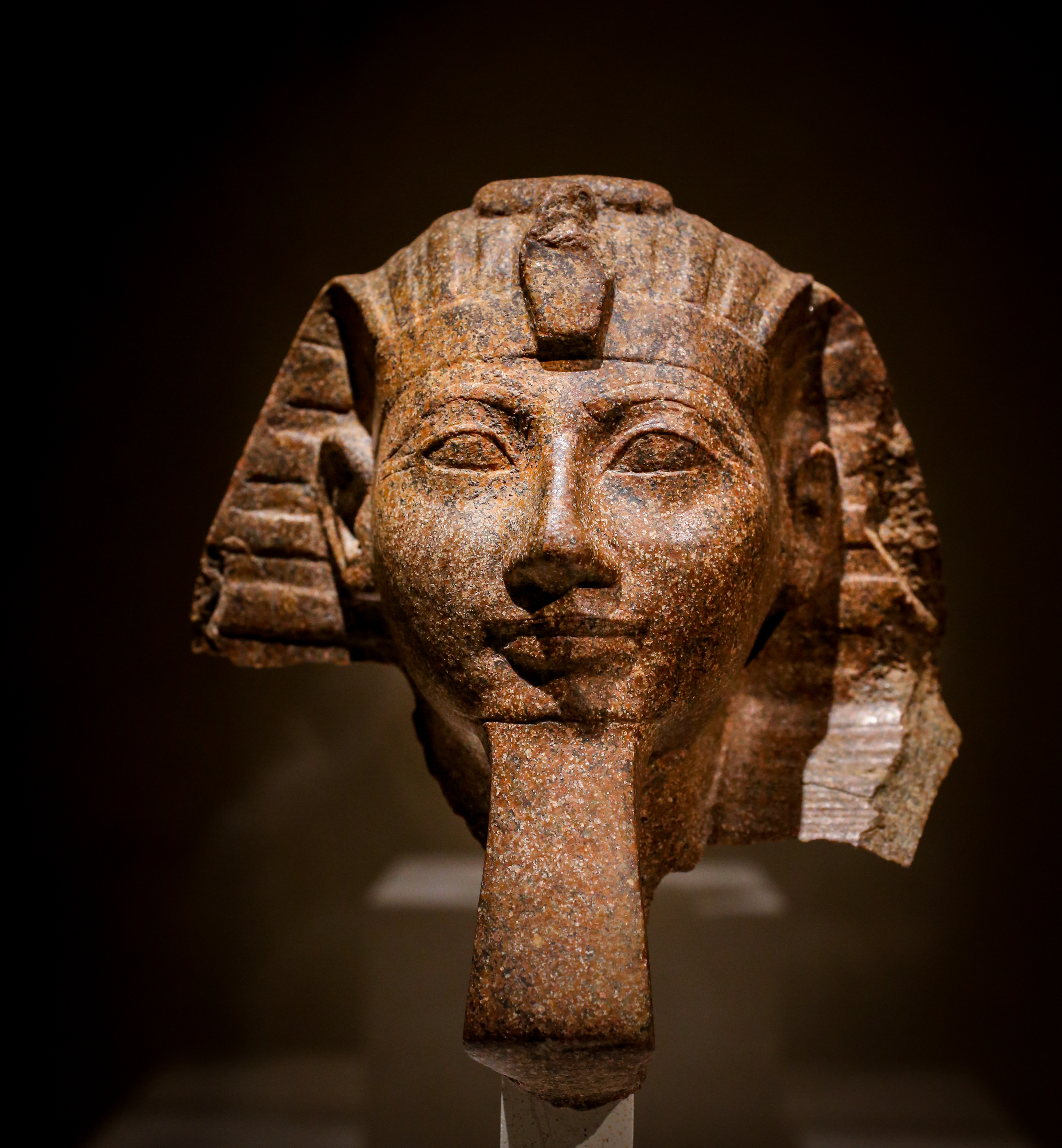
Queen Hatshepsut
(حاتشبسوت)
Fifth Pharaoh of the Eighteenth Dynasty of Egypt, celebrated as one of the most successful female rulers in world history, builder of the magnificent mortuary temple at Deir el-Bahari, and commissioner of the legendary naval expedition to Punt.
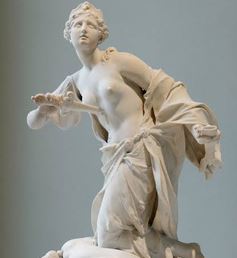
Queen Dido
 (عليسة (ديدو))
Legendary Phoenician princess of Tyre who fled her tyrannical brother Pygmalion, sailed across the Mediterranean, and founded the immortal maritime empire of Carthage on the coast of Tunisia in 814 BCE.
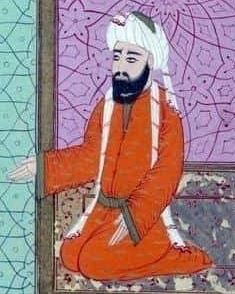
Abd al-Rahman ibn Rustam (عبد الرحمن بن رستم)
Persian-born Islamic jurist and statesman who founded the Rustamid Dynasty in Tahert, Algeria, establishing a prosperous, cosmopolitan Ibadi democratic imamate that ruled central North Africa for 130 years.
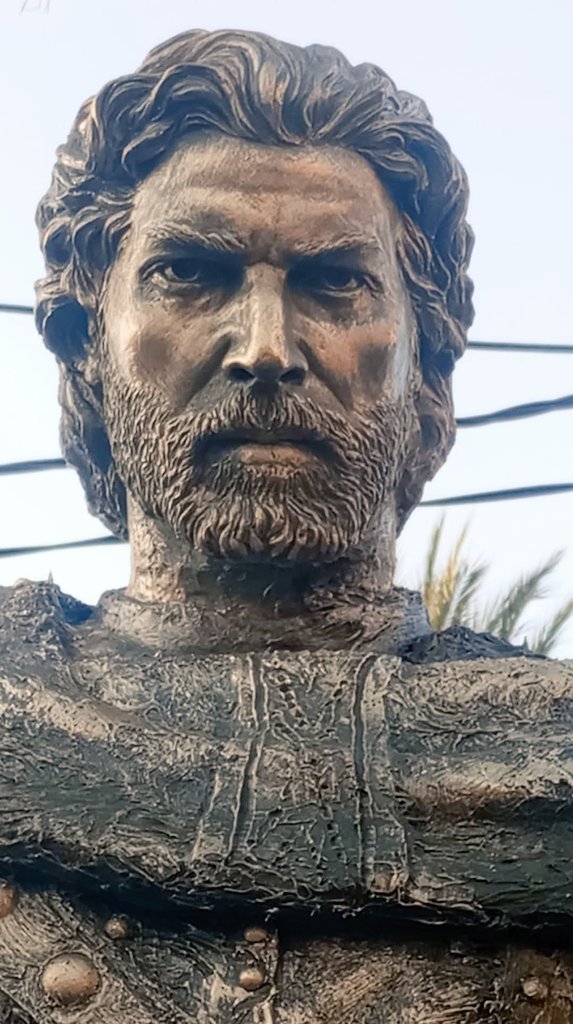
Kusaila
 (كسيلة بن لزم)
Christian Berber King of the Awreba confederation and Altava who defeated and killed Uqba ibn Nafi at the Battle of Vescera (Biskra) in 683 CE, ruling Kairouan for five years.
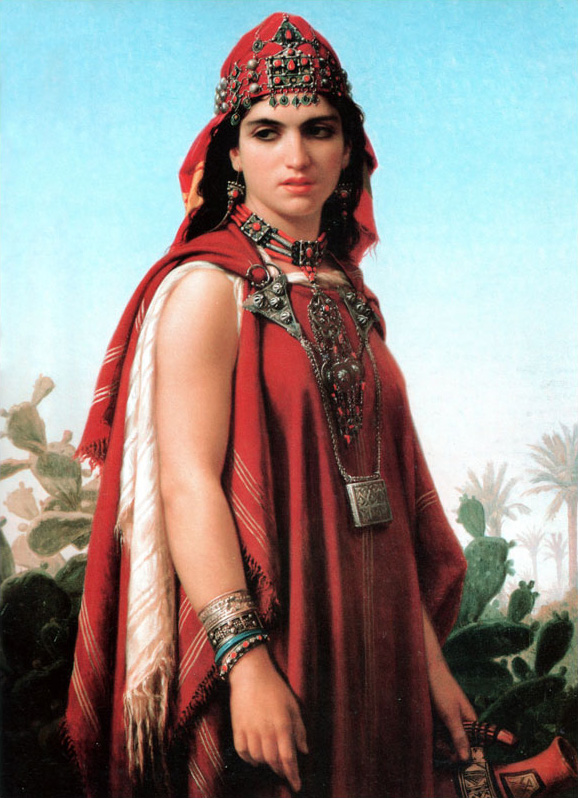
Queen Dihya
(ديهيا (الكاهنة))
Legendary Amazigh queen and military commander of the Jerawa tribe who united the Berber confederations of the Aurès and defeated the Umayyad armies of Hasan ibn al-Nu'man in 698 CE.
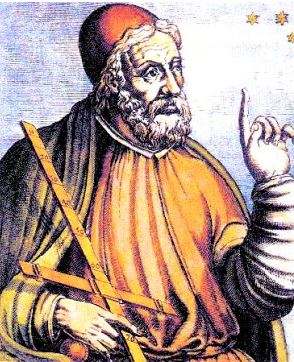
Ptolemy of Mauretania (بطليموس الموريطني)
Last monarch of the Kingdom of Mauretania, co-ruler with his father Juba II, who assisted Rome in crushing the Tacfarinas rebellion before being assassinated by Emperor Caligula in 40 CE.
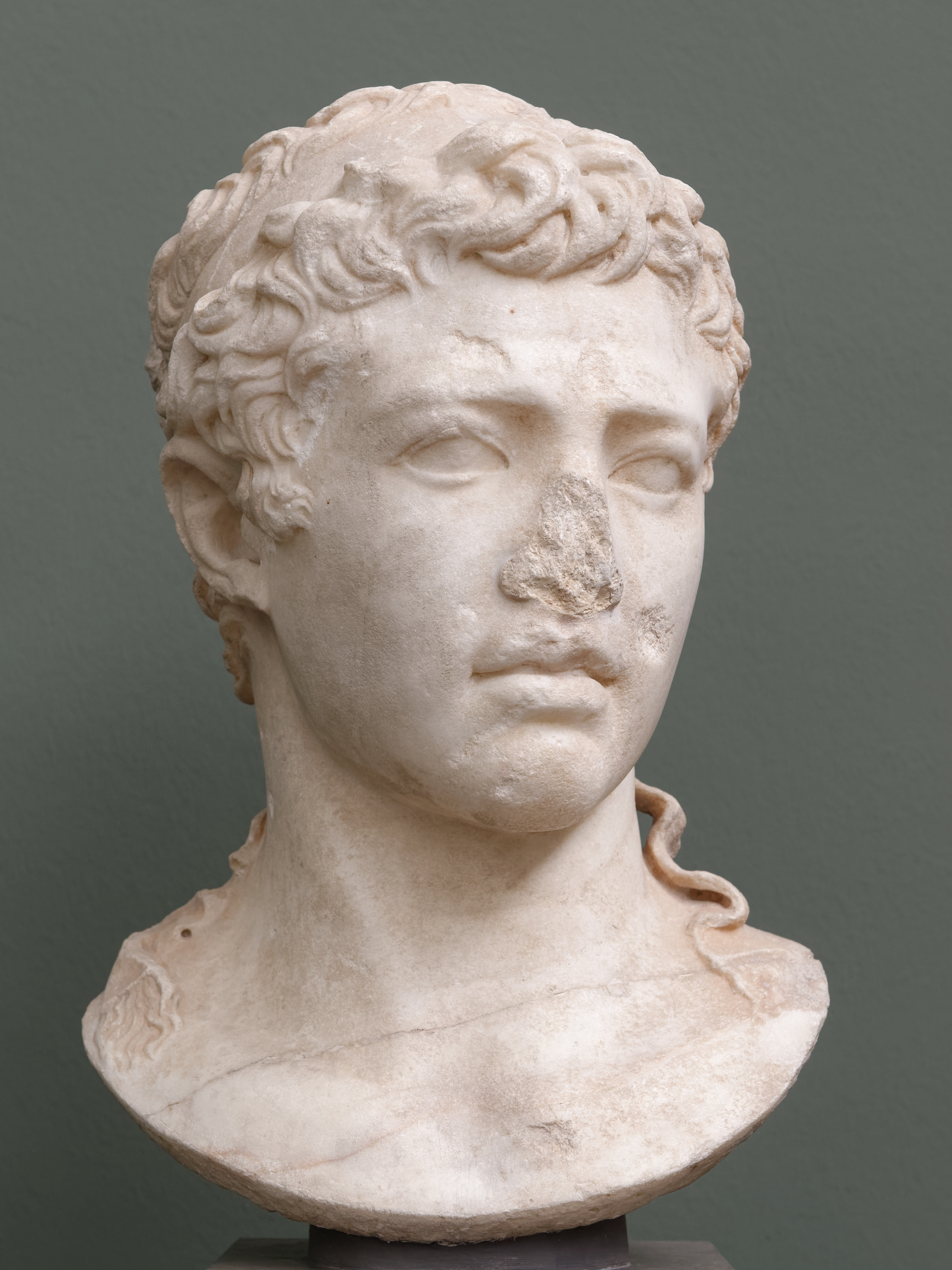
Juba II
(يوبا الثاني)
Scholarly King of Mauretania, raised in Rome by Octavian, who transformed Caesarea (Cherchell) into a jewel of Greco-Roman culture and authored influential treatises on geography, botany, and history.
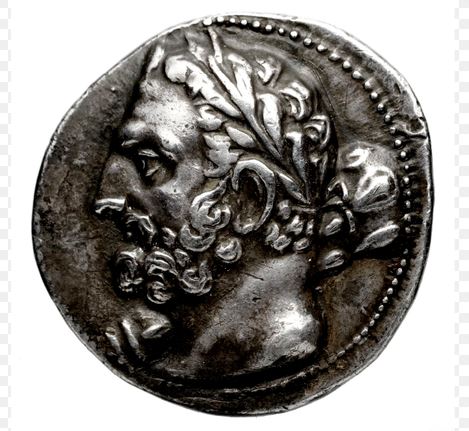
Micipsa (ميكيبسا)
Eldest son of Masinissa who ruled unified Numidia for thirty years (148–118 BCE), patronized Greek philosophers, constructed monumental palaces, and maintained prosperous peace.
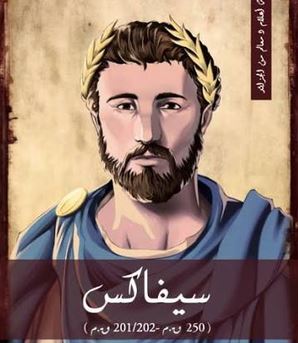
Syphax (سيفاقس)
Powerful King of the Masaesyli Numidians of western Algeria, who established Siga as his capital, commanded 50,000 warriors, and was courted by both Rome and Carthage in the Second Punic War.
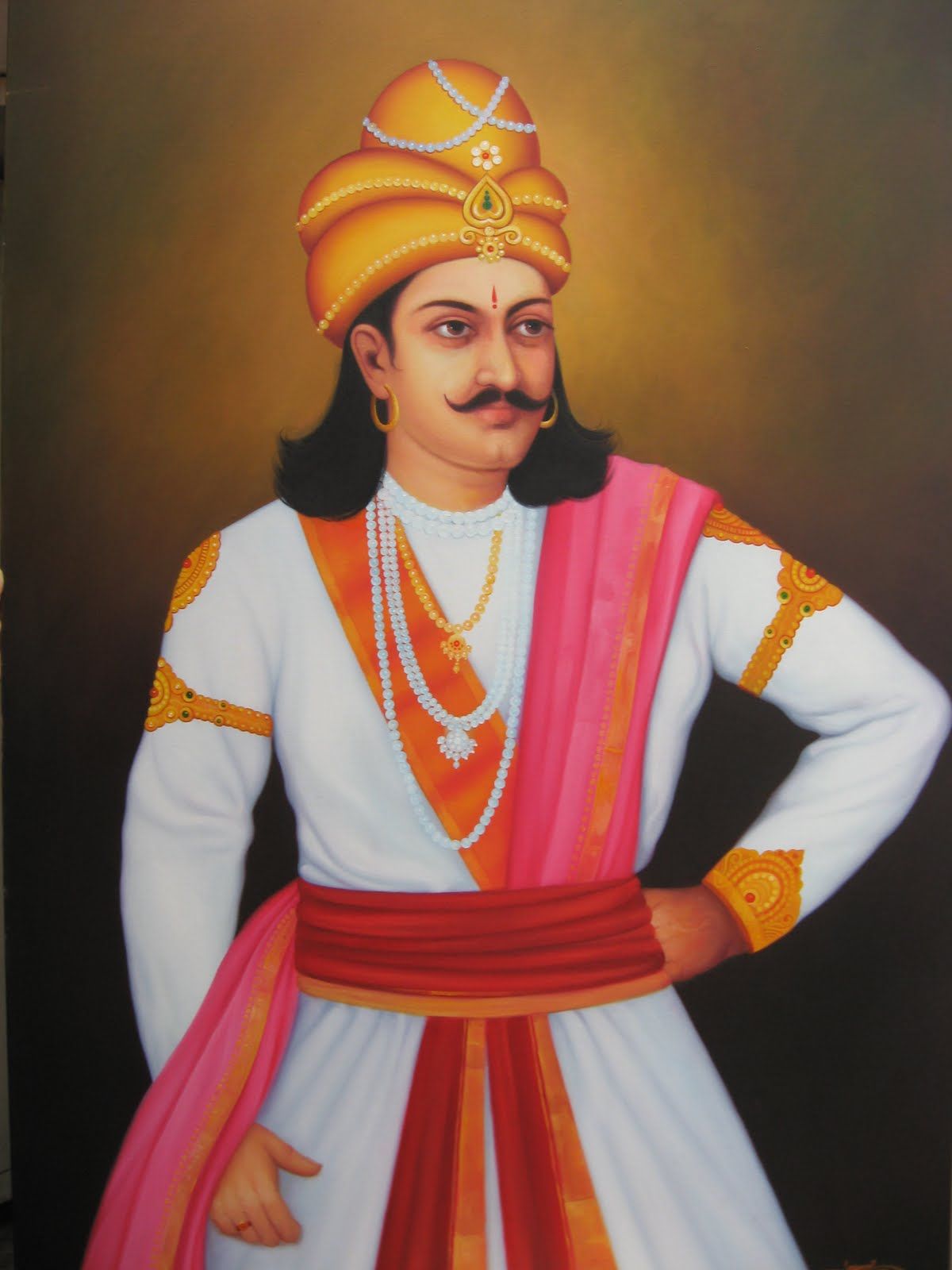
Chandragupta Maurya
 (चन्द्रगुप्त मौर्य)
Visionary founder of the Maurya Empire who united the Indian subcontinent for the first time in history with the mentorship of Chanakya.
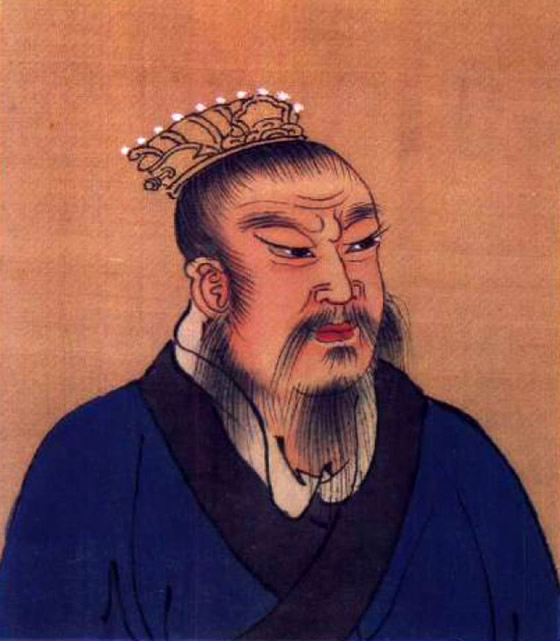
Emperor Gaozu of Han (Liu Bang)
 (汉高祖 刘邦 (Ji))
Peasant rebel who defeated Xiang Yu in the Chu-Han Contention to found the four-century Han Dynasty, giving China's majority ethnicity its name.
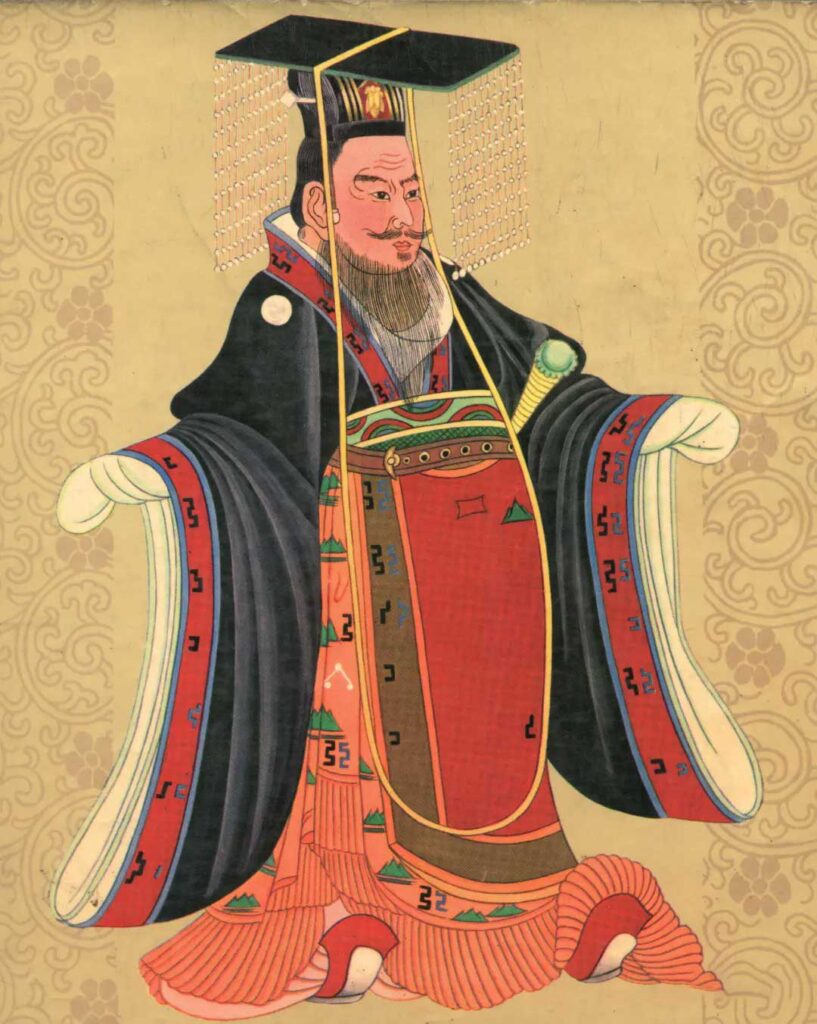
Emperor Wu of Han (Han Wudi)
(汉武帝 刘彻 (Liu Che))
Seventh Emperor of the Han Dynasty whose 54-year reign established the Silk Road, adopted Confucianism, and expanded China's imperial borders.
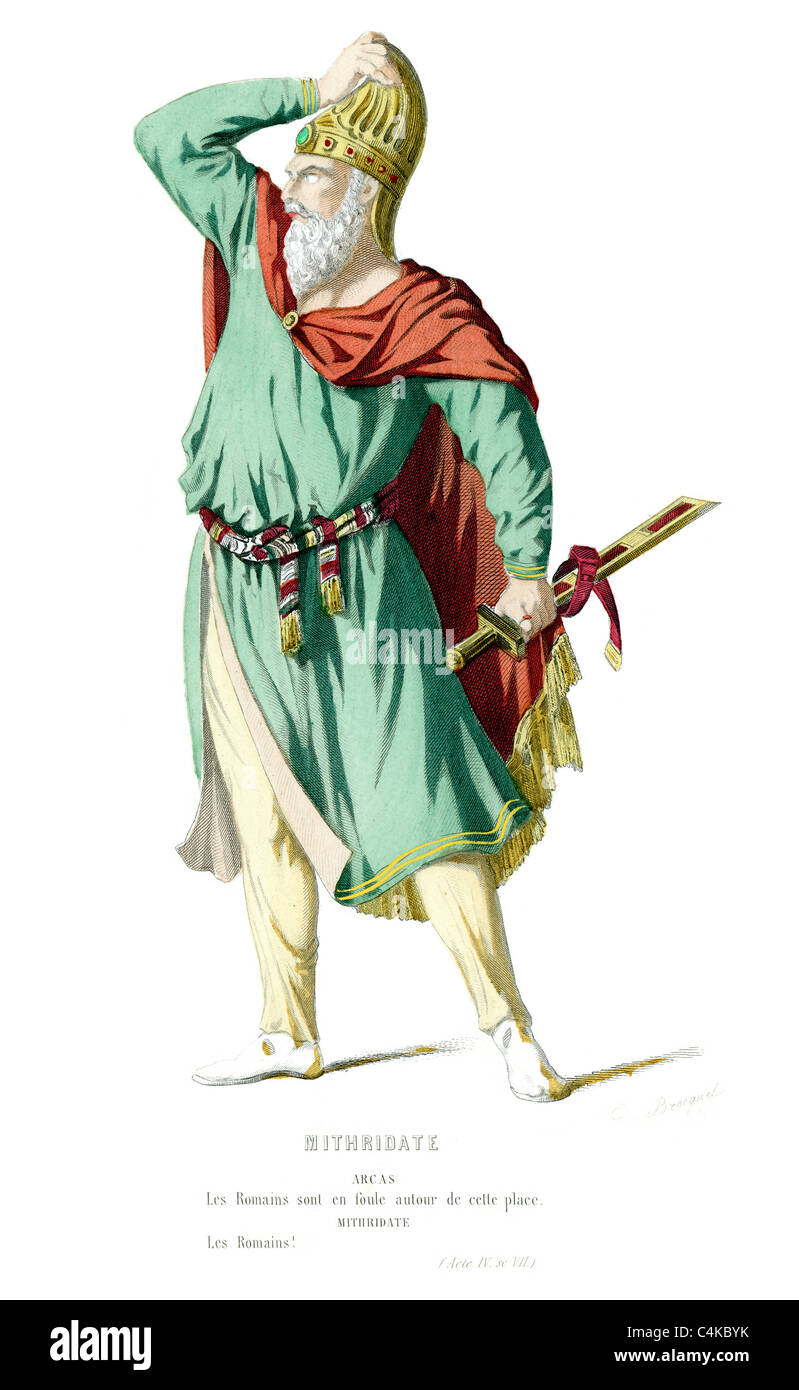
Mithridates VI Eupator
 (Μιθριδάτης Εὐπάτωρ Διονύσιος)
King of Pontus and northern Anatolia who waged three legendary Mithridatic Wars, Rome's most formidable rival of the late Republic.
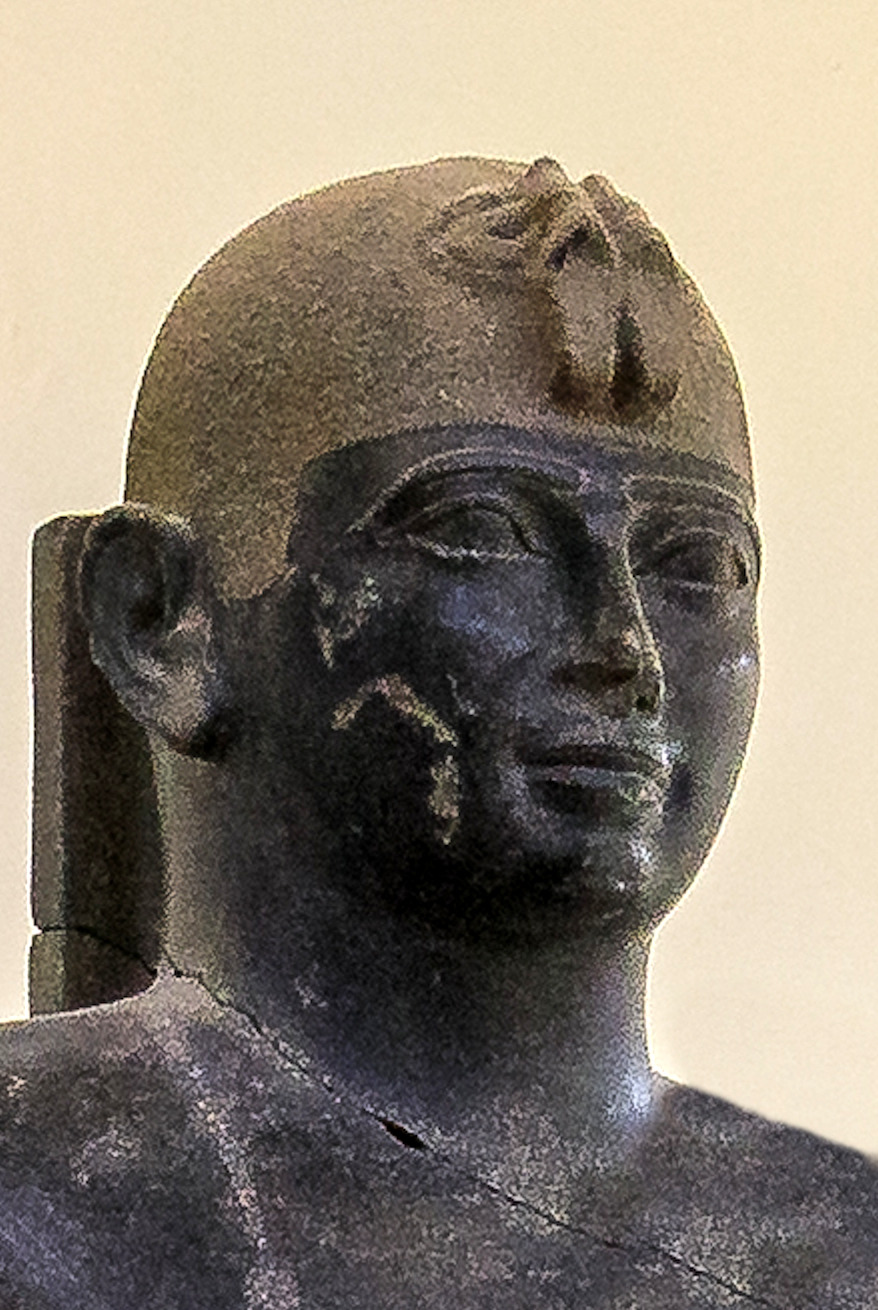
Taharqa
 (t-h-r-q (Nefertemkhure Taharqa))
Greatest Pharaoh of the Twenty-Fifth Dynasty of Egypt who presided over a renaissance of arts and defended the Levant against Assyria.