Public Figures & Cultural Luminaries
Filterable archive covering centuries of intellectual, artistic, and moral contributions to the human story.
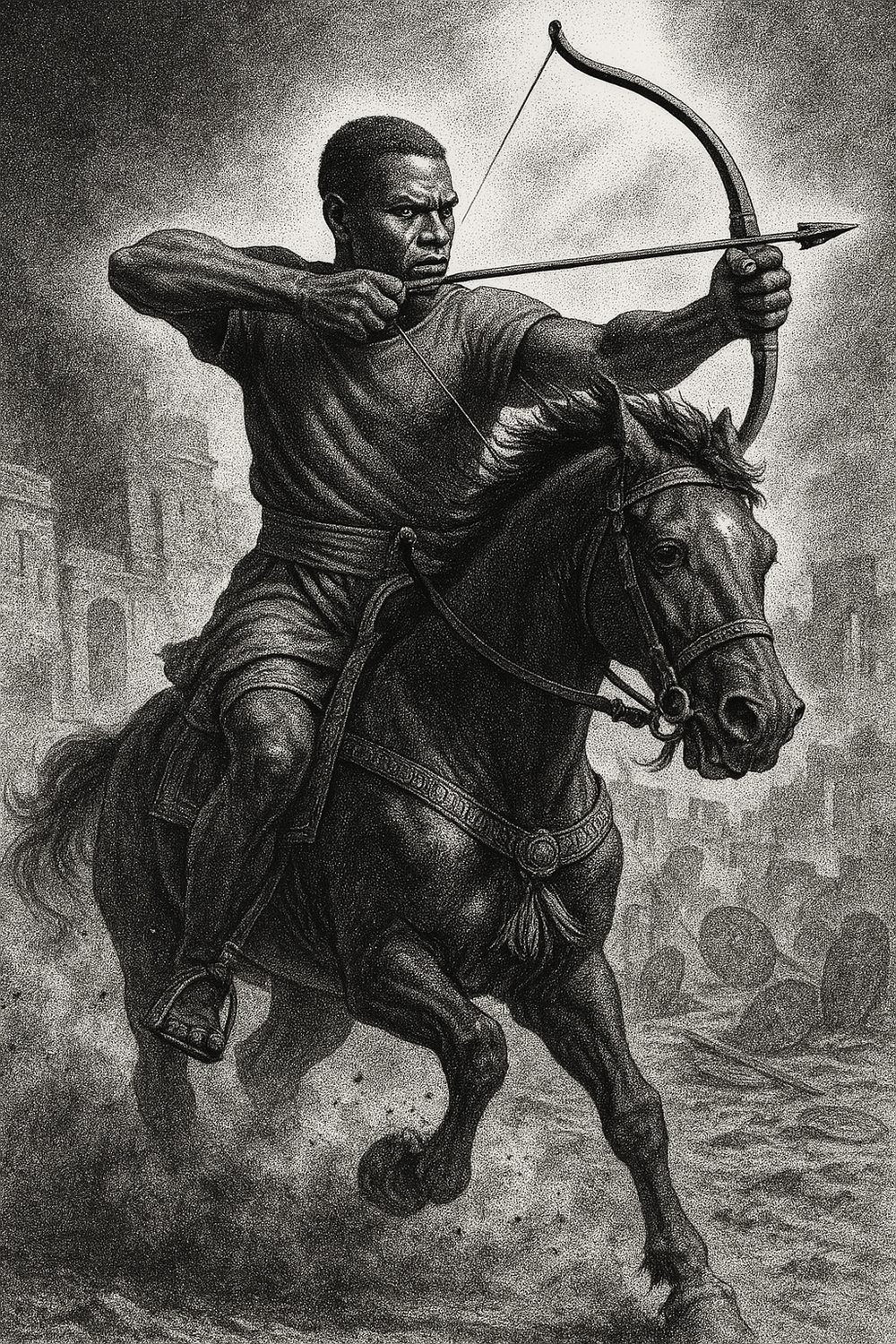
Piye (Piankhi)
 (pꜣ-ꜥnḫ-j (Piye / Usermaatre))
Kushite monarch who conquered Egypt, founding the Twenty-Fifth 'Black Pharaohs' Dynasty and reviving pyramid building.
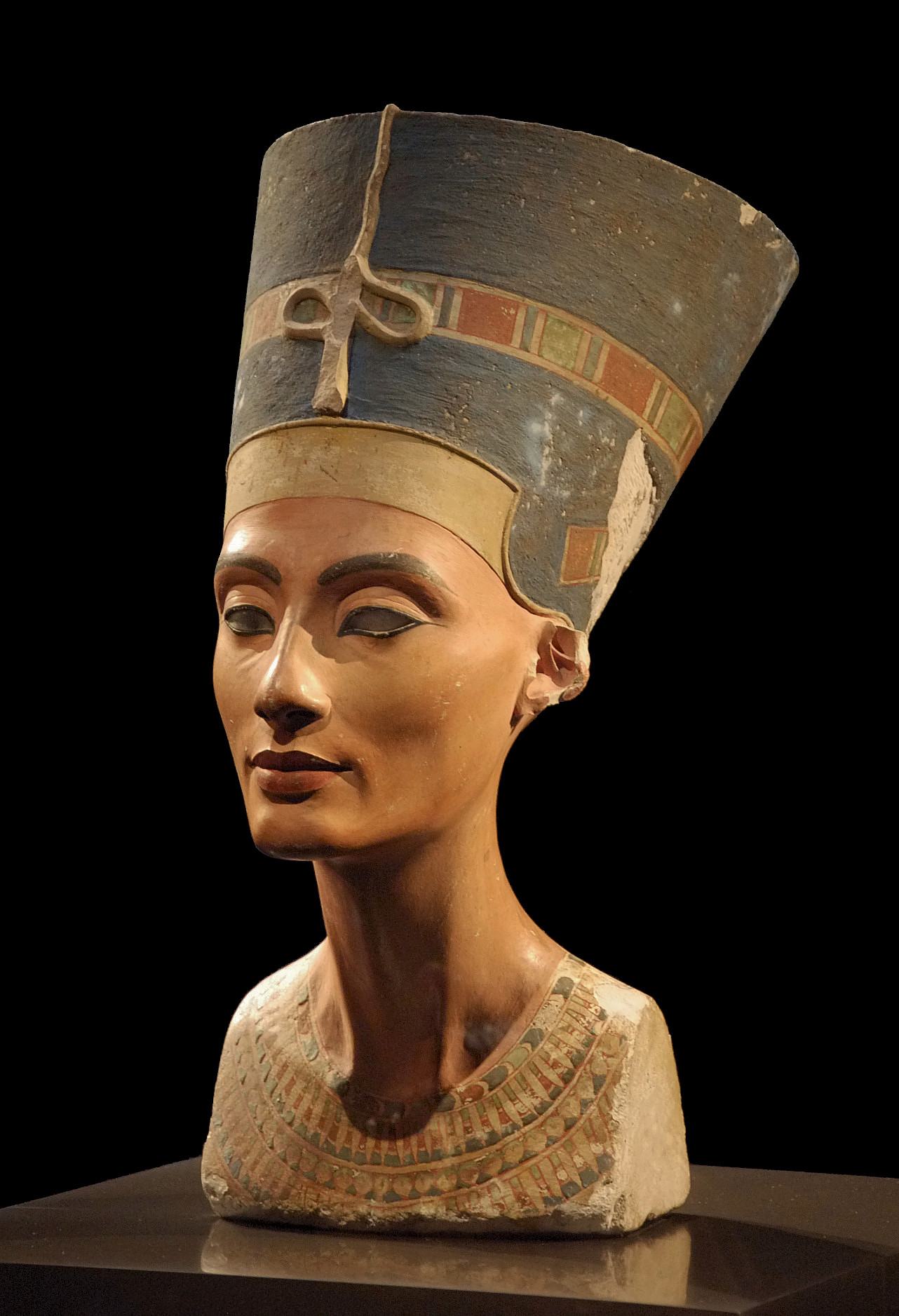
Nefertiti (Neferneferuaten Nefertiti)
 (nfr.t-jy.tj (The Beautiful One Has Come))
Queen of the Eighteenth Dynasty and Great Royal Wife of Pharaoh Akhenaten, iconic symbol of feminine majesty and power in antiquity.
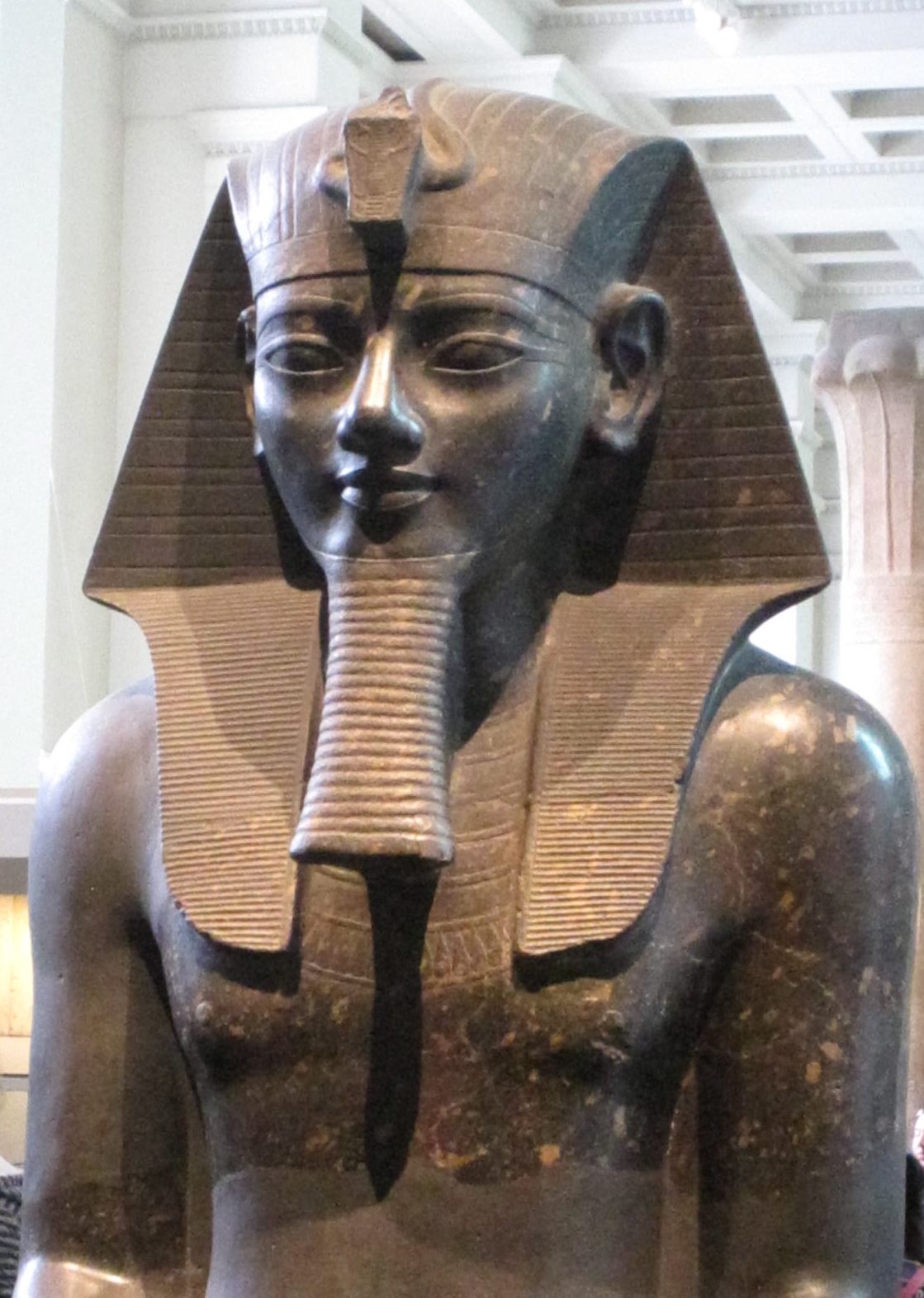
Amenhotep III (The Magnificent)
(Nebmaatre Amenhotep)
Ninth Pharaoh of the Eighteenth Dynasty whose nearly four-decade reign was the artistic and economic zenith of ancient Egypt.
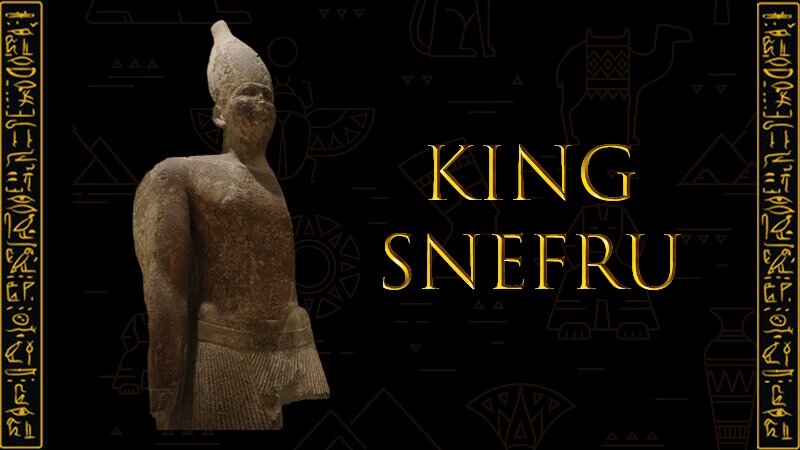
Sneferu (Snofru)
(snfr-wj (He of Beauty))
Founding Pharaoh of the Fourth Dynasty who perfected pyramid engineering, constructing the Meidum, Bent, and Red Pyramids.
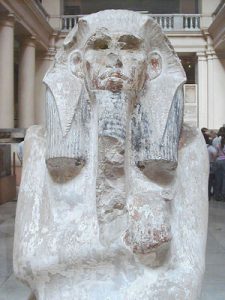
Djoser (Netjerikhet)
(ḏsr (Netjerikhet))
Pharaoh of the Third Dynasty of Egypt who commissioned the Step Pyramid of Saqqara, the world's first monumental stone building.
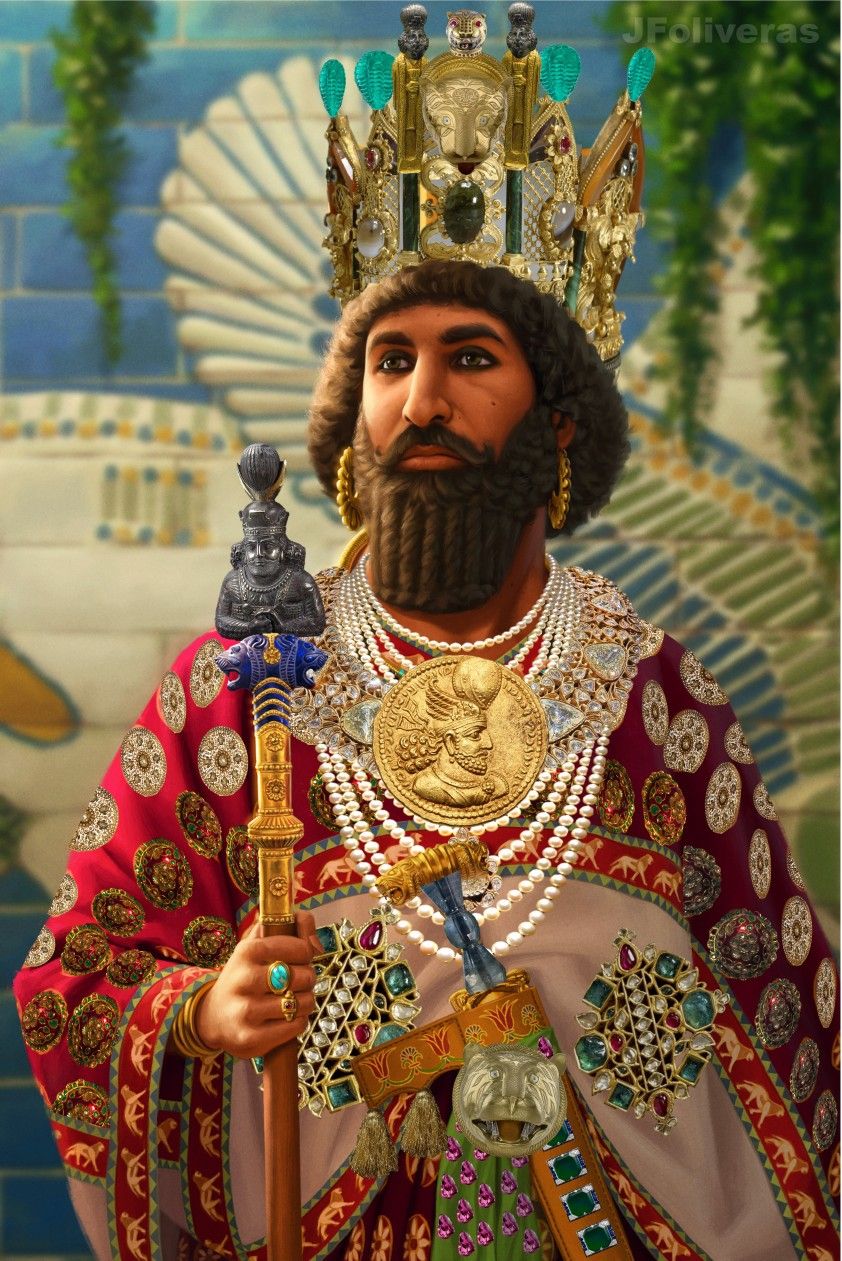
Xerxes I (Xerxes the Great)
 (𐎧𐏁𐎹𐎠𐎼𐏁𐎠 (Xšayarša))
Fourth King of Kings of the Achaemenid Empire who launched the massive Second Persian Invasion of Greece and built the Gate of All Nations.
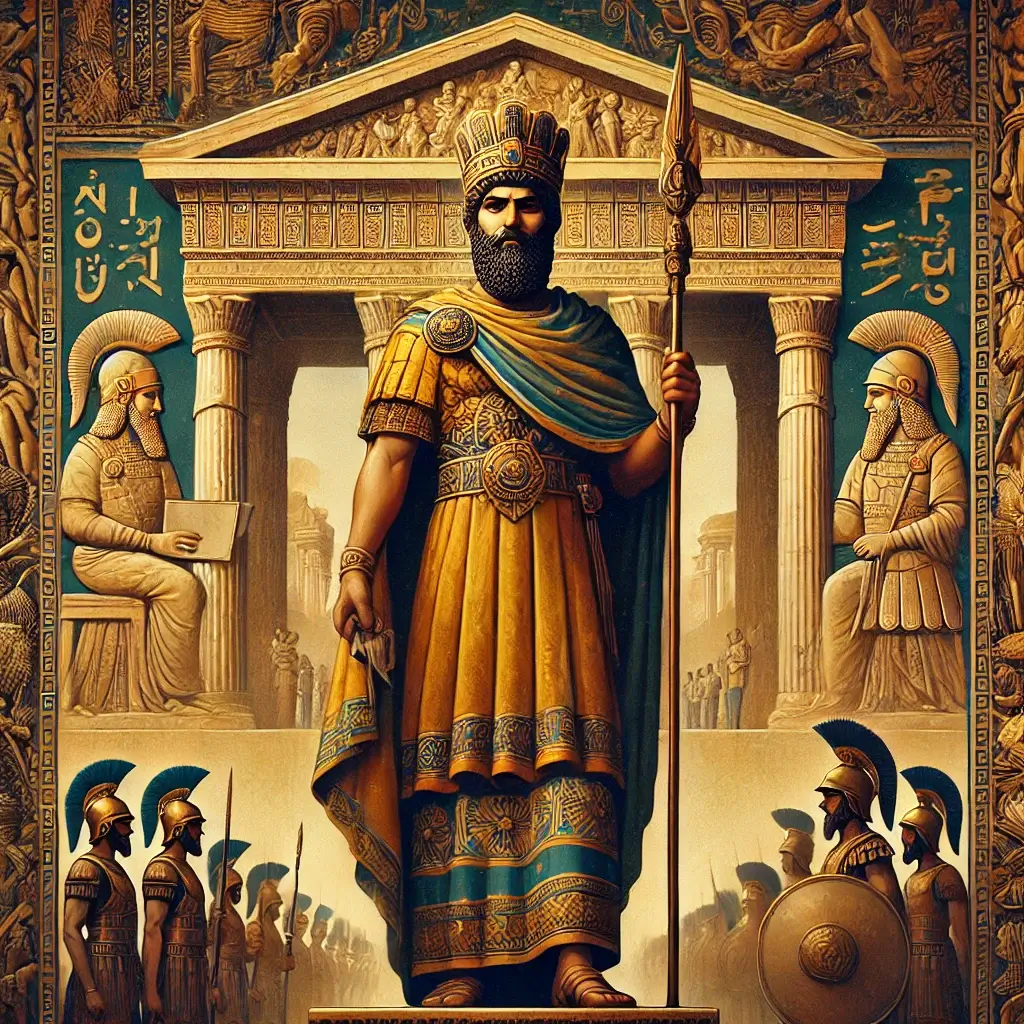
Darius I (Darius the Great)
(𐎭𐎠𐎼𐎹𐎺𐎢𐏁 (Dārayava(h)uš))
Third King of Kings of the Achaemenid Empire who built Persepolis, the Royal Road, and codified imperial administrative satrapies.
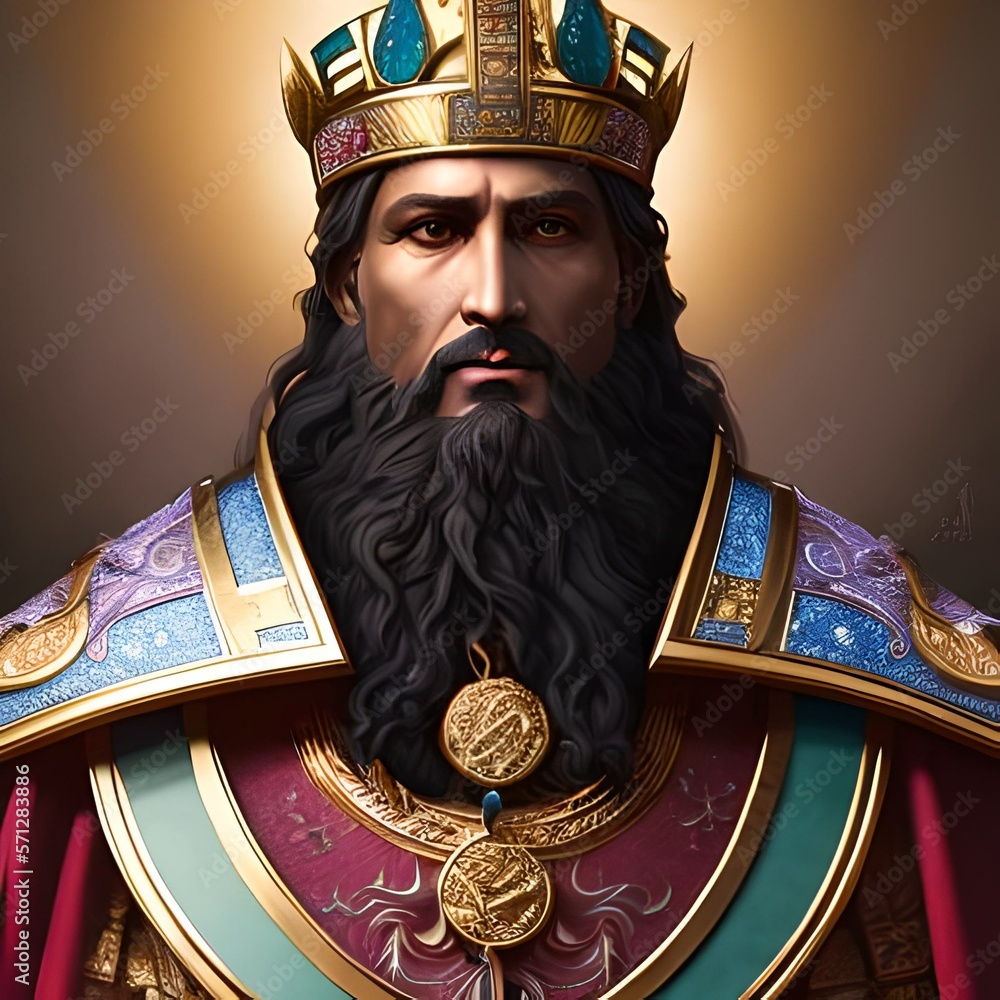
Nebuchadnezzar II
 (𒀭𒀝𒆪𒁺𒌨𒊑𒋀 (Nabû-kudurri-uṣur))
Longest-reigning king of the Neo-Babylonian Empire, renowned for the Ishtar Gate, the Hanging Gardens, and the Babylonian Exile.
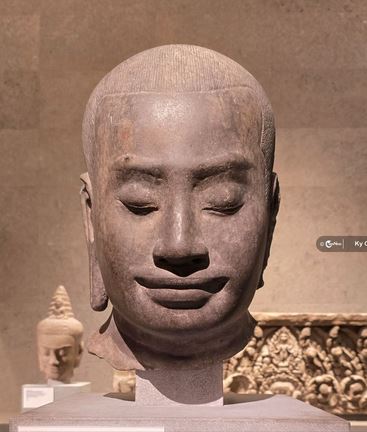
Jayavarman VII (Mahaking of the Khmer Empire)
 (ជ័យវរ្ម័នទី ៧ (Jayavarman VII))
Greatest sovereign of the Khmer Empire. Liberated the kingdom from Cham invaders, constructed the fortified royal city of Angkor Thom with the enigmatic multi-faced stone towers of the Bayon, and established a nationwide network of 102 free public hospitals.
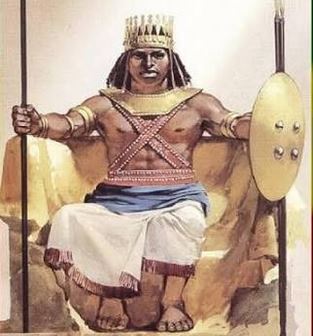
Ezana of Axum (King of Saba and Salhen)
 (ዒዛና (King Ezana))
Fourth-century monarch who elevated the Kingdom of Axum to an international trade superpower between the Roman Empire and India. Converted to Christianity under Frumentius, issuing the first coins in the world bearing the Christian cross.
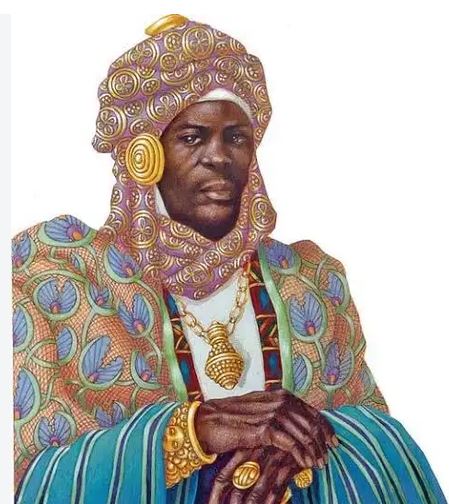
Askia Muhammad I (Askia the Great / Muhammad Ture)
 (Askia Muḥammad Tūrē)
Visionary Emperor of the Songhai Empire who expanded the state into the largest empire in West African history. Created an efficient administrative bureaucracy, standardized weights and measures, and established the intellectual golden age of Gao and Timbuktu.
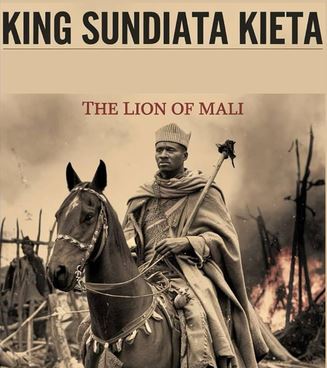
Sundiata Keita (The Lion King of Mali / Mari Djata)
 (Sogolon Diata Keïta)
Heroic warrior prince who overcame physical paralysis to vanquish the sorcerer king Sumanguru Kante at the Battle of Kirina (1235 CE). Founded the Mali Empire and proclaimed the Kouroukan Fouga—one of the earliest oral charters of human rights.
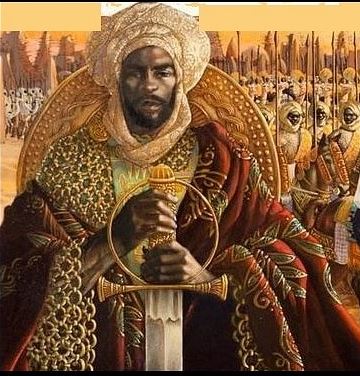
Mansa Musa I (Emperor of Mali / Lion of Mali)
(Mansa Kankou Moussa)
Tenth Emperor of the Mali Empire recognized as the wealthiest individual in world history. His historic pilgrimage to Mecca in 1324 put West Africa on European maps and funded the transformation of Timbuktu into a global center of Islamic scholarship.
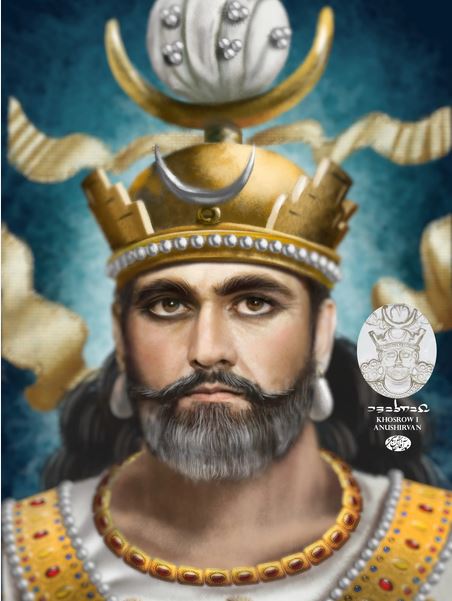
Khosrow I (Anushirvan the Just / Chosroes I)
(خسرو انوشیروان (The Immortal Soul))
Zenith ruler of the Sasanian Persian Empire celebrated across Middle Eastern literature as "Anushirvan the Just." Modernized taxation, introduced rational bureaucratic governance, and translated Indian fables (Panchatantra) and Greek philosophy into Pahlavi.
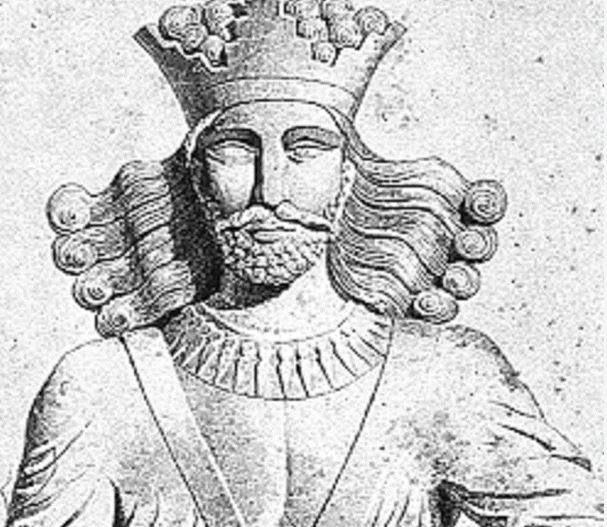
Shapur I (The Great / Shahanshah of Iran)
(شاپور یکم / Šābuhr)
Second Sasanian King of Kings who consolidated the Persian Empire, defeated three Roman emperors in battle (slaying Gordian III, extracting tribute from Philip the Arab, and capturing Emperor Valerian alive), and founded Gundeshapur academy.
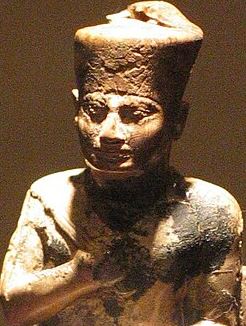
Khufu (Cheops / Khnum-Khufu)
(Ḫw.f-wj (Khnum Protects Me))
Fourth Dynasty Pharaoh who conceived and oversaw the construction of the Great Pyramid of Giza—the tallest human-made structure on Earth for over 3,800 years and the sole surviving Wonder of the Ancient World.
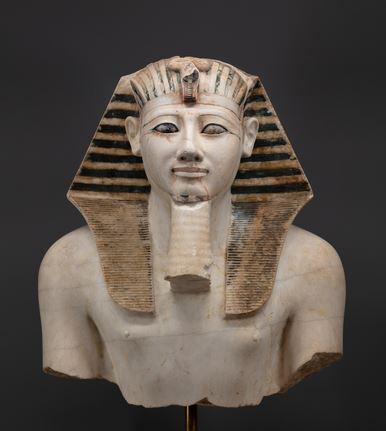
Thutmose III (Menkheperre / The Napoleon of Egypt)
(Mn-ḫpr-Rꜥ (Lasting is the Manifestation of Ra))
Greatest military Pharaoh in Egyptian history, reigning for fifty-four years. Conducted seventeen victorious military campaigns from the Euphrates to the Fourth Cataract of Nubia, establishing the New Kingdom as an unrivaled superpower.
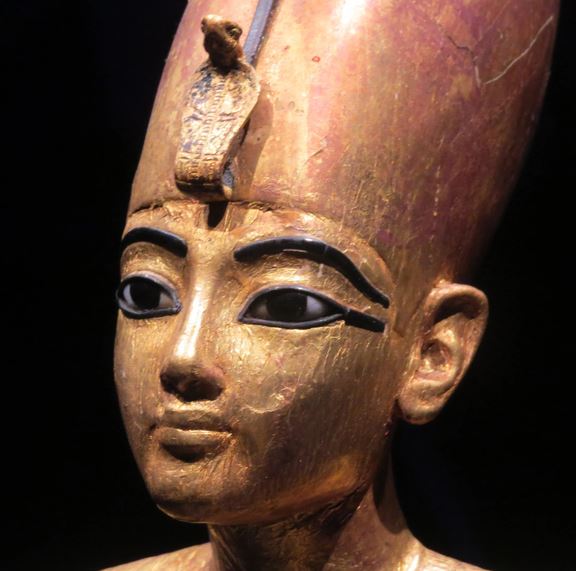
Tutankhamun (Nebkheperure)
(twt-ꜥnḫ-jmn (Living Image of Amun))
Eighteenth Dynasty Pharaoh celebrated globally for the discovery of his intact royal tomb (KV62) in the Valley of the Kings. Restored the traditional polytheistic religion of Amun after the Amarna period.