 Kingdom of France
•
4 views
Kingdom of France
•
4 views
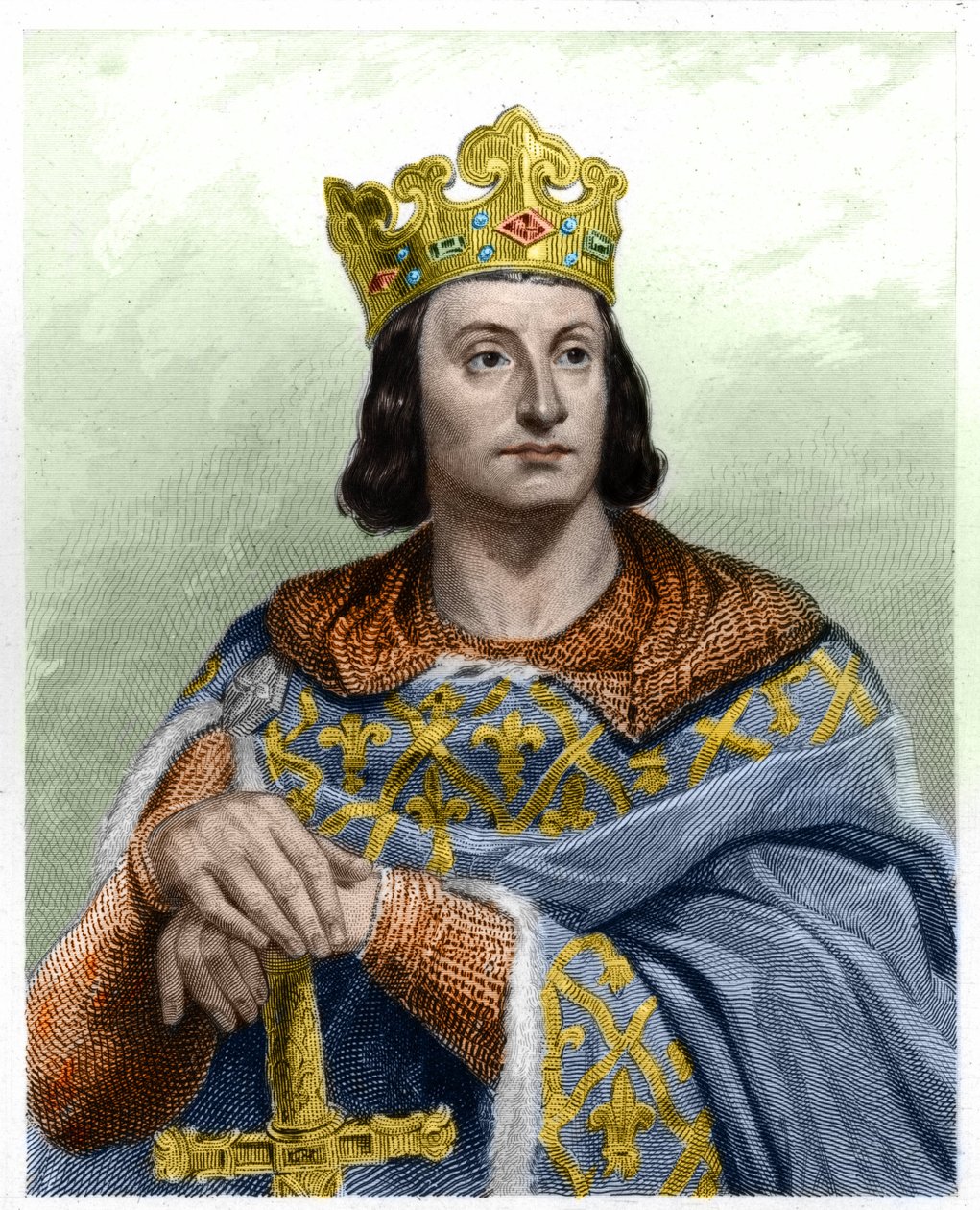
Philip II of France (Philippe Auguste)

Gonesse, Île-de-France, Kingdom of France
Archival Overview
First monarch to officially use the title 'King of France', who defeated the Anglo-German coalition at Bouvines and built the medieval Louvre.
Biographical Record
Philip II, known to French history as Philippe Auguste, was the transformative Capetian monarch who elevated the crown from a weak feudal lordship over the Paris basin into the dominant monarchy of Western Europe. Succeeding his father Louis VII in 1180 at age fourteen, Philip was the very first sovereign to style himself Roi de France ('King of France') rather than Roi des Francs ('King of the Franks').
Through relentless statecraft and warfare against English Angevin kings Henry II, Richard the Lionheart, and King John, Philip quadrupled the royal domain, annexing Normandy, Maine, Anjou, and Poitou. On July 27, 1214, at the epochal Battle of Bouvines in Flanders, Philip faced a formidable coalition of Holy Roman Emperor Otto IV, King John of England, and the Count of Flanders. Philip's crushing victory shattered the Angevin Empire, forced John to sign the Magna Carta in England, and solidified France as a unified major power. In Paris, Philip paved the streets, erected the city's massive protective stone walls, and constructed the original medieval fortress of the Louvre.
Key Life Milestones
Capture of Château Gaillard and Normandy
Triumph at the Battle of Bouvines
Memorial Guestbook & Tributes
0 messages recordedLeave a Respectful Tribute
Final Resting Place
Perpetual MemorialSaint-Denis, Paris, France