Public Figures & Cultural Luminaries
Filterable archive covering centuries of intellectual, artistic, and moral contributions to the human story.
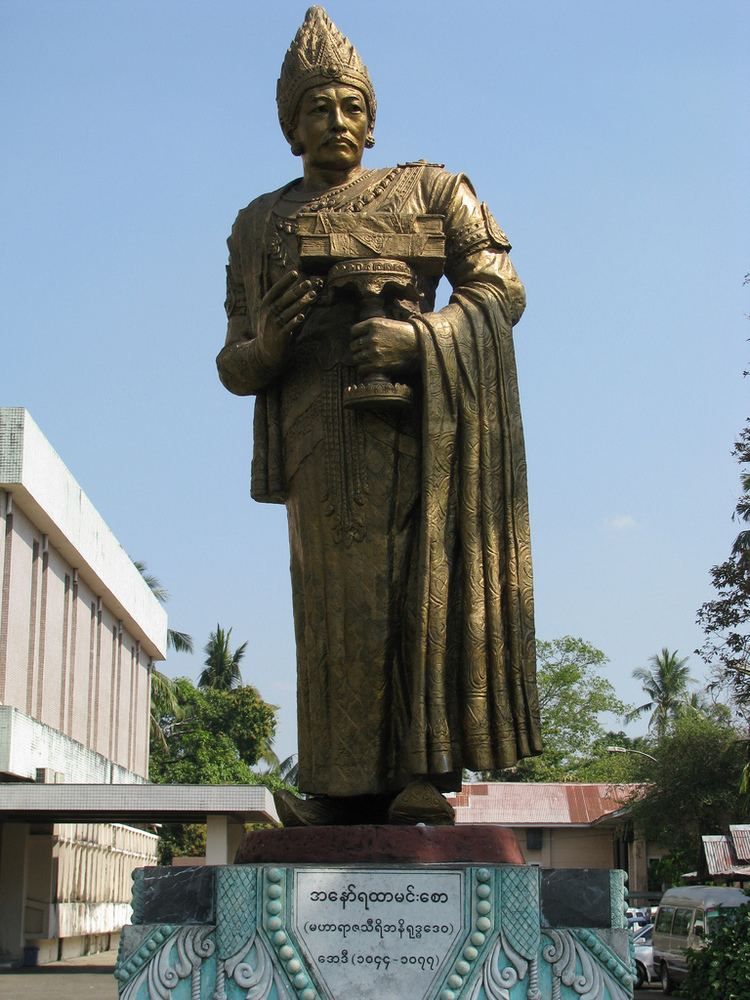
King Anawrahta Minsaw
 (အနော်ရထာ မင်းစော)
Founder of the Pagan Empire who unified Myanmar into a single nation, introduced Theravada Buddhism, and initiated Bagan's golden temple era.
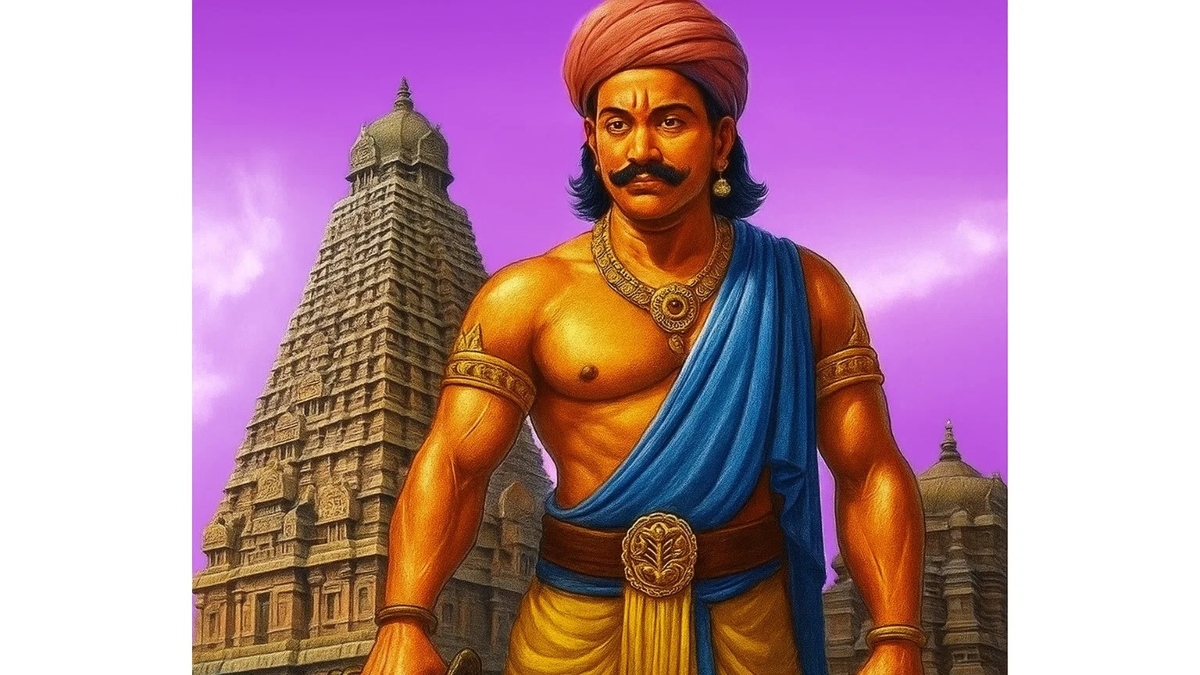
Rajendra Chola I (Gangaikonda Chola)
 (முதலாம் இராஜேந்திர சோழன்)
Chola emperor and thalassocrat who led expeditions to the Ganges River and dispatched a mighty naval armada conquering the Srivijaya Empire in Southeast Asia.
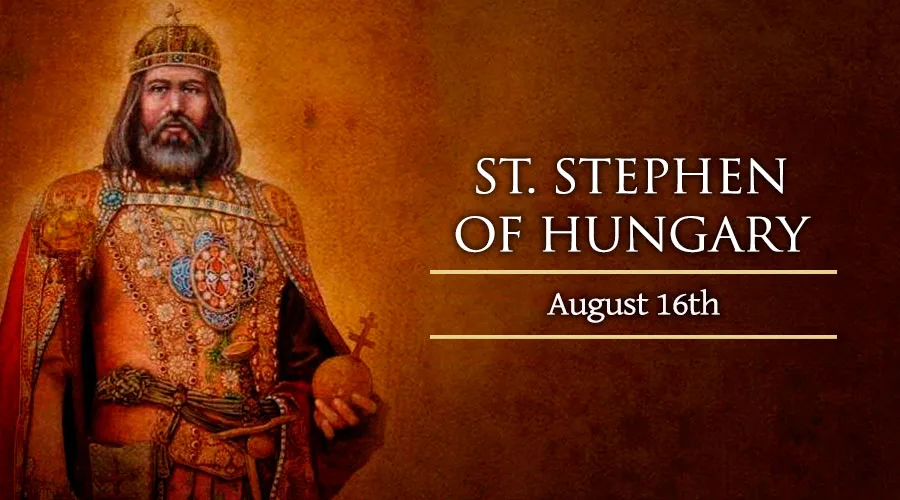
Stephen I of Hungary (Saint Stephen)
 (Szent István király (Vajk))
First King of Hungary who Christianized the Magyar tribes, established the Kingdom of Hungary, and received the Holy Crown from Pope Sylvester II.
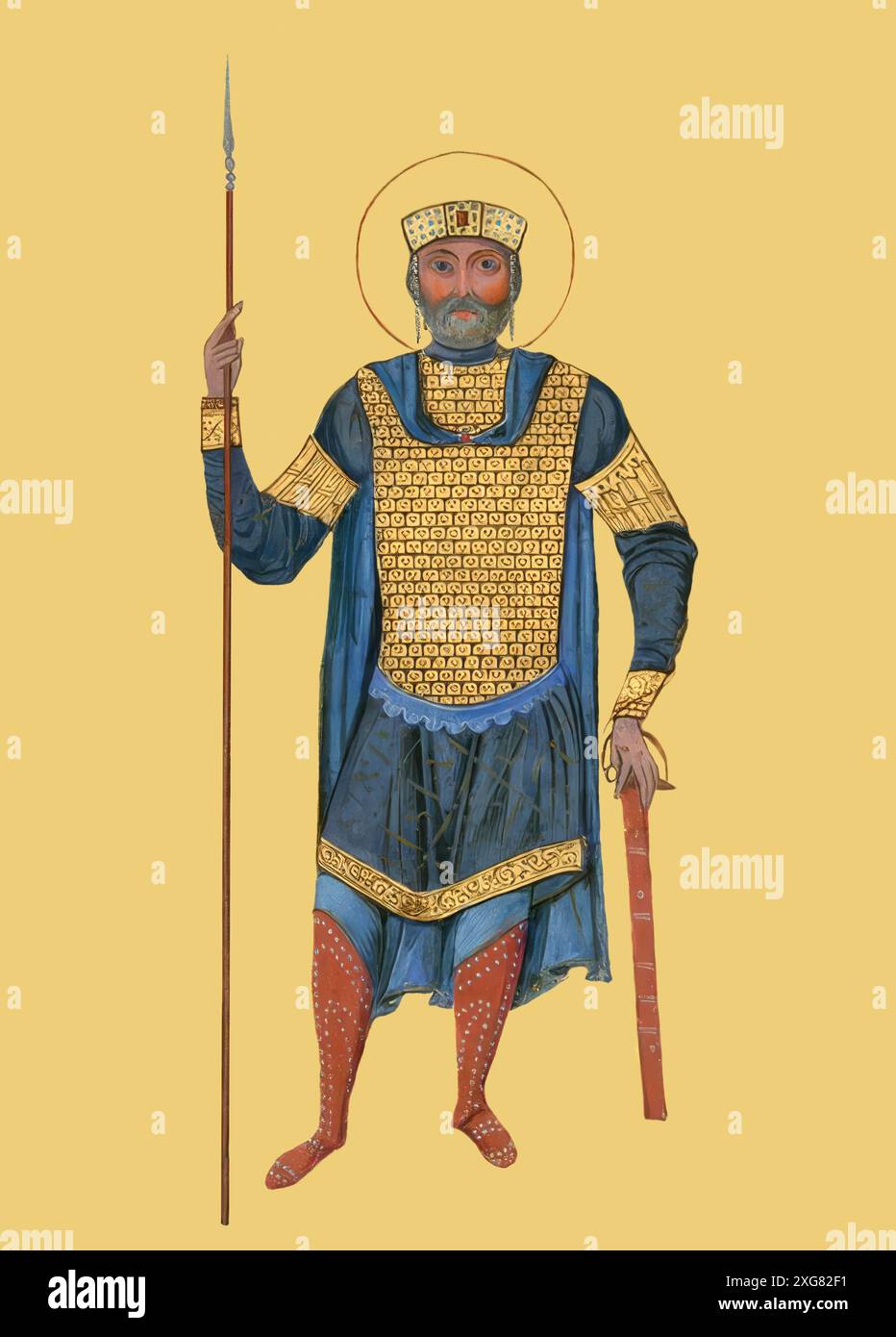
Basil II (The Bulgar Slayer)
 (Βασίλειος Β΄ Βουλγαροκτόνος)
Longest-reigning Emperor of the Byzantine Empire who created the Varangian Guard and brought the medieval empire to its military zenith.
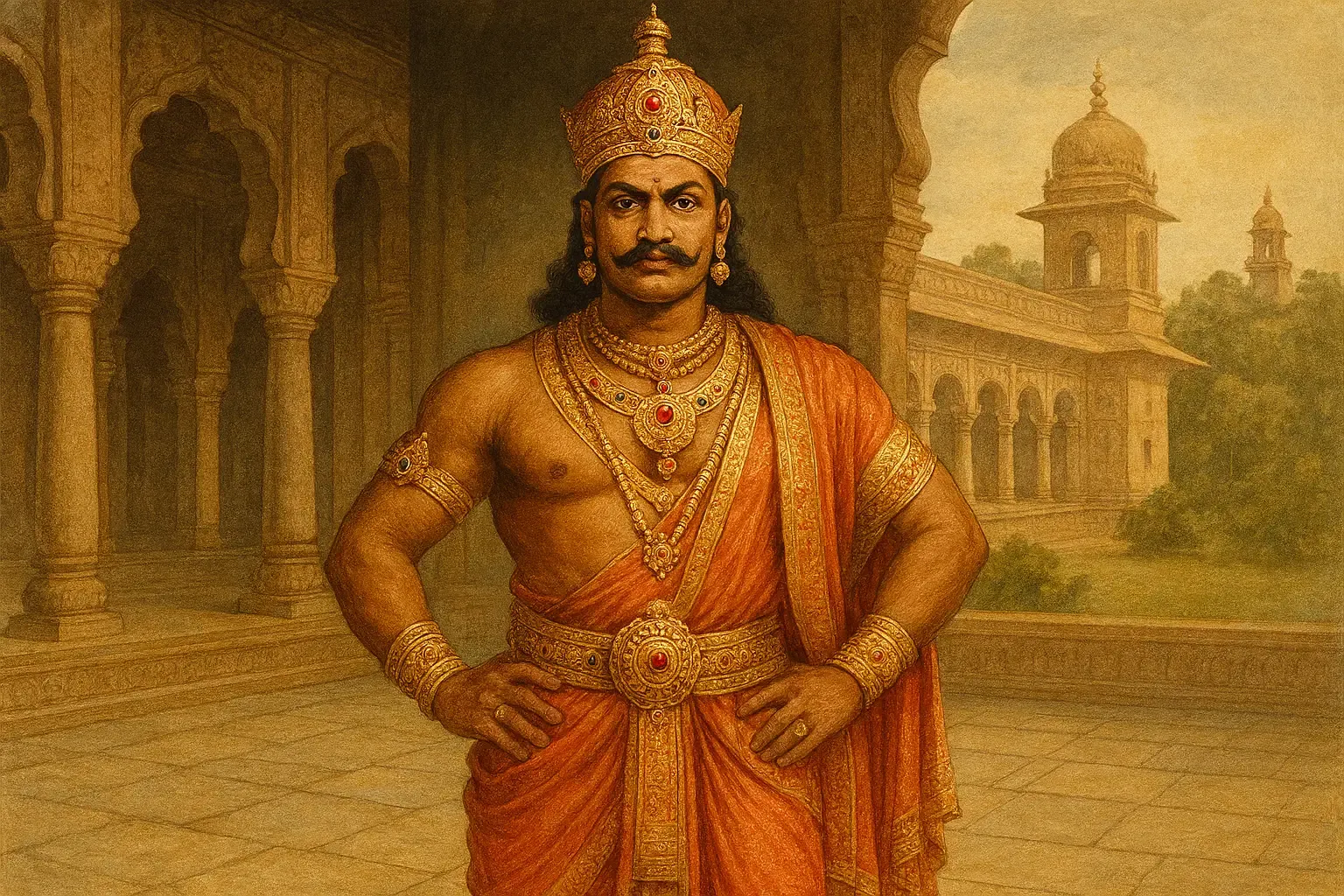
Rajaraja Chola I (Rajaraja the Great)
(முதலாம் இராஜராஜ சோழன்)
Legendary emperor of the Chola Empire who transformed southern India into a maritime superpower and erected the majestic Brihadisvara Temple.
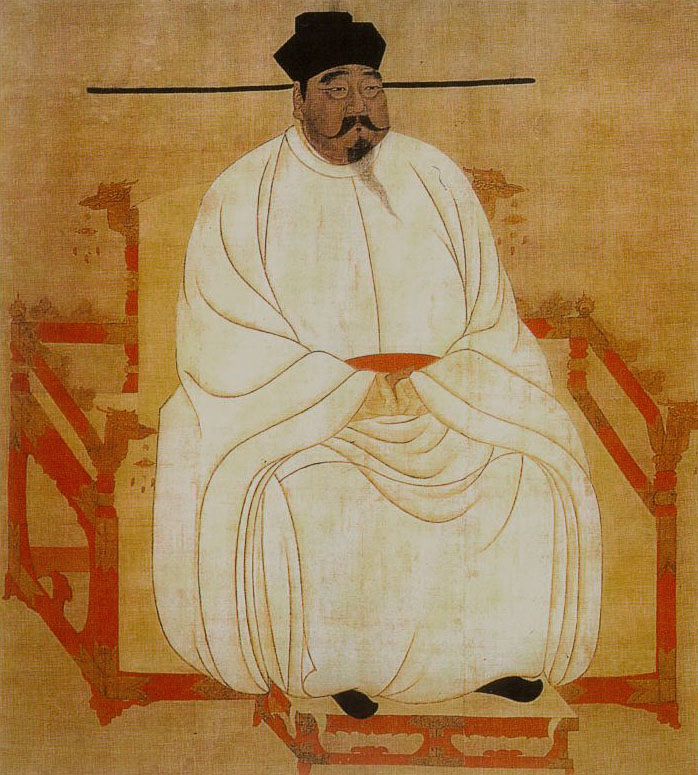
Emperor Taizu of Song
 (宋太祖 (趙匡胤))
Founder of the Song Dynasty (960–976 CE) Zhao Kuangyin, who ended the violent Five Dynasties and Ten Kingdoms period, unified China, and permanently subordinated the military to civilian scholarly bureaucracy over a famous banquet of wine.
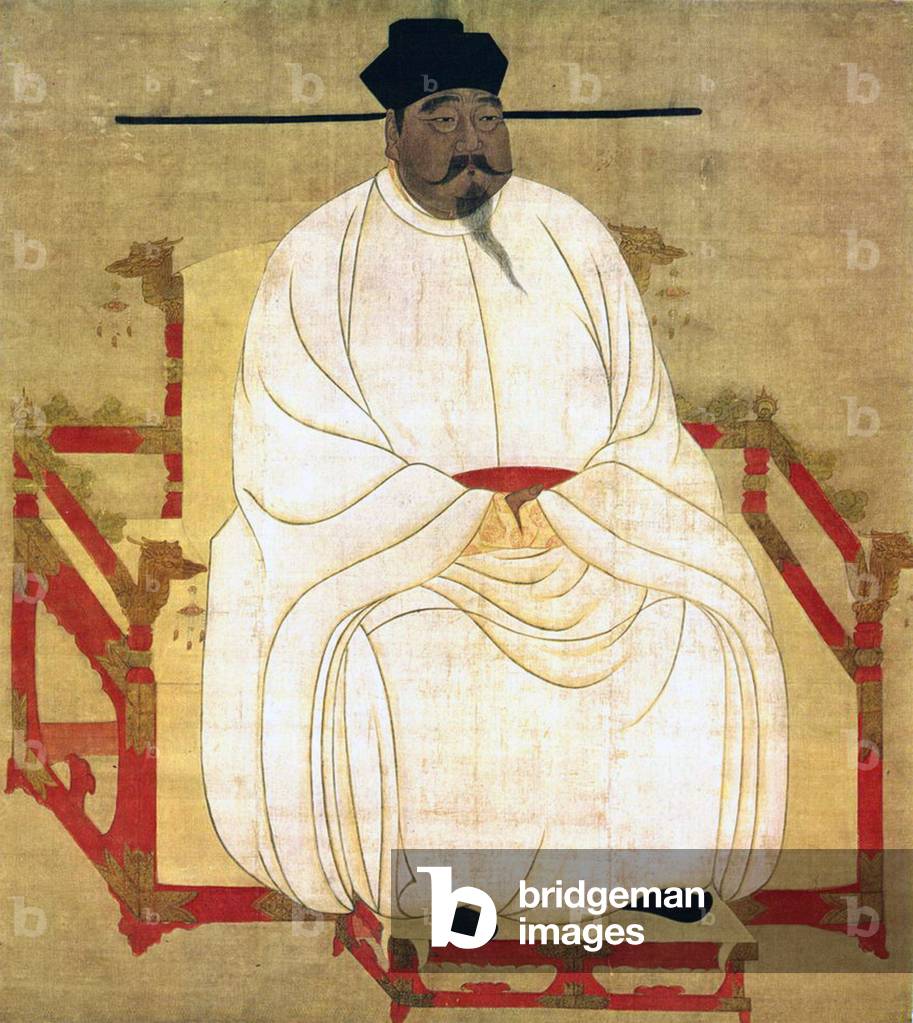
Emperor Taizu of Song (Zhao Kuangyin)
(宋太祖 赵匡胤 (Zhao Kuangyin))
Founding Emperor of the Song Dynasty who unified China, ended the chaotic Five Dynasties era, and subordinated the military to civil scholar-officials.
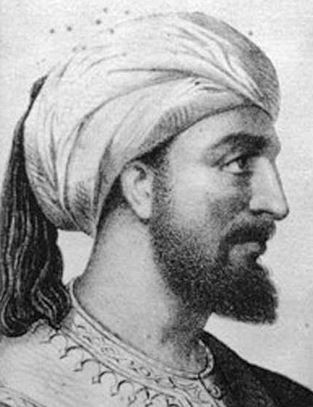
Abd al-Rahman III (Al-Nasir li-Din Allah)
 (عبد الرحمن الثالث (الناصر لدين الله))
First Caliph of Córdoba whose fifty-year reign transformed Muslim Spain (Al-Andalus) into the intellectual, scientific, and architectural wonder of medieval Europe. Built the magnificent palace-city of Madinat al-Zahra.
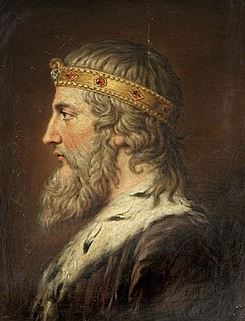
Alfred the Great (King of the Anglo-Saxons)
 (Ælfred se Micela (Alfred the Great))
King of Wessex and the only English monarch accorded the epithet "the Great." Defended Anglo-Saxon England against Viking conquest at the Battle of Edington (878), fortified the kingdom with the burh fortress network, and personally translated Latin classics into Old English.
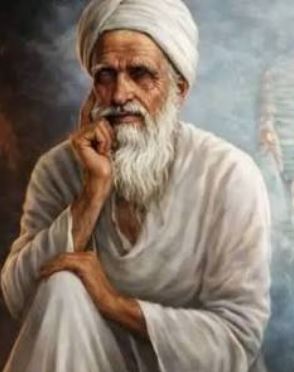
Ziyadat Allah I
 (زيادة الله الأول)
Aghlabid Emir of Ifriqiya (817–838 CE) who launched the historic Muslim conquest of Sicily in 827 CE and rebuilt the magnificent Great Mosque of Kairouan in its enduring stone splendour.
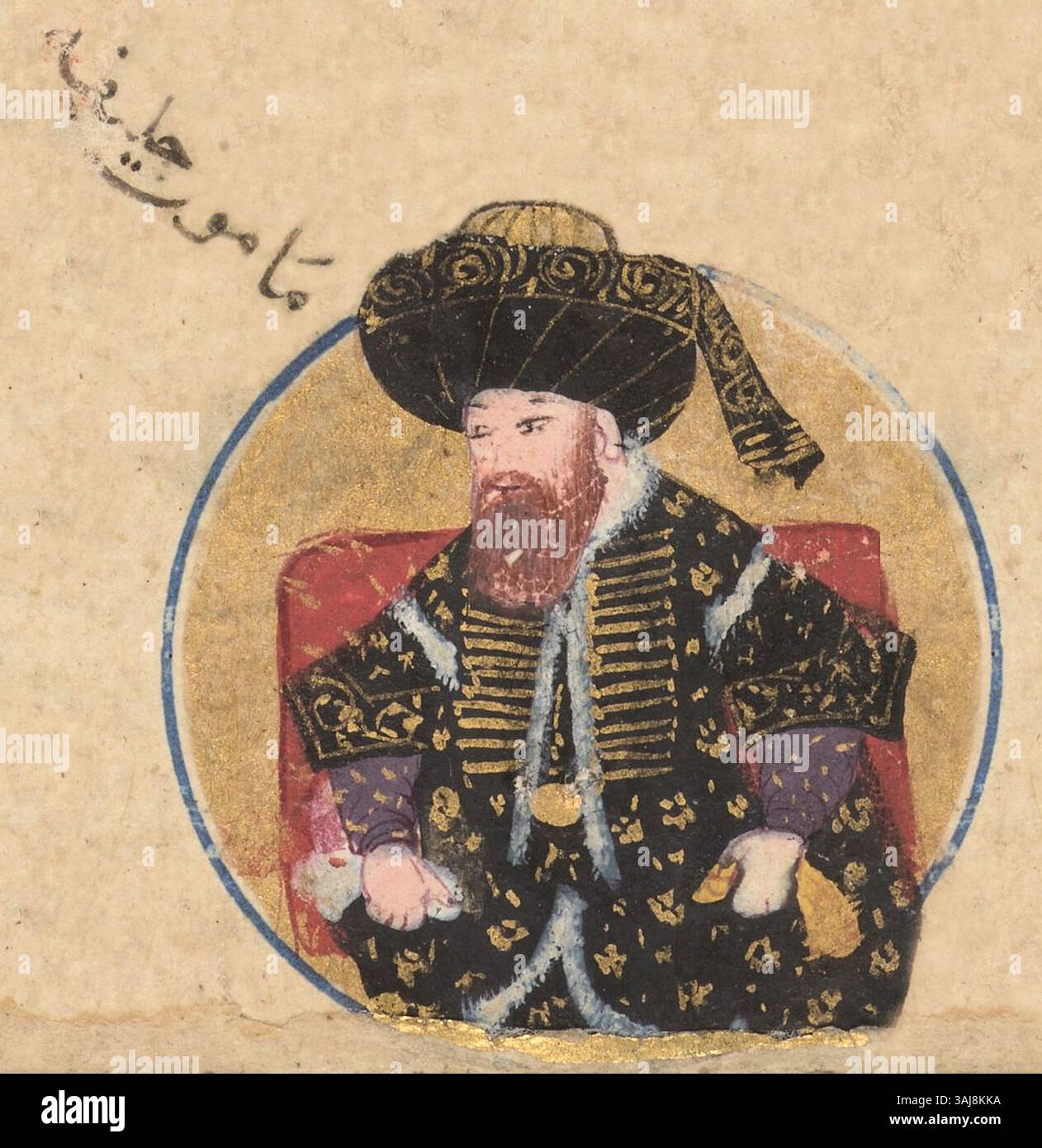
Al-Ma'mun (The Scholar Caliph)
 (عبد الله المأمون بن هارون الرشيد)
Abbasid Caliph who presided over the zenith of the Islamic Golden Age, expanding the House of Wisdom and measuring the circumference of the Earth.
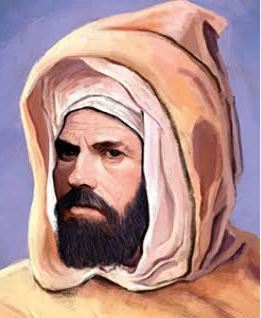
Idris II of Morocco (إدريس الثاني بن إدريس)
Posthumous son of Idris I who assumed sovereignty at age eleven, founded the imperial capital city of Fez in 808 CE, and consolidated the administrative, judicial, and cultural institutions of Morocco.
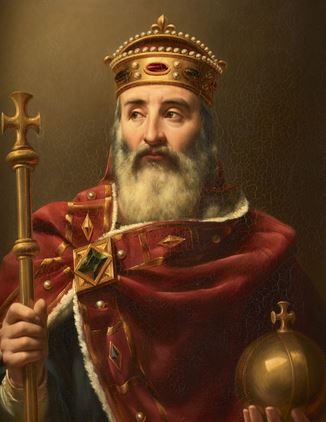
Charlemagne (Charles the Great / Carolus Magnus)
 (Carolus Magnus / Karl der Große)
King of the Franks and first Holy Roman Emperor, crowned by Pope Leo III on Christmas Day 800 in Rome. United Western and Central Europe for the first time since the fall of Rome, sparking the Carolingian Renaissance of scholarship and arts.
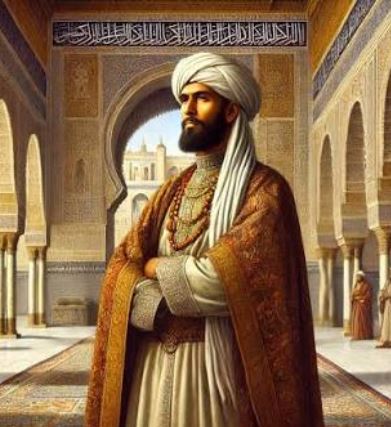
Ibrahim I ibn al-Aghlab
(إبراهيم بن الأغلب)
Abbasid governor who secured hereditary autonomy from Caliph Harun al-Rashid in 800 CE, founding the Aghlabid Dynasty in Kairouan and establishing Ifriqiya as an autonomous naval and cultural power.
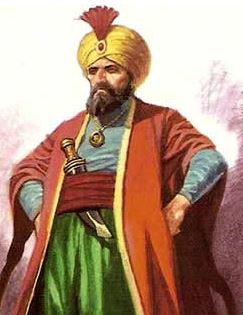
Harun al-Rashid (Fifth Abbasid Caliph)
 (هارون الرشيد (The Just / Aaron the Upright))
Fifth Abbasid Caliph whose reign marked the zenith of the Islamic Golden Age. Established the legendary House of Wisdom (Bayt al-Hikma) in Baghdad, exchanged diplomatic gifts with Charlemagne, and inspired the tales of the Thousand and One Nights.
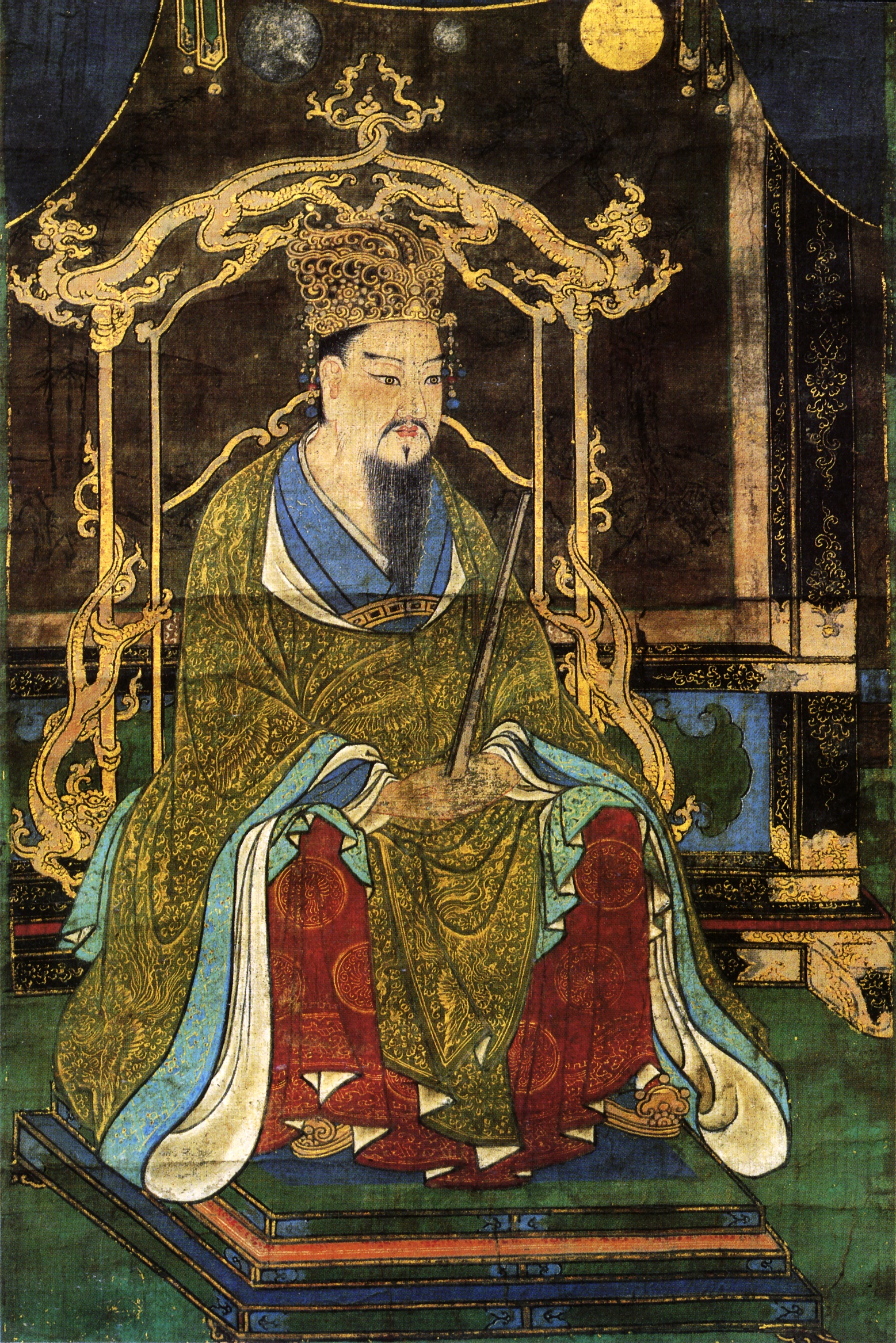
Emperor Kammu
 (桓武天皇)
Fiftieth Emperor of Japan (781–806 CE) who broke the political stranglehold of the Buddhist temples of Nara by relocating the imperial capital to Heian-kyo (Kyoto) in 794, inaugurating the glorious four-century Heian period of classical Japanese culture.
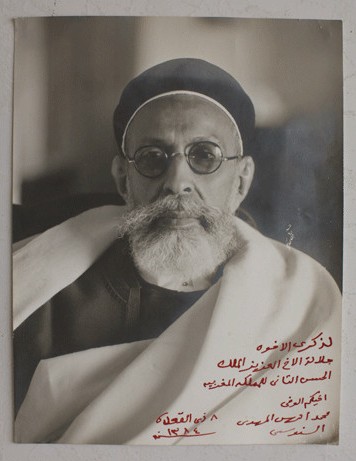
Idris I of Morocco
 (إدريس بن عبد الله (مولاي إدريس))
Great-grandson of Prophet Muhammad through Ali and Fatima, who fled Abbasid persecution, was welcomed by the Awraba Berbers at Volubilis, and founded the Idrisid Dynasty, establishing the first sovereign Moroccan Islamic state.
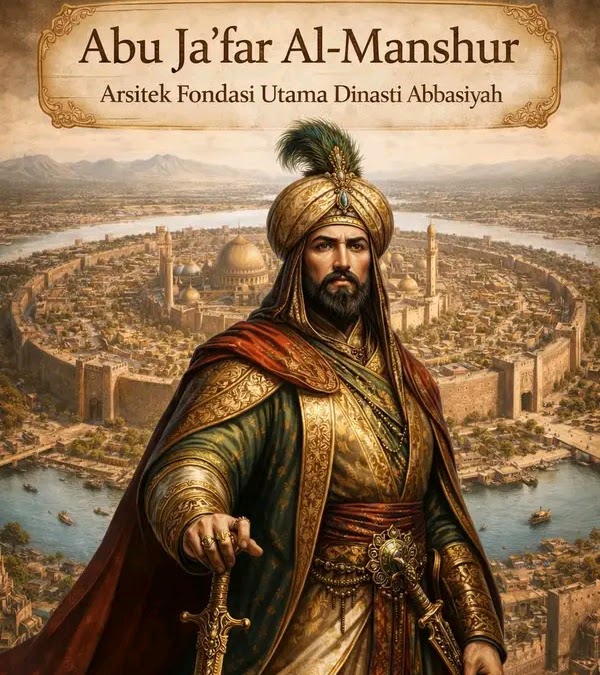
Al-Mansur (Abu Ja'far al-Mansur)
 (أبو جعفر المنصور (عبد الله بن محمد))
Second Abbasid Caliph and true founder of the Abbasid Caliphate who designed and founded the legendary Round City of Baghdad in 762 CE.