Archival Overview
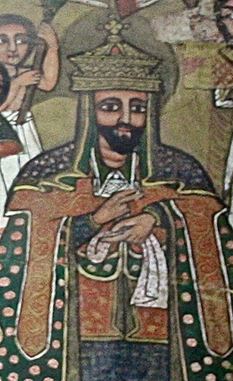
King of Ethiopia of the Zagwe Dynasty who carved the eleven monolithic rock-hewn churches of Lalibela out of volcanic basalt, creating a 'New Jerusalem' in the Ethiopian highlands.
Biographical Record
Born Gebre Mesqel, King Lalibela (c. 1162–1221) was nicknamed Lalibela ('the bees recognize his sovereignty') because a swarm of bees surrounded him at birth without stinging him. Following Saladin's capture of Jerusalem in 1187, Lalibela resolved to build a pilgrimage sanctuary in Ethiopia so pilgrims would not risk the perilous journey to the Levant.
He commissioned the excavation of eleven magnificent monolithic churches carved downward into solid red volcanic tuff—including the world-famous cruciform Bete Giyorgis (Church of Saint George). Carved entirely without mortar, timber, or external stones, the complex remains an eighth wonder of the world.
Key Life Milestones
Conception of the New Jerusalem
Initiated the excavation of the monolithic churches following the Muslim capture of Jerusalem.
Completion of Bete Giyorgis
Completed the iconic cruciform rock-hewn monolithic church of Saint George, a UNESCO treasure.
Memorial Guestbook & Tributes
0 messages recordedLeave a Respectful Tribute
Final Resting Place
Perpetual MemorialLalibela, Ethiopia