Public Figures & Cultural Luminaries
Filterable archive covering centuries of intellectual, artistic, and moral contributions to the human story.
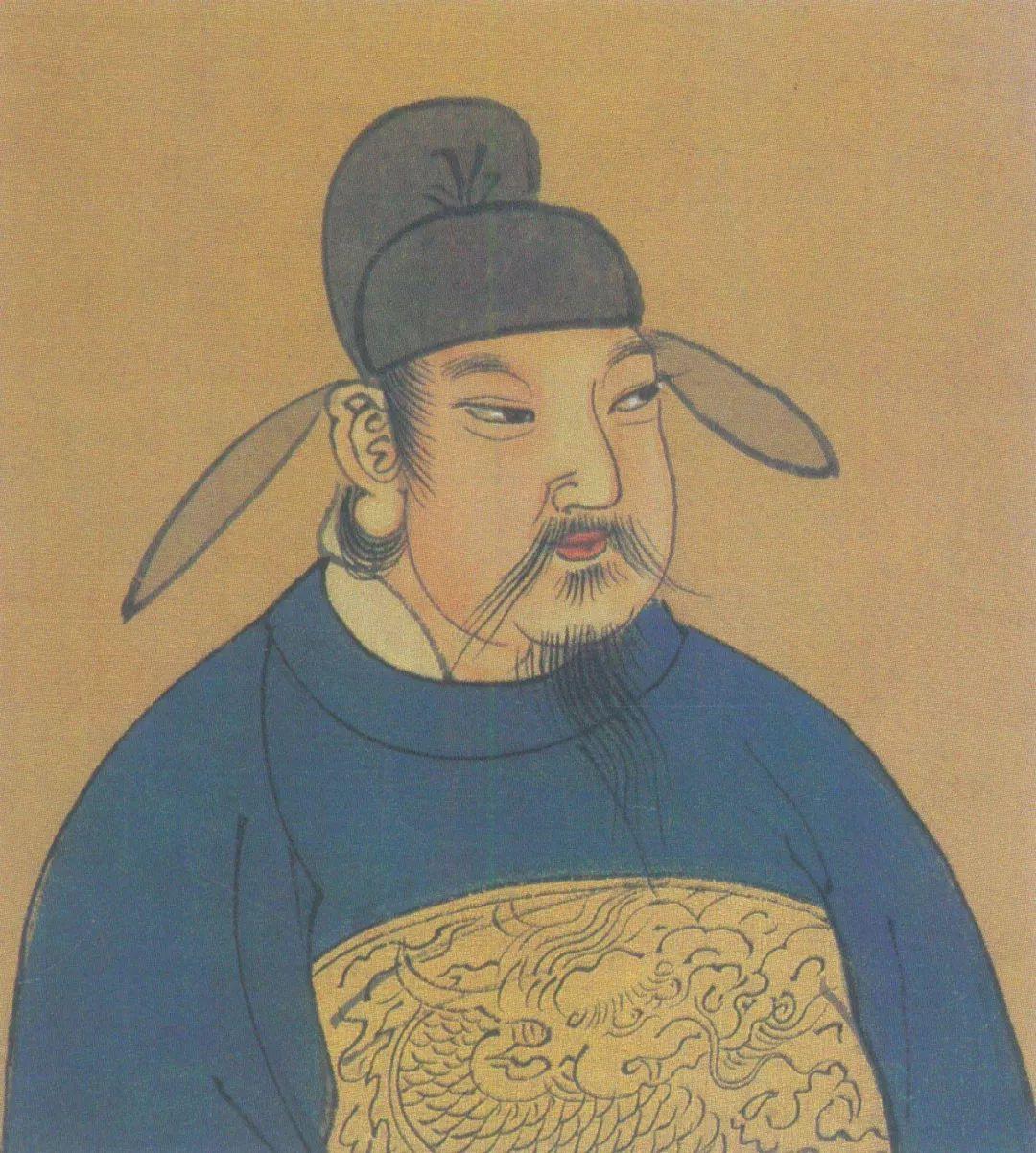
Emperor Xuanzong of Tang
 (唐玄宗 (李隆基))
Longest-reigning emperor of the Tang Dynasty whose Kaiyuan Era marked the pinnacle of Chinese classical poetry, painting, and opera, tragically shattered by the An Lushan Rebellion.
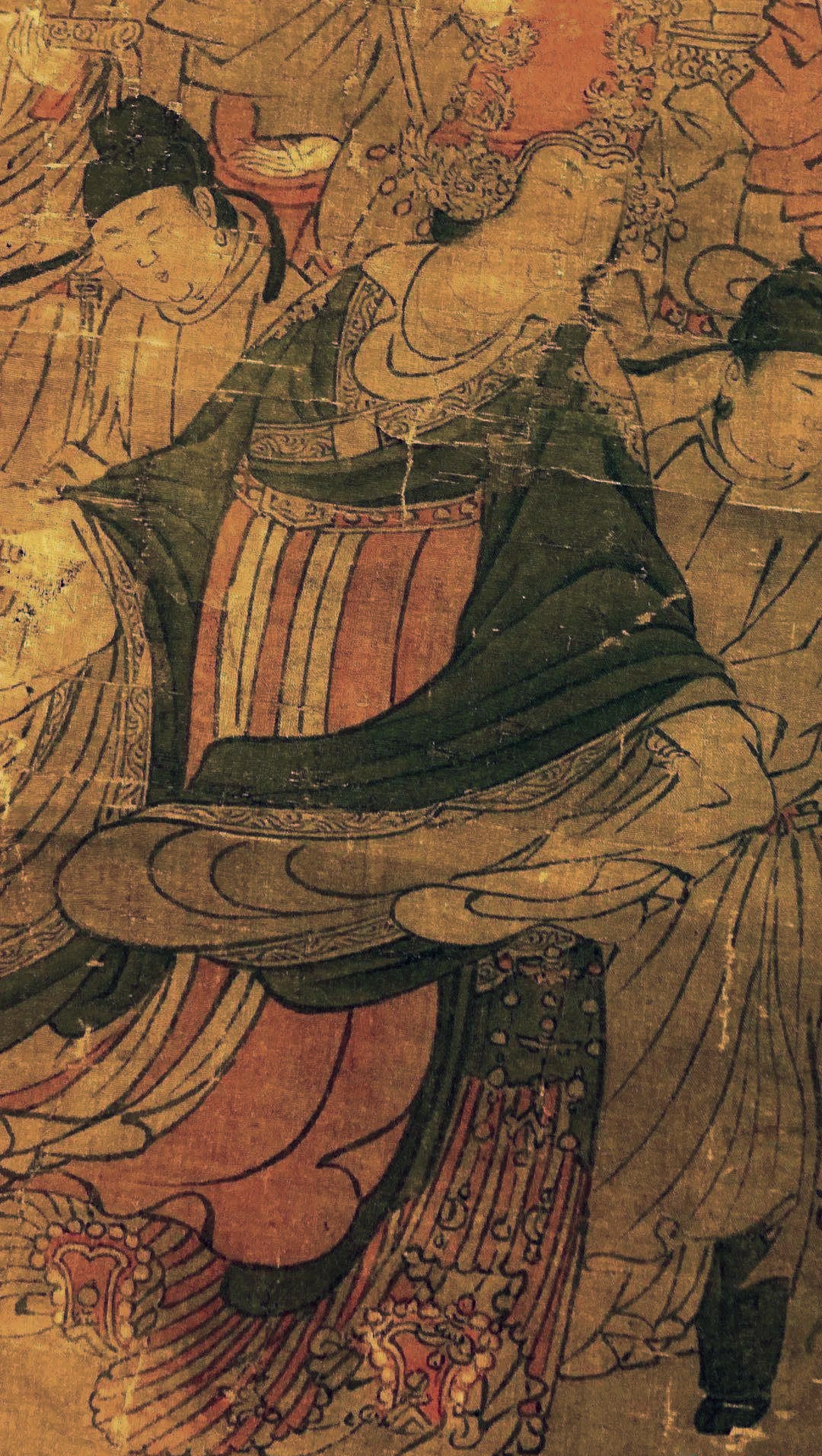
Wu Zetian
(武则天 (武曌))
Only female emperor regnant in five millennia of Chinese history, who founded her own Zhou Dynasty (690–705 CE), expanded the empire, and democratized government through imperial civil service examinations.
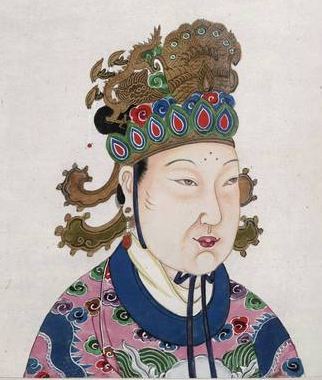
Wu Zetian (Emperor Wu Zhao of Zhou)
(武則天 (Wu Zhao / Sacred and Divine Emperor))
The only female emperor in four millennia of Chinese history. Founded her own Zhou Dynasty (690–705 CE), broke the hereditary aristocracy by promoting scholars through meritocratic imperial examinations, and commissioned the colossal Longmen Grottoes Buddhas.
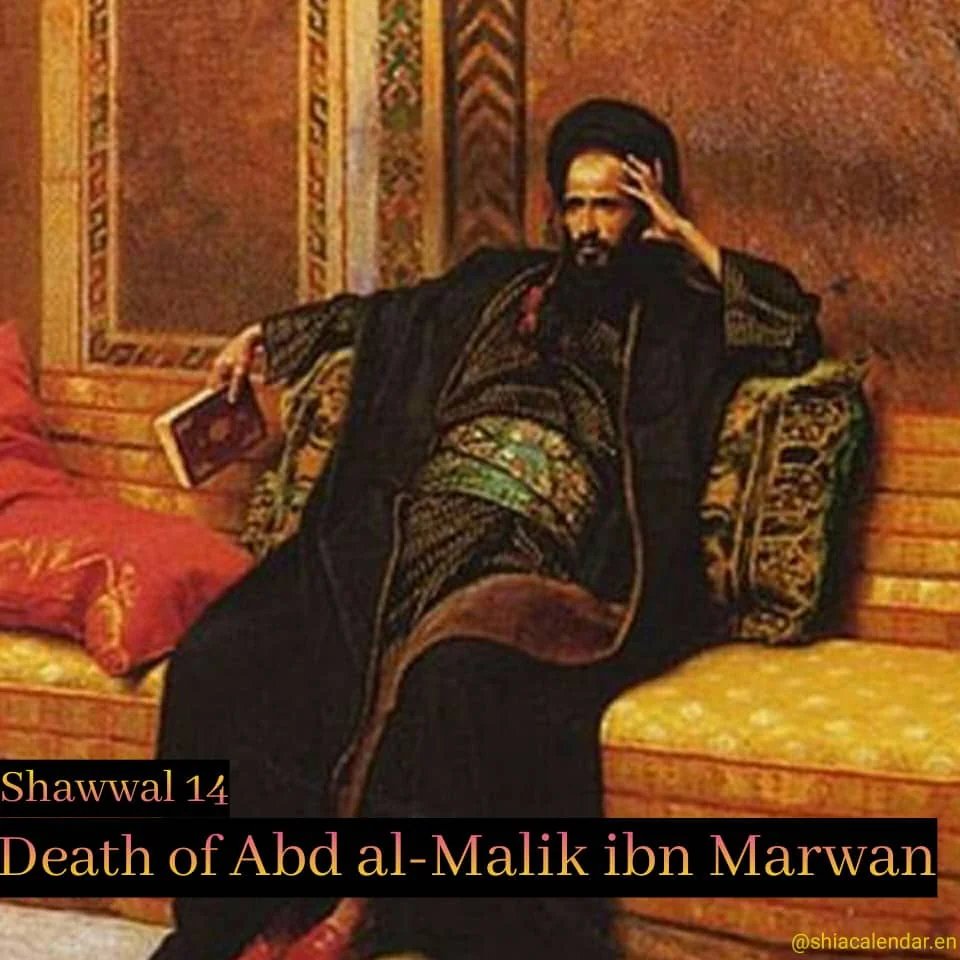
Abd al-Malik ibn Marwan
 (عبد الملك بن مروان)
Fifth Umayyad Caliph who built the Dome of the Rock in Jerusalem, standardized Arabic as the imperial language, and introduced Islamic epigraphic coinage.
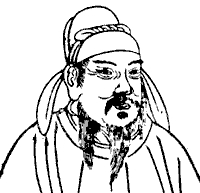
Emperor Gaozong of Tang
(唐高宗 (李治))
Ninth son of Emperor Taizong and third emperor of the Tang dynasty (649–683 CE) under whose reign the Tang Empire reached its greatest geographic extent, conquering Goguryeo and Baekje in Korea and expanding protectorates to the borders of Persia.
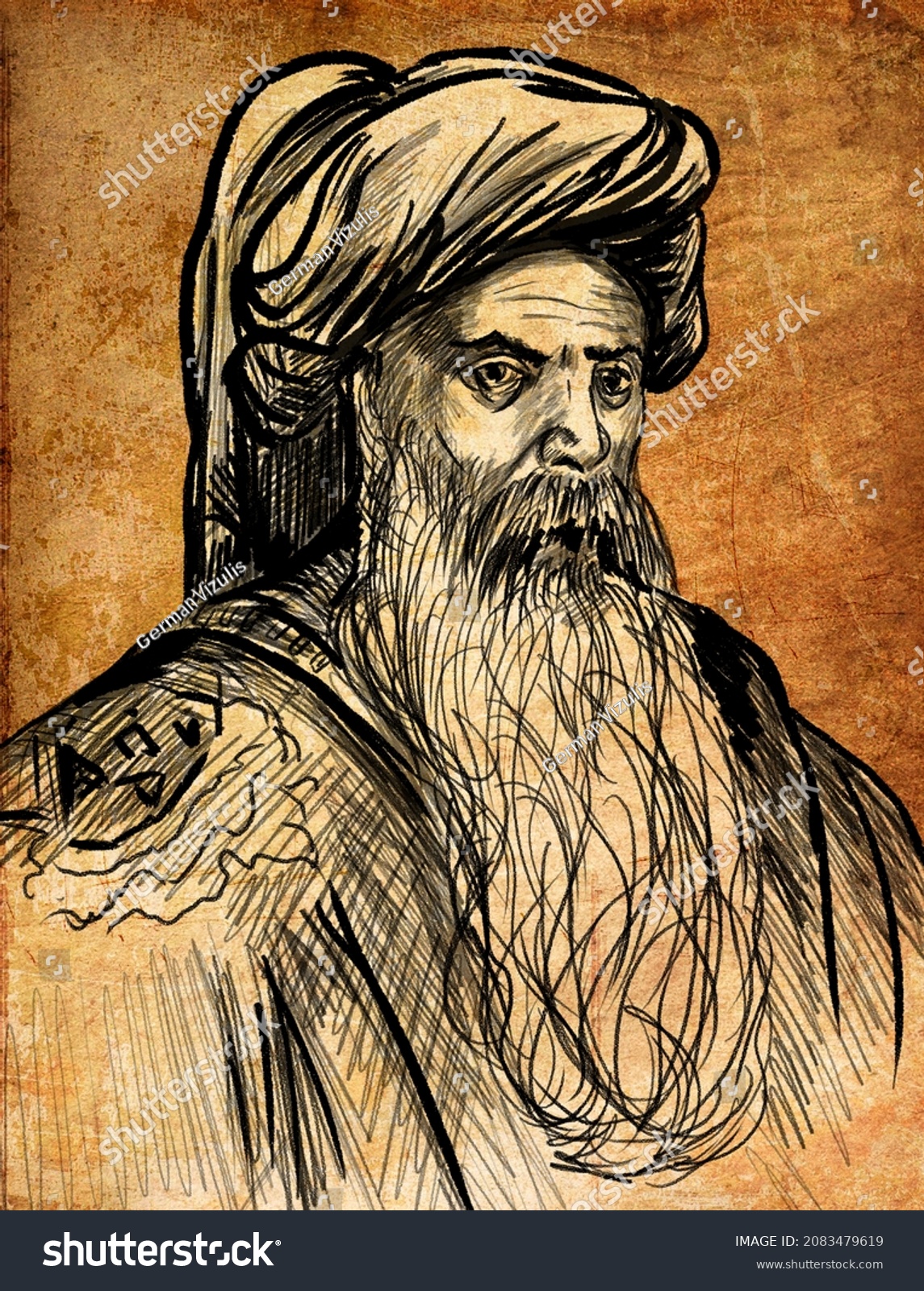
Mu'awiya I (Mu'awiya ibn Abi Sufyan)
(معاوية بن أبي سفيان)
Founder of the Umayyad Caliphate who moved the Islamic capital to Damascus, established the first Muslim naval fleet, and created imperial postal networks.
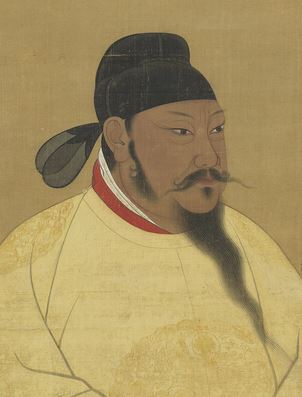
Emperor Taizong of Tang (Li Shimin)
(唐太宗 李世民 (Li Shimin))
Second Emperor of the Tang Dynasty and one of China's greatest sovereigns. Inaugurated the "Reign of Zhenguan"—a golden age of domestic peace, honest governance, economic prosperity, and welcoming openness along the Silk Road.
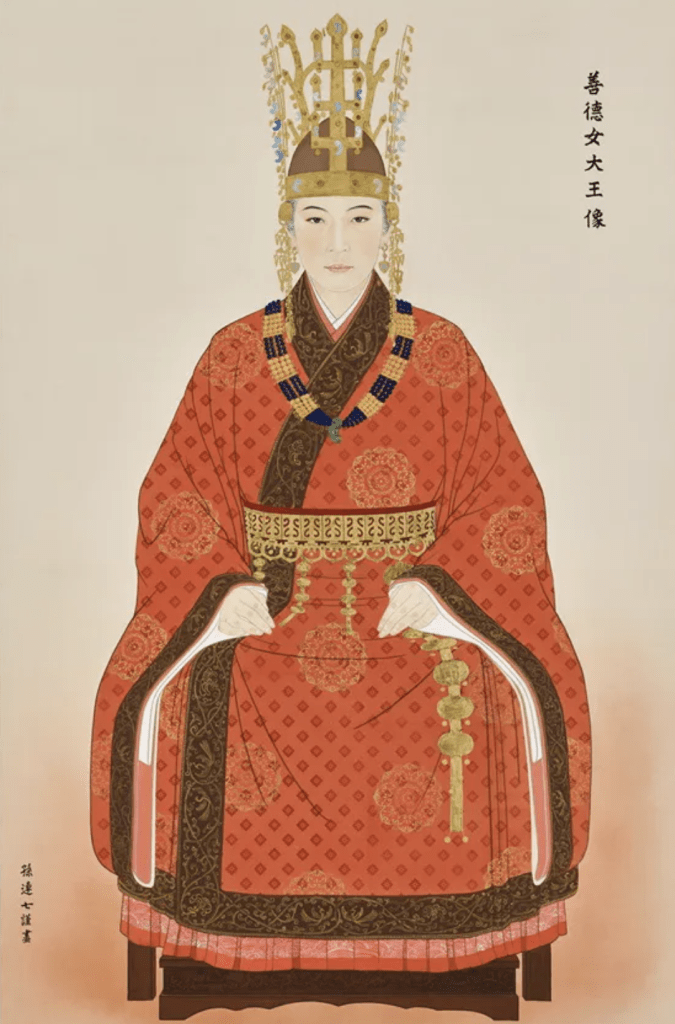
Queen Seondeok of Silla
 (선덕여왕 / 善德女王)
First reigning queen regnant of Silla whose visionary statecraft, cultural renaissance, and Tang diplomacy laid the foundations for Korean unification.
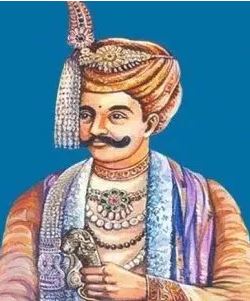
Emperor Harsha (हर्षवर्धन)
Last great pan-Indian monarch of northern classical India (606–647 CE), gifted dramatist who authored three Sanskrit plays, patron of Xuanzang and Nalanda University, who gathered 500,000 pilgrims every five years at Prayagraj to give away his entire imperial treasury.
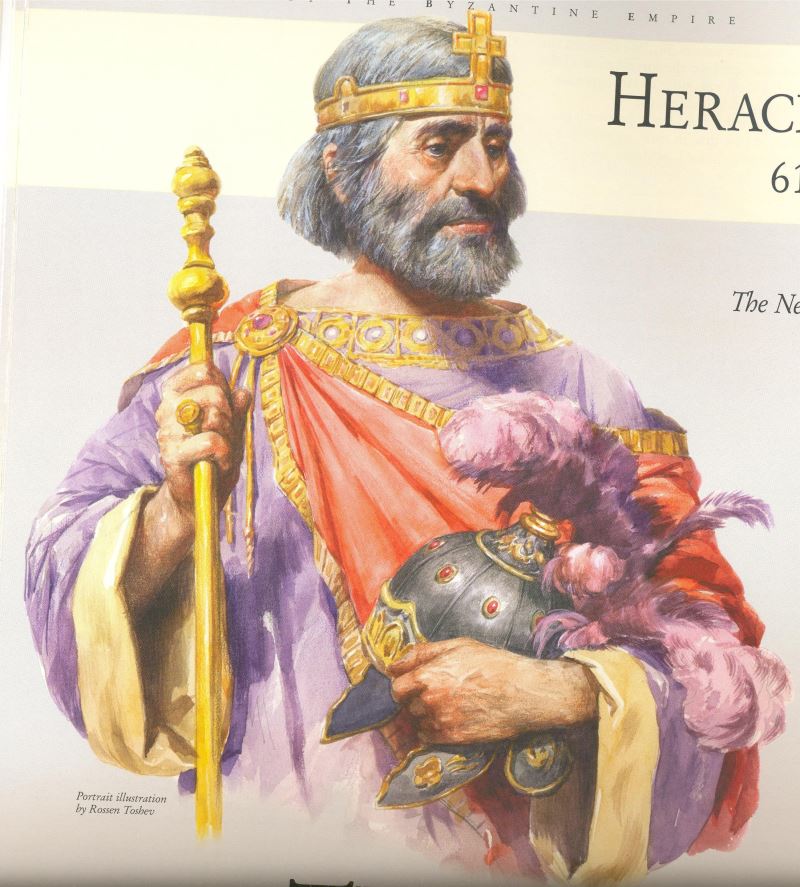
Heraclius
 (Ἡράκλειος (Flavius Heraclius Augustus))
Byzantine Emperor who saved the empire from destruction by the Sasanian Persians, recovered the True Cross, and introduced Greek as the official imperial language.
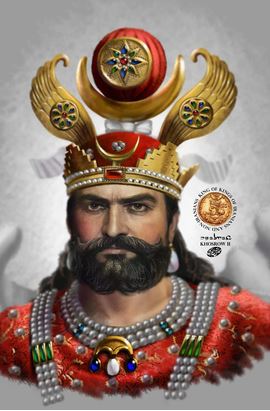
Khosrow II (خسرو پرویز (Khosrow the Victorious))
Last great King of Kings of the Sasanian Empire 'Parviz' (The Victorious), who conquered Syria, Palestine, Jerusalem, and Egypt from the Byzantine Empire, captured the True Cross, and presided over the golden age of Persian music, poetry, and art.
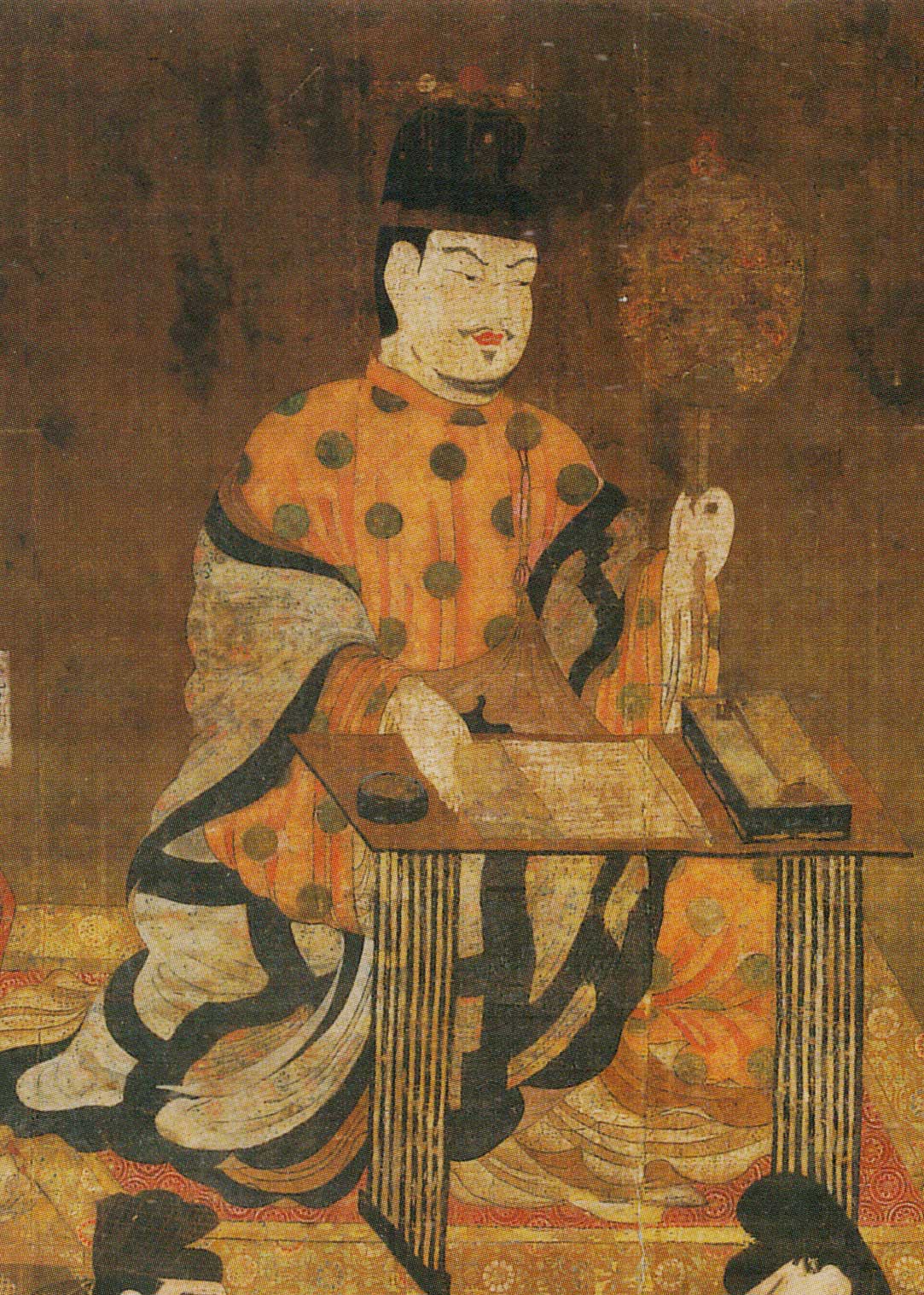
Prince Shotoku
 (聖徳太子 (厩戸皇子))
Semi-legendary regent and political reformer of Asuka-period Japan who drafted the Seventeen-Article Constitution, established the Twelve Level Cap and Rank System, and built Horyu-ji temple.
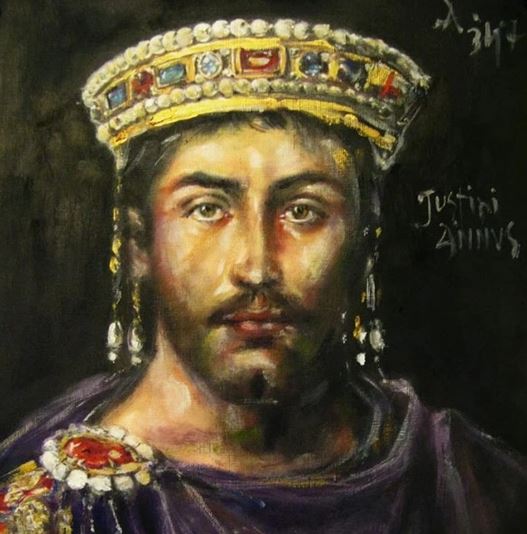
Justinian I (The Great / Flavius Petrus Sabbatius Iustinianus)
 (Φλάβιος Πέτρος Σαββάτιος Ἰουστινιανός)
Byzantine Emperor who codified Roman law into the Corpus Juris Civilis—the foundation of modern civil law across the world—re-conquered Italy and North Africa, and erected the awe-inspiring basilica of Hagia Sophia.
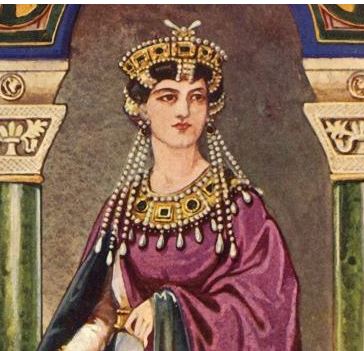
Empress Theodora of the Byzantine Empire
(Θεοδώρα (Gift of God))
One of the most powerful and influential empresses in world history. Co-ruled the Byzantine Empire alongside Justinian I, championed groundbreaking legal rights for women regarding marriage and divorce, and saved the throne during the Nika riots.
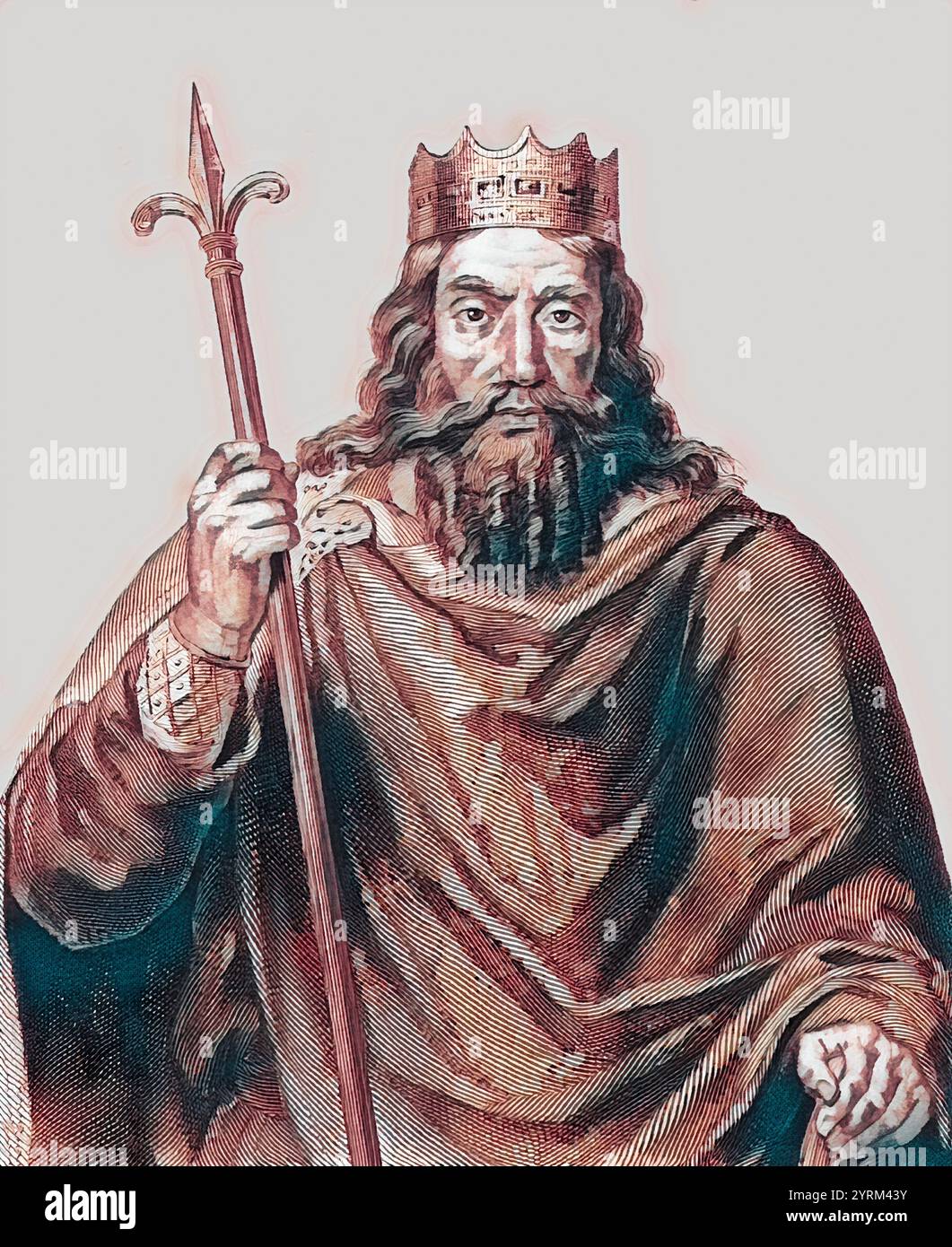
Clovis I
 (Chlodovechus (Clovis))
First King of the Franks to unite all Frankish tribes, founder of the Merovingian Dynasty, and first Catholic king of France.
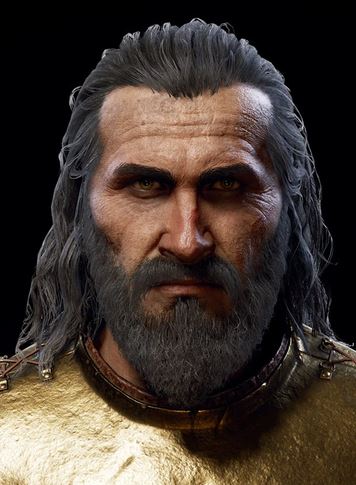
Leonidas I of Sparta (Hero of Thermopylae)
 (Λεωνίδας (Son of the Lion))
King of Sparta whose heroic stand with 300 Spartans and Greek allies against Xerxes I's Persian army at Thermopylae became humanity's eternal symbol of patriotic sacrifice, constitutional duty, and unyielding defense of freedom.
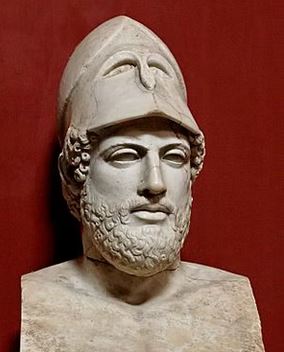
Pericles of Athens (First Citizen of Athens)
(Περικλῆς (Surrounded by Glory))
Democratic leader and general who presided over the Golden Age of Athens. Transformed the Delian League into an empire, championed direct democracy, and commissioned the Parthenon on the Acropolis.
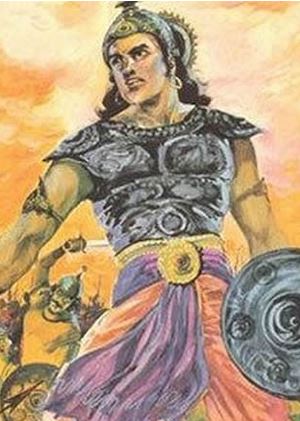
Chandragupta II (चन्द्रगुप्त विक्रमादित्य)
Greatest emperor of the Gupta Golden Age of India, celebrated as 'Vikramaditya' (Sun of Valor), who conquered the Western Kshatrapas, extended maritime trade across the Arabian Sea, and patronized the 'Nine Jewels' of classical arts and science, including Kalidasa.